
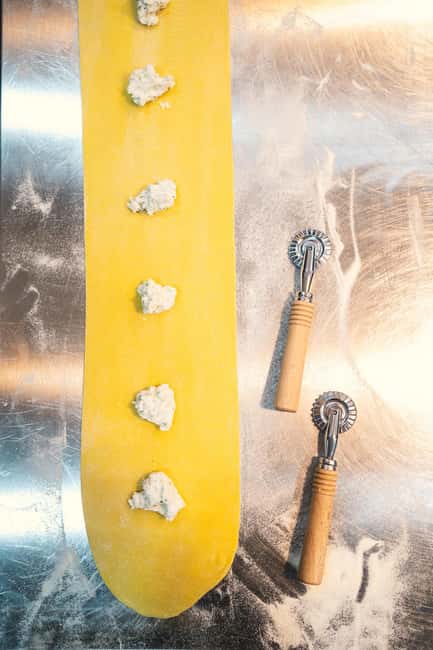
Reviewed · PASTA AND TIRAMISU COOKING CLASSES
Rome: Fresh Pasta-Making Class with Italian Chef and Wine
Fresh pasta, real Roman sauces. This hands-on class with Chef Riccardo’s team teaches you to make long and stuffed pasta from scratch, and I love the small group size and the practical step-by-step coaching. One thing to consider: the kitchen is social, so if your group includes different primary languages, some storytelling may not land for everyone.
You’ll cook in a local-feeling setting, then eat a 3-course meal built from what you made, with wine tasting included. I also like that they accommodate vegetarians, and the focus stays on classic Roman flavors like carbonara and cacio e pepe, not tourist shortcuts.
In This Review
- Key highlights at a glance
- Why Chef Riccardo’s pasta class feels different in Rome
- The setting: where you meet and what the kitchen vibe is like
- Your 3-course experience: what you cook and eat
- Fresh pasta you’ll shape, roll, and cook
- Roman sauces you’ll learn to pair correctly
- How the hands-on part usually unfolds in the kitchen
- What you’re really learning (beyond the recipes)
- Carbonara and cacio e pepe, taught as Roman technique
- Carbonara: why it’s more than a creamy sauce
- Cacio e pepe: simple ingredients, strict technique
- Wine, meal, and why it makes the pasta lesson stick
- Vegetarian options and handling dietary needs without the runaround
- Price and what $97 buys you in real value
- Language and group dynamics: plan for a shared kitchen
- Tips to get the most out of this Rome pasta class
- Wear for dough and sauce
- Ask about ingredient shopping right away
- Go early in your trip
- If you want a specific menu, consider a private class
- Who this class is best for
- Should you book this Rome fresh pasta class?
Key highlights at a glance
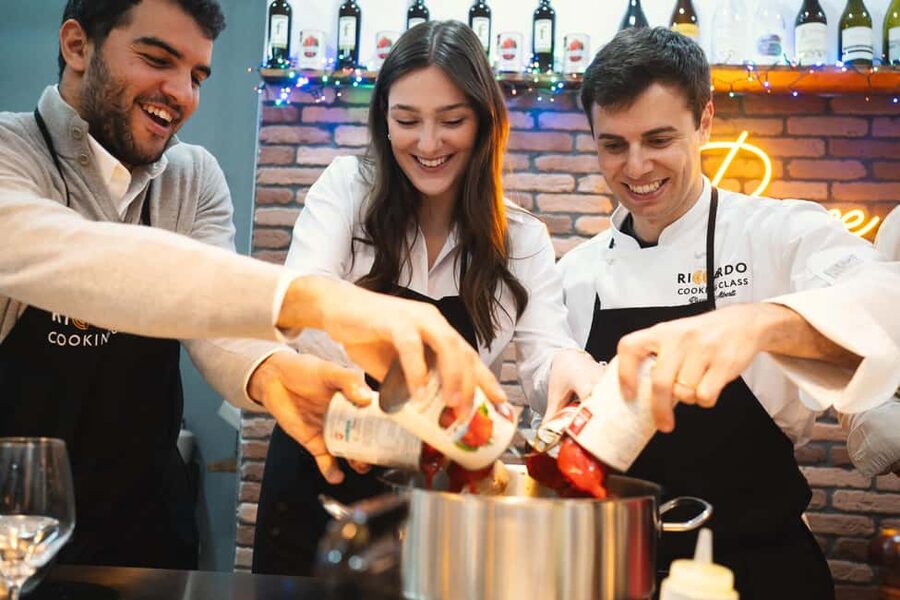
- Roman technique focus, including long pastas and stuffed shapes
- Carbonara and cacio e pepe methods, taught as Roman-style cooking, not vague Italian cooking
- Small group limit of 10, so you actually get hands-on help
- 3-course meal plus wine tasting, with quality ingredients and selected wine
- Dietary flexibility, including a vegetarian menu and options for private classes
- Leave with repeatable know-how, with recipe sharing mentioned in participant feedback
Why Chef Riccardo’s pasta class feels different in Rome
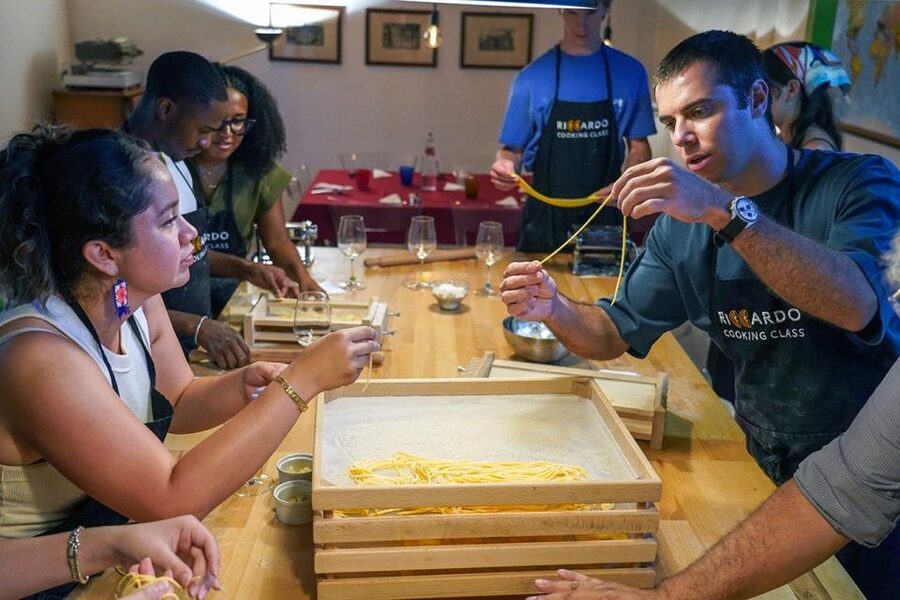
If you’ve ever taken a cooking class that mostly felt like watching someone else cook, this one is built the other way. The point is your hands on the dough, your turn at shaping, and your chance to get sauce technique right while you’re still in Rome.
Chef Riccardo’s approach, with his team in the kitchen, leans Roman. That matters because Rome does pasta a bit differently than other parts of Italy. You’re not just learning “Italian pasta.” You’re learning how carbonara, cacio e pepe, and other Roman staples are made and why specific ingredients matter.
A big value marker here is the small group size, limited to 10. That reduces the classic class problem where you spend 70 percent of your time waiting your turn. In a kitchen, waiting is where confidence drains. Here, you’re kept moving.
Other kitchens rolling pasta and folding tiramisu:
- 3 in 1 Cooking Class near Navona: Fettuccine, Ravioli & Tiramisu
★ 5.0 · 7,376 reviews - Rome: Pasta & Tiramisu Class with Fine Wine by the Vatican
★ 4.9 · 4,852 reviews - Rome: Pasta Making Class with Wine, Limoncello, and Dessert
★ 4.9 · 3,177 reviews - Rome Cooking Class: Make Pasta and 3 Spritz Cocktails
★ 5.0 · 2,937 reviews
The setting: where you meet and what the kitchen vibe is like
You’ll meet at the Cooking Lab area near a café, at Circonvallazione Gianicolense 418, 00152, Roma. The overall plan may place the group at Riccardo’s grandma’s house or at The Cooking Lab, depending on how the session runs.
That detail is more than trivia. A grandma’s-house setup usually changes the feel: it’s warmer, less staged, and more like family cooking. A studio-style Cooking Lab setup usually means a cleaner layout and easier flow for a mixed group. Either way, the class is designed for doing, not just learning.
Transportation is practical. One review notes it’s easy to reach with public transportation from the city center, which is exactly what you want for a 3-hour experience.
Your 3-course experience: what you cook and eat
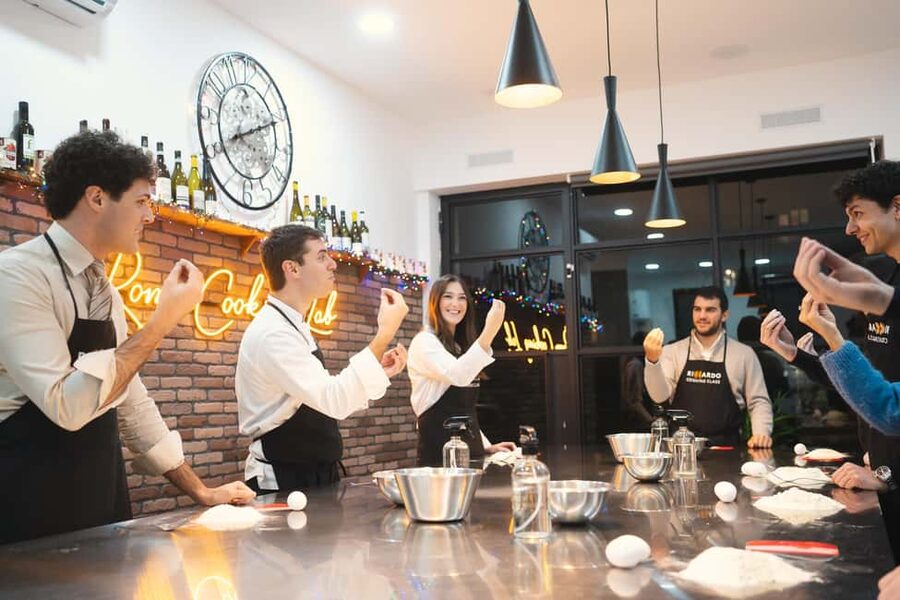
The class runs for about 3 hours and ends with a genuine meal together. The menu is structured as a 3-course setup, and it’s built around the pasta and sauces you learn during the lesson. Wine tasting is included, with selected wine served during the meal.
Here’s what you can expect to make and taste during a typical session, based on the class description and the most repeated outcomes from past participants:
Fresh pasta you’ll shape, roll, and cook
You’ll learn techniques that cover both long pasta and stuffed pasta. Depending on the class, you might make combinations like fettuccine and ravioli, or stuffed options like tortellini and cappelletti, plus shapes such as spaghetti alla chitarra.
That variety is a real advantage if your goal is to understand technique instead of only repeating one recipe. Long pasta teaches you dough elasticity and rolling thickness. Stuffed pasta teaches sealing, portioning, and how filling behaves once cooked.
Roman sauces you’ll learn to pair correctly
You’ll work with classic Italian sauces made from scratch using fresh ingredients. Roman specialties are part of the teaching focus, and two names show up repeatedly in the class description and participant feedback:
- carbonara
- cacio e pepe
These sauces aren’t about dumping ingredients into pasta water and hoping. They’re about timing, texture, and knowing how ingredients transform when heat meets eggs, cheese, and fat. In other words, this is where a class stops being fun and becomes useful for cooking at home.
More Lazio bottles opened near Rome:

How the hands-on part usually unfolds in the kitchen
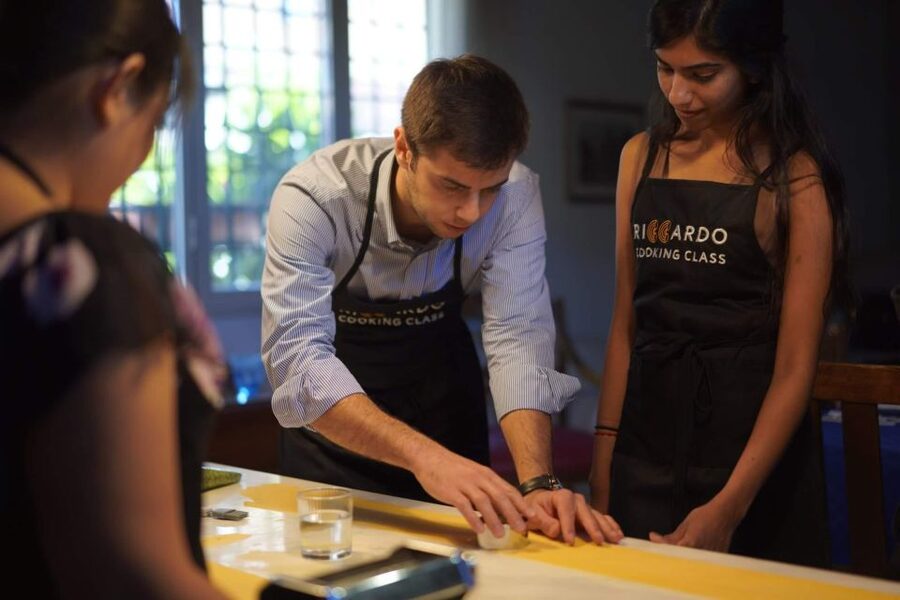
This is the part that makes or breaks cooking classes. In this one, the flow is step by step, with instructors demonstrating, then guiding you while you do the work.
Because the class is small, you get adjustments when something is off, like dough consistency, rolling thickness, or sauce texture. Multiple reviews specifically praise chefs for explaining the process clearly, making adjustments, and sharing tips on both pasta and sauce.
You’ll also use aprons during the class. (They’re provided.) Some participants mention that aprons can be kept for an extra cost, so if you want the souvenir apron, plan for that.
What you’re really learning (beyond the recipes)
Even if you never recreate every dish perfectly, you’ll come away with a mental checklist:
- what fresh dough should feel like
- what rolling should achieve for even cooking
- how sauce changes as it heats
- how to pair the right sauce style with the right pasta shape
That’s the kind of learning that travels well. One chef tip repeated in feedback is understanding ingredients to shop for back home. If your goal is to cook in your own kitchen later, that part matters as much as the class itself.
Carbonara and cacio e pepe, taught as Roman technique
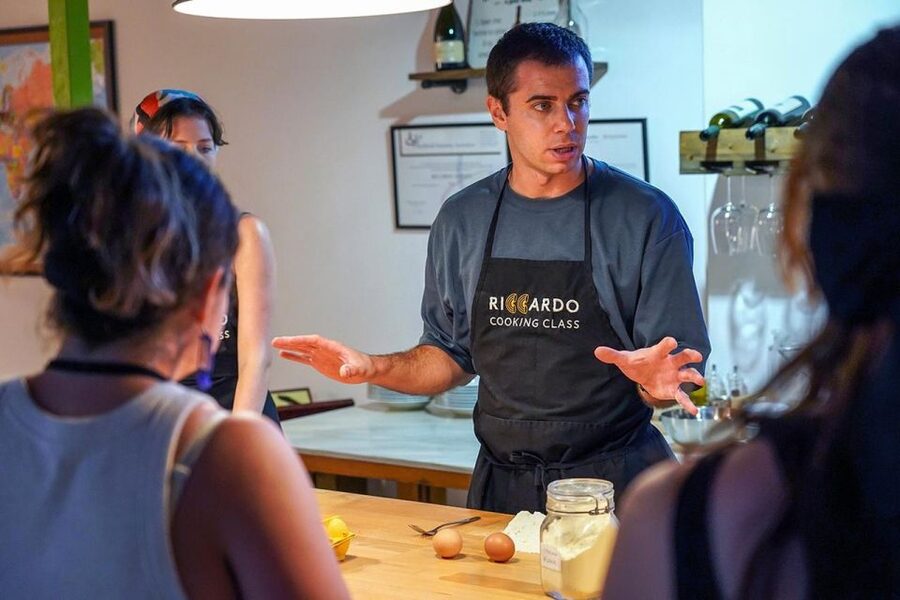
Let’s talk about carbonara and cacio e pepe, because those are where many at-home attempts go wrong.
Carbonara: why it’s more than a creamy sauce
Roman-style carbonara relies on correct handling of egg and fat, plus the right cured meat flavor. In feedback, people highlighted tasting differences and mentioned guanciale as a standout ingredient. When the class teaches you how to cook the pasta and then finish the sauce in the right way, you learn why carbonara shouldn’t taste like heavy cream.
Even if you’re intimidated by eggs in hot sauce, this type of class helps because you’re watching the process live and learning the timing. You’re also getting guidance on what the sauce should look like as it comes together.
Cacio e pepe: simple ingredients, strict technique
Cacio e pepe looks easy: cheese, pepper, pasta water. The catch is texture. Too hot, too long, or wrong pacing and it can turn grainy.
In a class like this, you’re taught how to manage heat and use the starchy cooking water to create a smooth sauce. That’s exactly the technique you need to avoid the most common disappointment at home, a sauce that tastes fine but feels wrong.
Wine, meal, and why it makes the pasta lesson stick
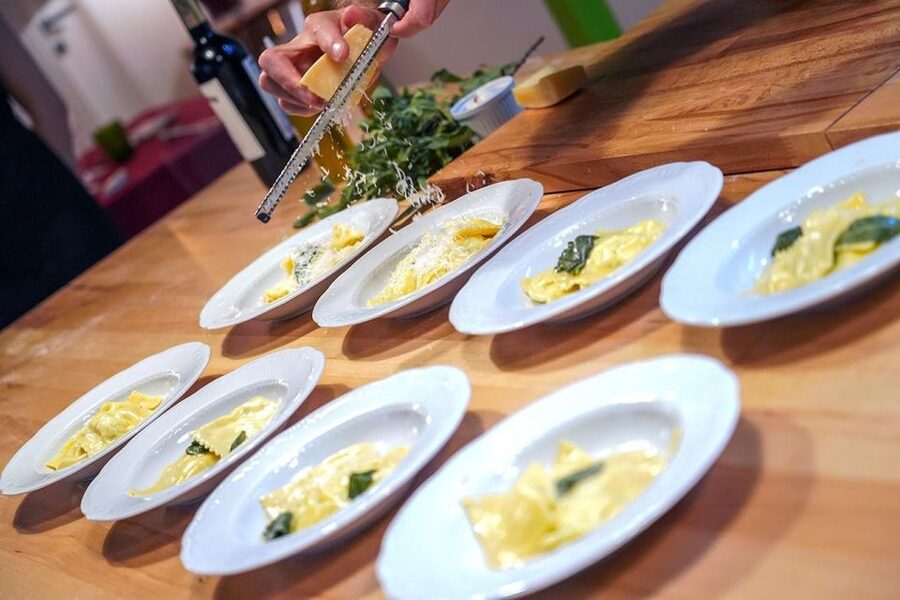
Wine isn’t only for fun here. It changes the pacing of the evening meal and makes the whole experience feel like an actual Roman table, not a classroom. The class includes wine tasting and serves selected wine with your meal.
Reviews also mention prosecco being served during the session. Either way, you’re not just tasting wine, you’re tasting it while eating the pasta and sauces you helped create.
That combination sticks in your brain. You learn dough and sauce, then you immediately eat and compare. It’s easier to remember what worked when you can taste the results before your appetite moves on.
Vegetarian options and handling dietary needs without the runaround
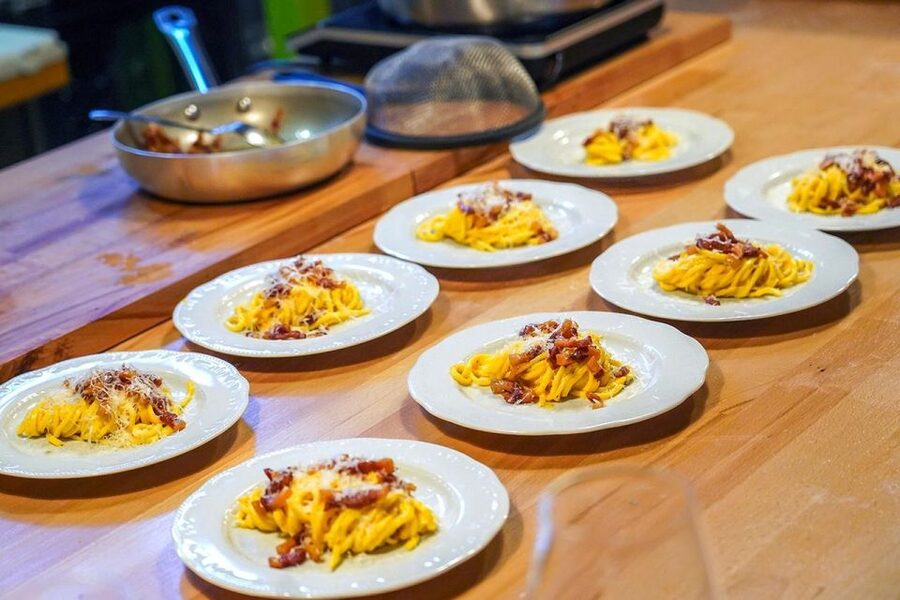
Good cooking classes ask early about allergies and restrictions, and this one explicitly asks you to inform them of allergies, intolerance, and dietary restrictions. They also say there’s a vegetarian menu available.
There are also special recipe options mentioned for private classes, including possibilities like gluten-free, dairy-free, or vegan, and special dishes like gnocchi, tiramisu, or risotto. If you have a tighter restriction, private class arrangements are the safer bet because they can plan the menu around you.
My practical advice: message your needs clearly at booking. The class itself encourages you to do that, and it’s the simplest way to avoid last-minute compromises.
Price and what $97 buys you in real value
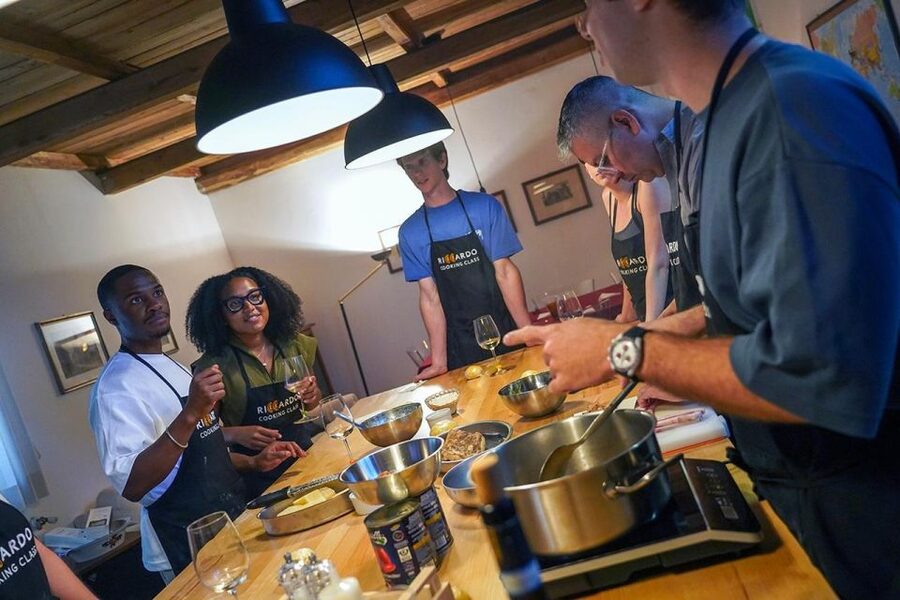
At $97 per person for a 3-hour class, you might wonder if it’s “just cooking.” The value here is that the price covers real teaching time plus what you produce plus the meal.
You’re paying for:
- hands-on instruction
- quality ingredients
- selected wine and wine tasting
- the meal made from your pasta and sauces
- a small group setting that supports individual help
If you compare against the cost of a sit-down meal plus ingredients plus guided instruction separately, the math often ends up closer than you’d expect, especially in a city like Rome where convenience and guide time cost money.
Also, this class is a skills class. If you leave able to make fresh pasta and finish at least one Roman sauce without panic, that’s a meaningful return. The best cooking classes don’t just feed you, they upgrade your home cooking.
Language and group dynamics: plan for a shared kitchen
This class runs with instructors who teach in English and Italian. That’s a strong start.
Still, group language can vary depending on who’s in your class. One feedback note said the chef spoke mostly French for a while, which made the participant feel a bit left out. I can’t control who else books your session, but you can control how you show up.
If you want the fullest experience in English, consider booking with a time slot that you expect will be more English-friendly, and don’t rely on translation for technique. Technique is visual and hands-on, and you’ll still pick up a lot even if some stories switch languages.
Tips to get the most out of this Rome pasta class
Here’s how to make sure you leave feeling proud, not overwhelmed.
Wear for dough and sauce
You’re rolling, kneading, and handling ingredients that can stain. Wear clothes you’re comfortable getting messy in, even with an apron.
Ask about ingredient shopping right away
Many participants value the back-home tips, including what to buy and how to choose ingredients. If that’s your priority, ask early. The chef’s guidance tends to stick best when it comes right when you’re learning the recipe mechanics.
Go early in your trip
One of the more helpful bits from feedback is that the chefs share recommendations for places to eat, including restaurant ideas and wine guidance. If you book this early, you can use those suggestions for the rest of your stay.
If you want a specific menu, consider a private class
If you’re hoping for a very particular set of recipes, like gnocchi, tiramisu, or risotto, the info says private class options can be arranged. That also helps if you need special dietary handling beyond the standard vegetarian menu.
Who this class is best for
This pasta-making class is a great fit if you:
- want hands-on skills, not just a tasting
- care about Roman specialties like carbonara and cacio e pepe
- like the idea of a small group with real attention from the chef
- want a meal that feels like part of the lesson, not an afterthought
- enjoy cooking enough to repeat the recipes later
It might be less ideal if you dislike group kitchens, or if you’re extremely sensitive to language differences. The technique is still visual, but kitchen storytelling can shift with the group.
Should you book this Rome fresh pasta class?
I’d book it if your top goal is learning how to make pasta and Roman sauces in a real, small-group setting. The strongest reasons are the hands-on teaching, the repeated focus on carbonara and cacio e pepe, and the fact that you eat what you make with wine tasting included.
Before you click confirm, do two quick checks:
- Tell them about allergies and dietary needs in advance.
- Decide whether you want this as a general Roman pasta skills session or you need special recipes, in which case a private class may fit better.
If you’re the type who loves coming home with a skill, not only a photo, this class is an easy yes.
A Roman Bench for the Morning
- Rome: 3-in-1 Fettuccine, Ravioli, and Tiramisu Cooking Class
★ 4.9 · 2,704 reviews - Rome: Fettuccine Pasta Cooking Class in Rome’s City Center
★ 4.8 · 2,414 reviews - Become a Masterchef in Rome: Pasta, Ravioli and Tiramisù Class
★ 5.0 · 2,156 reviews - Fettuccine & Tiramisù: Cooking Class with Wine & Limoncello
★ 4.9 · 2,103 reviews
Latest additions from Rome
- Guided Tour Vatican Museums & Sistine Chapel★ 4.1 · 30 reviews
- Exclusive Rome by Night Vespa Tour★ 5.0 · 30 reviews
- Transfer Rome to Airports★ 4.5 · 30 reviews
- Vatican: St.Peter’s Basilica & Dome – Reserved Entry & Tour★ 4.1 · 30 reviews
- Rome street art tour: off the beaten path with a local guide★ 5.0 · 30 reviews
- Tivoli, Hadrians Villa and Villa d’Este, a charming day trip from Rome★ 4.5 · 30 reviews
- Inspirational Cooking on the Roman Chef’s Panoramic Terrace★ 5.0 · 30 reviews
- Rome Food Tasting with Wine Pairing Italian Authentic Flavors★ 5.0 · 31 reviews
Pasta and Tiramisu Cooking Classes, compared.
3 in 1 Cooking Class near Navona: Fettuccine, Ravioli & Tiramisu
Read our review →
Pasta & Tiramisu Class with Fine Wine by the Vatican
Read our review →
Pasta Making Class with Wine, Limoncello, and Dessert
Read our review →
Rome Cooking Class: Make Pasta and 3 Spritz Cocktails
Read our review →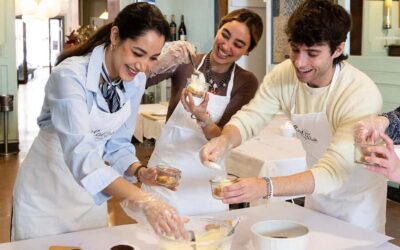
3-in-1 Fettuccine, Ravioli, and Tiramisu Cooking Class
Read our review →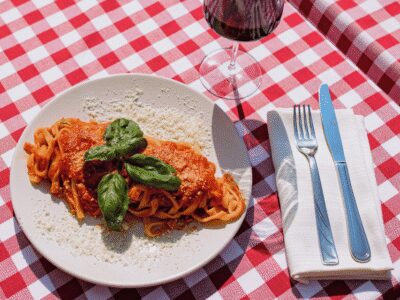
Fettuccine Pasta Cooking Class in Rome’s City Center
Read our review →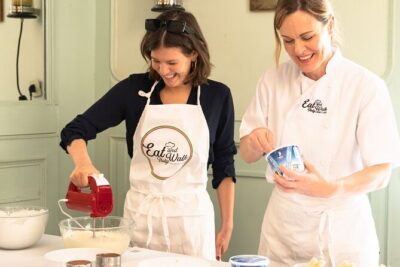
Learn to Make Pasta & Tiramisu with Wine and Limoncello Included
Read our review →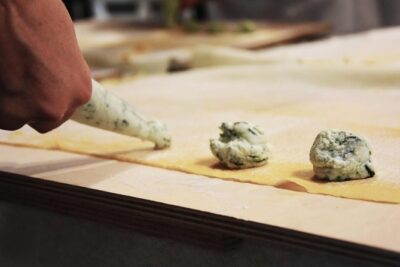
Become a Masterchef in Rome: Pasta, Ravioli and Tiramisù Class
Read our review →Browse the lists this tour appears in