
Reviewed · CATACOMBS OF ROME TOURS
Rome: Catacombs of Priscilla Entry Ticket & Guided Tour
Under Rome, history stays cool and close. On this guided tour of the Catacombs of Priscilla, you walk through early Christian burial spaces used for remembrance, and you get a clear sense of how people lived, died, and were commemorated underground. I especially love the well-preserved frescoes and wall paintings you see down there, and I like that it is a small group tour so you can actually hear the guide in tight corridors.
One thing to plan for: this visit is not suitable for people with mobility impairments, and you should expect stairs and narrow passages as you move between areas.
In This Review
- Key Things You Will Notice
- Catacombs of Priscilla: A Different Side of Early Christianity
- Ticket Value: What $16 Gets You in 45 Minutes
- Getting There and Staying on Time at the Ticket Office
- What the Two-Floor Layout Means for Your Tour
- Inside the First Floor: Niches, Galleries, and the Early Third Century
- The Hypogeum of the Acili and the Greek Chapel Connection
- The People You Hear About: Felice, Filippo, and the Popes
- Frescoes and Early Christian Art: What You Might See
- About the Guide: Small Group Energy and Real Explanations
- Practical Tips So Your 45 Minutes Feel Comfortable
- Who This Tour Suits Best (and Who Should Rethink It)
- What Makes Priscilla Worth Choosing Over Other Catacombs
- Should You Book the Catacombs of Priscilla Guided Tour?
- FAQ
- How long is the Catacombs of Priscilla guided tour?
- What is included in the ticket price?
- Where is the meeting point?
- What languages are offered for the guided tour?
- How large is the group?
- Is photography allowed inside the catacombs?
- Is the tour suitable for people with mobility impairments?
- Is there free cancellation?
Key Things You Will Notice
- Priscilla’s catacombs connect to the Acili family through inscriptions found in the hypogeum area
- Two floors of burial galleries with niche tombs that Christians used starting in the early third century
- A cryptoporticus linked to the catacomb, including the Greek Chapel area your guide explains
- Frescoes and paintings from early Christian art that still look startling after nearly 2,000 years
- Martyrs and popes connected to the site, including Felice and Filippo, plus multiple popes buried there
Catacombs of Priscilla: A Different Side of Early Christianity
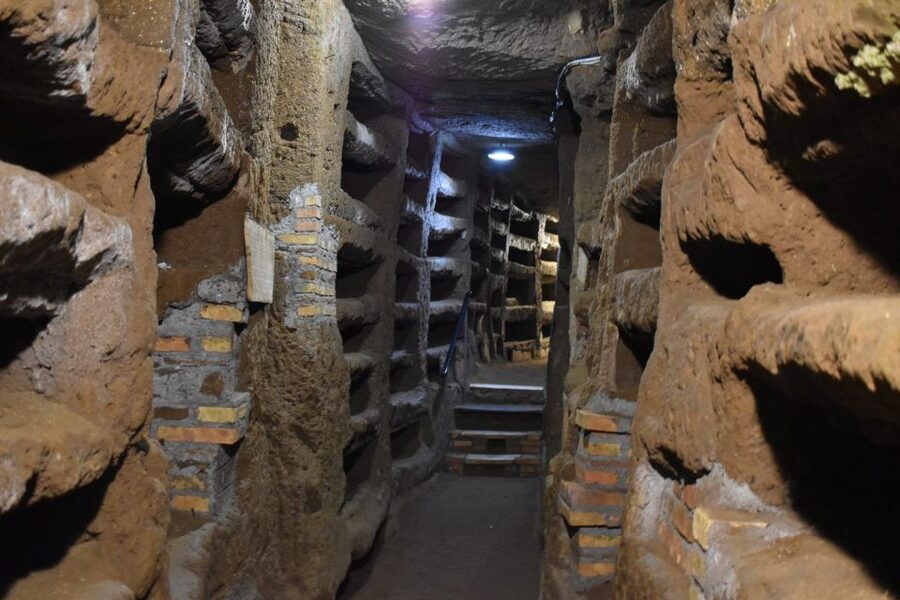
The Catacombs of Priscilla are not about spectacle. They are about the reality of burial and memory, carved into rock along Via Salaria, and shaped by changing use over centuries. The site started as something else before Christians claimed parts of it for funerary life: it was originally an arenarium, then abandoned, before Christians began using the large, irregular galleries.
What makes this tour click is that you are not just seeing “old tunnels.” You are getting the story of how a place becomes sacred through repeated burial, commemoration, and ritual use. In a city where most sights are above ground, this one turns the volume down and lets you focus on the human scale of faith and remembrance.
Other descents into the catacombs:
- Rome: Capuchin Crypts and Catacombs Tour with Transfers
★ 4.6 · 6,456 reviews - The Original Roman Crypts and Catacombs Tour with Transfers
★ 4.5 · 4,896 reviews - Rome: Catacombs of St. Callixtus Entry Ticket & Guided Tour
★ 4.6 · 3,037 reviews - Rome: Guided Roman Catacombs Tour with Transfers
★ 4.6 · 1,830 reviews
Ticket Value: What $16 Gets You in 45 Minutes
At about $16 per person for a 45-minute guided visit, this is one of the most cost-effective ways to add “serious Rome” to your day. You get an entrance ticket plus a live guide, and the timing is tight enough that you are not wandering around lost in a maze.
The value also comes from the group size. With a maximum of 10 participants, the guide can keep everyone together in narrow spaces and answer questions in the moment. If you are planning a busy Rome itinerary with the big-ticket stops first, this tour gives you a quieter, more intimate contrast without taking half a day.
Getting There and Staying on Time at the Ticket Office
The meeting point is simple, but it is strict: go directly to the ticket office for the catacomb and show your reservation at least 10 minutes before the scheduled tour.
That matters more than you might think because the visit itself is short. If you arrive late, you risk missing part of the route or getting shuffled into a later group. Also, the catacombs are outside the most central areas of Rome, so plan on using public transport or local bus routes rather than assuming everything is walkable.
Quick practical thought: before you leave your hotel, check how long the trip takes at the time you plan to go. Rome traffic and walking time can turn a “short ride” into a stressful sprint.
What the Two-Floor Layout Means for Your Tour
The catacombs are spread over two floors, and that vertical layout shapes the whole experience. You will move through spaces that can feel tight and dim, with sections that are more gallery-like and others more niche-focused.
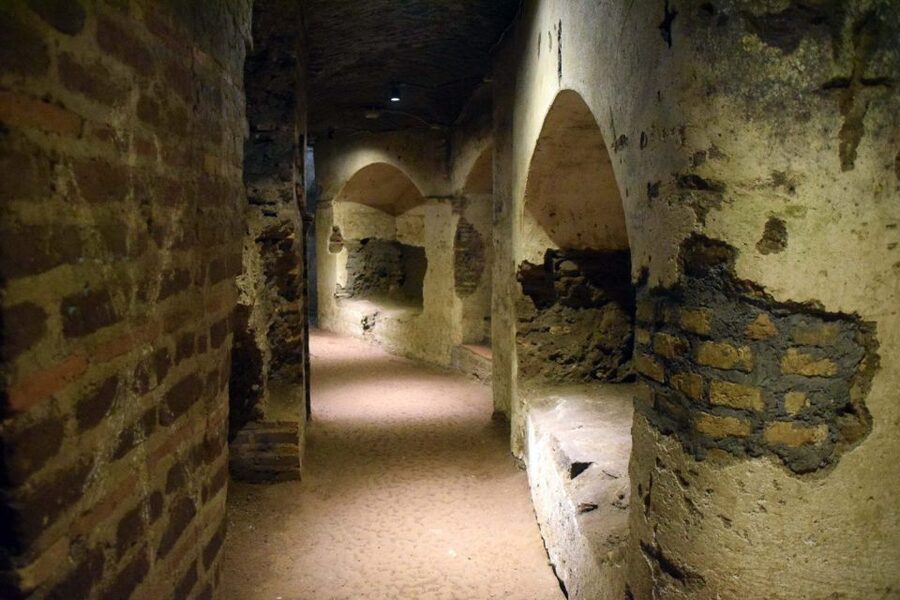
On the first floor, Christians adapted the large, irregular galleries and built around roughly twenty niche tombs, then dug hundreds of niche tombs in the walls. This is the part where the underground feels most like a living archive of burial practices, because you can see how the design repeats and expands.
Your guide also uses this layout to explain how different zones relate to each other, including the adjacent cryptoporticus and the area connected to the Greek Chapel. Even if you do not memorize every detail, the physical layout makes the chronology make sense.
Inside the First Floor: Niches, Galleries, and the Early Third Century
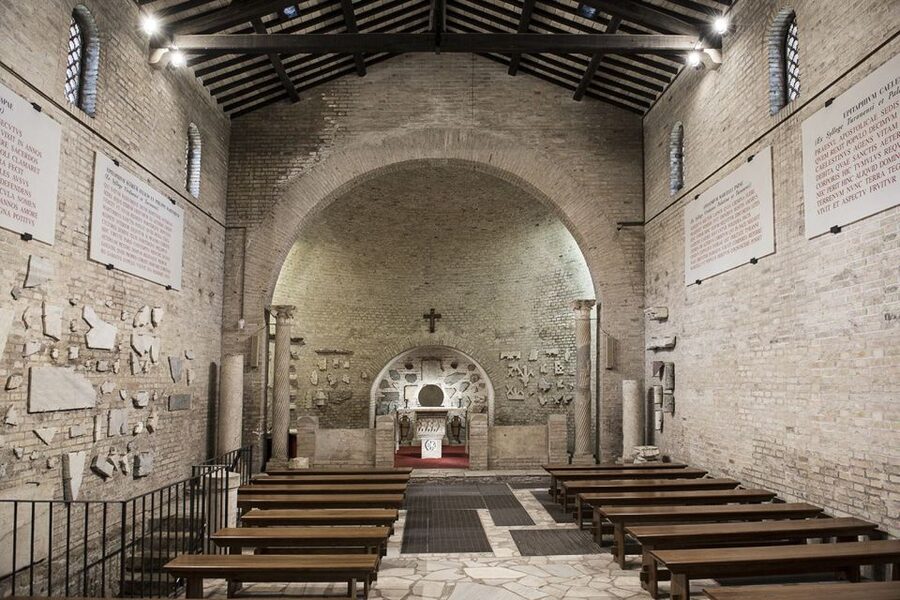
When you enter the main underground spaces, you can sense that this was never meant to be a single-purpose room. The catacombs evolved. They began as a different kind of site, then later became a Christian burial zone when those big galleries offered usable space.
In practical terms, this means you will spend time looking at niche tombs and listening to why Christians chose these areas. It is not just “where bodies went.” It is “where community memory continued,” because these sites were also tied to funeral commemoration.
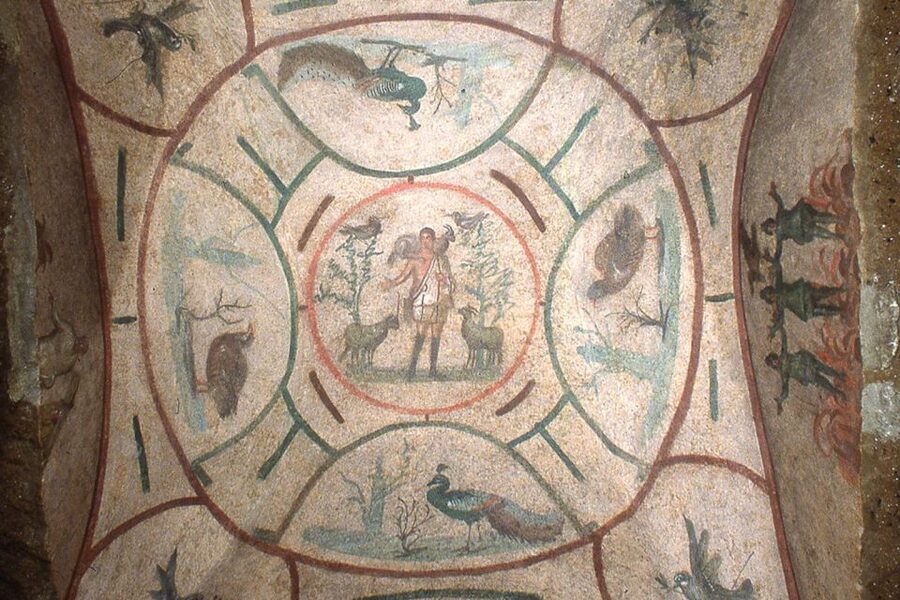
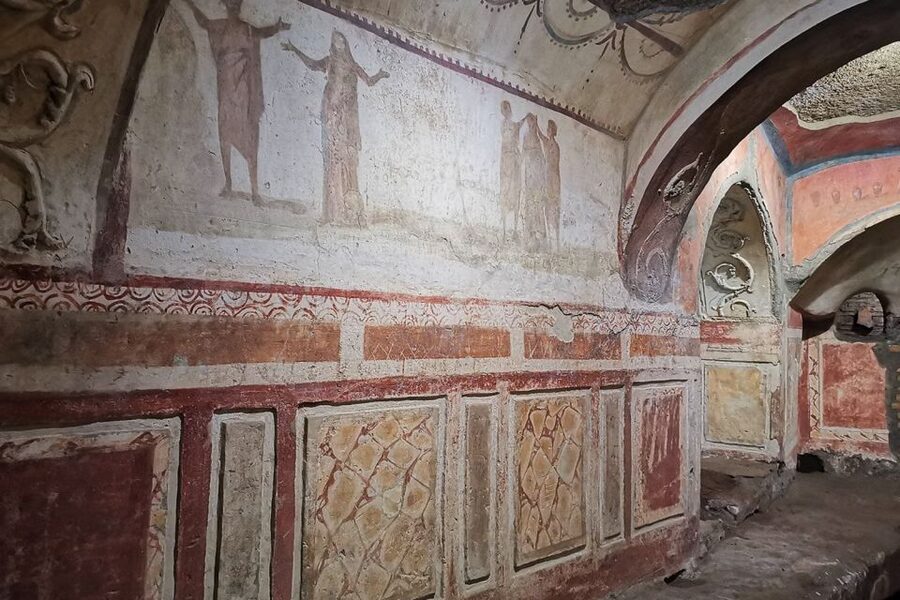
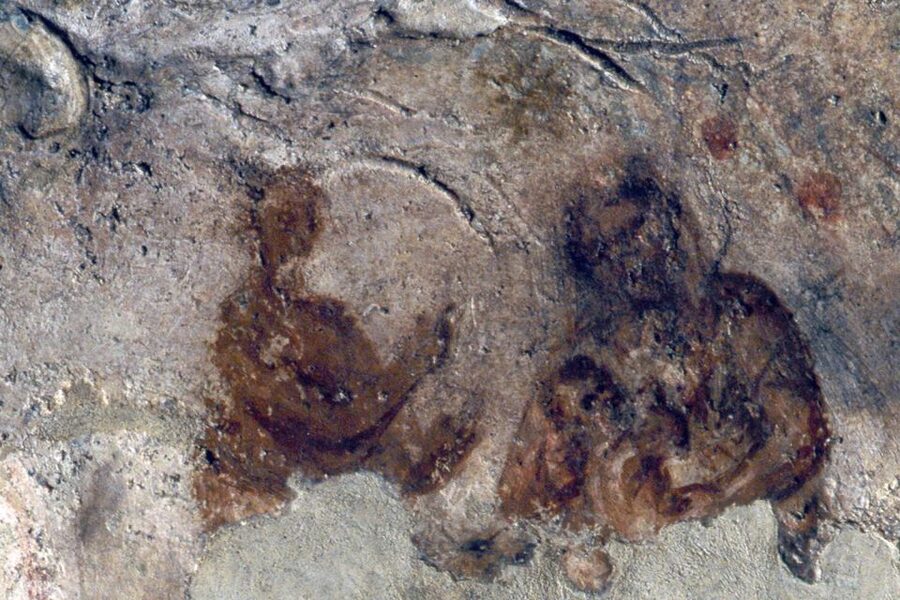
And because some areas have surviving decoration, the place does not feel like an empty dungeon. A lot of the emotion comes from seeing how early Christian art survives in places like this, sometimes with frescos and painted scenes still visible.
A few more Rome options worth a look


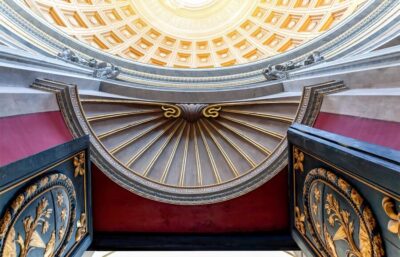

The Hypogeum of the Acili and the Greek Chapel Connection
A standout part of the guided storytelling is the hypogeum of the Acili. This area began as a cistern of water, then later became connected to the burial complex. What makes it special is that inscriptions connected to the Acili family were found there and are exhibited.
So your guide is doing two things at once. They point out how the site was re-used, and they show you how names, records, and family identity show up underground. It is a reminder that burial sites were also social and historical markers.
From there, the tour connects to an adjacent underground environment, the cryptoporticus, linked to the catacomb complex and including the Greek Chapel area. Your guide uses these connections to help you understand the broader context of how the burial grounds and nearby areas were related.
The People You Hear About: Felice, Filippo, and the Popes
This tour gets personal fast because the catacombs are tied to named figures. You are not just learning general “early Christian” ideas. You are hearing about specific martyrs and church leaders connected to Priscilla.
Among the martyrs buried there, your guide focuses on the brothers Felice and Filippo, along with their mother St. Felicita. The story also includes their other brothers: Alessandro, Marziale, Vitale, Silano, and Gennaro. You will also hear that these martyrs are remembered in connection with persecution, likely during the reign associated with Diocletian.
Then the tour expands to include multiple popes buried in Priscilla, including Marcellino, Marcello, Silvestro, Liberius, Siricius, Celestino, and Vigilius. That detail matters. It turns Priscilla from a family burial location into part of a bigger institutional memory.
Even if you come with only basic knowledge of early Christianity, these names give you handles to hold onto while you walk.
Frescoes and Early Christian Art: What You Might See
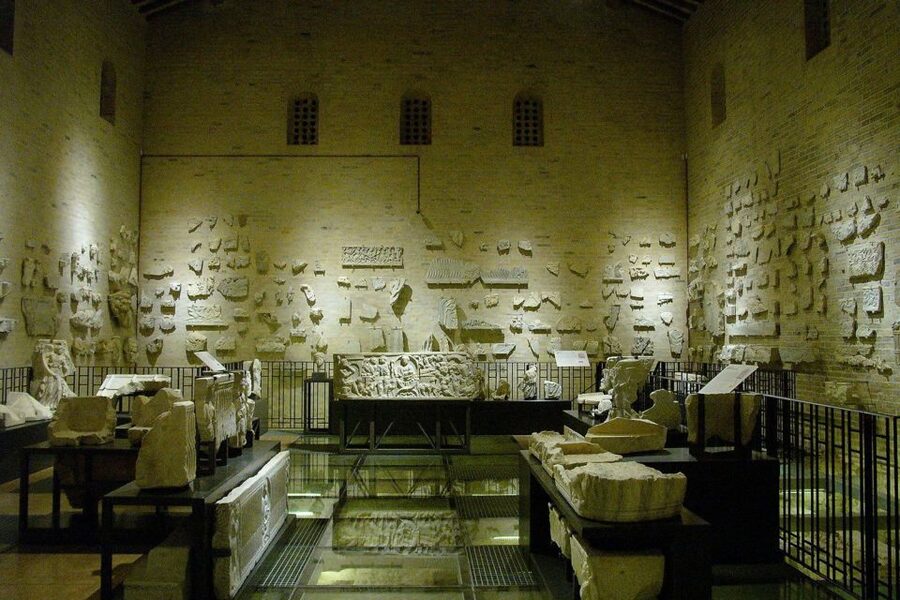
The most praised part of the experience is the art. Many people highlight how special it feels to see ancient Christian frescoes and painted imagery preserved for centuries. Some visitors call out artwork connected to themes like Mary and the Child, and your guide may point out particularly important images in the route.
One important reality check: you cannot rely on phone photos to preserve this. Photography is not allowed inside, so you need to slow your attention down and actually look. If you are used to snapping pictures constantly, plan to switch gears here.
Also, expect a “cool and close” atmosphere. Underground spaces keep temperatures down, but the walls are near enough that you can feel how the place was designed for closeness and continuity, not crowds.
About the Guide: Small Group Energy and Real Explanations
A huge part of the satisfaction on this tour comes from the guide experience. The tour offers live interpretation in Italian, English, or Spanish, and the group stays small enough to keep the conversation real.
In the route, guides often bring extra context, answer questions during pauses, and keep things moving without rushing. You may also meet guides like Sister Lydia or Sister Lidia, and other guides whose names have been shared, like Clara or Alexandra. What matters most is the approach: they use humor and clarity to make the art, burial practices, and names feel understandable instead of academic.
If you care about early Christian art or the archaeology side of history, this is where you get value for the ticket price, because you are not just listening to dates. You are hearing how the site functioned.
Practical Tips So Your 45 Minutes Feel Comfortable
This is not a long tour, but it is a tour you should prep for.
- Bring a light layer. Underground air can feel cooler than you expect on a Roman day.
- Wear shoes with good grip for uneven stone and stairways.
- Keep your stroller situation sorted. Baby strollers are not allowed.
- Leave time buffer for getting to the ticket office. The rule is to show up 10 minutes early.
- Go with the right mindset. You are not going to “see everything.” You are going to get a guided path through the most meaningful zones.
And remember, the corridors can be narrow. The small group limit is there for a reason, so treat it like a focused visit rather than a free roam.
Who This Tour Suits Best (and Who Should Rethink It)
You will likely love this tour if you want:
- Early Christian art and burial practices explained in plain language
- A quieter alternative to the biggest Rome highlights
- A short, high-impact activity that fits into a packed day
This is also a strong pick if you like archaeology and want a “working site” feel. People often comment on how the area remains connected to ongoing exploration.
You should reconsider if:
- You need wheelchair-friendly access, because the tour is not suitable for people with mobility impairments
- You rely heavily on photography to remember places, because photos are forbidden indoors
- You cannot handle tight, enclosed spaces and low light
What Makes Priscilla Worth Choosing Over Other Catacombs
Rome offers several catacomb options, but Priscilla has a specific personality. The story is tied to the Acili family through inscriptions in the hypogeum area, and it is also tied to named martyrs and multiple popes. That blend gives you both art and identity, and it helps you understand why this site mattered.
It also feels less like a mass-market stop. The vibe is more like a guided walk through an excavated world than a staged attraction, which is exactly what you want when you are paying attention to history.
Should You Book the Catacombs of Priscilla Guided Tour?
Yes, if you want a focused, meaningful Underground Rome moment with early Christian frescoes, a strong historical guide, and a small group size that keeps the experience personal.
Skip it only if mobility access is a concern or if photography is a must for you. If you are flexible, arrive early, and go in ready to look instead of shoot photos, this is great value for money and a genuinely different kind of Rome memory.
FAQ
How long is the Catacombs of Priscilla guided tour?
The tour lasts about 45 minutes.
What is included in the ticket price?
Your ticket includes the entrance to the Catacombs of Priscilla and a guided tour.
Where is the meeting point?
You should go directly to the ticket office of the catacomb and show your reservation at least 10 minutes before the scheduled tour.
What languages are offered for the guided tour?
The live tour guide is available in Italian, English, and Spanish.
How large is the group?
The group is small, limited to 10 participants.
Is photography allowed inside the catacombs?
No, photography is not allowed inside.
Is the tour suitable for people with mobility impairments?
No, it is not suitable for people with mobility impairments.
Is there free cancellation?
Yes. You can cancel up to 24 hours in advance for a full refund.
Latest additions from Rome
- Guided Tour Vatican Museums & Sistine Chapel★ 4.1 · 30 reviews
- Exclusive Rome by Night Vespa Tour★ 5.0 · 30 reviews
- Transfer Rome to Airports★ 4.5 · 30 reviews
- Vatican: St.Peter’s Basilica & Dome – Reserved Entry & Tour★ 4.1 · 30 reviews
- Rome street art tour: off the beaten path with a local guide★ 5.0 · 30 reviews
- Tivoli, Hadrians Villa and Villa d’Este, a charming day trip from Rome★ 4.5 · 30 reviews
- Rome Food Tasting with Wine Pairing Italian Authentic Flavors★ 5.0 · 31 reviews
- Inspirational Cooking on the Roman Chef’s Panoramic Terrace★ 5.0 · 30 reviews
Catacombs of Rome Tours, compared.
Capuchin Crypts and Catacombs Tour with Transfers
Read our review →
The Original Roman Crypts and Catacombs Tour with Transfers
Read our review →
Catacombs of St. Callixtus Entry Ticket & Guided Tour
Read our review →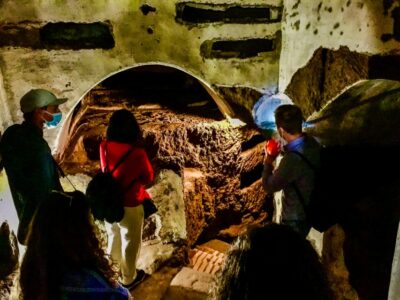

Catacombs and Capuchin Crypt Guided Tour with Transfer
Read our review →
Appian Way & Aqueducts E-Bike Tour (Catacombs & Food)
Read our review →
Appian Way, Catacombs, & Roman Aqueducts E-bike Tour
Read our review →Browse the lists this tour appears in