
Reviewed · ROME GHOST AND MYSTERY TOURS
Rome: Angels and Demons, the illuminati path
Dan Brown fans love this kind of Rome storytelling. It ties the city’s biggest sights to the Angels and Demons plot and gives you a guided way to spot what you might otherwise miss. The best part is how quickly you move from one iconic scene to the next, with stops that feel built for photos and questions.
I especially liked the St. Peter’s Square start, because it turns that Bernini-designed stage set into something you can actually picture from the novel. I also like the balance of big-world-famous monuments with one very specific art moment at Santa Maria della Vittoria, where the guide can connect the religious themes to what’s right there in front of you.
One drawback to keep in mind: it is a 2-hour format with mostly short visits, so you should not expect slow museum pacing or deep time in every site. If you want long, ticket-based time inside major churches, plan that separately.
In This Review
- Quick takeaways before you go
- Why this Angels and Demons path works in Rome
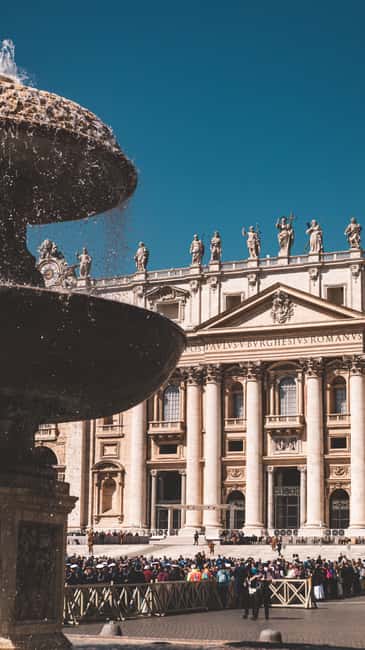
- St Peter’s Square: where the tour sets the tone
- Castel Sant’Angelo: fortress views and plot-ready drama
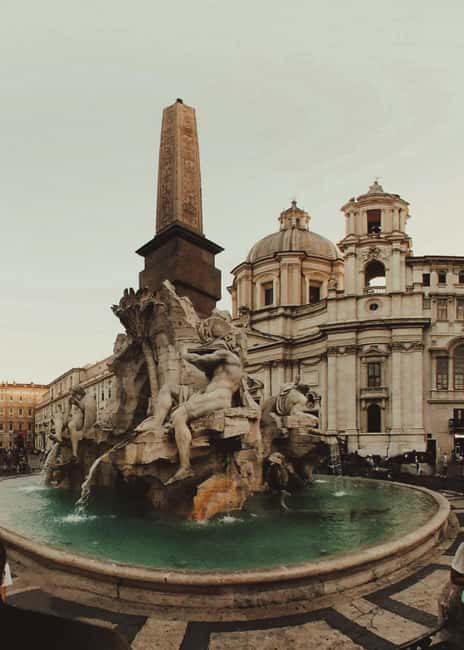
- Piazza Navona and the Four Rivers Fountain
- Pantheon: dome grandeur and the Agrippa connection
- Santa Maria della Vittoria: Bernini’s moment of emotion
- Price and timing: what $66 buys you
- The guide quality swing: what to watch for
- Getting the most out of the Illuminati-style connections
- Is this the right fit for you?
- Should you book this Angels and Demons tour in Rome?
- FAQ
- Where do we meet for this tour?
- How long is the Rome Angels and Demons tour?
- What language is the live guide available in?
- What’s included in the ticket price?
- Is transportation included?
- Is the tour suitable for wheelchair users?
- Final call: should you book?
Quick takeaways before you go
- Small group (max 10) keeps questions moving and helps the guide tailor answers
- $66 for about 2 hours is fair value for a tightly packed set of Rome icons
- Illuminati-style storytelling adds meaning to places you would otherwise treat as quick photo stops
- Bernini highlights show up more than once, from the square to the baroque church art
- Pace is brisk, so wear good shoes and expect brief guided looks
Why this Angels and Demons path works in Rome
Rome is the original special effects city. Even without the novel, the skyline does half the work: domes, obelisks, fortresses, and baroque churches all look like they were designed for drama. This tour leans hard into that feel, using the Angels and Demons storyline as a map, so you get a reason to pay attention beyond, this is old.
The value here is not just that you hit famous places. It’s that each stop comes with a focused story angle, usually centered on symbols and sacred power in the city. In one of the best guides I saw mentioned, Felice was calm, patient, and clearly comfortable answering lots of questions, which is exactly what you want when a theme is secret codes and history that can get complicated fast.
The flip side is that the format is short. If your idea of a great tour is lots of time to wander and stop for side streets, this is more of a guided sprint through the classics.
Other walks through Rome after dark:
- Haunted Rome Ghost Tour – The Original
★ 4.5 · 668 reviews - Rome: Haunted City Night Walking Tour
★ 4.9 · 616 reviews - Haunted Rome Ghost Night Walking Tour
★ 5.0 · 495 reviews - Rome: Illuminati Trail Angels & Demons Tour
★ 4.3 · 414 reviews
St Peter’s Square: where the tour sets the tone
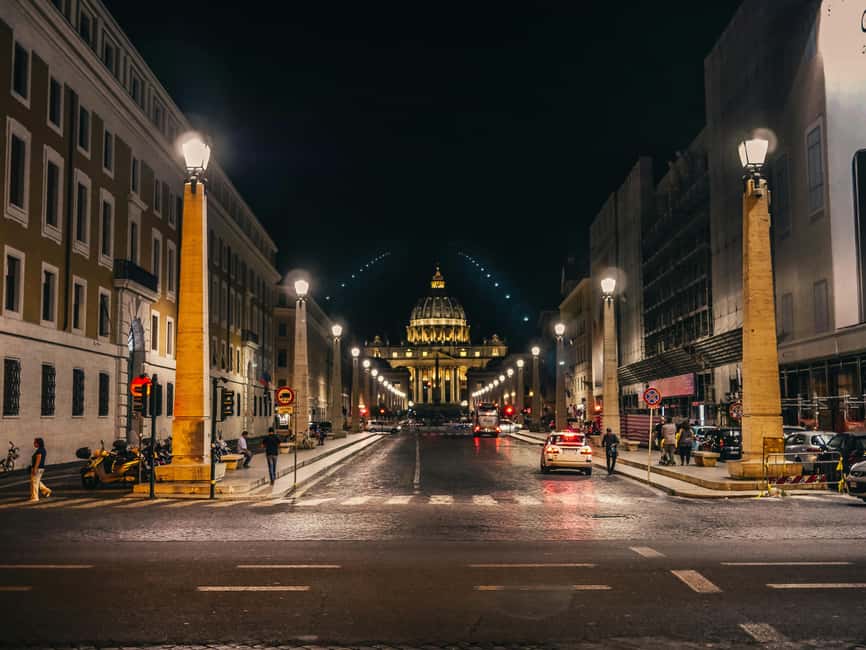
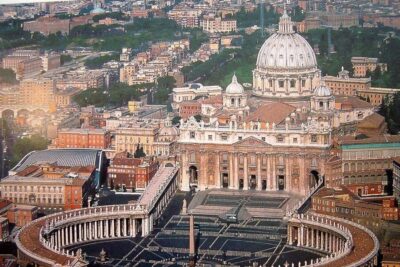
You begin at St. Peter’s Square, meeting in front of the Obelisco in Piazza San Pietro. That matters because the square is the kind of place where one wrong direction makes it feel like just another big plaza. Standing at the right spot helps you see why it’s so often described as a theater for major moments.
From there, you’re oriented to the Basilica of St. Peter and the Bernini square design, the look that people instantly associate with Vatican scenes. The guide’s job is to connect the visual cues to the Angels and Demons atmosphere, so you’re not only looking at architecture, you’re also learning what to look for next.
A practical note: even if the tour is billed as an experience around the novel, you’ll still want to respect the real religious setting. Dress appropriately, keep your phone use quick, and listen when the guide explains what you are seeing.
Castel Sant’Angelo: fortress views and plot-ready drama
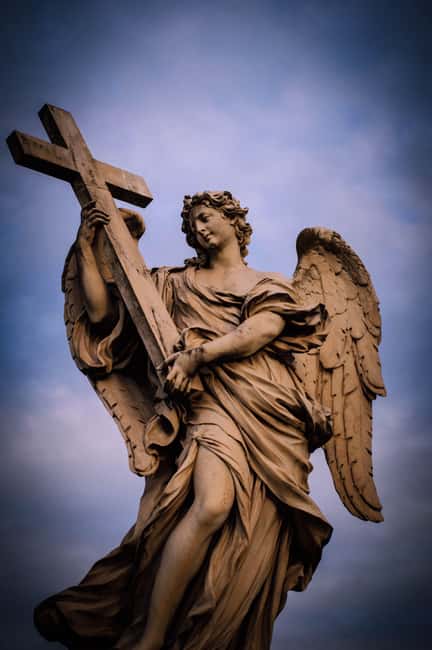
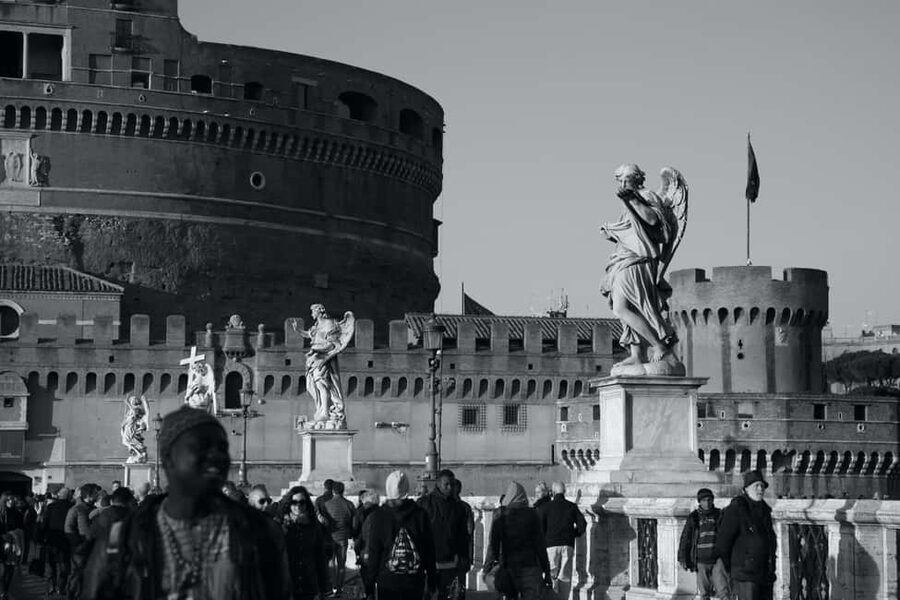
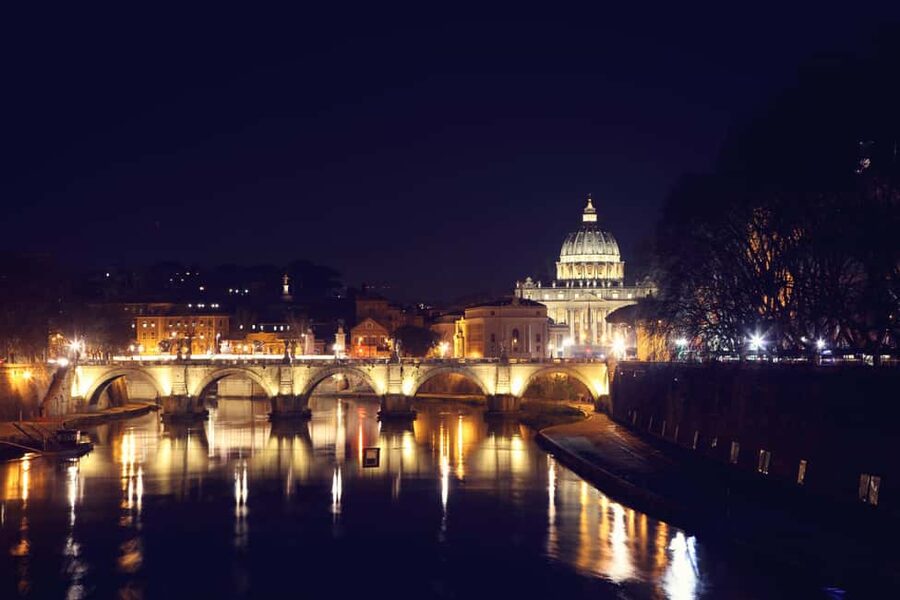
Next comes Castel Sant’Angelo, the stone fortress that watches over the Tiber. This stop is built for that “power and escape” mood the book is known for, because the structure is hard to ignore and the river views help you understand how it could function as a dramatic hideout.
You’ll get a photo stop plus a guided moment, about 15 minutes. That’s enough time to learn what the fortress represents historically, without pretending this is a full deep-dive into every era. If you’re the type who loves angles and geography, you’ll appreciate how the location itself supports the story.
Tip for your photos: stand where you can see both the fortress mass and the river line. If you only photograph the building from one close perspective, you miss what makes Castel Sant’Angelo feel like a strategic checkpoint.
Piazza Navona and the Four Rivers Fountain
Then the tour shifts from fortress seriousness to baroque spectacle at Piazza Navona. This is one of Rome’s most recognizable squares, with that open, lively layout that makes it easy to understand why it works so well as a scene setting.
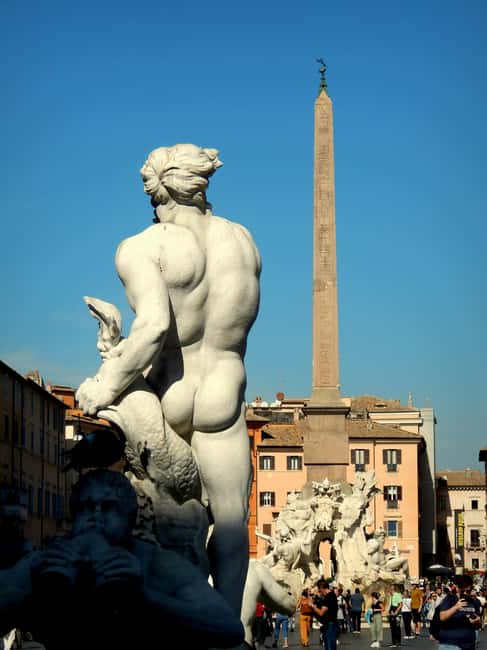
The big highlight is the Fountain of the Four Rivers by Gian Lorenzo Bernini. The guide points out details and curiosities, which is exactly how you get more out of a fountain than, it looks impressive. You learn what each element communicates and why this kind of fountain art became such a public statement in Rome.
Timing is short here, around 10 to 15 minutes depending on how the tour flows. If you’re hoping to sketch or linger for long, you may feel rushed. If you’re a photo-first person, you’ll be in good shape.
Pantheon: dome grandeur and the Agrippa connection
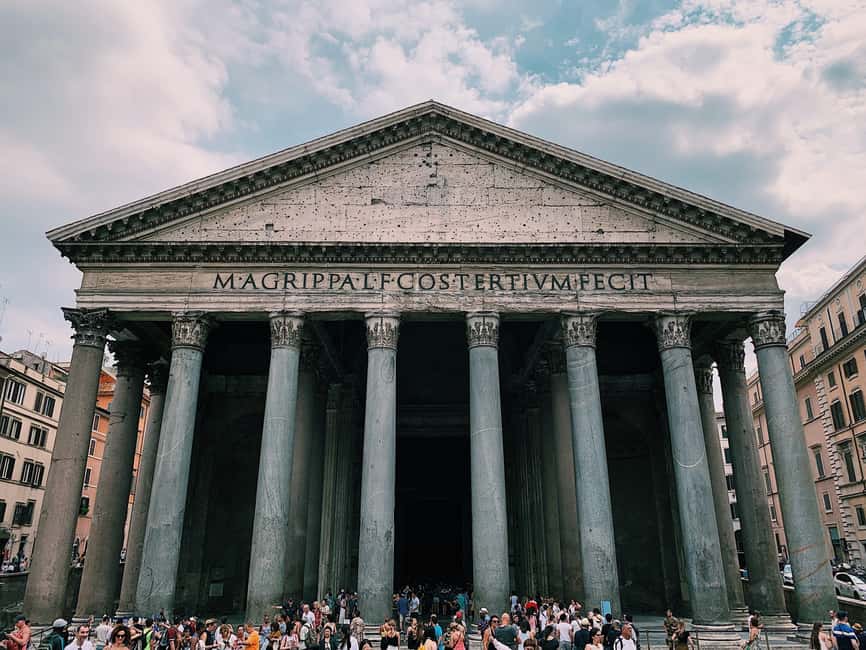
The tour heads to the Pantheon, one of the most preserved ancient monuments in Rome. What I like about adding this stop is that it breaks the “only modern religious drama” feeling. You get an older layer of Rome where symbolism still matters, just expressed through architecture.
The guide discusses the Pantheon’s Agrippa temple connection and related legends, then brings you into the experience of the space itself. The dome is the star here, but the value is in learning how the building works as a visual argument: scale, geometry, and the sense of designed order.
This is not a site you should approach like a checklist. Even in a short visit, the Pantheon tends to reset your brain. You start noticing how people used to build awe on purpose, not just by accident.
One consideration: access rules and site traffic can affect how much time you get inside during a walking tour. Keep expectations realistic. In a 2-hour tour, you’re there to capture the essential story beat, not to stay for a long, independent visit.
Another shape for the same afternoon in Rome:
Santa Maria della Vittoria: Bernini’s moment of emotion
The last landmark stop is Santa Maria della Vittoria, a famous baroque church tied to a memorable scene in Angels and Demons. This is where the tour leans into feeling as well as symbols.
You’ll see Bernini’s Ecstasy of Saint Teresa, one of the most talked-about artworks in Rome for a reason. The guide’s explanations help you understand why this work became so influential and how baroque art used emotion, movement, and light to communicate spiritual intensity.
This stop also feels more “tour-friendly” than some of the other larger churches, because the story connection is clear and the focus is specific. The guided time is around 20 minutes, which gives you a better chance to actually look, not just glance and move on.
After that, the tour finishes around Repubblica. That’s a handy landing spot if you want to keep walking on your own, grab a meal later, or connect to other parts of the city.
Price and timing: what $66 buys you
At $66 per person for about 2 hours, you’re paying for direction, pacing, and a themed guide, not for a ticket-heavy day. The tour includes a bottle of water and is described as an exterior visit type experience, even though the plan also calls out interior looks at some sites. Either way, you should treat it as a guided walk with short guided moments rather than a full museum-style commitment.
Here’s how to judge value for yourself. If you already know the book, the guide’s symbol spotting can feel like a cheat code. If you only kind of know the story, you still get a strong Rome starter set, but you might wish the guide spent slightly more time on the real-world art and less time on the novel plot connections.
Duration matters too. Two hours goes fast with multiple stops. This tour is best if you want a morning or late afternoon dose of major icons, then you plan your deeper ticketed visits separately.
The guide quality swing: what to watch for
This tour seems to live and die by guide communication. One guide name comes up strongly: Felice, praised as calm, patient, and very good at answering lots of questions, including for a 10-year-old. That tells me the tour can be family-friendly if the guide is dialed in.
On the other hand, I would not assume every run will feel equally detailed. If you care about the novel angle, you may want to be ready to ask pointed questions early, especially at the St Peter’s Square start. Early clarification helps you avoid leaving the tour feeling like it was just walking with vague references.
Also, if you are sensitive to language nuance, the tour runs in English and Italian, but the quality can vary by guide. Show up on time, listen closely, and if needed, ask a simple question like what symbol you should focus on next.
Getting the most out of the Illuminati-style connections
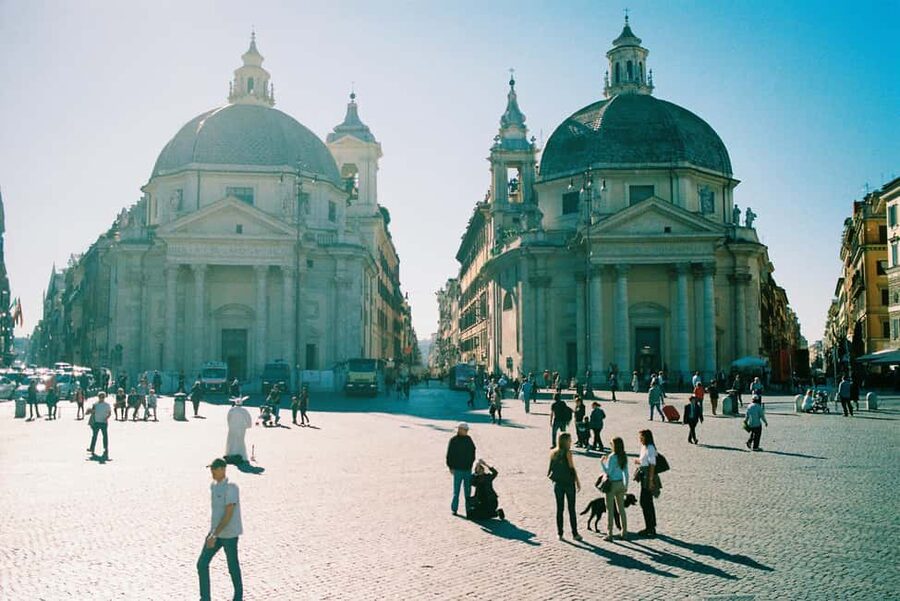
If you want this to feel more than a famous-place hop, do three simple things.
First, treat each stop like a visual puzzle. At St Peter’s Square, look for the square layout and what the guide points out. At the Four Rivers Fountain, spend those extra 30 seconds noticing the details. At the Pantheon, let the dome catch your eye before you rush to photos.
Second, keep your expectations tuned to the format. This is not a full guided church immersion day. You get guided looks, photo stops, and short explanations, then you move.
Third, bring comfy shoes and plan your next move. You finish near Repubblica, which is convenient for further sightseeing, but only if your legs can handle the walking and standing around.
Is this the right fit for you?
This tour is a great match if you are:
- a fan of Angels and Demons who wants Rome landmarks tied to the story
- the kind of traveler who likes symbols, baroque art, and architecture explained in human terms
- traveling with a small group, where you can ask questions without feeling lost in the crowd
It may not be ideal if you:
- want long time inside major sites, especially if you hoped for museum-level depth
- need step-free access, since it is not suitable for wheelchair users
- dislike brisk pacing and prefer wandering at your own speed
Also, if you want food included, it’s not. Plan a snack strategy or a proper meal before or after.
Should you book this Angels and Demons tour in Rome?
Book it if you want a compact, high-impact Rome experience with a strong thematic guide and you like seeing how storytelling can sharpen your attention to real art and architecture. The St Peter’s Square start, the Four Rivers Fountain, and the Bernini art stop at Santa Maria della Vittoria give you several “I get it now” moments even in a short timeframe.
Pass or consider a different style of tour if you’re chasing deep, slow, ticket-heavy exploration. This one is for getting your bearings fast, learning key symbols, and then continuing your Roman day on your own.
If you do book, I’d show up at the Obelisco meeting point early, come with one or two questions ready, and treat this as your story-guided intro to Rome, not the final word on any single site.
FAQ
Where do we meet for this tour?
You meet in front of the Obelisco in Piazza San Pietro.
How long is the Rome Angels and Demons tour?
The duration is 2 hours.
What language is the live guide available in?
The live guide offers English and Italian.
What’s included in the ticket price?
It includes a bottle of water and an exterior visit.
Is transportation included?
No, transport is not included.
Is the tour suitable for wheelchair users?
No, it is not suitable for wheelchair users.
Final call: should you book?
If you want a short, themed Rome walk that hits major monuments with guided explanations, this is an easy yes. Just remember it is a 2-hour experience with short visits, so you’ll want separate time for any site you feel like exploring slowly on your own.
Latest additions from Rome
- Guided Tour Vatican Museums & Sistine Chapel★ 4.1 · 30 reviews
- Exclusive Rome by Night Vespa Tour★ 5.0 · 30 reviews
- Vatican: St.Peter’s Basilica & Dome – Reserved Entry & Tour★ 4.1 · 30 reviews
- Transfer Rome to Airports★ 4.5 · 30 reviews
- Rome street art tour: off the beaten path with a local guide★ 5.0 · 30 reviews
- Tivoli, Hadrians Villa and Villa d’Este, a charming day trip from Rome★ 4.5 · 30 reviews
- Rome Food Tasting with Wine Pairing Italian Authentic Flavors★ 5.0 · 31 reviews
- Inspirational Cooking on the Roman Chef’s Panoramic Terrace★ 5.0 · 30 reviews
Rome Ghost and Mystery Tours, compared.
Small Group Rome’s Dark Side – Ghosts & Legends Tour
Read our review →
Dark Heart of Rome – Facts, Legend & Mystery Walking Tour
Read our review →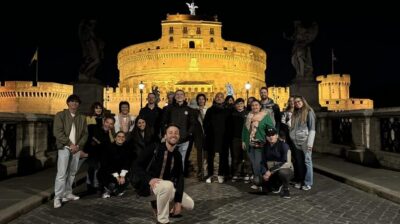
Ghosts, Legends & Mysteries of Rome Tip-Based Walking Tour
Read our review →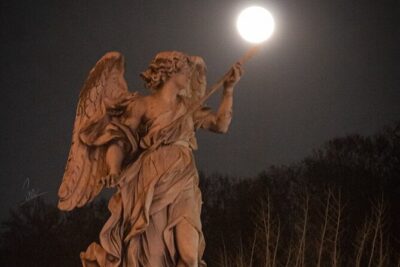
Ghosts Legends and Mysteries of Rome Walking Tour
Read our review →Browse the lists this tour appears in