Reviewed · AUDIO TOURS
Rome: Ancient Baths of Caracalla Ticket & Audio Guide
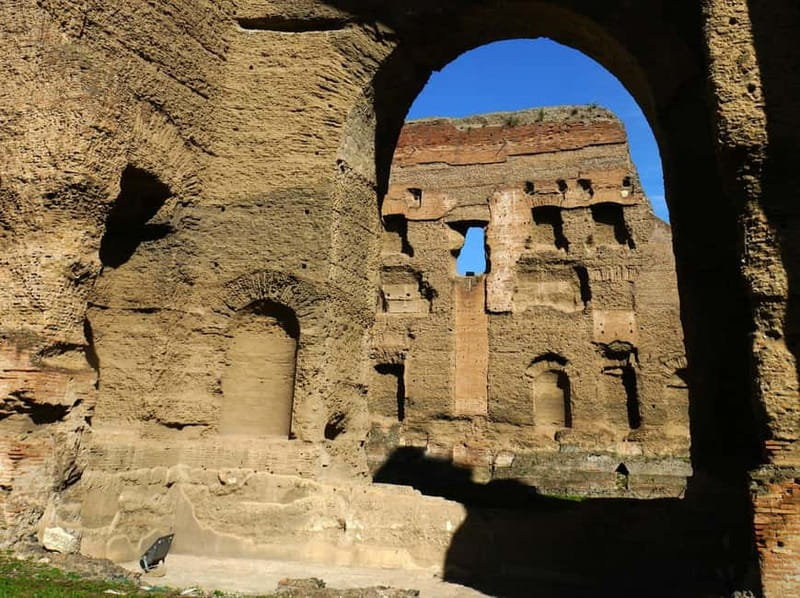
Caracalla’s baths are huge, and that’s the point. This ticket gets you into one of Rome’s biggest imperial bath complexes and lets you wander a 17-point route with an included audio guide. I like the way the experience explains the hypocaust heating system in plain language, and I also love the chance to pause for close-up looks at mosaics and marble-like decoration. The main downside is practical: if your phone audio or app setup is shaky, you may feel lost in the ruins, and some areas can be closed for maintenance in certain seasons.
The Baths of Caracalla were built under Septimius Severus and Caracalla, and they were open to the public. You will get a self-paced circuit, not a sit-and-listen lecture, plus multilingual commentary in English, German, French, Italian, and Spanish.
Plan a simple visit: good shoes, your own headphones, and a charged smartphone. And dress for ancient Rome rules, not modern comfort, because flip-flops, shorts, and sleeveless tops are not allowed.
In This Review
- Key Things I’d Focus On Before You Go
- Baths of Caracalla, Not Just Ruins
- Your Ticket and the Real Value of the Audio Package
- Walking the Site: How the 17 Stops Work in Real Life
- The Hypocaust System: The Engineering That Makes the Baths Make Sense
- Mosaics, Marble-Like Surfaces, and the St. Peter’s Connection
- What Fits Best: Who This Audio Ticket Is For
- Practical Prep: Dress Code, Headphones, and Getting Your Bearings
- Photo Tips Without Missing the Point
- Should You Book This Baths of Caracalla Audio Ticket?
- FAQ
- How long is the Baths of Caracalla ticket and audio guide experience?
- What is included with the ticket?
- Do I need to bring headphones?
- What languages are available for the audio guide?
- Where do I go to enter the site?
- Is the visit wheelchair accessible?
- What should I wear to enter the Baths of Caracalla?
- How do I get the ticket and download the audio guide?
Key Things I’d Focus On Before You Go
- A 17-point self-guided circuit so you can move at your speed
- Hypocaust heating explained so you actually understand the engineering
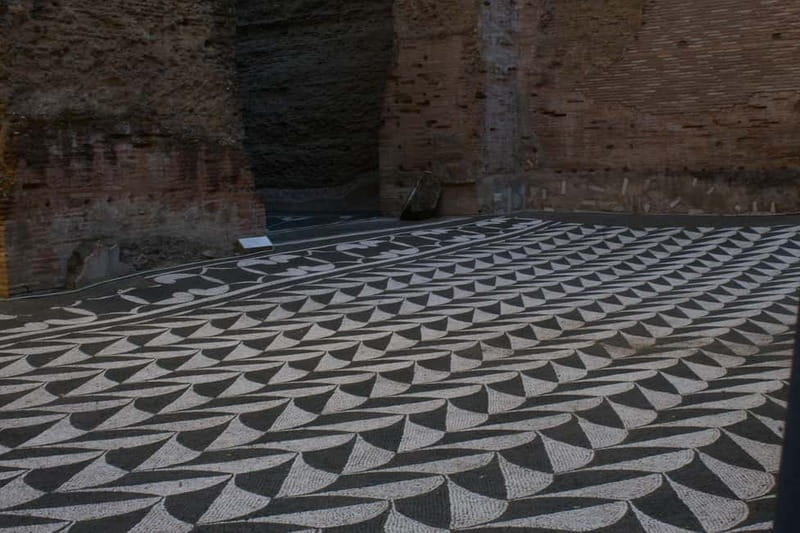
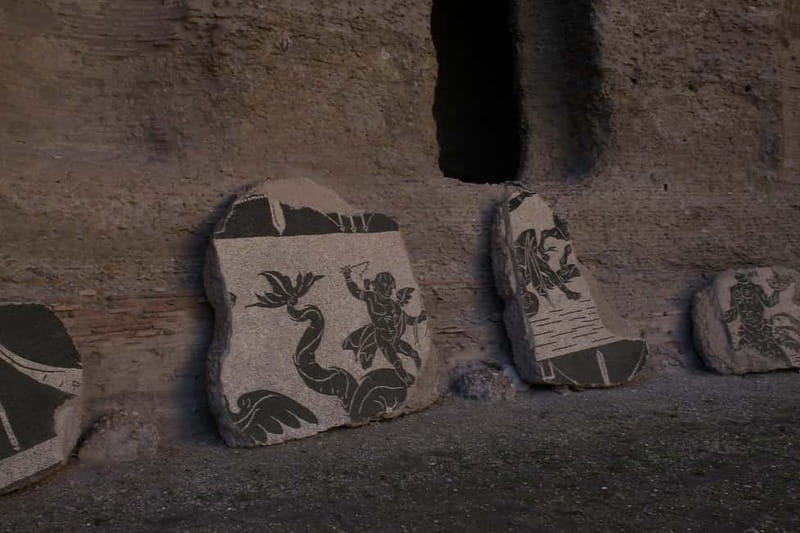
- Time for mosaics and preserved decoration without rushing
- See the swimming pool area as part of the route, not as an afterthought
- A hypocaust to St. Peter’s story through reused bath stone
- Audio runs on your phone so plan for battery and headphones
Baths of Caracalla, Not Just Ruins
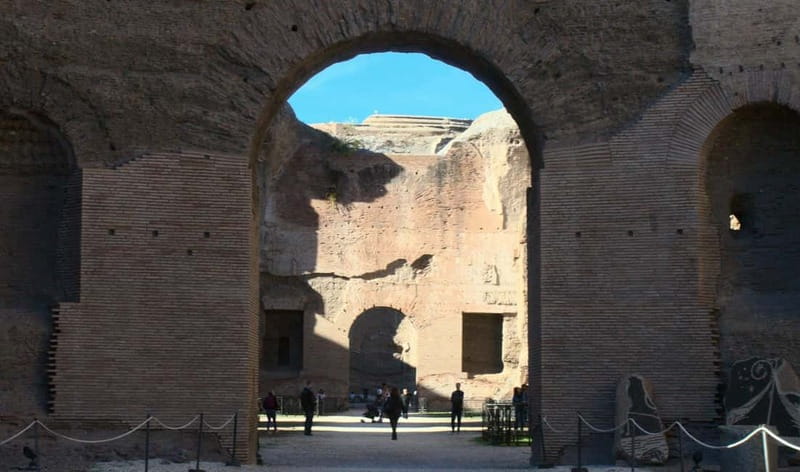
If you’ve only seen Rome’s big-ticket monuments, Caracalla can feel like a different kind of wow. It is not about one perfect facade. It is about scale and function. The ruins show how everyday life worked for Romans who came for bathing, exercise, and relaxation.
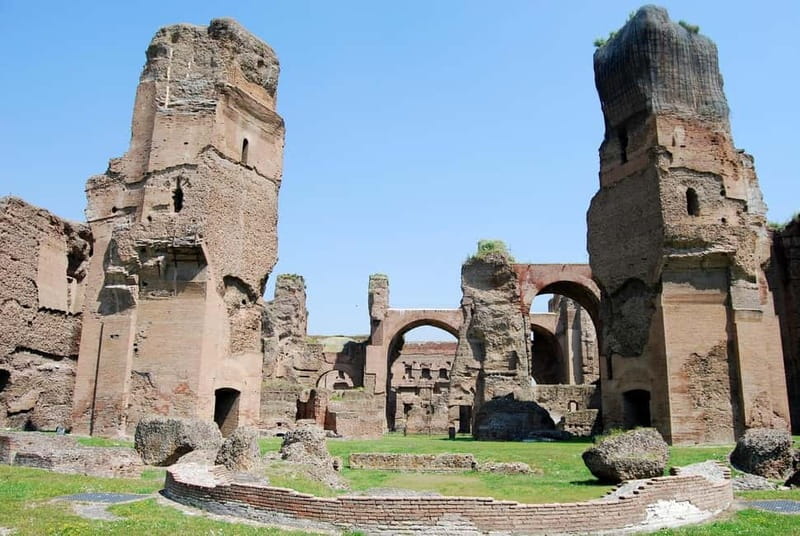
This is one of the seven wonders of Rome, and it helps that it is the second largest imperial Roman bath complex. You can walk the grounds, spot where rooms once served different temperatures, and then watch the audio guide bring it to life with the right level of detail. You are not staring at random wall fragments. You are reading a system.
The best part is that you do not need a group pace. You can spend longer in the areas that grab you, especially the preserved mosaics and decorative surfaces. If you like architecture, engineering, or just understanding how people lived, the audio angle fits well.
More of Rome walked on your own clock:
- Rome: Colosseum & Forum with Audio Guide App -Optional Arena
★ 4.2 · 24,770 reviews - Colosseum, Roman Forum & Palatine Hill with Audioguide App
★ 4.4 · 6,291 reviews - Vatican & Sistine Chapel Ticket with Optional Audio Guide
★ 4.1 · 5,405 reviews - Rome: Pantheon Priority Entry Ticket & Interactive App
★ 4.1 · 5,114 reviews
Your Ticket and the Real Value of the Audio Package
The advertised price is about $20 per person, and it includes entry plus an audio guide. Here’s the value logic: the ticket itself is one piece, but the experience depends heavily on the commentary.
A common trick with archaeological sites is to let your imagination do the heavy lifting. The Baths of Caracalla are easier to understand when someone points out what you are looking at. With this setup, you get a guided-feeling visit without the schedule pressure. You also get multilingual audio for the baths and audio commentary for Rome landmarks.
One practical thing to know: entry-only pricing can sometimes be lower if you buy on site. If you care most about the ruins and mosaics and you already have strong self-guided skills, you might prefer entry without the audio add-on. But if you want the heating-tech explanation and a structured path through the site, the packaged audio is what makes this worth your time.
At about a 2-hour visit, you are also buying time. You will not feel like you paid only to walk around empty rooms. You are paying to understand what that empty space meant.
Walking the Site: How the 17 Stops Work in Real Life
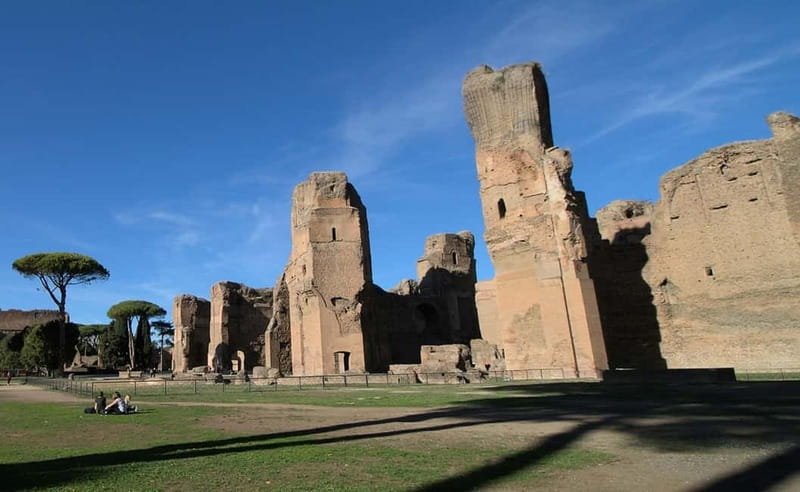
You will go straight to the main entrance at Viale delle Terme di Caracalla, 00153 Rome. From there, the audio guide guides you through an on-your-own route with points of interest, totaling 17.
This style of visit is excellent for two reasons. First, you can pause. Second, you can backtrack without making anyone else wait. In a complex like this, that matters. Even with clear signage, your brain needs repetition, and audio helps you build it.
Here is what the route experience feels like as you move through:
- Starting on the main circuit: You settle in quickly, because the audio tells you what you are standing in front of and why it mattered.
- The swimming pool area: This is one of the big visual anchors. Seeing it during your audio loop gives you context for how the bath routine would have worked.
- Gymnasium and leisure spaces: The complex included areas for physical activity and recovery. The commentary helps you connect those zones to daily Roman habits, not just the bathing part.
- Massage rooms and relaxation areas: These parts can be easy to walk past when you are focused on large mosaics. Audio makes them feel purposeful.
- Mosaic and decorative zones: You can stop and photograph without feeling guilty about missing a bus that requires a group to wait.
- The hypocaust and heat infrastructure: As you move toward the heating explanation, you get the payoff. This is where the ancient engineering stops being a buzzword and becomes something you can picture.
A fair warning based on real-world friction: because the audio runs on your mobile, if your headset is missing, your phone battery is low, or the download step does not finish before you arrive, your experience can feel less magical. Plan for that up front, and the self-guided format usually lands well.
The Hypocaust System: The Engineering That Makes the Baths Make Sense
If you take only one thing from this visit, make it the hypocaust. This is the Roman underfloor heating method, and it is the core technology behind how the baths were kept warm.
What I like about the audio here is that it turns a complicated system into something you can follow without a physics degree. You are not just told that it existed. You learn how heat could be produced and distributed through the space.
At Caracalla, the hypocaust theme matters because it explains why the site was more than an architectural shell. This was a machine for comfort. Romans built infrastructure to control temperatures and keep water and rooms at the right levels for the bathing routine.
For your visit, this means your eyes will stop on details you might otherwise miss. You’ll be more alert to the layout, the direction of airflow and heating spaces, and how rooms connect to the system. It is also a great moment to slow down. Audio makes more sense when you are standing still and looking at the same section the narrator references.
Mosaics, Marble-Like Surfaces, and the St. Peter’s Connection
The Baths of Caracalla are a feast for the camera, but the better play is to use photos as memory prompts. The mosaic areas are worth lingering near because the preserved decoration gives you clues about style and status.
One of the most interesting historical angles is that stones from the baths were eventually used to construct St Peter’s Basilica. That link helps you zoom out. You are not only looking at a site that is old. You are looking at material that traveled forward through time into one of the most famous churches in the world.
In practical terms, the audio approach helps you understand why those stones and surfaces mattered. Without context, mosaics can look pretty but random. With context, you notice how decoration and architecture worked together to create a leisure experience that felt special.
If you’re the type who likes to find the “why” behind the “what,” this is one of those visits that rewards attention. If you’re simply chasing the biggest sights, the mosaics and the St. Peter’s story may be your favorite surprise moments.
Other Roman routes narrated as you go:
What Fits Best: Who This Audio Ticket Is For
This is not a fast, photo-only stop. It is a 2-hour self-paced route that works best when you like understanding what you see.
You will likely enjoy it if:
- You want a structured visit but hate strict group schedules
- You care about engineering and how ancient Romans solved real problems
- You enjoy close-up viewing of mosaics and preserved decoration
- You prefer a guided voice that you control, stop when you want, and replay if needed
It may feel frustrating if:
- You dislike phone-based audio (this one uses your mobile and needs headphones)
- You want a full live guide who can answer questions on the spot
- You are visiting in a season when some areas are closed for restoration or renovation
Also, winter can change the experience. Some portions of the site can be closed for work, so your “perfect loop” might be shortened. In warmer months, you may have more open space and smoother walking. If your trip timing is flexible, that is worth considering.
Practical Prep: Dress Code, Headphones, and Getting Your Bearings
This visit has a few non-negotiables that can make or break the day.
Dress code matters. No flip-flops, no shorts, no sleeveless tops. Bring comfortable shoes, and dress in layers because you are walking through outdoor ruins.
Your headphones are required. Headsets and the mobile device are not included. You will bring your own headphones and use your smartphone.
Download before you arrive. You get an e-ticket available for download and sent via WhatsApp within 24 hours of your travel date. Then you scan the QR code on your voucher to download the audio guide before arrival. If you show up without the audio ready, you may waste time troubleshooting on site.
Based on common on-the-ground issues, I recommend a simple checklist:
- Phone battery charged before you leave
- Headphones in your bag, not at home
- Audio downloaded from the QR step ahead of time
- Comfortable footwear, because the site is uneven in parts
The meeting point is straightforward, but wayfinding in ruins can still be confusing if you are not following the audio prompts. The trick is to let the narration lead you, then check your surroundings as you go.
Photo Tips Without Missing the Point
You can take snapshots of mosaics and artwork during the visit, and that is a smart use of time. But to get the most out of your 2 hours, do not let photography turn into wander mode.
Use the audio as your anchor:
- When the narrator points to a feature, stop, look first, then take a photo
- If you want the best mosaic shots, pause longer and reduce your walking pace
- Think of photos as documentation, not as the whole experience
If you go in with that mindset, the images you capture will have meaning. You’ll remember what you were looking at, not just that it was pretty.
Should You Book This Baths of Caracalla Audio Ticket?
If you want a self-paced, explained visit through one of Rome’s major bath complexes, I think this booking makes sense. The standout value is the audio guidance, especially for the hypocaust heating system and the way it connects leisure spaces to everyday Roman life. It is a good fit if you like structure without a tour group forcing your pace.
I would skip or reconsider if you know your phone setup can be unreliable on travel days, because this experience depends on downloading and listening. You can still visit the ruins, but without working audio, you may struggle to interpret what you are looking at.
My recommendation: book it if you want to understand the site, not just look at it. Bring headphones, download the audio before arrival, and give yourself those 2 hours to walk slowly enough to feel how the building worked.
FAQ
How long is the Baths of Caracalla ticket and audio guide experience?
The duration is 2 hours.
What is included with the ticket?
Entry to the Baths of Caracalla is included, along with an audio guide for the baths and an audio guide for Rome landmarks.
Do I need to bring headphones?
Yes. Headset and mobile device are not included, and you are asked to bring your own headphones.
What languages are available for the audio guide?
The audio guide includes multilingual commentary in English, Spanish, French, German, and Italian.
Where do I go to enter the site?
You can go directly to the main entrance at Viale delle Terme di Caracalla, 00153 Rome.
Is the visit wheelchair accessible?
Yes, the experience is wheelchair accessible.
What should I wear to enter the Baths of Caracalla?
You must follow the dress code: no flip-flops or sandals, no shorts, and no sleeveless tops.
How do I get the ticket and download the audio guide?
You receive an e-ticket available for download and sent via WhatsApp within 24 hours of your travel date. Scan the QR code on your voucher to download the audio guide before arrival.
Latest additions from Rome
- Guided Tour Vatican Museums & Sistine Chapel★ 4.1 · 30 reviews
- Exclusive Rome by Night Vespa Tour★ 5.0 · 30 reviews
- Transfer Rome to Airports★ 4.5 · 30 reviews
- Vatican: St.Peter’s Basilica & Dome – Reserved Entry & Tour★ 4.1 · 30 reviews
- Rome street art tour: off the beaten path with a local guide★ 5.0 · 30 reviews
- Tivoli, Hadrians Villa and Villa d’Este, a charming day trip from Rome★ 4.5 · 30 reviews
- Rome Food Tasting with Wine Pairing Italian Authentic Flavors★ 5.0 · 31 reviews
- Inspirational Cooking on the Roman Chef’s Panoramic Terrace★ 5.0 · 30 reviews
Audio Tours, compared.
Colosseum & Forum with Audio Guide App -Optional Arena
Read our review →
Vatican & Sistine Chapel Ticket with Optional Audio Guide
Read our review →
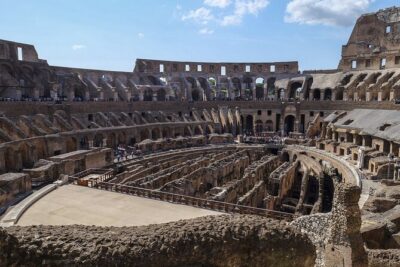
Colosseum, Forum, & Palatine Hill with Audio Guide
Read our review →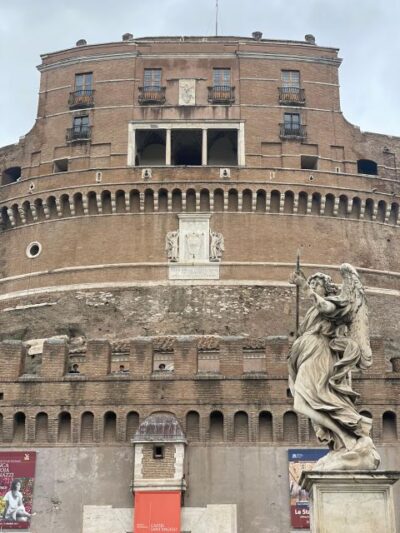
Castel Sant’Angelo Entry Ticket with Audio guide
Read our review →
Skip the Line: Vatican & Sistine Chapel Ticket with Audio Guide
Read our review →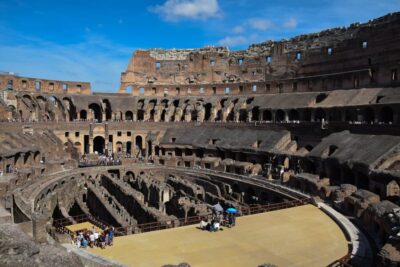
Colosseum Experience with Audio Guide and Arena Option
Read our review →