
Reviewed · FOOD TOURS IN ROME
Roman Vegetarian Food Tour
Rome tastes different when vegetables lead. This Roman Vegetarian Food Tour makes that shift feel natural, walking you through neighborhoods and flavors tied to the seasons and to how Romans used humble ingredients with real skill. I especially love the vegetable-first Roman classics approach and the way you get history tied directly to what you’re eating, from Jewish-Roman artichokes to neighborhood legends. One thing to consider: this is snack-sized over 2.5 hours, not a full lunch, so plan a real meal afterward.
You’ll keep moving with a small group capped at 10 and a 100% private guide. That matters because you’re not just collecting bites, you’re getting explanations you can actually use, like what’s in season when you visit and how each stop fits the local food story.
At Giordano Bruno Satue, the tour’s built around a simple idea: great Roman food is practical, seasonal, and made with craft. If you want meat-heavy dishes, you’ll be in the wrong place. If you want smart, tasty vegetarian Roman and Sicilian favorites plus real espresso, you’re in the right one.
In This Review
- Key things to know before you go
- A 2.5-hour Rome walk built around seasonal vegetables
- Starting at Giordano Bruno Statue, then moving into Campo de’ Fiori
- Jewish-Roman artichokes and the Ghetto flavor story
- Sicilian patisseries in Rome: cannoli pistacchio and ricotta
- Cheese’n’Pear and classic pairings that make you taste smarter
- Gelato, then espresso, and finishing with the real Roman aftertaste
- Price and value at $81 for 2.5 hours
- Included bites you can look forward to
- Who should book this vegetarian Rome tour
- Practical tips so you enjoy it more
- Should you book the Roman Vegetarian Food Tour?
- FAQ
- How long is the Roman Vegetarian Food Tour?
- Where does the tour meet?
- How much does it cost?
- What’s included in the price?
- Is alcohol included?
- What languages are available for the guide?
Key things to know before you go
- Season-first Roman food: you’ll learn how Romans turned everyday produce into standout meals.
- Jewish-Roman artichokes: a specific cultural flavor you won’t forget once you try it.
- Top patisseries focus: cannoli and homemade chocolate from acclaimed Sicilian-style stops.
- Cheese’n’Pear pairing: sweet, salty, and seasonal in one thoughtful combo.
- Gelato and espresso included: you’ll finish with dessert and a proper Italian coffee hit.
A 2.5-hour Rome walk built around seasonal vegetables
This is a walking food tour in Lazio that stays centered on traditional Roman cooking, where vegetables are not the side character. The framing is simple and smart: meat was often a weekly luxury, while peasants relied on what was available. So when you taste dishes that look humble, you also get the reason behind the flavor, the technique, and the seasonal logic.
I like that the tour doesn’t treat vegetarian food as a compromise. It treats it as the point. You’ll also be guided to notice the seasons in the produce, which changes what you experience depending on when you visit. One review specifically called out the guide’s attention to seasonality for a winter visit, and that same focus is exactly what makes the tour feel current instead of recycled.
Because the duration is 2.5 hours, it’s designed to be concentrated. You’ll eat enough to feel satisfied and to learn the “why,” but not so much that you’re stuffed for the rest of the day. Think of it as a high-impact tasting plus orientation for where to go next.
More Food Tours in Rome
- Winner 2025 Rome Twilight Trastevere Food Tour by Eating Europe
★ 5.0 · 5,157 reviews - Rome: Street Food Tour with Local Guide
★ 4.8 · 4,077 reviews - Rome Food Tour: Unlimited Tastings with Fine Wine & Barolo
★ 5.0 · 3,365 reviews - Rome Food Tour: Campo de’ Fiori, Ghetto, Trastevere Winner 2024
★ 5.0 · 3,205 reviews
Starting at Giordano Bruno Statue, then moving into Campo de’ Fiori
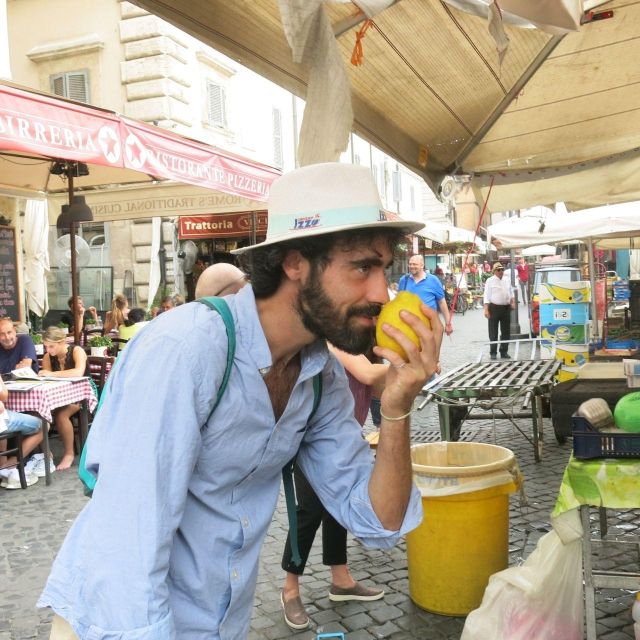
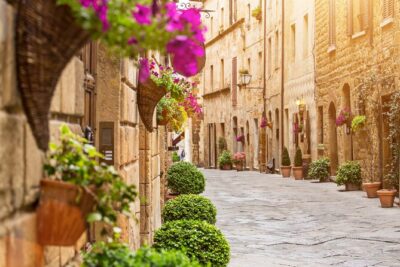
The meeting point is Giordano Bruno Satue. From there, the tour heads into central Rome with Campo de’ Fiori as a key early stop. This is a practical choice. Campo de’ Fiori is the kind of place where you can feel the pulse of daily life, and it gives your guide a natural way to talk about food traditions in a real setting, not just in theory.
In at least one group experience, the tour started at Campo de’ Fiori and then worked through central Rome on foot, keeping stops close enough that you’re not wasting time on long transfers. You also get a pace that works for learning, with time to taste, ask questions, and absorb how each neighborhood changes the food story.
Campo de’ Fiori also sets expectations for what Rome tastes like before you even reach the sweets. Expect savory bites such as Roman pizza rosso and suppli to appear early, along with vegetable dishes like fried zucchini blossom with cheese and anchovy. Even if anchovy is not your thing, the presence of it shows you how “vegetarian Roman” can still be intensely flavorful in local ways, not bland or apologetic.
Jewish-Roman artichokes and the Ghetto flavor story
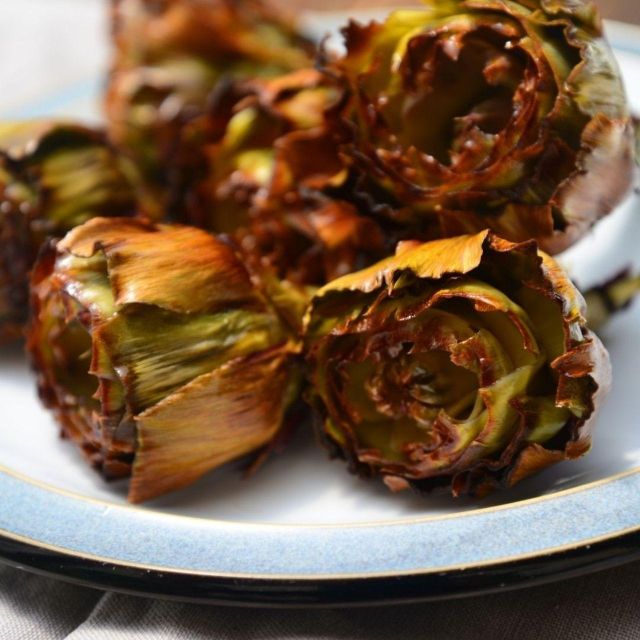
One of the most praised elements is the stop that connects cooking to community history, especially around the Jewish-Roman side of Rome. The specific highlight here is Jewish-Roman artichokes, a dish that reflects cultural fusion in a city where communities have overlapped for centuries.
What I like about this part of the tour is the framing. You’re not just told that artichokes are good. You’re shown why this pairing, this preparation, and this flavor language makes sense within Rome’s history. One review mentioned that the guide shared neighborhood context and even local legends you would not easily find on your own, and this is the kind of moment where that storytelling pays off.
Another reason this stop works well is that it tends to be memorable on a sensory level. Artichokes have a distinct taste that can range from delicate to bold depending on how they’re prepared. When a tour includes something like this, it usually means you’ll leave with a new reference point for how Roman vegetables can be cooked.
The route also includes a cultural bonus for people who like art and atmosphere. In at least one experience, the guide stopped inside a few churches to see impressive paintings. That’s not just sightseeing, it’s another layer of Rome’s everyday history, the kind of detail that makes the walking portion feel more meaningful.
Sicilian patisseries in Rome: cannoli pistacchio and ricotta
Rome is the stage here, but Sicily shows up in the cast. A major highlight is Sicilian delights during the tour, especially from one of the best Sicilian patisseries. In practice, that means you get a shift from Roman savory plates to classic Sicilian pastry craft.
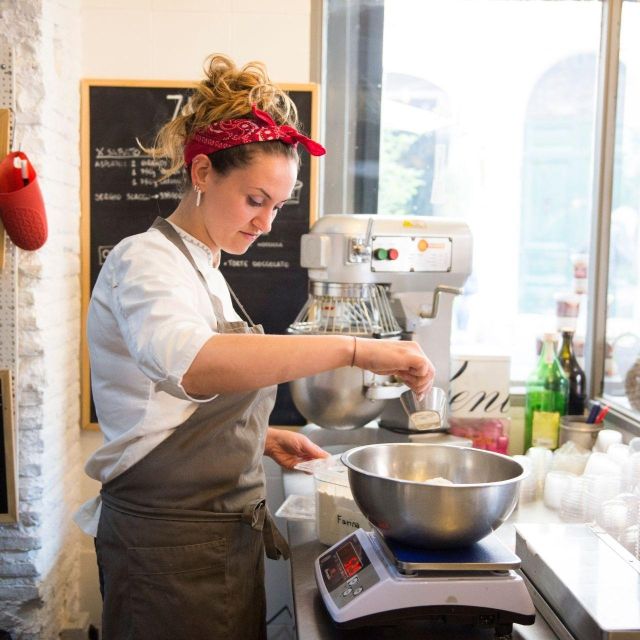
The featured sweet is Cannoli Pistacchio and Ricotta. Pistachio brings color, crunch, and a nutty sweetness that pairs well with creamy ricotta. When you taste it in a tour setting, you also learn how pastry is treated as serious work in Italy, not just dessert. It’s a good reminder that this country’s food culture is built on both cooking and confectionery, and both deserve attention.
You also get a move into another patisserie highlight: top-awarded patisseries and homemade chocolate. If you’re the type who usually skips chocolate tastings because you think you know what you’ll get, this is worth paying attention to. Homemade chocolate tends to taste deeper and less sugary than mass-produced versions, and it makes it easier to notice the difference between cocoa flavor and added sweetness.
If you’re traveling with kids or teens, this section is often where the group energy spikes. One review mentioned a 13-year-old being captivated, and cannoli plus chocolate is exactly the combo that tends to win over younger palates fast.
Cheese’n’Pear and classic pairings that make you taste smarter
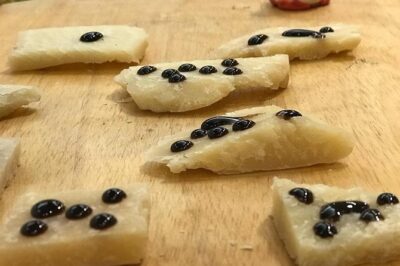
One standout pairing is Cheese’n’Pear. I like that this isn’t just thrown in as a random bite. It’s a useful mini lesson in how Italian flavors build balance: sweet fruit, savory cheese, and the seasonal logic that links them.
This is also one of the easiest parts of the tour to appreciate if you’re not a “food expert.” You don’t need special training to notice that pears can turn creamy cheese into something lighter and brighter. The guide’s job is to help you understand what’s happening, so you can recreate the feeling later at a café or gelateria.
You’ll also encounter other Roman favorites as you go, like dishes that show the veggie side of Roman cooking and how the flavors work together. The point is not just to eat a list, it’s to learn the patterns: salty with fresh, fried with herbal notes, creamy with something that cuts it.
More Roman trattorie, enoteche and counters:
Gelato, then espresso, and finishing with the real Roman aftertaste
Near the end, the tour aims you at two things Italians rarely treat casually: gelato and espresso.
The gelato stop is described as the best gelateria in town, and while you should always keep a little healthy skepticism in mind, the bigger value is what your guide can teach you about why one gelateria tastes different. One of the most practical things you can get from a good guide is how to recognize quality by texture, flavor clarity, and how the sweetness is handled. The included gelato makes it simple to compare in real time.
Then it’s coffee. You’ll have real Italian espresso, which is a big part of how Rome tastes after a meal. One review mentioned espresso as part of the lineup, and it fits the tour’s idea: you’re not just doing sweets, you’re ending in true Roman style. If you like your coffee bold, this is exactly the kind of stop that turns coffee from a caffeine break into part of the food culture.
And because coffee and gelato can be heavy, the tour design matters. You’re not eating dessert as an afterthought. You’re building a sequence: savory, vegetable-forward bites, patisserie craft, then finishing with creamy cold dessert and the clean snap of espresso.
Price and value at $81 for 2.5 hours
The tour costs $81 per person for 2.5 hours, with a private guide and a small group limit of 10. For Rome, that price sits in the “serious but not crazy” category, especially because a lot is included: snack, coffee and/or tea, and bottled water, plus the guide time itself.
Where it really feels like value is in the guide format. When you pay for a private guide in a group that stays under 10, you’re more likely to get your questions answered and to get context tied to the exact neighborhood you’re standing in. One review praised the guide’s history behind food and the neighborhoods, and that kind of explanation is the difference between eating and learning.
Also, the tour excludes alcoholic beverages, so you’re not paying extra for drinks you might not want. If you do want wine with dinner later, you can pick your own spot after the tour rather than feeling locked into included pours.
The one caution on value is portion size. Since this is a snack-style tasting, you should budget for a real meal after. If you arrive starving and skip lunch, you’ll still be happy, but you might not be “done” for the day.
Included bites you can look forward to
Here are some of the specific foods and drinks that show up across the experience highlights:
- Roman pizza rosso
- Suppli
- Fried zucchini blossom with cheese and anchovy
- Gelato
- Italian espresso
- Cannoli pistachio and ricotta
- Homemade chocolate
- Cheese’n’Pear
- Jewish-Roman artichokes
That mix is a strong sign you’ll get variety, not just one type of snack repeated. You’ll likely taste both savory and sweet, and you’ll get vegetables placed where they belong, not just as a token bite.
Who should book this vegetarian Rome tour
I think this tour is best for you if you want a hands-on way to understand Rome’s food culture without centering meat. It’s also a good match if you like walking tours that connect food with neighborhoods and history.
It’s especially appealing if:
- You enjoy seasonal food and want to see what changes by time of year.
- You like both savory and dessert, including patisserie stops.
- You want a guide who can explain the meaning behind what you taste.
- You’re traveling with a teen or family member who might get excited by cannoli and chocolate.
If you’re the type who expects a meat-centric Roman tasting menu, you’ll probably feel let down. And if you want an all-you-can-eat style lunch, you may find the pacing too “curated” and not enough “feed me everything.”
Practical tips so you enjoy it more
- Wear comfortable shoes. This is a walking food tour, so keep your feet happy.
- Come with some hunger, but not so much that you’re nauseated by sweets later. You’ll get gelato and chocolate.
- Use the small group to your advantage. Ask about what’s in season for the month you’re visiting.
- If you have allergies, double-check before booking that the specific items you avoid are safe for you, especially around nuts like pistachio.
Should you book the Roman Vegetarian Food Tour?
I’d book it if you want a smart, flavorful way to experience Rome as a vegetable-rich city, not just a pasta and gelato checklist. The biggest strengths are the seasonal focus, the cultural flavor stories like Jewish-Roman artichokes, and the fact that the tour doesn’t skip the sweets. If you care about both food and neighborhood context, you’ll feel like you got something you can carry with you after the last sip of espresso.
Skip it if you only want alcohol-heavy meals, meat-forward Roman dishes, or a long sit-down lunch experience. This tour is meant for walking, tasting, and learning within a compact 2.5-hour window.
FAQ
How long is the Roman Vegetarian Food Tour?
It lasts 2.5 hours.
Where does the tour meet?
The meeting point is Giordano Bruno Satue.
How much does it cost?
The price is $81 per person.
What’s included in the price?
You get a 100% private guide, a snack, coffee and/or tea, and bottled water.
Is alcohol included?
No. Alcoholic beverages are not included.
What languages are available for the guide?
The live guide speaks English, French, German, Italian, and Spanish.
What Rome Puts on the Plate
- Rome Street Food Tour with Local Guide
★ 5.0 · 2,361 reviews - Rome: Gourmet Food Tour with Dinner & Barolo Wine
★ 4.9 · 2,347 reviews - Rome: Award Winning Trastevere Group Food Tour with Wine
★ 5.0 · 2,273 reviews - Rome: Trastevere Street Food Walking Tour with Local Expert
★ 4.8 · 1,784 reviews
Latest additions from Rome
- Rome: Testaccio Market Food Tour with Street Food & Wine★ 5.0 · 8 reviews
- Exclusive Pasta & Tiramisu Class with Wine near by Colosseum★ 5.0 · 8 reviews
- Private Professional Photoshoot in Rome★ 5.0 · 8 reviews
- Loreto “Shrine of the Holy House of the Virgin Mary” Private Tour from Rome★ 5.0 · 8 reviews
- Rome Day to discover Florence and Pisa Hotel Pickup★ 4.5 · 8 reviews
- Rome: Christmas Nativities and Angels Tour★ 3.1 · 8 reviews
- Guided Tour of Vatican Museums and Sistine Chapel★ 5.0 · 8 reviews
- Rome: Cooking Class of fresh Pasta and Tiramisu Cake★ 5.0 · 8 reviews
Food Tours in Rome, compared.
Winner 2025 Rome Twilight Trastevere Food Tour by Eating Europe
Read our review →
Rome Food Tour: Unlimited Tastings with Fine Wine & Barolo
Read our review →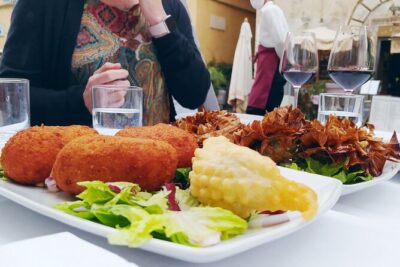
Rome Food Tour: Campo de’ Fiori, Ghetto, Trastevere Winner 2024
Read our review →
Guided Food Walking Tour with Wine in Trastevere
Read our review →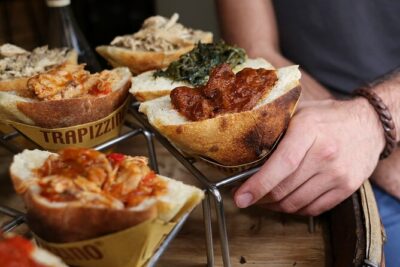
Trastevere Food tour with Free-Flowing Fine Wine
Read our review →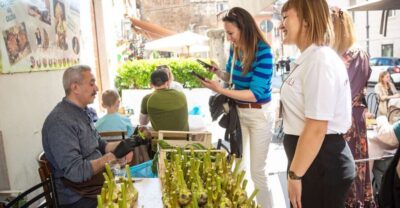
Trastevere & Campo de Fiori Street Food Walking Tour
Read our review →Browse the lists this tour appears in