

Reviewed · DINNER EXPERIENCES
Heart of Rome: 3 Course Dinner Experience with a Local Foodie
One street, three food traditions, and a table waiting. In Rome’s Jewish Quarter, this 2.5-hour dinner experience pairs a chef-led 3-course meal with a relaxed stroll past Palazzo Mattei and the Tempio Maggiore di Roma. I love the way the guide connects each dish to its ingredients and stories, and I also love the small group size of up to 12, so your questions actually get answered.
One consideration: the experience includes wine, and there’s a minimum drinking age of 18. Also, if you have food allergies, read the allergen notes carefully since common allergens like milk, eggs, soya, mustard, nuts, and gluten can show up in tastings.
In This Review
- Key things to know before you go
- Jewish Quarter Evenings: Why Palazzo Mattei and the Ghetto Setting Matters
- The 2.5-Hour Plan: What Happens Before You Sit Down
- Three Courses, Three Traditions: How the Menu Tells the Story
- What You’ll Taste First: Fritto Romano, Suppli, and Seasonal Vegetables
- The Pasta Highlights: Fettuccine al Sugo di Carne and Pasta alla Gricia
- A Side That Becomes a Main: Concia di Zucchini
- Dessert Finish: Torta Ricotta e Visciole
- Wine, Chef Talk, and the Reason This Feels Personal
- Value in Plain Terms: Is $107.17 Worth It?
- Practical Tips for Your Night in Rome
- Who This Suits Best (And Who Might Skip It)
- Should You Book Heart of Rome Dinner?
- FAQ
- Where does the experience start?
- How long is the dinner experience?
- What’s included in the price?
- How many people are in the group?
- Is vegetarian food available?
- What language is the tour in?
- Is there a minimum drinking age?
- Are there food allergies to consider?
- Does it run in bad weather?
Key things to know before you go
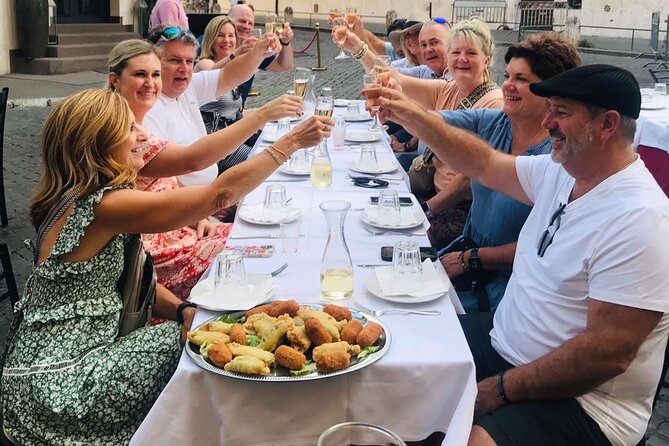
- Dinner in the Jewish Ghetto: a safe, historic neighborhood where locals live and eat, not just tourists pass through
- Stops that set the mood: Palazzo Mattei and the Tempio Maggiore di Roma before you sit down
- A three-course format built around Roman classics: plus Jewish-Roman touches that help you spot the differences
- Chef conversation, not a lecture: you can ask about recipes, ingredients, and how dishes are put together
- Wine included with the meal: welcome sparkling wine plus house wine, red and white
Jewish Quarter Evenings: Why Palazzo Mattei and the Ghetto Setting Matters
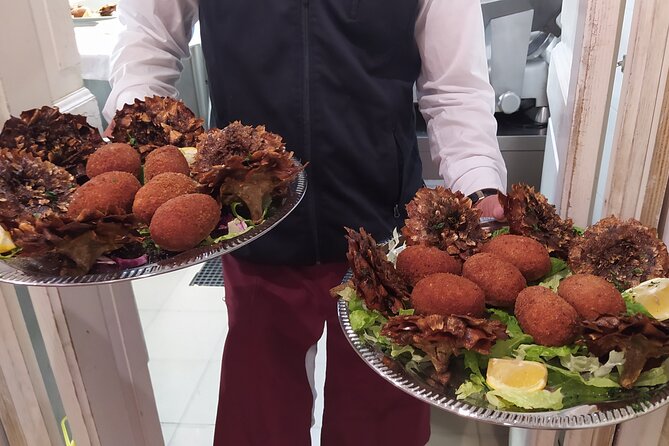
Rome has a habit of feeding you while it shows you the city. This experience starts in one of the most character-filled parts of town, the area tied to the historic Jewish Ghetto. It’s the kind of neighborhood that feels like people actually live here, and that makes the dinner land differently than a standard restaurant stop.
Before the meal, you go past Palazzo Mattei and then to the Tempio Maggiore di Roma. Those aren’t just photo stops. They help you understand why this area matters, so when the food starts arriving, you’re not just tasting pasta and fried vegetables, you’re tasting a place.
I also like the tour’s focus on comparing Roman, Jewish-Roman, and Kosher food styles. That comparison gives your night a shape. You notice what changes from one tradition to another, and you come away with ideas you can use later, even when you’re choosing where to eat on your own.
More plates worth ordering in Rome:
- Winner 2025 Rome Twilight Trastevere Food Tour by Eating Europe
★ 5.0 · 5,157 reviews - Rome: Street Food Tour with Local Guide
★ 4.8 · 4,077 reviews - Rome Food Tour: Unlimited Tastings with Fine Wine & Barolo
★ 5.0 · 3,365 reviews - Rome Food Tour: Campo de’ Fiori, Ghetto, Trastevere Winner 2024
★ 5.0 · 3,205 reviews
The 2.5-Hour Plan: What Happens Before You Sit Down
The total time is about 2 hours 30 minutes, with the activity ending back at the start point. That makes it a good evening plan when you want food plus a couple of meaningful sights, without spending half your day in transit.
The general flow is straightforward: you meet at Via del Portico d’Ottavia, 8 (you’ll get a mobile ticket), then you visit Palazzo Mattei and Tempio Maggiore di Roma. After that, you head to a cozy restaurant setting inside a building dating back to the 1400s, which used to be a private house.
The practical upside here is pacing. You get a little walking and atmosphere first, then you settle into the meal. The group stays small, so conversations do not get swallowed by noise. And because the experience runs in all weather conditions, you do not have to gamble on Rome’s mood.
If you’re the type who likes a plan that is light but not vague, this format works. It gives you enough structure to feel comfortable, while leaving room to ask questions at the table.
Three Courses, Three Traditions: How the Menu Tells the Story
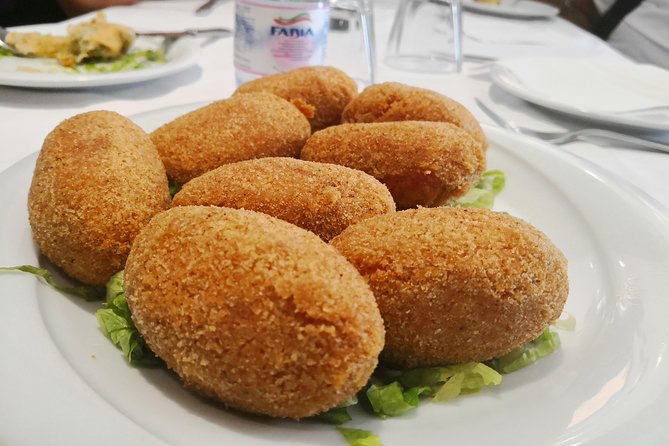
The dinner is designed as a comparison meal. Your guide helps you understand differences across food traditions, then brings those differences to your plate in a very Roman order.
You’ll start with a fritto style course that can include fried artichoke or a zucchini flower, plus suppli (and it changes by season). This is the kind of first course that sets the tone fast: crispy, flavorful, and easy to talk about while you’re still settling in.
The next courses land firmly in classic Roman territory. The main dishes are built around traditional ingredients like beef, tomato, guanciale, and pecorino romano, plus Roman-style vegetable preparations. Then dessert switches gears to something sweet and comforting, ricotta paired with cherry jam.
One reason I think this menu format works for visitors is that it hits both sides of what people want in Rome: familiar comfort foods and a few thoughtful differences tied to local traditions. You leave with a mental map of dishes, not just a memory of tasting something good.
What You’ll Taste First: Fritto Romano, Suppli, and Seasonal Vegetables
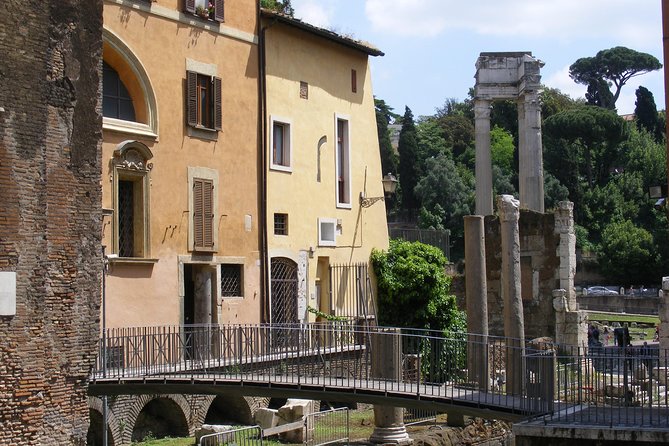
The starter is Fritto Romano, and the details matter. According to season, you might see fried artichoke or fried zucchini flower, along with suppli. These are street-food-adjacent flavors, the kind of things Romans eat because they taste good and because they fit the rhythm of the city.
Fried vegetables in Rome are rarely about showiness. They’re about texture and timing. When the oil is hot and the batter stays light, you get a crisp bite without heaviness, and you also get the underlying flavor of the vegetable itself.
Suppli adds another layer. It’s satisfying, simple, and deeply Roman. Eating it early also helps you slow down in a good way. Once you get that first salty crunch going, you’re ready for the pasta courses that follow.
If you’re picky about texture, this course is worth knowing. It is fried food, so it can be a lot in one sitting if you also plan to snack earlier in the day. But that’s also why it works as a starter: it’s meant to be enjoyed with wine, conversation, and a small-group pace.
The Pasta Highlights: Fettuccine al Sugo di Carne and Pasta alla Gricia
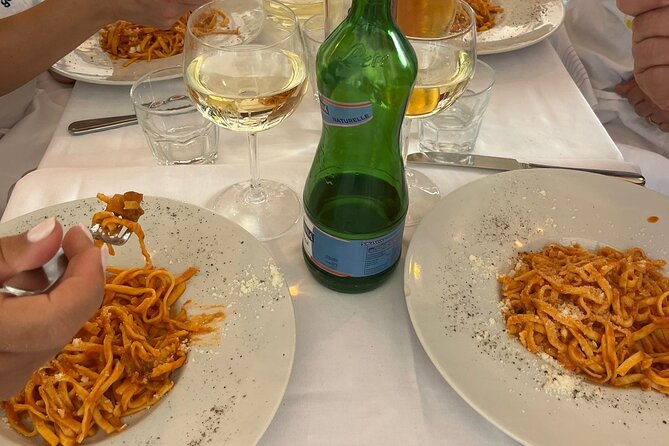
Two of the most memorable parts of this dinner are the pasta mains: Fettuccine al sugo di carne and Pasta alla Gricia.
Fettuccine al sugo di carne is fresh pasta with a traditional beef tomato sauce. The key is the balance of slow-cooked meatiness with tomato depth. The guide and chef conversation typically helps you understand what makes that sauce taste the way it does, which is the difference between just eating pasta and learning how Romans build flavor.
Then comes Pasta alla Gricia. This dish is built on guanciale and pecorino romano. If you’ve ever wondered why certain Roman dishes taste so unmistakably bold, this is one of the answers. Guanciale brings rich, savory fat, and pecorino brings sharp, salty punch.
One nice thing here is that both pastas have clear identities. You can taste the differences even if you don’t know the terms. And if you’re the kind of traveler who wants to recreate meals later, these are practical dishes to understand.
I’d also suggest paying attention to the guide’s explanation of ingredients. People remember the words less than the flavors, but the explanations help you identify what you’re tasting and why it works.
A few more Rome options worth a look
A Side That Becomes a Main: Concia di Zucchini
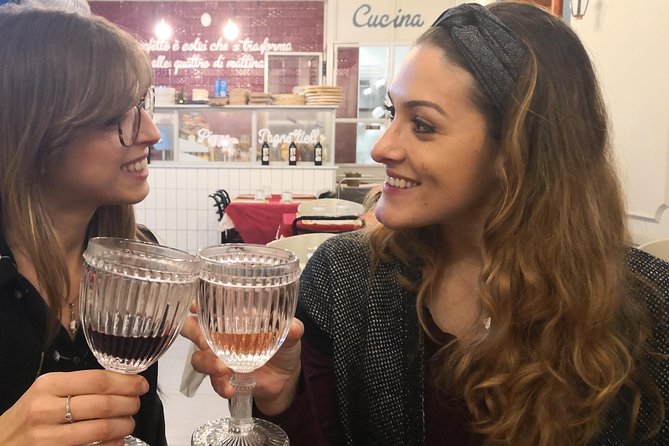
After the pasta courses, you’ll enjoy Concia di zucchini, marinated zucchini. This isn’t just a filler course. In Roman food culture, marinated vegetables bring contrast to richer dishes. You get acidity and seasoning that cut through the creaminess and richness of the earlier courses.
Concia is also a good reminder that Roman meals are not all about meat and cheese. Seasonal vegetables show up in smart ways, often treated with care and seasoning rather than treated like an afterthought.
If you’re curious about how Italian cooking handles vegetables, this course is a strong introduction. You’ll taste how marination changes the vegetable, making it more flavorful and more cohesive as part of the meal.
Dessert Finish: Torta Ricotta e Visciole
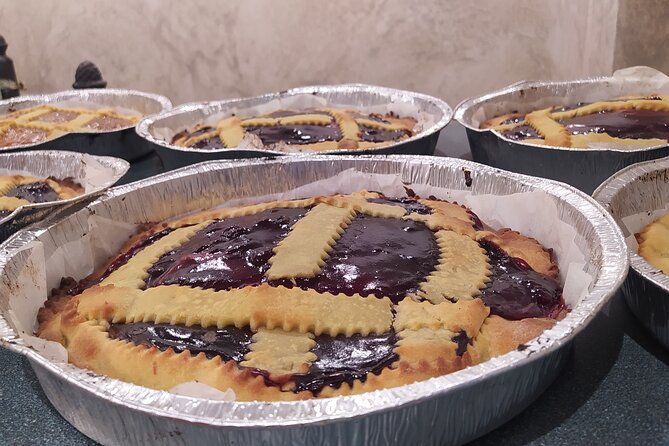
For dessert, you’ll have Torta ricotta e visciole, ricotta cheesecake with cherry jam. It’s the kind of ending that feels logical after a savory meal, not random. Ricotta brings a soft, creamy texture, and the cherry jam adds fruit brightness.
This dessert is also helpful for food travelers because it’s familiar enough to enjoy right away, but distinct enough to be interesting. Ricotta cheesecake is not the same thing as American-style cheesecake, and the cherry notes make the finish feel Roman.
If you are watching sugar carefully, just know this dessert is sweet and dairy-forward. If you’re fine with that, it’s a satisfying capstone.
Wine, Chef Talk, and the Reason This Feels Personal
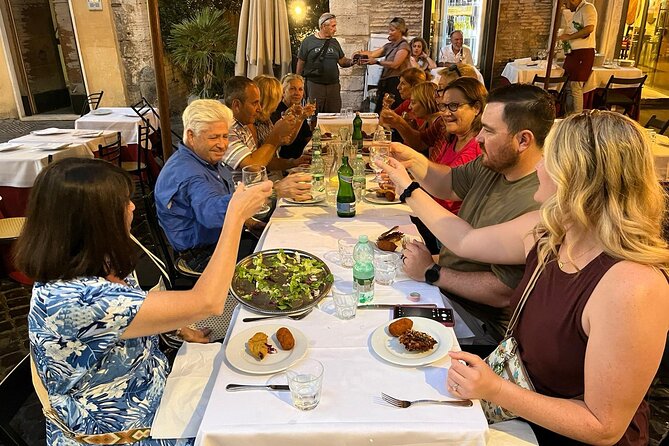
A normal restaurant dinner can be good. This one aims to be memorable by adding conversation and hands-on explanation. You’ll get a welcome sparkling wine, plus wine of the house, red and white, along with bottled water.
More important than the wine is the chef chat. The experience includes time to talk with the chef about recipes and ingredients. That’s where the value goes beyond a meal and turns into a learning experience you can take home.
In the feedback for this tour, guides such as Karen and Daniella come up for being very good at explaining what you’re eating and how it’s made. That kind of guide energy matters. When someone can answer your questions clearly, you start tasting differently.
Also, because you’re in a small group, you get a better rhythm. If you want to know how something is prepared, you can ask. If you just want to enjoy the evening, you can do that too. It’s not a performance. It’s dinner plus dialogue in a cozy setting.
Value in Plain Terms: Is $107.17 Worth It?
The price is $107.17 per person for about 2.5 hours, and the included items are substantial. You’re not just paying for food. You’re paying for a three-course dinner, house wine, a welcome sparkling wine, bottled water, and a guided experience in a small group.
If you were to replicate this on your own, you’d likely pay similarly for a wine-inclusive meal in Rome, then add the cost of finding a place that matches this specific mix of Roman and Jewish-Roman context. Here, you get that context built in, plus the visits to Palazzo Mattei and the Tempio Maggiore di Roma.
One reason this feels like a good value is how much is packed into the time. You get both sights and eating without needing separate reservations or hopping between neighborhoods. With a max of 12 travelers, you also avoid the big-group experience where you feel like a spectator.
If you drink wine and enjoy guided food explanations, this is the kind of tour that can pay off quickly. If you don’t drink at all, the included alcohol is still part of the package, so you might decide based on whether you want that meal-plus-stops format regardless.
Practical Tips for Your Night in Rome
Meet at Via del Portico d’Ottavia, 8, and plan to return there at the end. It’s near public transportation, so you can arrive without a complicated plan. Bring a light layer if you’re going in the evening, since Rome can cool off, especially near historic streets.
The tour is offered in English, which is great for clarity when the chef is explaining recipes and ingredients. And it operates in all weather conditions, so Rome rainy-day plans do not have to derail your evening.
Vegetarian options are available if you request them when booking. If you have allergies, review the allergen note list carefully: milk, eggs, soya, mustard, nuts, and gluten may appear. Service animals are allowed, and children must be accompanied by an adult. Minimum drinking age is 18, since wine is part of the included experience.
One more smart move: if you’re sensitive to fried food, eat lightly earlier in the day. The starter is fried and the meal includes wine, so going too heavy before the tour can make the dinner feel like a lot.
Who This Suits Best (And Who Might Skip It)
This tour is a great fit if you want:
- A small-group dinner where you can ask questions
- A night focused on Roman food classics, with a comparison to Jewish-Roman traditions
- A chef-led experience that explains ingredients instead of just serving plates
You might skip it if you prefer independent sightseeing, since the stops and dinner flow are part of the design. You might also reconsider if you’re strictly avoiding wine or if your allergies are complex and you do not feel comfortable with the listed allergen risk.
For everyone else, this is an efficient way to understand a neighborhood and eat your way through it. It’s also a solid option when you want a more grounded evening than a big-ticket attraction day.
Should You Book Heart of Rome Dinner?
Book it if you want a cozy, conversation-friendly dinner in the Jewish Quarter, with a real focus on how Roman food is made. The small group, the included wine, and the chef interaction are the main reasons this experience works well.
Skip it if your priority is a long, independent walking tour or if you cannot accommodate wine in your plans. If allergies are in play, check the allergen information closely and decide carefully.
If you like learning through food, this one has the right ingredients, literally and figuratively.
FAQ
Where does the experience start?
You’ll meet at Via del Portico d’Ottavia, 8, 00186 Roma RM, Italy.
How long is the dinner experience?
It lasts about 2 hours 30 minutes.
What’s included in the price?
It includes a welcome sparkling wine, a complete 3-course dinner, house wine (red and white), bottled water, and alcoholic beverages.
How many people are in the group?
The tour has a maximum of 12 travelers.
Is vegetarian food available?
Yes, a vegetarian option is available. You need to advise at the time of booking.
What language is the tour in?
The experience is offered in English.
Is there a minimum drinking age?
Yes, the minimum drinking age is 18.
Are there food allergies to consider?
Yes. Allergens that can be present include milk, eggs, soya, mustard, nuts, and gluten.
Does it run in bad weather?
Yes, it operates in all weather conditions.
More Dinner Experiences in Rome
- Rome: Italian Opera Concert and Traditional Dinner
★ 4.1 · 453 reviews - Rome Pantheon: Fine Food & Wine Pairing Dinner with Sommelier
★ 5.0 · 283 reviews - Rome: Cannondale E-Bike Evening Tour with Optional Dinner
★ 4.9 · 251 reviews - Hard Rock Cafe Rome with Set Lunch or Dinner
★ 4.0 · 247 reviews
Latest additions from Rome
- Rome: Testaccio Market Food Tour with Street Food & Wine★ 5.0 · 8 reviews
- Exclusive Pasta & Tiramisu Class with Wine near by Colosseum★ 5.0 · 8 reviews
- Private Professional Photoshoot in Rome★ 5.0 · 8 reviews
- Loreto “Shrine of the Holy House of the Virgin Mary” Private Tour from Rome★ 5.0 · 8 reviews
- Rome Day to discover Florence and Pisa Hotel Pickup★ 4.5 · 8 reviews
- Guided Tour of Vatican Museums and Sistine Chapel★ 5.0 · 8 reviews
- Rome: Christmas Nativities and Angels Tour★ 3.1 · 8 reviews
- Rome: Cooking Class of fresh Pasta and Tiramisu Cake★ 5.0 · 8 reviews
Dinner Experiences, compared.
Pasta Making with Wine Tasting and Dinner in Frascati
Read our review →
Rome All in One: Trastevere Food Tour, Dinner & Drinks
Read our review →
Night Tour of Rome with Local Pizza Dinner and Gelato Experience
Read our review →
Rome Pantheon: Fine Food & Wine Pairing Dinner with Sommelier
Read our review →
Cannondale E-Bike Evening Tour with Optional Dinner
Read our review →
Hard Rock Cafe Rome with Set Lunch or Dinner
Read our review →Browse the lists this tour appears in