The best Roman art moments can be quiet ones. This ticket-and-audio visit takes you into the Doria Pamphilj Palace, where you can see major works by Velázquez, Caravaggio, Raphael, and Titian in rooms that still feel like a private home rather than a theme park.
I especially like the audio guide format. It helps you connect the paintings to the people and the power moves behind them, which makes famous names like Pope Innocent X feel more real than a textbook caption.
One thing to consider: you are going without a live guide and the visit is self-paced. If you want lots of spontaneous Q&A, you may find it less satisfying than a guided tour.
In This Review
- Key things I’d watch for
- First Look Inside the Palace on Via del Corso
- Tickets, No Meeting Point, and the “Just Go” Advantage
- How the Audio Guide Changes the Way You See the Art
- Velázquez and the Portrait That Feel Like a Meeting With Power
- Caravaggio’s Drama: Rest on the Flight into Egypt
- Raphael and the Holy Family Moment You Can Actually Sit With
- Titian, Danae, and Why Portraits Belong in the Same Conversation
- Over 400 Works, Original Rooms, and the Quiet Math of Time
- How Family Ownership Changes the Feeling of the Visit
- Price and Value: Is $35 Worth It?
- Who This 2-Hour Gallery Visit Fits Best
- Should You Book This Doria Pamphilj Gallery Experience?
- FAQ
- Where is the Doria Pamphilj Gallery entrance?
- Is there a meeting point?
- How long is the visit?
- What’s included with the ticket?
- Is a live tour guide included?
- Can I access private rooms?
- What do I need to bring for entry?
- Are pets allowed inside?
- Is flash photography or food and drinks allowed?
- How far in advance can I cancel?
Key things I’d watch for
- Original palace atmosphere: you get 400+ works staged in rooms with decor that has been preserved for more than 300 years
- Big-name masterpieces in one stop: portraits and religious scenes by Velázquez and Caravaggio, plus Raphael and Titian
- Audio guide that explains the backstory: it’s designed to tell you who mattered, not just what you’re looking at
- Family collection setting: the Doria Pamphilj name and the palace history are part of the experience, not background noise
- A tight, doable time window: about 2 hours works well if you want art without committing to a half-day museum marathon
First Look Inside the Palace on Via del Corso
This visit is built around a very particular kind of Roman charm, the feeling of being in a historic house that still keeps its manners. The Doria Pamphilj Gallery is inside the Doria Pamphilj Palace on Via del Corso, Rome, and it traces back to a 16th-century foundation with major expansion in the 17th century linked to Pope Innocent X Pamphilj.
What that means for you is simple: you are not only seeing paintings, you’re seeing the setting that helped shape how the collection was displayed. It’s a big reason people like this place compared with bigger museums, because the pacing feels more human and less like a conveyor belt.
Other Roman collections with a shorter wait:
- Vatican Museums, Sistine Chapel & St. Peter’s Basilica Tour
★ 4.3 · 73,970 reviews - Vatican Museums, Sistine Chapel & St Peter’s Basilica Guided Tour
★ 4.5 · 39,149 reviews - Rome: Vatican Museums, Sistine Chapel and Basilica Tour
★ 4.3 · 16,039 reviews - Vatican Museums & Sistine Chapel Skip-the-Line Entry Ticket
★ 4.4 · 13,838 reviews
Tickets, No Meeting Point, and the “Just Go” Advantage
There is no meeting point for this experience. You’ll receive your tickets by email before your visit, then you go straight to the main entrance at Via del Corso, 305, 00186 Rome.
At the entrance, you show your ticket to security. This is one of those small details that actually matters, because it reduces decision-making stress on a travel day. You don’t have to time your arrival to a specific staff member, you just need to get there during your selected start time.
Also, the ticket comes with skip-the-ticket-line style access. That can save time on a city day when lines elsewhere are already testing your patience.
How the Audio Guide Changes the Way You See the Art
The audio guide is included, and that’s not just a nice extra here. The guide is set up to explain the stories behind the artworks and the people connected to them, from Renaissance masters to the Doria Pamphilj family.
If you’ve ever stared at a painting for ten seconds and thought, I know the artist name but not the meaning, this helps. You’ll spend less time guessing and more time noticing details you might otherwise miss, like how a portrait signals authority or how a religious scene uses emotion to land a message.
This is also a practical advantage. Since you’re on a self-paced visit for about 2 hours, the audio guide helps you manage your time. You can slow down for what interests you, then move on before you feel rushed.
Velázquez and the Portrait That Feel Like a Meeting With Power
One of the anchors of the collection is Velázquez’s Portrait of Pope Innocent X. Even if portraiture is not your usual style, this is the kind of work that turns looking into noticing.
Portraits like this tend to work on two levels. First, you enjoy the craft, the way the painting builds presence with expression and costume. Second, you start reading status, because Pope Innocent X was not just a religious figure, he was a political heavyweight, and portrait art was one of the ways authority got made visible.
This is where the audio guide earns its keep. With the backstory running in your headphones, the portrait becomes more than a face. It becomes a statement, and you’ll probably catch yourself thinking about why the image was designed the way it was.
Caravaggio’s Drama: Rest on the Flight into Egypt
Caravaggio in one building is a good day. The gallery includes Caravaggio’s Rest on the Flight into Egypt and also Penitent Magdalene. Caravaggio is all about emotional gravity, and these works are the sort that reward quiet attention.
When you stand in front of Rest on the Flight into Egypt, you’re not just looking at a religious theme. You’re looking at tension, fatigue, and human vulnerability. That’s the Caravaggio effect, the scenes feel close to real life instead of staged for distance.
With Penitent Magdalene, the mood flips to introspection. This is where you may feel the benefit of having audio explanation instead of relying only on your own interpretations. You get context that helps you understand what you’re seeing and why it mattered to the collection that housed it.
More of Rome walked on your own clock:
Raphael and the Holy Family Moment You Can Actually Sit With
The collection also includes Raphael’s Holy Family with St. John the Baptist. Raphael’s work often gives you that rare combination of clarity and tenderness, a scene that feels composed but still human.
In a palace setting, this kind of painting can feel extra intimate. You are not surrounded by crowds at museum scale, so the painting’s balance has room to land. The audio guide can help you focus on the narrative pieces, how figures relate to each other, and what the scene was communicating.
If you tend to rush through museums, this is a good anchor stop. You can take your time with it, then use the rest of your visit to branch out into styles you might not pick first on your own.
Titian, Danae, and Why Portraits Belong in the Same Conversation
You’ll also find Titian’s Portrait of Andrea Doria and Danae. Titian can be a lot, in the best way. He moves between portrait authority and myth or narrative, and it’s helpful to be reminded that these works were part of one family collection conversation.
A portrait like Andrea Doria ties art directly to power and identity. You’re looking at someone whose name carried weight, and Titian’s job was to present that weight visually.
Meanwhile, Danae brings myth into the room with religious and political imagery. That contrast is useful for you as a visitor because it turns the gallery into more than a list of famous artists. It becomes a record of taste, ambition, and the kinds of stories and reputations the Doria Pamphilj family wanted to keep close.
If you like art history when it connects to real people, this is where the audio guide story approach helps you connect the dots.
Over 400 Works, Original Rooms, and the Quiet Math of Time
The gallery displays over 400 works of art across multiple rooms with original decor that has been preserved for more than 300 years. That is a lot of artwork, but the good news is you’re only scheduled for about 2 hours.
Here’s how I’d handle that as a visitor so you actually enjoy it. Pick a few “must-stops” first, then allow the rest to flow. If you try to look at everything equally, you’ll end up skimming. If you anchor your time on a handful of masterpieces, the surrounding works will start feeling like context instead of homework.
Another practical point: the palace layout supports wandering. You’re moving through rooms that feel like they were meant to be lived in, not just staged for foot traffic. That atmosphere is a huge reason this collection feels different from many museums.
You’ll also see sculpture pieces, including Bernini busts and sculptures. Even if you’re not a sculpture expert, busts and portrait sculpture tend to help you compare how artists shaped presence across media, painting versus stone.
How Family Ownership Changes the Feeling of the Visit
This gallery is not trying to be a generic mega-attraction. It keeps an intimate, family-owned charm, which you can feel in the pacing and the way the collection is presented.
For you, that matters because it shapes your attention. In a large museum, you often spend your energy navigating. Here, you can spend more energy looking and listening, especially with the audio guide doing the heavy lifting on story.
Also, the palace history is not background fluff. The building connects to Pope Innocent X Pamphilj, and the Doria Pamphilj family’s collection choices become part of what you’re experiencing. That makes the art feel less like random masterpieces and more like a long personal project.
Price and Value: Is $35 Worth It?
At about $35 per person for entry with an audio guide, you should think of this as paying for access plus interpretation inside a private-palace setting. In other words, you’re not just paying for walls and paintings, you’re paying for a curated experience designed for self-guided learning.
Is it a bargain compared to a huge free-standing museum? Not always. But it can be excellent value compared with many tours where you pay for a guide and still spend most of your time moving and waiting.
This ticket makes sense if you want:
- major artists in a compact visit
- the audio guide approach to context
- palace rooms that feel preserved and lived-in
If you need a live expert to answer questions, or if you want access to private rooms, this format may not meet your expectations, because private rooms access is not included.
Who This 2-Hour Gallery Visit Fits Best
This experience fits best if you like art but prefer a plan that is easy to manage. 2 hours is a sweet spot in Rome. It’s long enough to feel satisfying and short enough to still do a second activity the same day.
I’d also point you toward it if you enjoy:
- portraiture and religious scenes
- audio-guided learning that focuses on people, not just dates
- calm, focused time in historic interiors
If you’re traveling with kids who need constant stimulation, the audio guide style might require some patience. If you need strict step-by-step guidance, you may miss a live guide.
But for solo travelers, couples, and anyone who likes art with context, this kind of visit is usually a good match.
Should You Book This Doria Pamphilj Gallery Experience?
If your goal is big-name Roman art in a palace setting without the chaos of a massive museum, I’d say yes. The mix of Velázquez, Caravaggio, Raphael, and Titian, paired with an audio guide that explains the human stories, is exactly the sort of combination that makes art feel alive instead of distant.
Book it especially if you want a manageable 2-hour plan and you like learning at your own speed. Consider it less ideal if you specifically want a live guide or expect access to extra private areas.
FAQ
Where is the Doria Pamphilj Gallery entrance?
The main entrance is at Via del Corso, 305, 00186 Rome, Italy.
Is there a meeting point?
No. You receive your tickets by email before your visit, and you go directly to the main entrance.
How long is the visit?
The experience lasts about 2 hours.
What’s included with the ticket?
The ticket includes access to the Doria Pamphilj Gallery and an audio guide.
Is a live tour guide included?
No, a live guide is not included.
Can I access private rooms?
Access to private rooms is not included.
What do I need to bring for entry?
Bring a passport or ID card. A copy is accepted.
Are pets allowed inside?
No, pets are not allowed.
Is flash photography or food and drinks allowed?
Flash photography is not allowed. Food and drinks are also not allowed.
How far in advance can I cancel?
You can cancel up to 24 hours in advance for a full refund.
Narrated As You Go
- Rome: Castel Sant’Angelo Entry Ticket & Audio App
★ 4.3 · 4,952 reviews - Rome: Colosseum, Forum, & Palatine Hill with Audio Guide
★ 4.3 · 4,591 reviews - Rome: Castel Sant’Angelo Entry Ticket with Audio guide
★ 4.4 · 3,646 reviews - Rome: Colosseum Experience with Audio Guide and Arena Option
★ 4.2 · 2,200 reviews
Latest additions from Rome
- Rome: Testaccio Market Food Tour with Street Food & Wine★ 5.0 · 8 reviews
- Exclusive Pasta & Tiramisu Class with Wine near by Colosseum★ 5.0 · 8 reviews
- Private Professional Photoshoot in Rome★ 5.0 · 8 reviews
- Rome Day to discover Florence and Pisa Hotel Pickup★ 4.5 · 8 reviews
- Loreto “Shrine of the Holy House of the Virgin Mary” Private Tour from Rome★ 5.0 · 8 reviews
- Rome: Christmas Nativities and Angels Tour★ 3.1 · 8 reviews
- Guided Tour of Vatican Museums and Sistine Chapel★ 5.0 · 8 reviews
- Rome: Cooking Class of fresh Pasta and Tiramisu Cake★ 5.0 · 8 reviews
Audio Tours, compared.
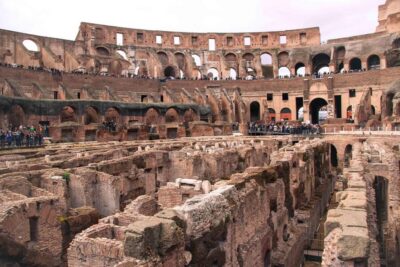
Colosseum & Forum with Audio Guide App -Optional Arena
Read our review →
Vatican & Sistine Chapel Ticket with Optional Audio Guide
Read our review →
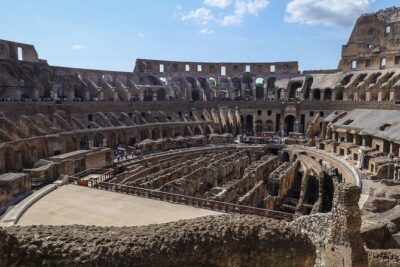
Colosseum, Forum, & Palatine Hill with Audio Guide
Read our review →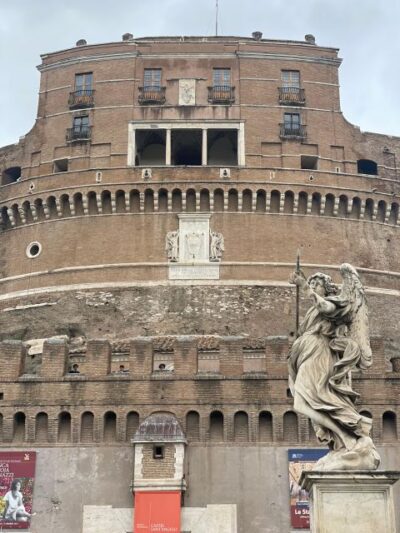
Castel Sant’Angelo Entry Ticket with Audio guide
Read our review →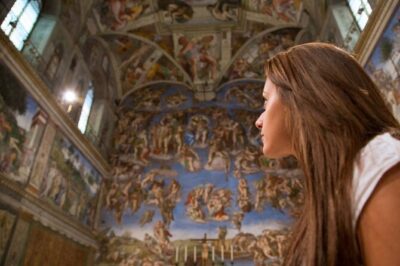
Skip the Line: Vatican & Sistine Chapel Ticket with Audio Guide
Read our review →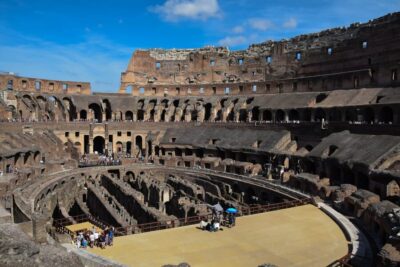
Colosseum Experience with Audio Guide and Arena Option
Read our review →