
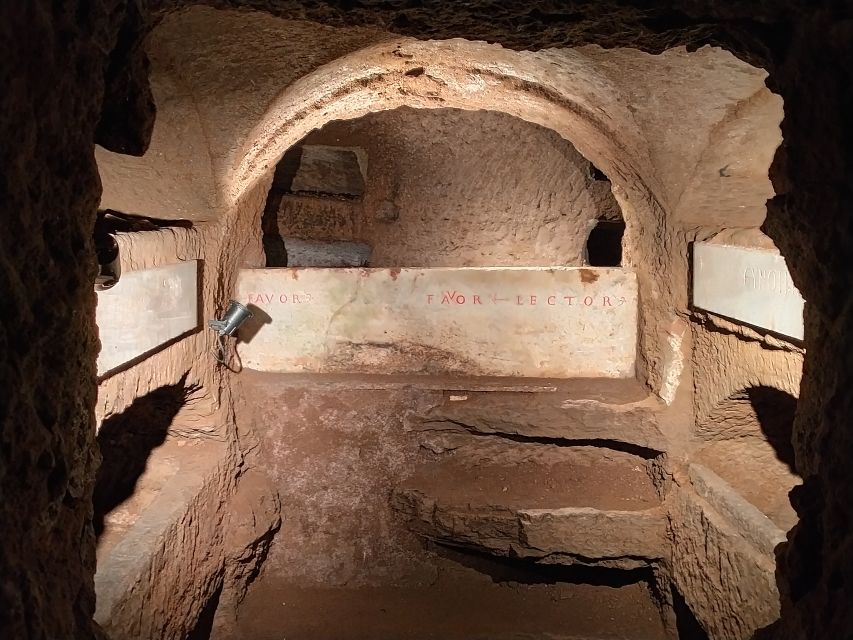
Reviewed · CATACOMBS OF ROME TOURS
Catacombs of Saint Agnes Entry Ticket & Guided Tour
Saint Agnes catacombs are history you can walk through. With an official guide, you get the story of the site in a focused 30 minutes. I also love the simple ticket setup, since you receive email tickets and can show them on your phone. One thing to consider: the visit goes underground, so if you have claustrophobia, you should think carefully, even though the space is described as not tight.
This is a small, efficient experience for a big topic. You’ll hear how devotion to Saint Agnes shaped both underground burial spaces and later churches above. The main drawback for some is that it’s not suitable for everyone, and you cannot bring cameras or large bags.
In This Review
- Key things to know before you go
- Entering the Catacombs With a Real Official Guide
- The 30-Minute Timing That Makes Sense Underground
- Saint Agnes Explained Simply: From Roman Martyr to a Tomb Magnet
- The Tomb Story: Marble Slabs and the Message of Memory
- Why the Underground Network Grew Around One Name
- The Surface Story You Hear Along the Way: Churches Built to Keep Agnes Close
- What You Need to Bring, and What You Must Leave Behind
- Who This Tour Suits Best, and Who Should Skip It
- Price and Value: Is $16 for 30 Minutes Worth It?
- Smooth Way to Plan Your Stop at the Catacombs
- Should You Book the Catacombs of Saint Agnes Tour?
- FAQ
- Where is the meeting point?
- How long is the guided tour?
- How much does the ticket cost?
- Which languages are available for the live guide?
- How do I get and use my tickets?
- Is the tour audio-guided or a live guide?
- Are cameras allowed?
- What should I bring?
- Is this tour suitable for people with claustrophobia or mobility impairments?
- How is cancellation handled?
Key things to know before you go

- Official guide included: you are not wandering in silence down there.
- 30 minutes total: short and well-paced, good if you have limited time.
- Mobile tickets work: show your reservation right on your smartphone.
- Go prepared for underground sections: comfortable shoes matter because it’s a real walk on site.
- No cameras allowed: plan to rely on your memory and the guide’s explanations.
Entering the Catacombs With a Real Official Guide
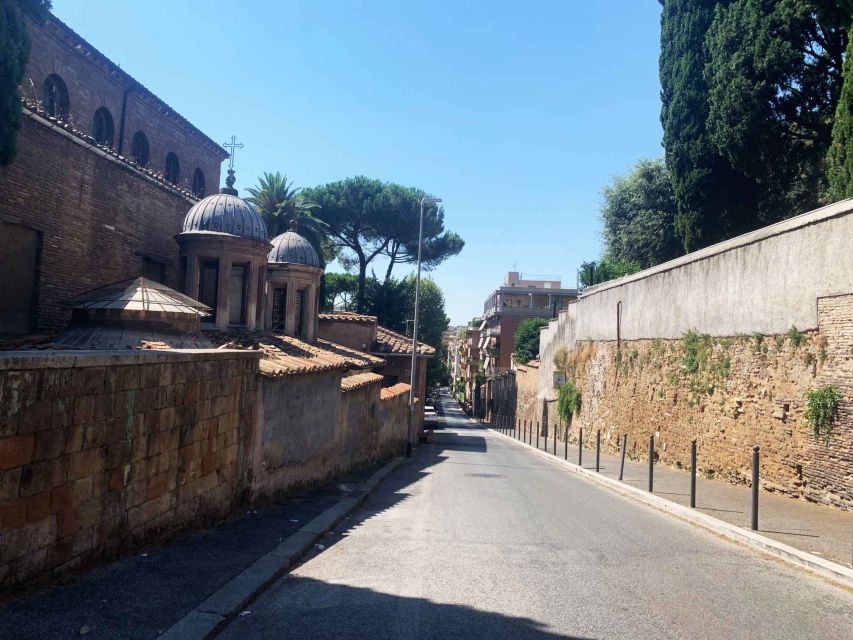
The best part of the Catacombs of Saint Agnes tour is that the guide gives you the “how to read this place” in real time. The catacombs can feel confusing fast, since you’re surrounded by burial spaces and layered Christian memory. With an official guide speaking your language (English, Italian, or French), you get a clear thread: who Saint Agnes was, why her tomb mattered, and how the underground network grew around that devotion.
You’ll also appreciate the practical side. Tickets are sent to you by email, and you show them on your smartphone at the ticket office. That means less fuss and fewer last-minute problems, especially in a busy area where the line can be annoying.
One more detail that helps: the tour is designed to be short. At 30 minutes, your guide can focus on the most meaningful pieces without rushing you into a long slog. If you like compact visits that still feel complete, this format fits well.
Other descents into the catacombs:
- Rome: Capuchin Crypts and Catacombs Tour with Transfers
★ 4.6 · 6,456 reviews - The Original Roman Crypts and Catacombs Tour with Transfers
★ 4.5 · 4,896 reviews - Rome: Catacombs of St. Callixtus Entry Ticket & Guided Tour
★ 4.6 · 3,037 reviews - Rome: Guided Roman Catacombs Tour with Transfers
★ 4.6 · 1,830 reviews
The 30-Minute Timing That Makes Sense Underground
Thirty minutes sounds quick until you’re underground, walking and listening. Here, that duration is a feature, not a bug. You get to experience the site and its main historical points without having to block your whole morning.
The upside for you is mental pacing. It is easier to absorb early Christian history when you can reset your attention afterward, instead of dragging through it for an entire afternoon. The downside is that you won’t have time to linger everywhere. If you want a slow photo tour, you might feel a bit constrained. Since cameras are not allowed anyway, you’ll want to focus on what your guide points out and how the story connects.
Also, take the “meeting 10 minutes early” rule seriously. The meeting point is the ticket office of the catacomb, and you should show your reservation at least 10 minutes before your scheduled start time. If you arrive late, you might shorten your own visit.
Saint Agnes Explained Simply: From Roman Martyr to a Tomb Magnet
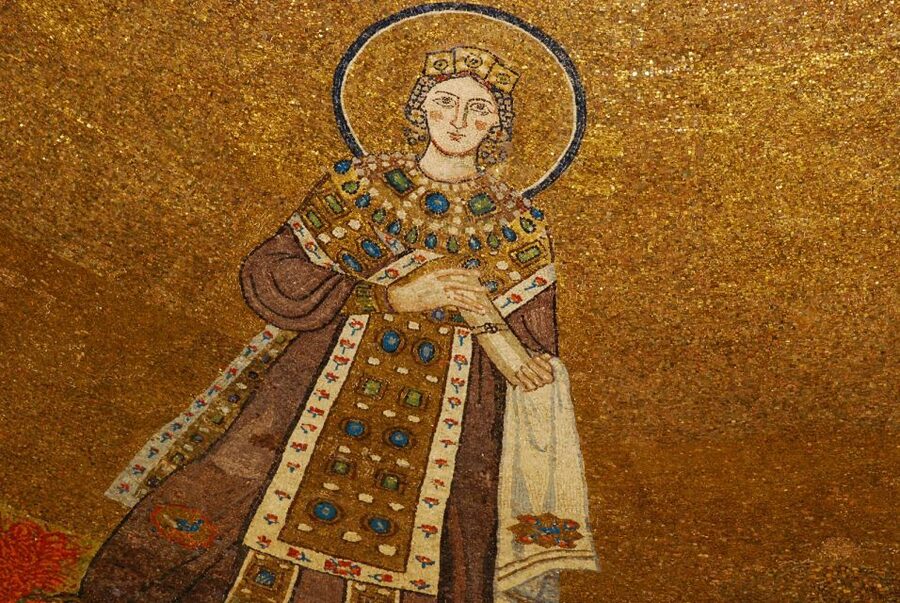
This tour centers on Saint Agnes, one of Rome’s most famous and venerated martyrs. Your guide explains the background in plain terms, including the fact that the exact details of her martyrdom are debated. Some sources place her during the persecutions connected to emperors like Decius or Valerian, while others connect the story to the persecution under Diocletian.
Then the guide brings the emotional core forward: Agnes is said to have died at only 12 years old. One of the references you’ll hear about is connected to Pope Damasus, who pointed to the idea of a stake where the saint would have thrown herself. Even if you approach this as history and not faith, the mention of how later popes retold and framed the story helps you understand why this site became so important.
Here’s what you should pay attention to: the catacombs weren’t created just because people needed places to bury the dead. They grew because devotion attracted activity. After Agnes’s martyrdom, her body was placed in an underground burial space, a hypogeum owned by her family. It was located on the left side of Via Nomentana, in an area that already had a surface necropolis with individual tombs and mausoleums.
Once the venerated tomb became the focal point, a much larger community catacomb network developed around it. That means the underground you see is not just architecture. It’s a timeline made of family origins, public reverence, and generations of visitors.
The Tomb Story: Marble Slabs and the Message of Memory
The guide’s most interesting moments often come when they explain what was added later to Agnes’s tomb and why those details mattered.
You’ll hear about how Agnes’s tomb was decorated with marble slabs during the time of Pope Liberius. One of those slabs is described as likely being the one displayed in the entrance staircase of the Honorius Basilica today. The description includes a young girl in prayerful attitude between two panels with geometric motifs.
Even if you cannot photograph, this kind of visual description is useful. It helps you build a mental picture of how the early Christian story was shaped for people who came to remember and pray.
Your guide also explains inscriptions associated with Pope Damasus. An inscription dedicated to the martyr is described as being posted in the staircase area. That matters because it shows how the story traveled over time. The tomb was underground, but the message kept moving into the visible parts of the complex.
Why the Underground Network Grew Around One Name
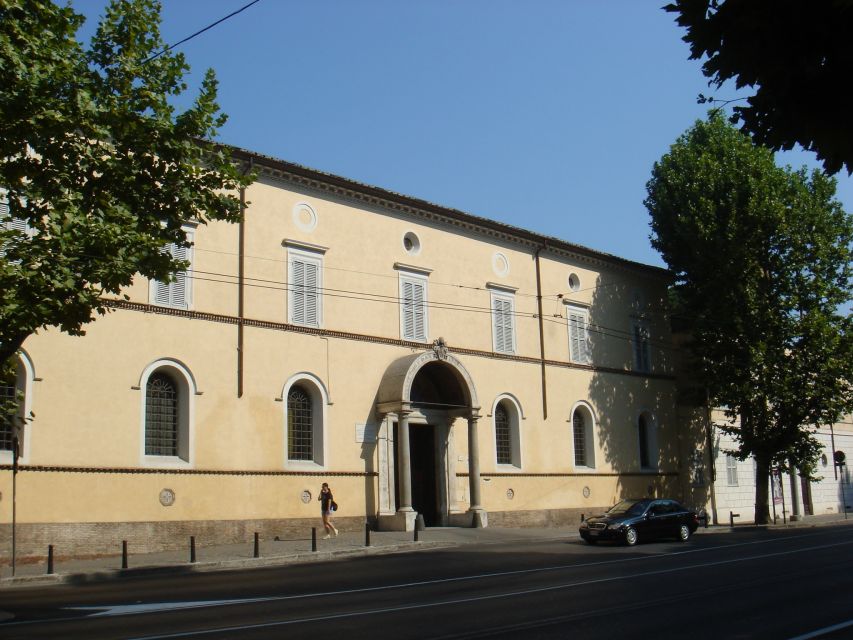
A lot of catacombs tours can make everything feel like generic underground rooms. This one stays anchored to a single person, which helps you understand the bigger pattern.
Think of it like this: once a community believed a particular burial was sacred, it became a destination. People returned. People brought offerings. Builders adapted spaces. Over time, a family hypogeum with an existing necropolis backdrop became the foundation for broader catacomb growth.
As you listen, try to track the site as a layered system:
- A family-controlled hypogeum holding Agnes’s burial
- Nearby surface tombs and mausoleums already present in the area
- A growing network that expanded as devotion increased
- Later church building that kept the story alive above ground
That framework makes the underground experience feel more purposeful. You are not just seeing “old tunnels.” You are seeing how belief made infrastructure.
A few more Rome options worth a look




The Surface Story You Hear Along the Way: Churches Built to Keep Agnes Close
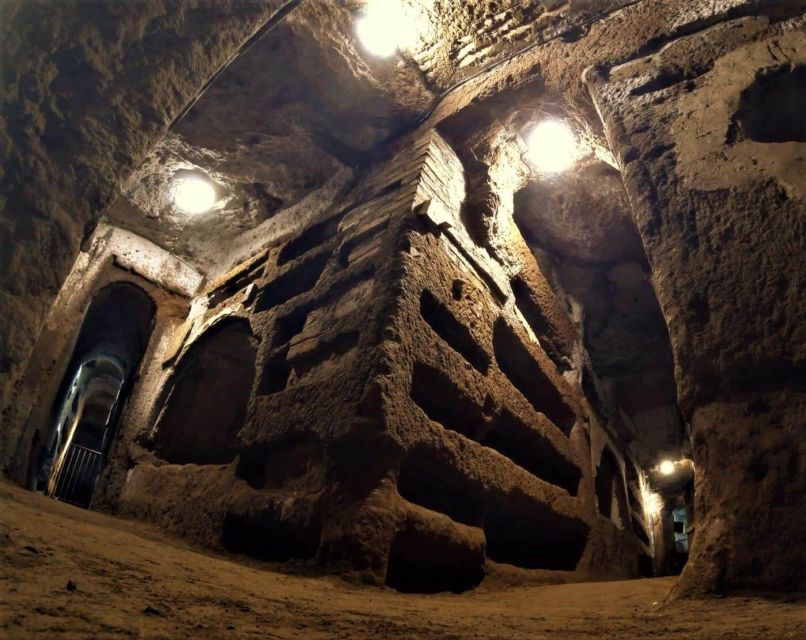
Even though the ticket is for the catacombs visit, the tour context includes the story of what Rome built around Agnes. Your guide explains how deep devotion shaped the sanctuary over the centuries with new surface buildings.
One major example is a basilica associated with Constantine or Constance, daughter of Emperor Constantine, described as being built in a Roman circus-like shape with an atrium. Later, Pope Honorius I raised the current basilica on Via Nomentana. This basilica is described as semi-underground and reachable from a grand staircase. That detail is helpful because it shows how the site blends public worship with the older underground burial focus.
The guide also explains the internal layout: a narthex, three naves, and a women’s gallery above. If you care about how early churches were designed, these are the kinds of specifics that make the history feel real rather than abstract.
Finally, you’ll hear about the mosaic in the apse, described as early medieval Roman mosaic art. It represents Agnes between Pope Honorius, holding a model of the church, and probably Pope Symmachus. Even if your visit is primarily underground, knowing what those images represent makes the site’s story click. The underground tomb draws the faithful; the church imagery helps them interpret it.
What You Need to Bring, and What You Must Leave Behind
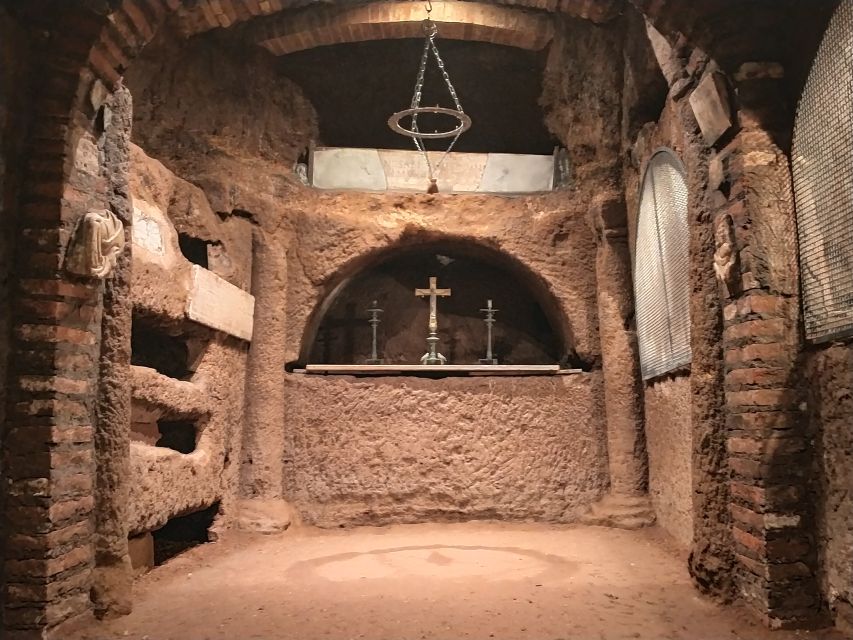
This is one of those tours where being prepared improves your experience immediately.
Bring:
- Comfortable clothes
- Comfortable shoes
Wear shoes you don’t mind walking in. Underground sites can mean uneven ground or steps, so treat this like a real walk, not a gentle museum stroll.
Do not bring:
- Cameras
- Oversize luggage
If you planned to capture photos for your group chat, you will need to adjust. Use your phone for your ticket only, and rely on the guide’s descriptions for the rest.
Who This Tour Suits Best, and Who Should Skip It
This experience is best for you if you want a fast, guided introduction to a major Roman martyr site. It’s also a good fit if you appreciate clear storytelling, since the guide brings dates, names, and changes to the site in a way that feels connected.
It may not suit you if:
- You have mobility impairments, since the experience is not suitable for that.
- You have claustrophobia. One important review note highlighted that you go about 9 metres underground, with space that is not tight, but the thought of being underground can still be a trigger for some people.
If you fall into that second category, don’t just hope it works out. Consider choosing a different kind of tour that stays above ground, or talk with your provider about what the underground area feels like before you book.
Price and Value: Is $16 for 30 Minutes Worth It?
At $16 per person for a 30-minute guided visit, the price feels reasonable for what you get. You’re paying for three things at once:
- Entry to a specialized site
- An official guide in your chosen language
- A timed visit format that keeps the experience efficient
You also avoid some friction. You get a skip-the-line benefit, and tickets by email with smartphone display remove the need to print anything. Those details add up when you’re touring Rome, where time and patience can disappear quickly.
The one thing to factor in is what’s not included. Food and drink are not included, and transportation to and from the catacombs is also on you. If you’re planning your day, bake that into your schedule, so you do not feel rushed right after the tour.
Smooth Way to Plan Your Stop at the Catacombs
Here’s how I’d plan it if I were building a day around this:
- Pick a start time that leaves buffer time afterward, so you can process what you learned.
- Arrive at the ticket office early enough to show your reservation at least 10 minutes before your tour.
- Wear comfortable shoes, and keep your bag small enough to avoid any issues with luggage rules.
- If you are sensitive to confined spaces, plan your mental comfort first. Underground places can play tricks on your expectations.
Also, keep the language choice in mind. If you want the story to land, selecting English, Italian, or French that you can comfortably follow is worth it.
Should You Book the Catacombs of Saint Agnes Tour?
Book it if you want a short, guided, high-meaning introduction to one of Rome’s most important martyr stories. The official guide and the focused 30-minute structure make the experience easy to fit into a busy itinerary. If you like history tied to a specific name, not just generic architecture, this one will satisfy.
Skip it if cameras matter to you, since cameras are not allowed. Also skip it if you have mobility challenges, because it’s not suitable for that. And if you deal with claustrophobia, take the underground depth seriously, even though reviewers note the space is not tight.
If you’re on the fence, think about your travel style. If you prefer guided clarity over wandering, this is a solid choice for the time you give it.
FAQ
Where is the meeting point?
Go directly to the ticket office of the catacomb. Show your reservation there at least 10 minutes before the scheduled tour.
How long is the guided tour?
The duration is 30 minutes.
How much does the ticket cost?
The price is $16 per person.
Which languages are available for the live guide?
The live tour guide is available in English, Italian, and French.
How do I get and use my tickets?
Your tickets are sent to you by email. You can show your reservation on your smartphone at the entrance.
Is the tour audio-guided or a live guide?
It includes a live guided tour with an internal official guide in your chosen language.
Are cameras allowed?
No, cameras are not allowed.
What should I bring?
Bring comfortable clothes and comfortable shoes.
Is this tour suitable for people with claustrophobia or mobility impairments?
No. It is not suitable for people with mobility impairments or claustrophobia.
How is cancellation handled?
Free cancellation is available up to 24 hours in advance for a full refund.
Latest additions from Rome
- Guided Tour Vatican Museums & Sistine Chapel★ 4.1 · 30 reviews
- Exclusive Rome by Night Vespa Tour★ 5.0 · 30 reviews
- Transfer Rome to Airports★ 4.5 · 30 reviews
- Vatican: St.Peter’s Basilica & Dome – Reserved Entry & Tour★ 4.1 · 30 reviews
- Rome street art tour: off the beaten path with a local guide★ 5.0 · 30 reviews
- Tivoli, Hadrians Villa and Villa d’Este, a charming day trip from Rome★ 4.5 · 30 reviews
- Rome Food Tasting with Wine Pairing Italian Authentic Flavors★ 5.0 · 31 reviews
- Inspirational Cooking on the Roman Chef’s Panoramic Terrace★ 5.0 · 30 reviews
Catacombs of Rome Tours, compared.
Capuchin Crypts and Catacombs Tour with Transfers
Read our review →
The Original Roman Crypts and Catacombs Tour with Transfers
Read our review →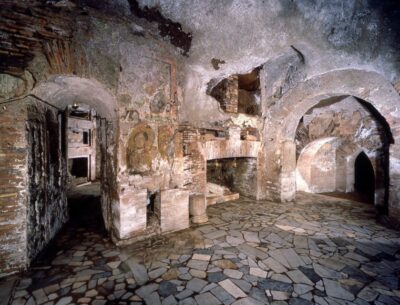
Catacombs of St. Callixtus Entry Ticket & Guided Tour
Read our review →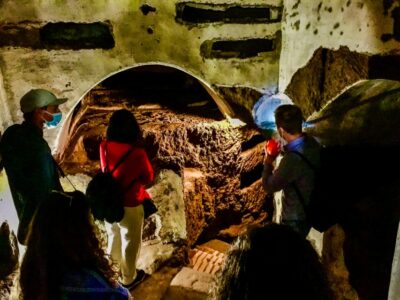

Catacombs and Capuchin Crypt Guided Tour with Transfer
Read our review →
Appian Way & Aqueducts E-Bike Tour (Catacombs & Food)
Read our review →
Appian Way, Catacombs, & Roman Aqueducts E-bike Tour
Read our review →Browse the lists this tour appears in