
Reviewed · PASTA AND TIRAMISU COOKING CLASSES
Authentic Roman Pasta & Tiramisu Experience with Italian Wine
Hands-on pasta starts in a Roman kitchen. In a 3-hour small-group class near Piazza Mattei, you make classic ravioli and tiramisu, then sit down to eat what you crafted, with Italian wine flowing throughout.
What I like most is how practical the session feels, from rolling dough the traditional way to assembling tiramisu step by step, even if you have never cooked before. I also like the group size, max 12 travelers, which means you can actually ask questions while you cook, not just watch.
One thing to consider is food safety and restrictions. It is not recommended for celiac people, gluten-free options are not included, and there may be traces of gluten and nuts.
In This Review
- Key Highlights You Will Feel Immediately
- Where Piazza Mattei Sets the Tone for Cooking
- How the Class Flows: From Dough to Dinner Table
- Roman Ravioli Skills You Can Actually Reuse
- Classic Tiramisu: The Dessert Part That Boosts Confidence
- Your Menu: What You Will Make and Eat
- The Chef and Small Group Size That Changes Everything
- Wine, Snacks, and the Real Mood of the Evening
- Dietary Restrictions and Allergy Reality Check
- Price and Value: What $118.63 Gets You
- Should You Book This Rome Ravioli and Tiramisu Class?
- FAQ
- How long is the Pasta and Tiramisu experience in Rome?
- Where is the meeting point?
- What will I make during the class?
- Is Italian wine included?
- What group size should I expect?
- Is there gluten-free support for celiac needs?
- Is pickup included, and what is the cancellation window?
Key Highlights You Will Feel Immediately
- Piazza Mattei meeting point makes it easy to plan the rest of your Rome day
- Hands-on ravioli with dough, filling, and shaping you do yourself
- Classic tiramisu masterclass so you can replicate the dessert at home
- Bottomless Italian wine in a relaxed, intimate setting
- Small group size (max 12) for more personal attention from the chef
- Take-home recipes to help you repeat the meal later
Where Piazza Mattei Sets the Tone for Cooking
This class starts right by Piazza Mattei, at Piazza Mattei 5 in central Rome. You do not need to figure out complicated logistics or wait for a bus, since the activity begins and ends back at the meeting point.
The setting matters more than you might think. The kitchen environment is described as warm and inviting, and that changes the vibe from a “show” into an evening where you actually participate. You will meet your chef there and get underway as a group of up to 12.
Since it is offered in English and designed for all skill levels, you can show up with zero confidence and still expect to leave knowing what to do next time. The goal is not culinary perfection. It is getting the techniques into your hands so you can recreate the dishes without guessing.
Other kitchens rolling pasta and folding tiramisu:
- 3 in 1 Cooking Class near Navona: Fettuccine, Ravioli & Tiramisu
★ 5.0 · 7,376 reviews - Rome: Pasta & Tiramisu Class with Fine Wine by the Vatican
★ 4.9 · 4,852 reviews - Rome: Pasta Making Class with Wine, Limoncello, and Dessert
★ 4.9 · 3,177 reviews - Rome Cooking Class: Make Pasta and 3 Spritz Cocktails
★ 5.0 · 2,937 reviews
How the Class Flows: From Dough to Dinner Table
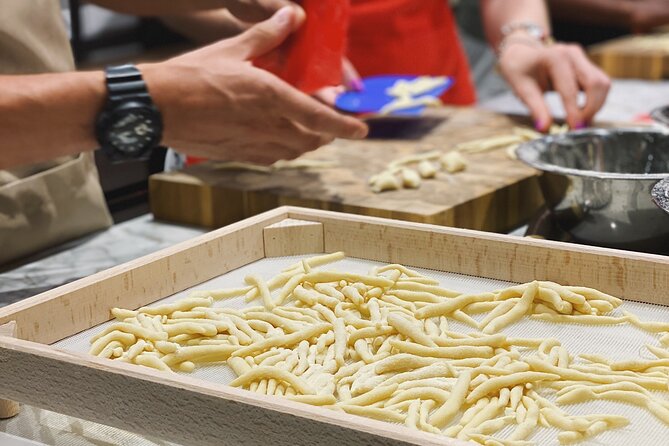
The experience follows a simple rhythm: learn by doing, then eat what you made. You start with pasta dough, move into ravioli, then finish with tiramisu. Along the way, you get light snacks to keep energy up, and the wine stays coming.
First you roll and work the pasta dough the traditional way. That sounds basic, but the practical value is in learning how the dough behaves, how it should feel, and how to handle it without tearing. Even if you have never rolled pasta, you get guidance from a professional Italian chef.
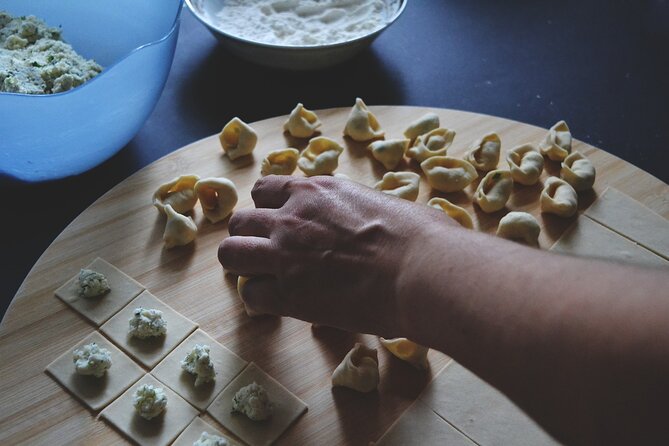
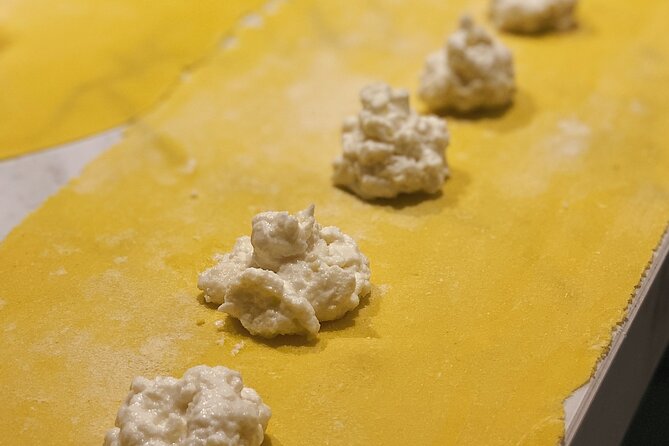
Then you fill, fold, and create your ravioli with fresh, locally sourced ingredients. Finally, tiramisu happens in dessert mode, with layering, whipping, and dipping. You are not just building a plate. You are building muscle memory you can use later.
By the end, you sit down and savor your handmade dishes in a relaxed setting. That matters in Rome, where a cooking class can sometimes feel like a sprint. Here, the intent is that the meal is part of the experience, not an afterthought.
Roman Ravioli Skills You Can Actually Reuse
Ravioli is where this class gets most “real.” You are learning to make classic ravioli, not a simplified version that only looks right on camera. You will mix, knead, and roll your dough, then craft pillowy ravioli using ingredients chosen for flavor and quality.
The biggest payoff is technique. When you learn how dough should be worked and how to portion the filling, you stop relying on timing tricks and start understanding the process. That is also why the class is suitable for beginners. The chef’s job is to translate the tradition into clear steps you can follow.
You also get insider tips and traditions, which is where many cooking classes feel like a demo. Here, the format is interactive, with time to ask questions. In the reviews, people repeatedly highlight instructors who made them feel like real cooks, not just students watching from the sidelines.
You might take comfort from how different chefs were mentioned by name in feedback. For example, Alessandro and Marco are praised for being engaging and fun, and Max gets credit for making the techniques clear. That variety is a good sign that the teaching approach is consistent, even when the menu details or pacing shift slightly by group.
Classic Tiramisu: The Dessert Part That Boosts Confidence
Tiramisu is a great match for a class like this because it is both approachable and easy to mess up if you do not know what to watch for. You learn the classic method: layer the components, whip correctly, and dip the elements properly so the texture lands right.
The practical value is in understanding the texture and timing. You learn the “why” behind the steps, not just the “do this.” That is what helps when you try it at home and wonder why yours turned out too wet, too dry, or flat in flavor.
In the feedback, people liked that tiramisu was both simple and satisfying, with instructors keeping it fun. One highlight was how excited people were to bring the skills home, specifically for recreating the dessert later for friends and family.
Also, since tiramisu happens after the cooking, you benefit from being in a calm rhythm. You have already been working with ingredients, so dessert feels like a natural finish, not a random add-on.
Your Menu: What You Will Make and Eat
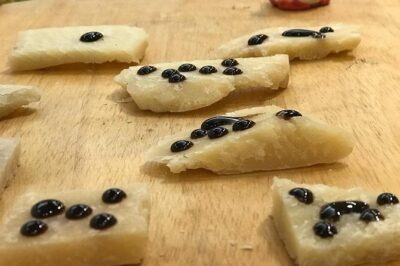
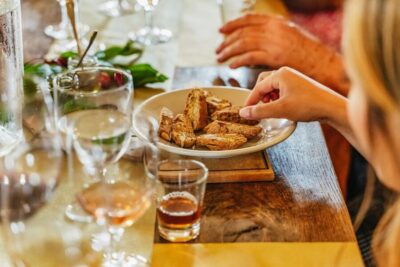
The sample menu gives you a clear picture of the evening. You start with a starter of Italian olives and crunchy taralli. It is a nice opening because it is snackable while you settle in, and it fits the Roman comfort-food vibe.
For the main, you make Roman pasta and traditional ravioli. You are not limited to assembling something store-bought. The class is designed for you to produce the pasta components yourself, then enjoy them afterward.
Dessert is classic tiramisu. And because the format is hands-on, you eat your own results rather than a plate prepared entirely by someone else.
If you like simple Italian staples, this menu will feel familiar without being boring. One review noted that the food felt like classic Italian basics but with a lot of small details and techniques people did not expect. That is exactly what makes this kind of workshop worth your time.
More Lazio bottles opened near Rome:


The Chef and Small Group Size That Changes Everything
The class runs with a maximum of 12 travelers, and that small size is a huge deal. In a larger class, you can feel stuck waiting your turn or asking questions too late. Here, you get room to work, and that means you learn faster.
It is also in the way chefs manage the group. Several instructors were mentioned by name in feedback, including Alessandro, Marco, and Max. People praised these chefs for being engaging, attentive, and fun, which is not just nice to hear. It directly affects how comfortable you feel asking questions.
In one review, a chef named Marco adjusted the experience so a 4-year-old could participate with hands-on elements. That suggests the instructor team is focused on keeping people included, even when abilities vary. It also hints that the class is more flexible than a strict “adult only” cooking lab.
Bottom line: the small-group format turns cooking from a task into a conversation. You will likely leave with little confidence boosts, like knowing why something worked the way it did, not just that it somehow turned out.
Wine, Snacks, and the Real Mood of the Evening
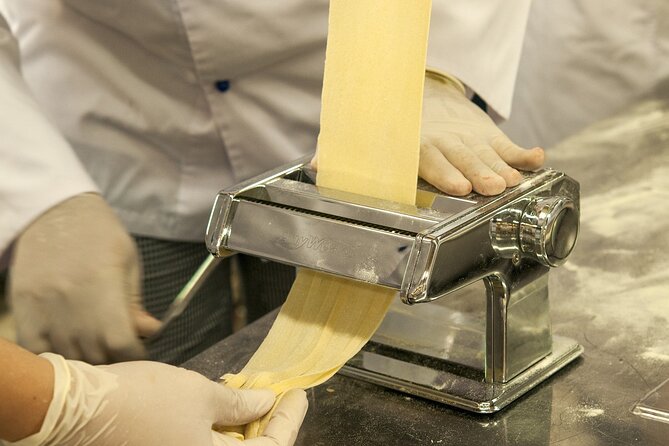
Yes, the wine is part of the experience. The class includes bottomless Italian wine throughout, plus light Italian snacks while you cook.
That changes the vibe in a practical way. You are not sitting in a classroom holding a pen. You are cooking, tasting, and chatting in a relaxed setting. In the feedback, people noted the wine kept flowing and made the class feel festive.
Still, keep your own pacing in mind. Unlimited wine can be fun, but it is also easy to lose track of time or details if you drink quickly. If you are the kind of person who likes to remember every step for later, you might take it slow and keep notes mentally.
Pairing wine with food is also a learning tool. When you make pasta and dessert in the same evening, you naturally think about flavor balance, not just technique. That is how the meal sticks with you beyond the final bite.
Dietary Restrictions and Allergy Reality Check
Here is the straightforward part. Gluten-free options are not included. The class is not recommended for celiac people, and there may be traces of gluten and nuts.
The good news is that they can accommodate most dietary restrictions. But if you have a severe gluten or nut allergy, this is not the safe pick based on the information provided.
If you fall somewhere in the middle, like you have a mild intolerance and want to confirm substitutions, you should plan to ask before booking. The description says they can accommodate most restrictions, but the trace warning is important.
If you are traveling with someone who needs strict gluten-free, you may want to skip this one and look for a dedicated gluten-free experience instead.
Price and Value: What $118.63 Gets You
The price is $118.63 per person for about 3 hours. That can feel like a splurge until you break down what is included.
You get professional chef guidance, hands-on instruction for pasta dough and ravioli, plus a tiramisu masterclass. You also get high-quality ingredients, light snacks, and bottomless Italian wine. Add in the take-home recipes, and you are not paying only for the meal, you are paying for the ability to repeat it.
This is also a value play for Rome. Cooking classes can range from short tastings to long dinner events, and costs vary widely. Here, you are spending a focused block of time making multiple items, then eating them, with wine included and a small group that supports real learning.
If you enjoy eating well and want something more memorable than a restaurant dinner, this class is a strong fit. It is not only about taste. It is about leaving with skills and a recipe stack you can use at home.
Should You Book This Rome Ravioli and Tiramisu Class?
You should book if you want a hands-on Rome cooking class where you make both ravioli and tiramisu yourself. The small-group size, English instruction, and time to ask questions make it practical for beginners. The wine and relaxed meal format also help turn it into an evening worth planning around.
You might skip it if gluten or nut exposure is a serious concern, especially if anyone in your group is celiac. Gluten-free options are not included, and the class is explicitly not recommended for celiac people.
If you want a cooking experience in Rome that feels authentic, social, and useful after your trip, this one fits the bill. For many people, it becomes one of the most fun meal memories because you are not only tasting Rome, you are cooking it.
FAQ
How long is the Pasta and Tiramisu experience in Rome?
It runs for approximately 3 hours.
Where is the meeting point?
You meet at Piazza Mattei, 5, 00186 Roma RM, Italy.
What will I make during the class?
You will learn to make classic ravioli and classic tiramisu. The main also includes Roman pasta and traditional ravioli.
Is Italian wine included?
Yes. Italian wine is included and is bottomless throughout the experience.
What group size should I expect?
The class has a maximum of 12 travelers and is designed as a small-group experience.
Is there gluten-free support for celiac needs?
No gluten-free options are included, and the experience is not recommended for celiac people due to traces of gluten and nuts.
Is pickup included, and what is the cancellation window?
Hotel pickup and drop-off are not included. Free cancellation is available up to 24 hours in advance for a full refund.
Latest additions from Rome
- Guided Tour Vatican Museums & Sistine Chapel★ 4.1 · 30 reviews
- Exclusive Rome by Night Vespa Tour★ 5.0 · 30 reviews
- Transfer Rome to Airports★ 4.5 · 30 reviews
- Vatican: St.Peter’s Basilica & Dome – Reserved Entry & Tour★ 4.1 · 30 reviews
- Rome street art tour: off the beaten path with a local guide★ 5.0 · 30 reviews
- Tivoli, Hadrians Villa and Villa d’Este, a charming day trip from Rome★ 4.5 · 30 reviews
- Rome Food Tasting with Wine Pairing Italian Authentic Flavors★ 5.0 · 31 reviews
- Inspirational Cooking on the Roman Chef’s Panoramic Terrace★ 5.0 · 30 reviews
Pasta and Tiramisu Cooking Classes, compared.
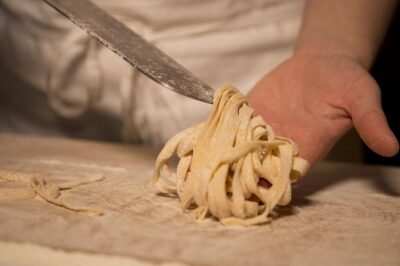
3 in 1 Cooking Class near Navona: Fettuccine, Ravioli & Tiramisu
Read our review →
Pasta & Tiramisu Class with Fine Wine by the Vatican
Read our review →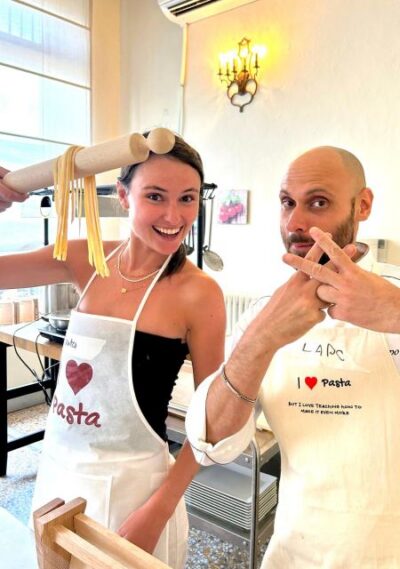
Pasta Making Class with Wine, Limoncello, and Dessert
Read our review →
Rome Cooking Class: Make Pasta and 3 Spritz Cocktails
Read our review →
3-in-1 Fettuccine, Ravioli, and Tiramisu Cooking Class
Read our review →
Fettuccine Pasta Cooking Class in Rome’s City Center
Read our review →
Learn to Make Pasta & Tiramisu with Wine and Limoncello Included
Read our review →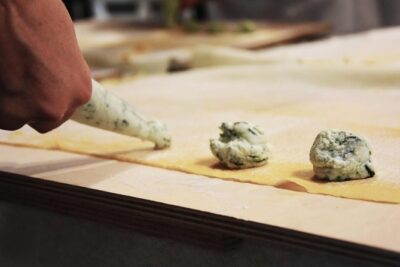
Become a Masterchef in Rome: Pasta, Ravioli and Tiramisù Class
Read our review →Browse the lists this tour appears in