
Reviewed · APPIAN WAY AND AQUEDUCTS TOURS
Appian Way and Aqueducts Electric Bike Tour
Four hours, one ancient road, big Rome energy. This Appian Way and Aqueducts e-bike tour is a smart way to see Rome’s outer monuments without spending the day stuck in traffic, and the expert guide keeps everything readable and practical as you ride.
I especially like that the route blends major stops like Circo Massimo and the Baths of Caracalla with quieter stretches that feel more like the countryside edge of Rome than a city checklist. You also get a mix of surface monuments and underground moments, including time at the Catacombs of Saint Callixtus.
One thing to consider: the riding can be a bit bouncy and rough in places, and you should be comfortable staying balanced on imperfect ground. The tour is for moderate fitness levels, and it is not recommended if you do not know how to ride a bike.
In This Review
- Quick hits you will care about
- Why the Appian Way by e-bike beats the usual Rome routine
- Meeting at Via dei Cerchi: gear up and get ready to roll
- From Circo Massimo to the Baths of Caracalla: start with spectacle and scale
- Porta San Sebastiano to the Catacombs: gates, guards, and going underground
- Circus of Maxentius to the Cecilia Metella tomb: monuments that feel personal
- The Villa dei Quintilii: where the Appian Way turns from road to lifestyle
- Parco degli Acquedotti and Caffarella Valley: aqueduct views with room to breathe
- Ninfeo di Egeria: the legend that ties the whole ride together
- Tickets, timing, and the real value of paying $90
- The guide factor: clarity, organization, and safety on rough ground
- Who this tour suits best, and who should skip it
- Should you book the Appian Way and Aqueducts e-bike tour?
- FAQ
- How long is the Appian Way and Aqueducts electric bike tour?
- What is included in the price?
- Which parts require extra admission tickets?
- Is this tour suitable for kids?
- Do I need previous bike experience?
- What is the group size?
- Where does the tour start and end?
Quick hits you will care about
- Small group of max 10 riders, so the pace feels human
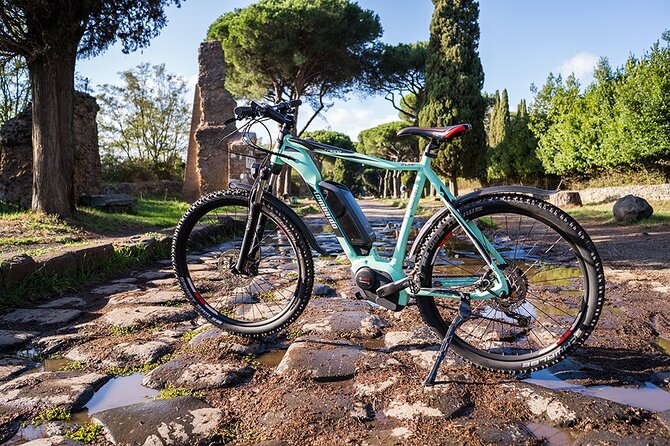
- Electric assist makes the Appian Way doable without turning it into a suffer-fest
- Helmet and phone holder included, so you can focus on the ride
- Some major sites cost extra, like the Baths of Caracalla and a couple of monuments along the way
- Green breaks in the aqueduct park and Caffarella Valley help break up the ruins
Why the Appian Way by e-bike beats the usual Rome routine
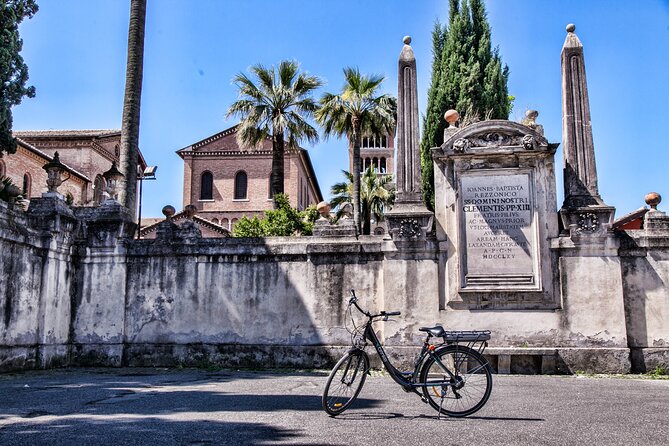
Rome can be loud. It can also be oddly repetitive if you only bounce between big-ticket landmarks. What I like about this tour is that it takes you off the most congested grid for a half-day ride, then strings together the kinds of ancient places that feel connected, not random.
The e-bike changes the math. You still get moving outside, you still see real, lived-in Rome edges, but you are not paying in legs for every uphill bump. That matters because the Appian Way and the surrounding archaeological parks include uneven stone and dirt paths where balance counts.
Most of the stops also work together thematically. You start with public spectacles, then you hit major civic spaces like the baths and gates, then you go underground at the catacombs, and finally you end in a greener stretch where aqueducts dominate the view. It feels like a story you can ride through, not just a series of selfies.
More E-Bike Tours in Rome
- Rome: Top Highlights & Hidden Gems Tour by Cannondale E-Bike
★ 4.9 · 1,760 reviews - Rome: Appian Way & Aqueducts E-Bike Tour (Catacombs & Food)
★ 4.9 · 1,498 reviews - Rome: Appian Way, Catacombs, & Roman Aqueducts E-bike Tour
★ 4.9 · 1,421 reviews - Rome by Night: E-bike Small Group Tour -Food & Wine (Option)
★ 4.9 · 1,233 reviews
Meeting at Via dei Cerchi: gear up and get ready to roll
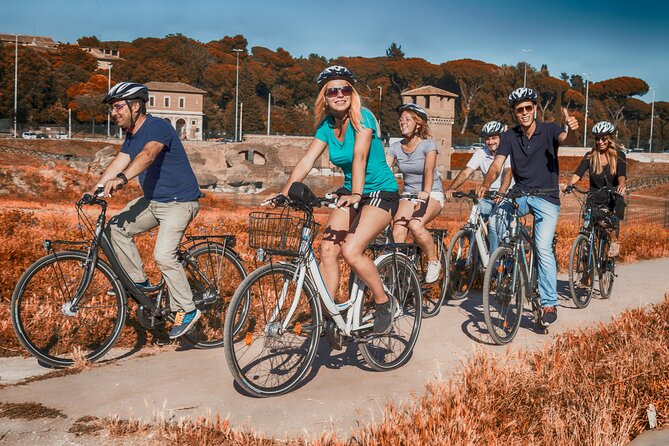
The tour starts at Via dei Cerchi, 59 (00186 Roma RM) and ends back at the same meeting point. You meet, get your helmet and confirm your e-bike size, then you ride out with the guide leading the group.
This is one of those tours where the first 15 minutes really matter. If you have never used an e-bike before, plan to practice starting, stopping, and gently turning before you get into the busier edges of the route. The better you feel at low speed, the more enjoyable the ancient stone sections become later.
Also, bring the right mindset. You do not need to be an athlete, but you do need to be willing to ride for long enough that moderate physical fitness helps. The tour is not designed for kids under 12, and it assumes you already know how to ride a bike.
From Circo Massimo to the Baths of Caracalla: start with spectacle and scale
Your ride opens at Circo Massimo, the Circus Maximus chariot-racing stadium. Even with just a short stop, it lands a big idea fast: ancient Rome loved crowds, speed, and power, and this is one of the original grand stages.
Next comes Terme di Caracalla (Baths of Caracalla). These were among the city’s largest public baths, built in the early 200s under emperors Septimius Severus and Caracalla, and they worked for centuries before falling into ruin. The time here is long enough to take in the space and understand why baths were more than washing. They were social hubs, workout zones, and status theaters all at once.
A practical note: admission to the Baths of Caracalla is not included, so expect a paid entry here. If you like to plan calmly, you can treat that as part of the “budget for the big interiors and monuments” portion of the day.
Porta San Sebastiano to the Catacombs: gates, guards, and going underground
At Porta San Sebastiano, you get a clear view into Rome’s defensive history. This is the largest and one of the best-preserved gates in the Aurelian Walls. It is the kind of stop that helps your brain connect the dots between streets, walls, and what the city protected.
Then you head to the highlight for many people who want Rome beyond surface ruins: Catacombs of Saint Callixtus. This stop runs about 30 minutes, and it is located in a notably walk-friendly area, which helps if the day includes uneven riding. The catacombs offer a different pace, quieter and more enclosed than the open-air sites.
Admission here is free, which is a nice surprise. It also means your main “paid admission” moments are concentrated in just a few later stops.
What to keep in mind is mood. If you tend to get rushed in crowds, this segment is more about steady attention. Slow down mentally, listen to the guide’s explanations, and let the scale of underground Rome sink in.
Circus of Maxentius to the Cecilia Metella tomb: monuments that feel personal
After the catacombs, you move to Circus of Maxentius. Like Circo Massimo, this connects you to ancient spectacle, but in a more grounded way. It is part of a larger complex erected by Emperor Maxentius on the Via Appia in the late 300s, and the stop gives you context for how long these ideas lasted across different eras.
Next is Mausoleo di Cecilia Metella and the surrounding area at the Parco Archeologico dell’Appia Antica. This tomb is one of the best-preserved along the Via Appia. It was built in the 1st century BC, and the monument’s association with Caecilia Metella makes it feel specific, not generic.
Admission at the Mausoleum is not included, so again, budget for one or two paid entries during the ride. Even if you are not chasing tickets, this stop matters because it is a strong visual anchor. You can see how the Appian Way line connects monuments through time.
More of the Appian Way and the aqueducts:
The Villa dei Quintilii: where the Appian Way turns from road to lifestyle
You then visit Villa dei Quintilii, a Roman villa complex beyond the fifth milestone on the Appian Way Antica. This is where Rome shows a different face: wealth, culture, and architecture for people who did not live for public crowds.
The villa was created by the Quintilii brothers, who held high office in the 2nd century AD. That matters because villas like this were statements. They were not hidden retreats. They were placed close to major roads because prestige loves easy access.
Admission here is also not included, and the stop runs about 30 minutes. If you want the best return on the paid portion of your day, this is the kind of site where it pays to listen. The guide’s explanation helps you connect what you see to how people lived.
Parco degli Acquedotti and Caffarella Valley: aqueduct views with room to breathe
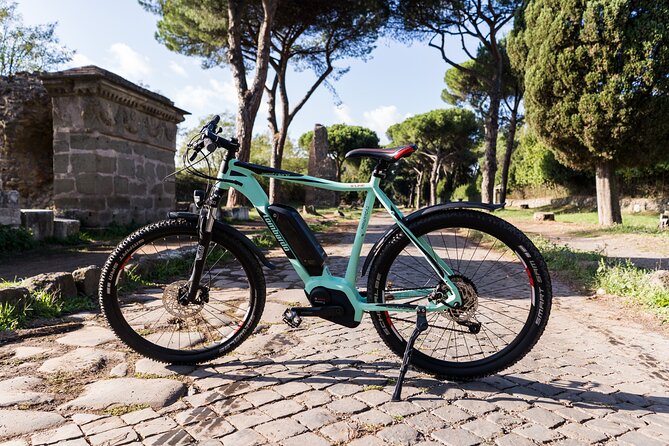
Now the day shifts toward what makes this tour memorable for many people: outdoor breathing space. The ride takes you into Parco degli Acquedotti, the Archaeological Park of the Appia Antica, named for the aqueducts that run through it. You also see parts of the Aqua Felix and segments of the Aqua Claudia, plus remains like Villa delle Vignacce.
This segment runs about 40 minutes. That extra time matters, because aqueduct areas are not just “look and move on.” You need a moment to let the sheer engineering sink in, and you need a safe window to navigate the paths without feeling rushed.
Then you head to Parco della Caffarella, in the Parco Regionale Appia Antica. This is a large park in the heart of the regional area, defined by the Caffarella Valley, bordered by Via Latina and the Appian Way. The stop gives you a break from stone monuments, and it often feels greener, calmer, and more real.
Admission here is free, which again makes the day feel like good value. You get real sightseeing without constantly paying extra for every piece of scenery.
One more practical reality: some sections are rocky or uneven. This is where your earlier “slow and steady” bike skills pay off. If you are careful, the ride stays fun. If you feel wobbly, the guide can help you find a comfortable pace.
Ninfeo di Egeria: the legend that ties the whole ride together
The tour ends with Ninfeo di Egeria, linked to a legendary nymph named Egeria. In Rome’s early stories, Egeria is tied to Numa Pompilius, the second king of Rome, with the idea that she advised him, including laws and religious rituals. Later, her name becomes a symbol for a female counselor.
It is a fitting finale because this is exactly how the Appian Way area works in your head when the day goes well. Roads, water systems, and monuments all connect to power and ritual, not just building styles.
This stop is about 20 minutes and is free. It also provides a softer ending point than a massive ruin. You are still in the ancient world, but the guide’s storytelling makes it feel human and explainable.
Tickets, timing, and the real value of paying $90
At $90.02 per person for a tour of about four hours, you are paying for three things that add up fast in Rome: guided interpretation, an e-bike with basic safety gear, and a concentrated route that strings multiple sites together.
What you get included:
- several sizes of quality e-bikes
- helmet
- mobile phone holder
What you should expect to pay for separately:
- Terme di Caracalla (admission not included)
- Mausoleo di Cecilia Metella (admission not included)
- Villa dei Quintilii (admission not included)
Everything else listed is free, including Circo Massimo, Porta San Sebastiano, Catacombs of Saint Callixtus, Circus of Maxentius, Parco degli Acquedotti, Parco della Caffarella, and Ninfeo di Egeria.
So is it good value? For me, yes, if you want variety. You are not paying for each site separately and also spending most of your time commuting. You are getting a guided route where the e-bike does the heavy lifting and the guide turns ruins into something you can actually remember.
The guide factor: clarity, organization, and safety on rough ground
A recurring theme in the guide praise you can see by name includes Monica, Adriana, Monika, Filipe, and Milton. What stands out in those names is not just that they know Roman sites, but that they manage the group and keep explanations clear in English.
That matters on an e-bike tour because the hard part is rarely the facts. It is keeping everyone comfortable on the ride. Small group size helps, but the guide’s job is also to pace the stops, manage the flow through different terrain, and make sure you do not feel lost.
If you are doing this as a first e-bike day, focus on one goal: stay relaxed and ride predictably. The more confident you feel, the more you enjoy the moments where the route feels ancient close up.
Who this tour suits best, and who should skip it
This tour fits best if you want an active, outdoors-heavy Rome experience and you like being guided through multiple kinds of sights.
It is especially good for:
- people who want to see the Appian Way and aqueduct area without spending a full day on buses
- couples, friends, and small groups who enjoy a steady pace and short stops
- anyone who likes story-led history, including the legend of Egeria
It is not ideal for:
- anyone who does not already know how to ride a bike
- families with kids under 12
- people who are not comfortable with uneven, sometimes rocky terrain
If you are planning this day on the heels of lots of walking, consider it as an active choice, not a relaxed sightseeing cruise. You will be moving.
Should you book the Appian Way and Aqueducts e-bike tour?
Book it if you want a half-day that feels like Rome beyond the center. The combination of e-bikes, iconic Appian Way monuments, and outdoor aqueduct parks is a strong match for people who get bored by only seeing the same compact core of sights.
Skip it or rethink it if rough terrain will stress you out. The route can be bouncy and uneven, and this tour assumes you can stay steady on a bike. Also, if paid entrances would be a deal-breaker for your budget, you should know ahead of time that the Baths of Caracalla and two monuments later on are not included.
If you fit the bike-comfort and moderate fitness sweet spot, you are likely to come away feeling like you actually rode through ancient Rome’s logic, not just looked at it.
FAQ
How long is the Appian Way and Aqueducts electric bike tour?
The tour runs about 4 hours.
What is included in the price?
The tour includes an electric bike (available in several sizes), a helmet, and a mobile phone holder.
Which parts require extra admission tickets?
Admission for Terme di Caracalla is not included. Admission is also not included for the Mausoleo di Cecilia Metella and Villa dei Quintilii. Other listed stops are marked as free.
Is this tour suitable for kids?
It is not recommended for kids under 12 years old.
Do I need previous bike experience?
Yes. It is not recommended for those who do not know how to ride a bike.
What is the group size?
The tour has a maximum of 10 travelers.
Where does the tour start and end?
It starts at Via dei Cerchi, 59, 00186 Roma RM, Italy, and ends back at the same meeting point.
Rome Between the Cobbles
- Rome: Standard or E-Bike Highlights Guided Tour
★ 4.7 · 777 reviews - Appian Way & Aqueducts small group e-bike tour(catacombs & food)
★ 5.0 · 531 reviews - Rome: E-Bike Sunset Tour with Pizza Option
★ 4.9 · 428 reviews - Rome: Appian Way, Catacombs & Aqueducts by eBike + Transfer
★ 4.9 · 421 reviews
Latest additions from Rome
- Rome: Testaccio Market Food Tour with Street Food & Wine★ 5.0 · 8 reviews
- Exclusive Pasta & Tiramisu Class with Wine near by Colosseum★ 5.0 · 8 reviews
- Private Professional Photoshoot in Rome★ 5.0 · 8 reviews
- Loreto “Shrine of the Holy House of the Virgin Mary” Private Tour from Rome★ 5.0 · 8 reviews
- Rome Day to discover Florence and Pisa Hotel Pickup★ 4.5 · 8 reviews
- Rome: Christmas Nativities and Angels Tour★ 3.1 · 8 reviews
- Guided Tour of Vatican Museums and Sistine Chapel★ 5.0 · 8 reviews
- Rome: Cooking Class of fresh Pasta and Tiramisu Cake★ 5.0 · 8 reviews
Appian Way and Aqueducts Tours, compared.
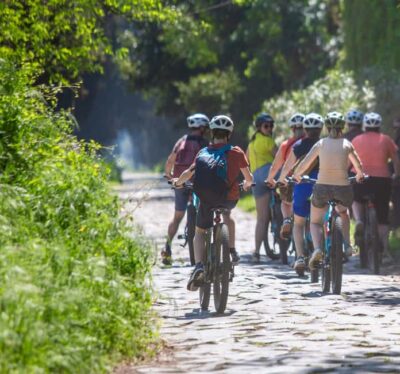
Appian Way & Aqueducts E-Bike Tour (Catacombs & Food)
Read our review →
Appian Way, Catacombs, & Roman Aqueducts E-bike Tour
Read our review →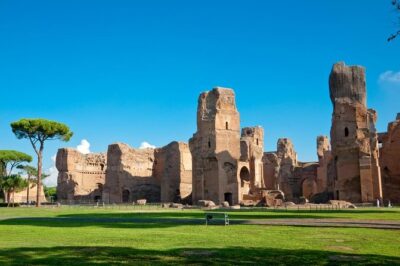
Appian Way Aqueducts Bike Tour (Catacombs & Lunch Option)
Read our review →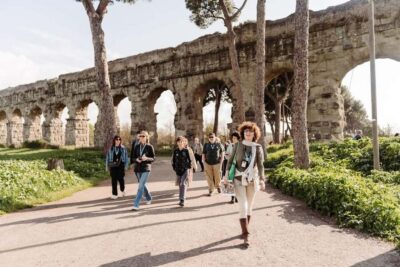
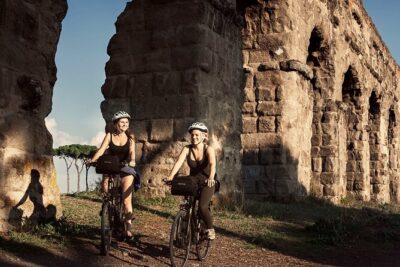
Appian Way, Catacombs and Aqueducts Park Tour with Top E-Bike
Read our review →
Appian Way Aqueducts Bike Tour (UPG Catacombs & Lunch)
Read our review →
Rome Catacomb & Appian Way Small-Group Tour by Golf Cart
Read our review →
Appian Way & Aqueducts small group e-bike tour(catacombs & food)
Read our review →Browse the lists this tour appears in