
Reviewed · E-BIKE TOURS IN ROME
Rome: Top Highlights & Hidden Gems Tour by Cannondale E-Bike
Rome by e-bike feels like cheating, politely, because you get a big-sights Rome overview in one relaxed small-group ride. I love how the route links iconic stops like the Colosseum and Pantheon with calmer side streets that help the city feel less chaotic.
I also love the bike setup. A well-kept Cannondale e-bike with anti-puncture tires makes the climbs and starts feel manageable, even when the city gets busy.
One consideration: this is a highlights tour, not a slow, sit-down, museum marathon. If you want long inside visits, expect the stops to be more about seeing, photographing, and moving on.
In This Review
- What You’ll Remember Most on This Rome E-Bike Tour
- From Via Labicana to First Views: How the Tour Sets You Up
- Colosseum Stop: Seeing the Icon Without the Big-Crowd Strain
- Roman Forum and Imperial Fora: Where the City Feels Like a Puzzle
- Piazza Venezia and the Vittoriano: A Viewpoint Break That Feels Worth It
- Trevi Fountain and the Crowd Equation
- Spanish Steps and Piazza del Popolo: The Rome Postcard Route
- Villa Borghese and the Pincio Terrace: Rome From Above
- Piazza Navona and the Theatre of Marcellus: Rome’s Street-Life Side
- The Jewish Ghetto and Portico di Ottavia: A More Lived-In Pause
- Safety, Bike Comfort, and How the Ride Actually Feels
- What $85 Really Buys You: Value for a 4-Hour Rome Overview
- Who This Tour Fits Best, and Who Might Prefer Something Else
- Should You Book This Rome E-Bike Highlights Tour?
- FAQ
- Where does the tour start?
- How long is the Rome e-bike tour?
- How far will we ride?
- What kind of bikes are provided?
- Do I need to wear a helmet?
- What’s the group size?
- What languages are the guides available in?
- Is the tour suitable for children and infants?
- What’s included in the price?
- Is there free cancellation?
- Is it ever canceled or changed due to crowds or events?
What You’ll Remember Most on This Rome E-Bike Tour
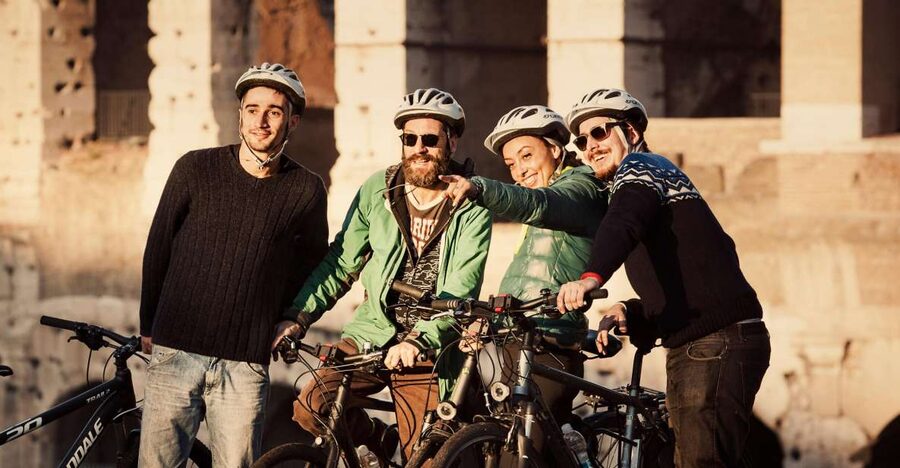
- Cannondale e-bikes with anti-puncture tires that make the riding feel steady
- 14 kilometers (8.5 miles) covered in about 4 hours, with a leisure pace
- A route built for quiet lanes and smart safety flow, not main-road chaos
- Time for postcard moments, like the Pantheon, Trevi Fountain, and viewpoints over Rome
- Stops that go beyond the obvious, including the Jewish Ghetto area and Portico di Ottavia
- Story-led guiding from people like Oscar, Fabio, and Bita, often praised for pacing and keeping you together
From Via Labicana to First Views: How the Tour Sets You Up
Most days start at Via Labicana 49, a short walk from the Colosseum area. You show up, fit your helmet (mandatory), grab your handlebar bag, and get on the bike without ceremony. The admin team runs this like they want you riding, not waiting.
Then the guide does something that matters: they set expectations for how the group will move. With a max group size of 10 participants, it’s easier to stay together, which makes a huge difference in Rome where crosswalks and scooters have their own opinions.
The “e” part also changes how you experience the city. You still pedal, but the bike smooths out the hills and the stop-and-go moments. It’s one of the best ways to see Rome when you want the geography (seven hills and all) but not the leg fatigue.
More E-Bike Tours in Rome
- Rome: Appian Way & Aqueducts E-Bike Tour (Catacombs & Food)
★ 4.9 · 1,498 reviews - Rome: Appian Way, Catacombs, & Roman Aqueducts E-bike Tour
★ 4.9 · 1,421 reviews - Rome by Night: E-bike Small Group Tour -Food & Wine (Option)
★ 4.9 · 1,233 reviews - Rome: Standard or E-Bike Highlights Guided Tour
★ 4.7 · 777 reviews
Colosseum Stop: Seeing the Icon Without the Big-Crowd Strain
You’ll spend time at the Colosseum, the obvious starting point for any Rome highlights loop. What I like here is that the tour gives you a proper look, not just a quick pass-by. You’re close enough to orient yourself, and far enough to absorb the scale.
This is also where your brain starts connecting Rome’s layers. The guide’s stories typically frame the Colosseum in context, then you move on toward the older administrative heart of the city. Even if you know the basics already, it helps to watch the skyline shift while the story shifts with it.
One practical upside of being on bikes: you aren’t stuck in the same bottlenecks tour buses face. You may still deal with crowds around major landmarks, but the flow into and out of the area tends to feel more controlled than walking alone.
Roman Forum and Imperial Fora: Where the City Feels Like a Puzzle
After the Colosseum, you’re headed into the Roman Forum zone and the Imperial Fora area. These stops are where Rome goes from photo-friendly monuments to a place you can actually picture as a living system.
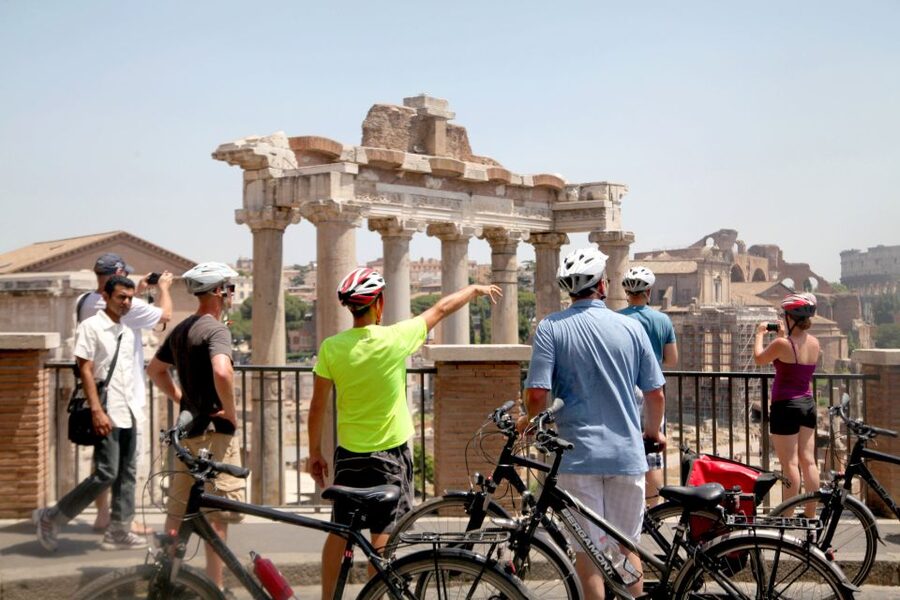
I like that this tour treats the Forum as more than one famous ruin. You get the chance for panoramic views of the Roman Forum, so you can step back and understand the layout instead of just reading plaques. It’s the difference between collecting landmarks and understanding how they connect.
A note on pacing: the route is designed to keep you moving at a leisure-intermediate level for a total of 14 km. That’s smart, because Rome’s biggest landmarks can eat your whole day if you treat them like separate vacations. Here, you get a strong overview so you can decide later what deserves your slow time.
Piazza Venezia and the Vittoriano: A Viewpoint Break That Feels Worth It
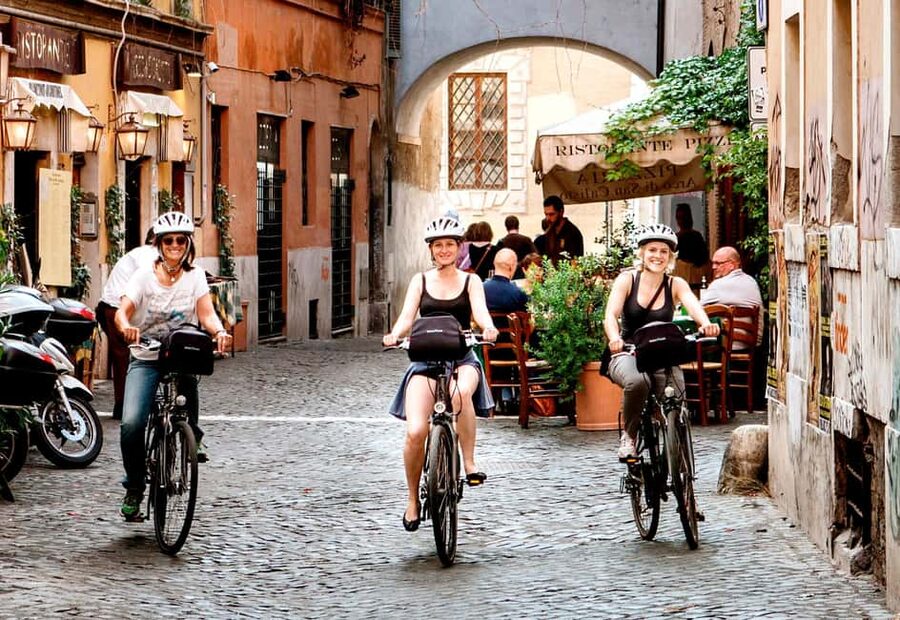
The tour also includes time around Piazza Venezia and the Vittoriano monument. This is one of those Rome moments where the city suddenly looks like a stage set, with dramatic stone and wide lines.
Why it works on a bike tour: it gives you a breather between dense historic zones. You stop, regroup, take photos, then roll forward through streets that usually feel easier than the busiest main corridors.
If you like architecture or you simply want a clear “where am I?” moment, this pause helps. It gives you orientation for the rest of the day, especially as the route shifts toward fountains, steps, and bigger squares.
Trevi Fountain and the Crowd Equation
Next up: Trevi Fountain. Yes, it’s tourist-central. But the value of seeing it on this tour is timing and context. You’re not just grabbing a snapshot; you’re also learning how the fountain fits into the wider city grid you’re riding.
The e-bike approach can make Trevi feel less like a slog. Instead of getting trapped for hours, you get a look, you take pictures, and you continue. You keep your energy for the next stops, which is exactly what you want with a 4-hour schedule.
Do keep your expectations real. This is a must-see landmark, so you’ll likely feel the energy of the place. If you want a quiet Trevi Fountain experience, you probably wouldn’t choose a highlights tour on a limited timeline.
More of Rome taken on two wheels:
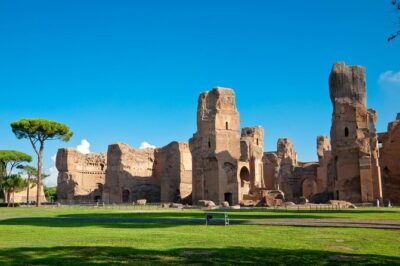
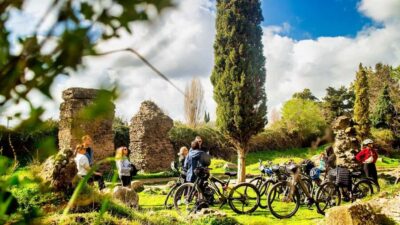
Spanish Steps and Piazza del Popolo: The Rome Postcard Route
From Trevi, the tour heads toward the Spanish Steps and on to Piazza del Popolo. This section is famous for a reason, but it can also feel exhausting if you’re doing it entirely on foot.
On bikes, it’s a more comfortable way to cover the “greatest hits” stretch. You can slow down for photos, then roll on before your feet turn into complaining machines. The guide helps you keep pace, and because the group is small, you’re less likely to feel like you’re herding cats in the street.
Piazza del Popolo also matters because it acts like a pivot point. It’s a wide, open square where you can breathe and reset your sense of direction before heading into more scenic, elevated areas.
Villa Borghese and the Pincio Terrace: Rome From Above
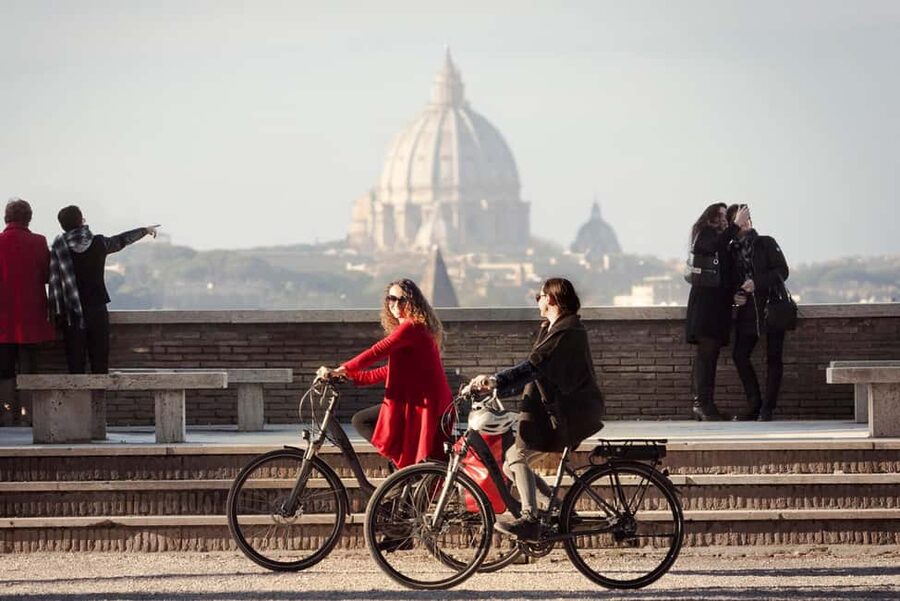
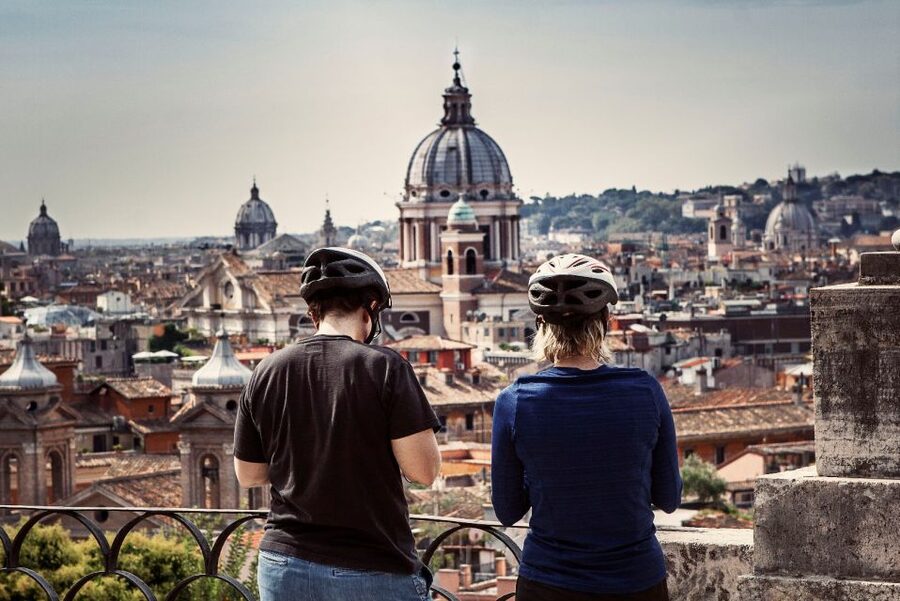
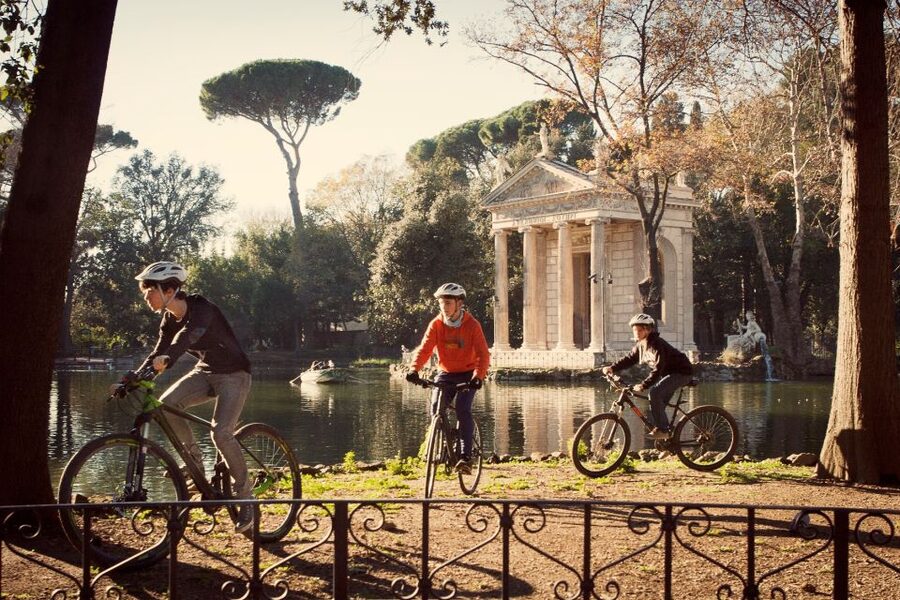
Then comes one of the tour’s best moments: Villa Borghese and the Pincio terrace view of Rome. This is the payoff for mixing famous landmarks with less obvious routing. Instead of only looking at Rome from street level, you get to see the city spread out.
I like these viewpoint stops because they help you mentally file what you just saw. The Colosseum and the Forum become part of a bigger picture, and Rome’s scale stops being abstract.
The guide’s storytelling style matters here too. A few of the names that show up in groups for this tour style include Oscar and Fabio, and the common thread in their guiding is pacing. You get enough context to make the view mean something, without turning it into a lecture.
Piazza Navona and the Theatre of Marcellus: Rome’s Street-Life Side
You’ll also stop at Piazza Navona, known for its lively square feel and classical connections, including links to Domitian’s former stadium. This is Rome at human speed. Even when it’s busy, it feels more like an outdoor room than a monument platform.
After that, you get a stop at the Theatre of Marcellus, which is a different type of Roman landmark. It’s not only about what you’re looking at; it’s about the rhythm of the city around it. The guide can help you see how these structures influenced public life.
Why this works on an e-bike: you’re not stuck choosing between “must-see” and “interesting.” You see both. One is a headline, the other makes you feel like you’re discovering Rome rather than only consuming it.
The Jewish Ghetto and Portico di Ottavia: A More Lived-In Pause
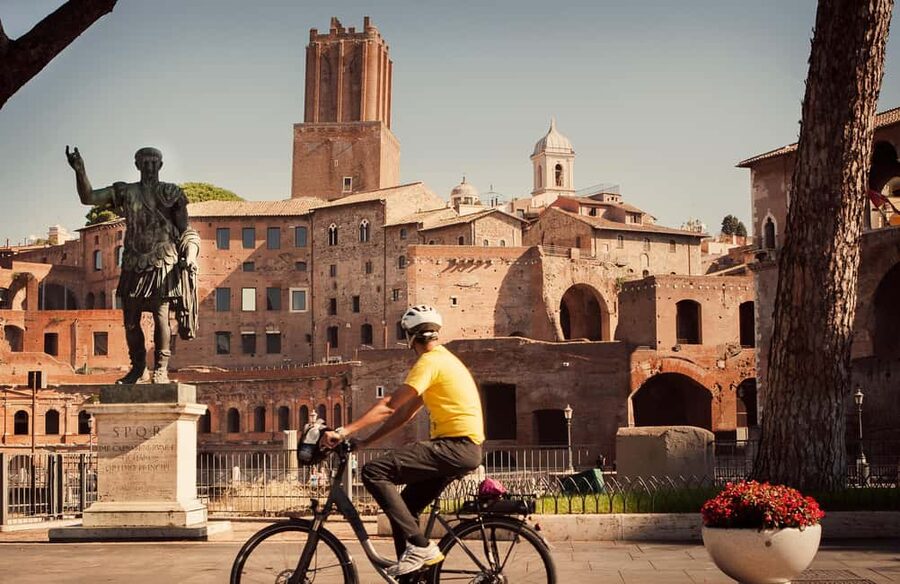
A standout included stop is the Jewish Ghetto area and the Portico di Ottavia. This portion gives you a quieter, more neighborhood feeling compared to the busiest landmark hubs.
It’s valuable because it shows Rome beyond the top postcards. You’re still in the city center, still close to big history, but the atmosphere shifts. It’s the kind of segment where your guide’s explanations can make the streets feel legible.
Here’s what I recommend: slow down your mental pace. Even with an e-bike, you benefit from looking at details, street geometry, and how people move. This area rewards attention more than speed.
Safety, Bike Comfort, and How the Ride Actually Feels
The tour is 14 kilometers (8.5 miles) over about 4 hours at a leisure difficulty level. That’s a key point. You’re not training for a cycling event. You’re moving through Rome efficiently, with enough time at stops for photos and orientation.
Helmet use is mandatory, and the bikes come with anti-puncture tires. Those two details alone reduce the kind of anxiety that can ruin a “just enjoy it” day.
Group management is another big theme in the guiding style that consistently comes up, with guides like Zac, Meghan, and Ghazaleh mentioned for keeping people together and controlling pacing. In a city like Rome, that group discipline is safety.
One extra bike-handling tip shows up in a rider note: their guide gave a simple habit about brakes, using the right brake and not relying on the left. You should always follow your guide’s instructions for your own bike, but it’s a good reminder that you’ll likely get practical guidance tailored to riding comfort.
What $85 Really Buys You: Value for a 4-Hour Rome Overview
For $85 per person and a 4-hour experience, you’re paying for three things at once: transportation, guided route knowledge, and time efficiency. In Rome, that combination is hard to recreate on your own without spending energy figuring out logistics.
You also get clear inclusions that matter on a practical level:
- a quality Cannondale e-bike
- local guide
- helmet (mandatory)
- handlebar bag
- a biodegradable bottle of water
That’s not just convenience. It means you start the tour ready, with less decision fatigue. If you’re the type who hates wasting daylight on transportation puzzles, this format is a strong deal.
Also, you cover a dense chunk of city center sights in one go. That’s worth money because it saves days of scheduling. The real win is that you’ll come away with a shortlist of what deserves your next visit, whether that means returning to an area for longer or booking timed entries separately.
Who This Tour Fits Best, and Who Might Prefer Something Else
This tour works well if you want a first or second-day Rome overview. You’ll see major landmarks like the Colosseum, Pantheon, Trevi Fountain, and Spanish Steps, plus additional stops that broaden your picture of the city.
It’s also a great option if walking has limits. The e-bike helps you cover hills and distance without turning the day into a leg-only story.
Kids can ride too, with specific rules: infants under 1 year are not allowed; ages 1 to 4 can travel on a child seat and ride for free; ages 5 to 8 get a child extension; age 9 and above can ride independently on an appropriately sized e-bike. If you’re traveling as a family, this is one of the more structured ways to keep everyone moving together.
Skipping the tour is smart if you’re not comfortable riding a bike in a busy city environment. Even with safer routing and a guide-led pace, you need basic confidence and the willingness to follow instructions closely.
Should You Book This Rome E-Bike Highlights Tour?
I think you should book it if you want a 4-hour, city-center Rome overview that mixes big names with meaningful neighborhood detours. The small group size, the bike quality, and the focus on safer riding routes make it a strong “get your bearings fast” option.
Book it early in your trip if you can. The day gives you enough context to decide what to revisit on foot, where to spend longer, and what simply isn’t worth your extra time. And if you’re traveling with limited energy, the e-bikes let you keep your day fun instead of turning it into an endurance test.
If you want long museum time or you only want one landmark per visit, this probably won’t be your best fit. But for most people trying to see Rome efficiently, with a guide who can keep the group together and the stops purposeful, this is a very solid bet.
FAQ
Where does the tour start?
The meeting point is Via Labicana 49, in the shop location. It’s described as a few-minute walk from the Colosseum.
How long is the Rome e-bike tour?
The tour lasts 4 hours.
How far will we ride?
The distance covered is 14 kilometers (8.5 miles).
What kind of bikes are provided?
You ride quality Cannondale e-bikes with anti-puncture tires.
Do I need to wear a helmet?
Yes. A helmet is mandatory for the tour.
What’s the group size?
It’s a small group, limited to 10 participants.
What languages are the guides available in?
Live tour guides are available in Spanish, French, German, Dutch, Italian, and English.
Is the tour suitable for children and infants?
Infants under 1 year are not allowed. Children 1 to 4 ride on a child seat and travel free of charge. Children 5 to 8 have a child extension tag-along provided. Children 9 and above can ride independently on an appropriately sized e-bike.
What’s included in the price?
Included items are the Cannondale e-bike, local guide, helmet, handlebar bag, and a biodegradable bottle of water.
Is there free cancellation?
Yes. You can cancel up to 24 hours in advance for a full refund.
Is it ever canceled or changed due to crowds or events?
A minimum of 4 participants applies. If that minimum is not reached, you’ll be offered an alternative or a full refund. Also, in the event of official public celebrations in the city center, the operator may substitute one or more highlighted stops.
Latest additions from Rome
- Guided Tour Vatican Museums & Sistine Chapel★ 4.1 · 30 reviews
- Exclusive Rome by Night Vespa Tour★ 5.0 · 30 reviews
- Transfer Rome to Airports★ 4.5 · 30 reviews
- Vatican: St.Peter’s Basilica & Dome – Reserved Entry & Tour★ 4.1 · 30 reviews
- Rome street art tour: off the beaten path with a local guide★ 5.0 · 30 reviews
- Tivoli, Hadrians Villa and Villa d’Este, a charming day trip from Rome★ 4.5 · 30 reviews
- Rome Food Tasting with Wine Pairing Italian Authentic Flavors★ 5.0 · 31 reviews
- Inspirational Cooking on the Roman Chef’s Panoramic Terrace★ 5.0 · 30 reviews
E-Bike Tours in Rome, compared.
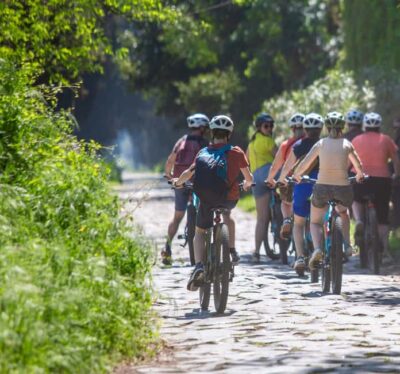
Appian Way & Aqueducts E-Bike Tour (Catacombs & Food)
Read our review →
Appian Way, Catacombs, & Roman Aqueducts E-bike Tour
Read our review →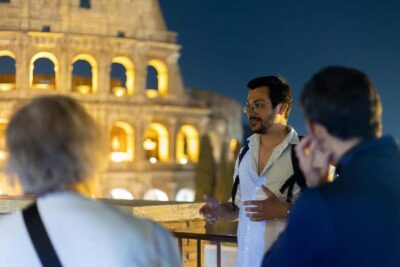
Rome by Night: E-bike Small Group Tour -Food & Wine (Option)
Read our review →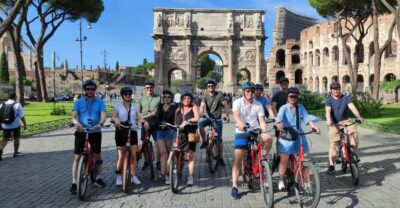
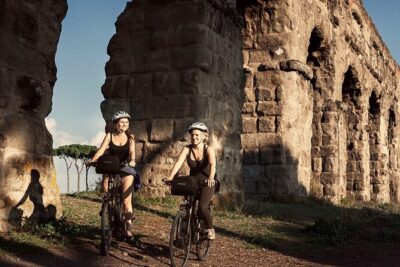
Appian Way, Catacombs and Aqueducts Park Tour with Top E-Bike
Read our review →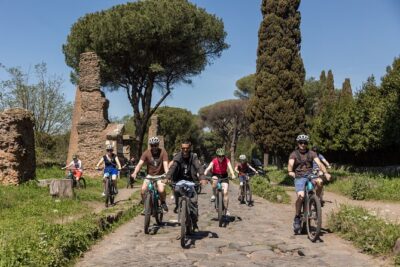
Appian Way & Aqueducts small group e-bike tour(catacombs & food)
Read our review →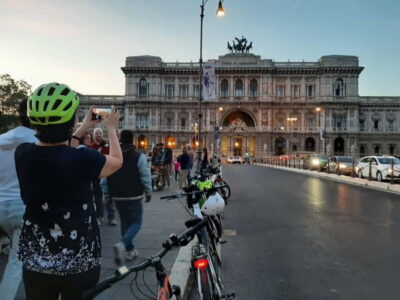
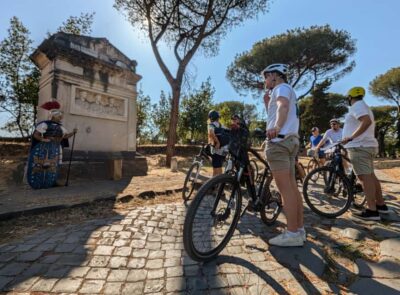
Appian Way, Catacombs & Aqueducts by eBike + Transfer
Read our review →Browse the lists this tour appears in