
Reviewed · APPIAN WAY AND AQUEDUCTS TOURS
Trevi Fountain Underground Aqueduct and Spanish Steps Tour
Rome sounds different when you follow the water. This small-group tour connects the Spanish Steps, a living fountain fed by an ancient aqueduct, and the underground aqueduct that still carries water today. It is one of those Rome experiences where you stop looking at monuments as stand-alone photos and start seeing how the whole city was built around plumbing and pressure.
I especially love how the tour turns geography into a story, starting with the Spanish Steps and then walking the aqueduct route until it reaches the Trevi Fountain. I also like the intimacy, because you are in a group of no more than 12, so questions land with your guide and the pacing stays human. The main drawback to consider is that the Trevi area can get extremely crowded, and that can affect how much breathing room you feel at the end of the walk even though the underground part is a calmer contrast.
In This Review
- Key Reasons This Tour Works So Well
- First Steps: Spanish Steps, Then Figuring Out What You Are Really Looking At
- Chasing the Aqueduct Through Real Streets and Modern Buildings
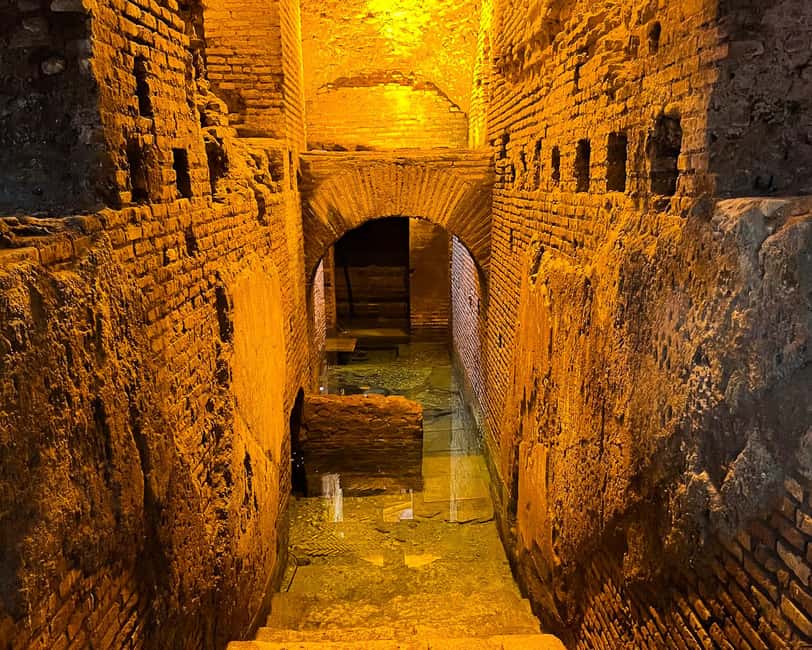
- Going Underground: Up Close Views of the Aqueduct and Still-Flowing Water
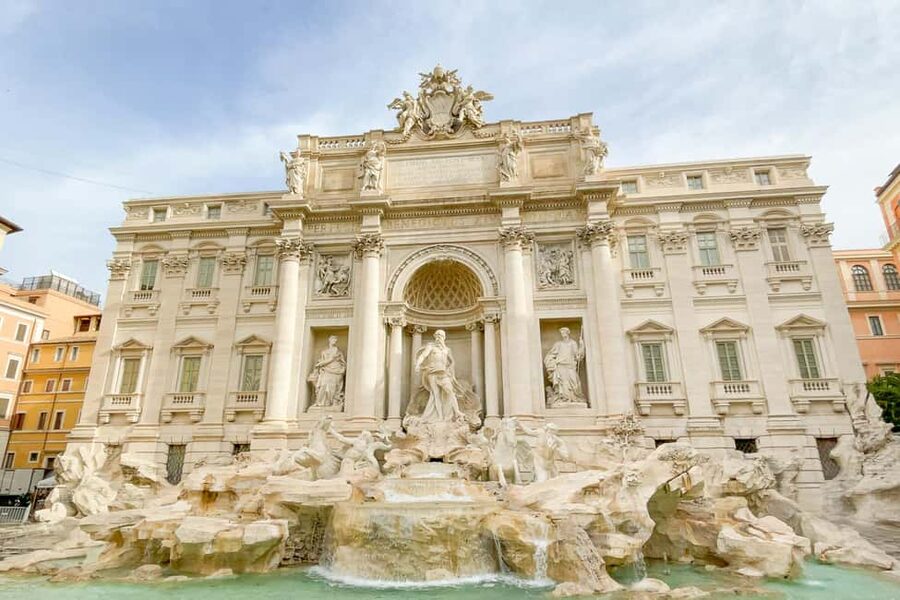
- Trevi Fountain: When the Icon Becomes an Engineering Stop
- The Vicus Caprarius Stop: A Roman Neighborhood Moment in the Flow
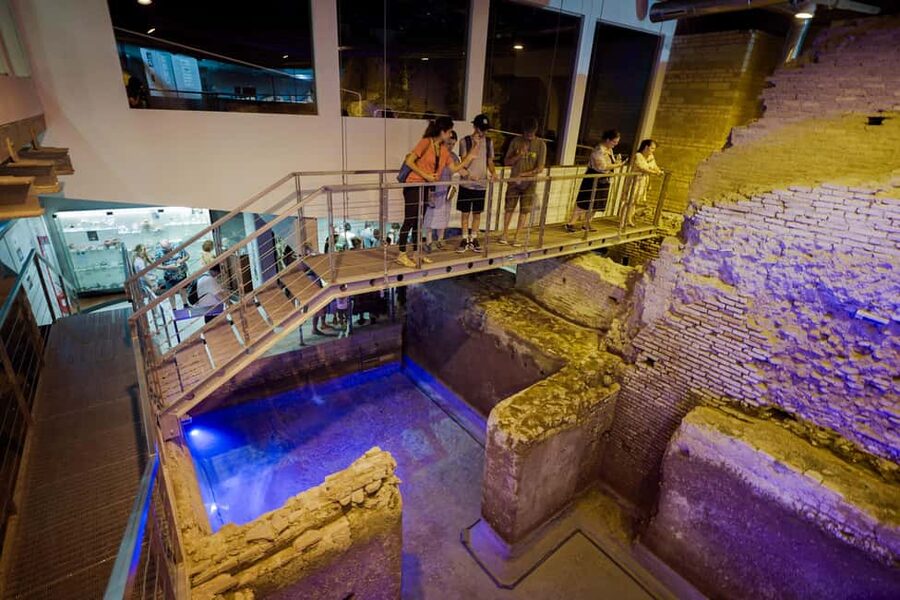
- Underground Water Reservoir: The Quiet Payoff Under Rome
- Group Size, Timing, and Who This Tour Suits Best
- Guides Matter: What Makes the Experience Feel Personal
- Budget and Practical Tips Before You Go
- Should You Book This Trevi Fountain and Aqueduct Tour?
- FAQ
- How long is the Trevi Fountain Underground Aqueduct and Spanish Steps tour?
- What is the group size?
- Where is the meeting point?
- Is the tour guided in English?
- Does the tour run in bad weather?
- What is included in the price?
- How much time do you get inside the underground aqueduct site?
- Is hotel pickup provided, and is it suitable for children?
Key Reasons This Tour Works So Well
- Small group format (max 12) means you get more guide time and fewer bottlenecks.
- Follow-the-water route connects Piazza di Spagna, fountains, and aqueduct segments in one coherent walk.
- Aqueduct water underground: you visit sections where the aqueduct is up close and still flowing.
- Trevi Fountain context: you learn how water reaches it, including the ancient aqueduct built in 19 BC.
- Underground reservoir visit: you get time inside a Roman storage space built over 2000 years ago.
First Steps: Spanish Steps, Then Figuring Out What You Are Really Looking At
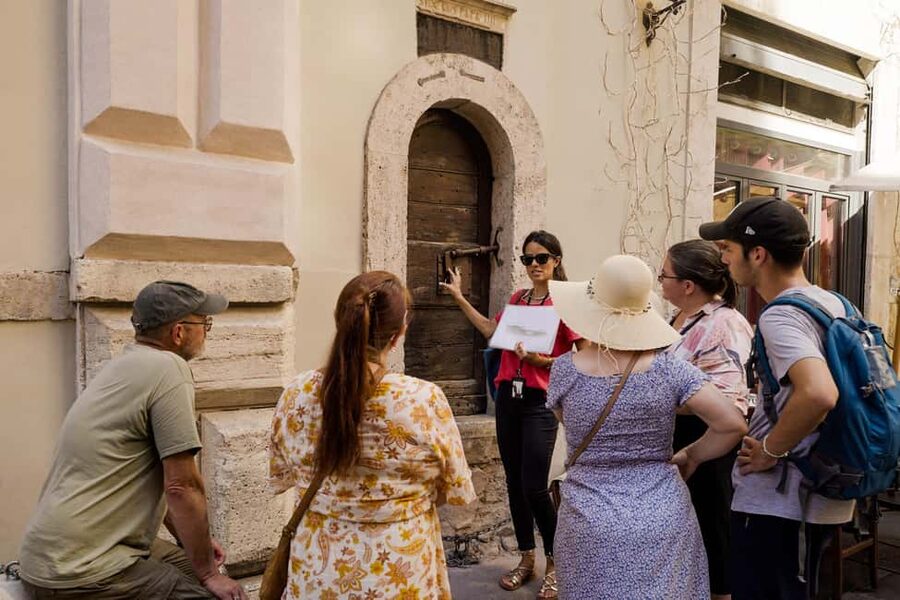
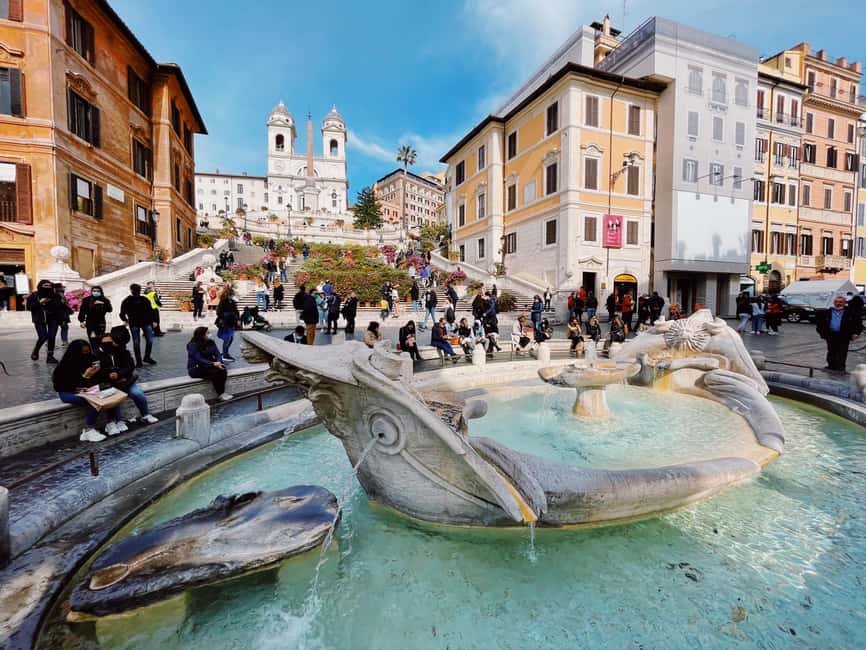
The tour starts at Piazza di Spagna, and it begins in the right order. Instead of rushing straight to Trevi for the iconic shots, you start by learning what you are seeing on the Spanish Steps and why they are called the way they are. Even if you already know the basics, the guide’s explanation helps your eyes read details faster, like how the stairs function as a connector between viewpoints, streets, and foot traffic.
Then comes the first fountain stop near the Spanish Steps. This is where the tour’s theme locks in: where the water comes from. The guide walks you through the idea that Rome did not just grow randomly. It grew along engineered lines, and water was one of the strongest forces shaping where people built, worshiped, shopped, and walked.
Practical note: the tour is designed as a rain-or-shine walking experience. Wear shoes that handle uneven pavement and don’t plan on needing a fancy outfit. You will be moving from spot to spot with explanations in between, so comfort matters more than style here.
More of the Appian Way and the aqueducts:
- Rome: Appian Way & Aqueducts E-Bike Tour (Catacombs & Food)
★ 4.9 · 1,498 reviews - Rome: Appian Way, Catacombs, & Roman Aqueducts E-bike Tour
★ 4.9 · 1,421 reviews - Appian Way Aqueducts Bike Tour (Catacombs & Lunch Option)
★ 5.0 · 975 reviews - Rome: Appian Way, Aqueducts, and Catacombs Tour
★ 4.7 · 942 reviews
Chasing the Aqueduct Through Real Streets and Modern Buildings
After the first fountain, you follow the aqueduct route. The neat part is how the aqueduct stops being a “Roman engineering concept” and becomes a visible presence in everyday Rome. For the most part, the path you take is underground, but you still get moments where the aqueduct shows up around modern buildings. That contrast is exactly what makes this tour feel different from a classic top sights checklist.
As you walk, you are not just sightseeing, you are building a mental map. The guide points out how Rome’s present-day streets and structures relate to the ancient systems under them. It is easier to understand the city when you can connect a story you heard five minutes ago to a wall, a corner, or a change in the surrounding streetscape.
This is also where the small-group advantage becomes real. With up to 12 people, you can pause without creating a total traffic freeze. In larger groups, the guide often gets stuck shepherding people from photo spot to photo spot. Here, the story has room to breathe.
Going Underground: Up Close Views of the Aqueduct and Still-Flowing Water
At a couple points during the walking route, you go underground to see the aqueduct up close. This is the part that tends to stick in your head, because you can finally picture the system as something physical, not just text in a museum panel.
You also spend time learning how the ancient Romans brought water into the city with aqueducts, and you get context for why the underground sections mattered. The underground visits are not just “look and leave.” They are tied into the bigger route you have already been following since the Spanish Steps. That means you understand what you are seeing instead of treating it like a cool detour.
One review highlights how guided access made the underground aqueduct experience far more meaningful than a simple visit. That lines up with what the tour is built to do: take you to a place that has limited entry time and make sure you get the story behind it while you are there.
Trevi Fountain: When the Icon Becomes an Engineering Stop
The tour eventually reaches Trevi Fountain, and it does so with context in your pocket. You are not arriving as a tourist who only cares about the photo, you are arriving as someone who can connect the fountain to the water route underneath the city.
Here is the standout fact the guide emphasizes: the Trevi Fountain is still fed by an ancient Roman aqueduct built in 19 BC. That detail changes the whole way you look at the fountain. Suddenly it is not just a dramatic Baroque centerpiece, it is a system endpoint, the final stop of a water journey Rome engineered nearly 2 millennia ago.
The Trevi area can feel crowded, and that is a real-world consideration. Some visitors find the space at the end of the tour a bit tight because multiple groups converge. The good news is the tour uses that crowd pressure to get you moving toward quieter underground stops, not to trap you in it.
Also, if you care about architecture and how cities are shaped, you may notice the guide makes the route feel logical, not random. Reviews mention guides using helpful visual aids and clearly explaining what you are seeing, which fits this kind of “connect the dots” itinerary.
The Vicus Caprarius Stop: A Roman Neighborhood Moment in the Flow
Midway through the second half, the tour includes Vicus Caprarius as a guided stop. You can think of this as a bridge between pure infrastructure and daily life. The aqueduct is engineering, but Romans lived because that engineering made daily routines possible.
At this stage, the tour’s storytelling tends to broaden. Reviews mention getting artifacts linked to daily life in Roman times, and that supports what this stop accomplishes. It helps you understand that water systems were not built in isolation. They were part of a lived-in city with neighborhoods, movement, and commerce.
Even if you are not a history super-fan, this part helps the underground visit feel less like a technical trick and more like a human story. It also keeps the walk interesting between major highlights.
Another shape for the same afternoon in Rome:



Underground Water Reservoir: The Quiet Payoff Under Rome
After Trevi, the tour turns away from the crowds and heads to the underground water reservoir the Romans built over 2000 years ago. This is the segment that delivers a different kind of awe. You are not just seeing a conduit, you are seeing storage and system thinking.
The tour manages expectations well: the underground site allows visitors to spend about 30 minutes inside. That matters because it sets the rhythm. You should go in ready to focus. Since the time window is limited, the guide’s explanations are especially valuable, and you will likely feel grateful for the context once you are inside.
In reviews, people often call the underground reservoir and nearby underground structures a highlight, sometimes describing it as a wow moment because it feels so unexpected. The atmosphere tends to shift from bright street-level Rome to a cooler, quieter Roman underworld where you can finally picture the mechanics behind the water you have been learning about.
Group Size, Timing, and Who This Tour Suits Best
This tour runs for about 2 hours, and it keeps the group to no more than 12 people guaranteed. That combo is ideal for visitors who want meaningful access without turning the day into an all-day production.
Price is $61 per person, which is reasonable when you consider what you are getting: a guided walk that links Spanish Steps to Trevi, plus entry tickets to the underground aqueduct experience. Tours that only cover surface-level monuments usually cost in a similar zone, but they often do not include structured time underground. If you like the “how does it work?” side of travel, this is strong value for your money.
You will probably enjoy this most if you:
- Like Roman engineering and want to see it in action, not just read it.
- Want a smaller-group alternative to big coach tours around Trevi.
- Enjoy guided storytelling that helps you understand what you are passing every day.
You might want to think twice if you dislike walking for two hours on uneven streets, or if you need a strict focus on Trevi Fountain alone. This is not only a Trevi tour. It is a water route tour.
Guides Matter: What Makes the Experience Feel Personal
One reason the reviews stay high is the guides. Different names show up again and again, including Flavia, Ricardo, Sabrina, and Federica. The common thread is a serious love for the city and the ability to translate complex material into simple, clear explanations while you are moving through real spaces.
You might also notice small touches that make the tour feel human. For example, one review mentions treats like chocolates and a hand spray. I cannot promise extras with every guide, but I can say this kind of kindness fits the overall vibe: friendly local guiding that tries to keep the experience fun, not just factual.
Pacing also gets praised. Some tours race through Rome like a checklist. Here, the guide is more likely to adjust to different speeds, which matters if your group includes older folks or anyone who needs slightly slower movement.
Budget and Practical Tips Before You Go
A few practical tips will help you get more out of the 2-hour format:
- Bring water if you tend to get thirsty on walks. The itinerary can include sun and then cooler underground spaces.
- Wear comfortable shoes with grip. You will be walking between landmarks, then heading underground, then back out.
- Go into the underground portion ready to listen. With about 30 minutes inside, you will want your attention on what the guide is pointing out.
- Manage expectations around Trevi crowding. Even with an excellent guide, you cannot control the square’s popularity.
For value, focus on what you will gain. You are not paying just for entry. You are paying for the connecting story that turns the underground aqueduct and reservoir into a single picture.
Should You Book This Trevi Fountain and Aqueduct Tour?
Yes, if you want something more meaningful than a monument stamp. This tour earns its ticket price by linking the Spanish Steps, a working aqueduct-fed fountain, and underground engineering you can actually see. The small-group size makes it feel less chaotic, and the underground reservoir visit gives you that rare Rome experience where you get a system-level understanding.
Book it if you are the type of traveler who likes explanations and wants context before you take photos. Skip it only if you want minimal walking, or if you care almost exclusively about Trevi Fountain as a standalone attraction. For most people, though, following the waterline through Rome is exactly the kind of trip memory that lasts longer than the usual skyline shots.
FAQ
How long is the Trevi Fountain Underground Aqueduct and Spanish Steps tour?
The tour duration is 2 hours.
What is the group size?
It is a small-group experience with a maximum of 12 people guaranteed.
Where is the meeting point?
The meeting point can vary depending on which option you book, with starting locations listed at Piazza di Spagna, 15 and Piazza Accademia di S. Luca, 74.
Is the tour guided in English?
Yes, the live tour guide provides the tour in English.
Does the tour run in bad weather?
The tour runs rain or shine.
What is included in the price?
The price includes the small-group tour (max 12), a local English-speaking guide, and entry tickets to the Underground Aqueduct.
How much time do you get inside the underground aqueduct site?
Visitors are allowed about 30 minutes inside the underground site.
Is hotel pickup provided, and is it suitable for children?
Hotel pickup is not included. The tour is also suitable for children.
Latest additions from Rome
- Guided Tour Vatican Museums & Sistine Chapel★ 4.1 · 30 reviews
- Exclusive Rome by Night Vespa Tour★ 5.0 · 30 reviews
- Transfer Rome to Airports★ 4.5 · 30 reviews
- Vatican: St.Peter’s Basilica & Dome – Reserved Entry & Tour★ 4.1 · 30 reviews
- Rome street art tour: off the beaten path with a local guide★ 5.0 · 30 reviews
- Tivoli, Hadrians Villa and Villa d’Este, a charming day trip from Rome★ 4.5 · 30 reviews
- Rome Food Tasting with Wine Pairing Italian Authentic Flavors★ 5.0 · 31 reviews
- Inspirational Cooking on the Roman Chef’s Panoramic Terrace★ 5.0 · 30 reviews
Appian Way and Aqueducts Tours, compared.

Appian Way & Aqueducts E-Bike Tour (Catacombs & Food)
Read our review →
Appian Way, Catacombs, & Roman Aqueducts E-bike Tour
Read our review →
Appian Way Aqueducts Bike Tour (Catacombs & Lunch Option)
Read our review →

Appian Way, Catacombs and Aqueducts Park Tour with Top E-Bike
Read our review →
Appian Way Aqueducts Bike Tour (UPG Catacombs & Lunch)
Read our review →
Rome Catacomb & Appian Way Small-Group Tour by Golf Cart
Read our review →
Appian Way & Aqueducts small group e-bike tour(catacombs & food)
Read our review →Browse the lists this tour appears in