
Reviewed · VINTAGE CAR AND FIAT 500 TOURS
THINK BIG, GO MINI! Rome Day&Night in Mini Cooper Classic Cabrio
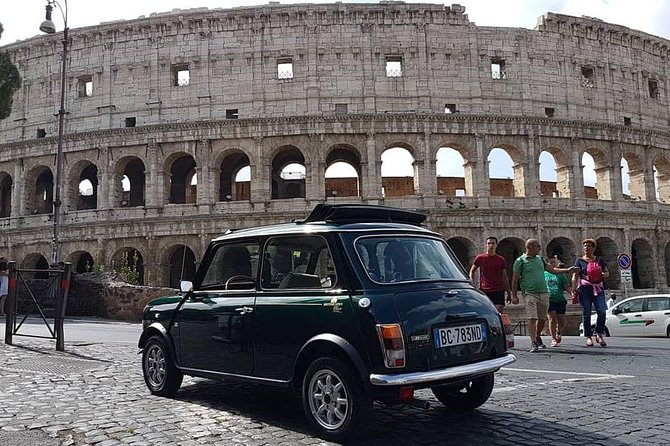
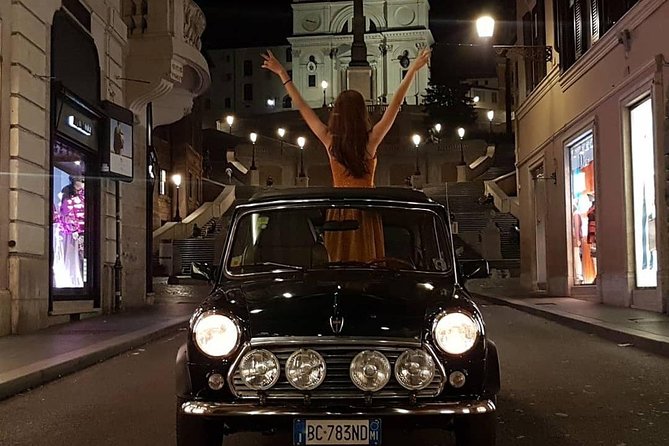
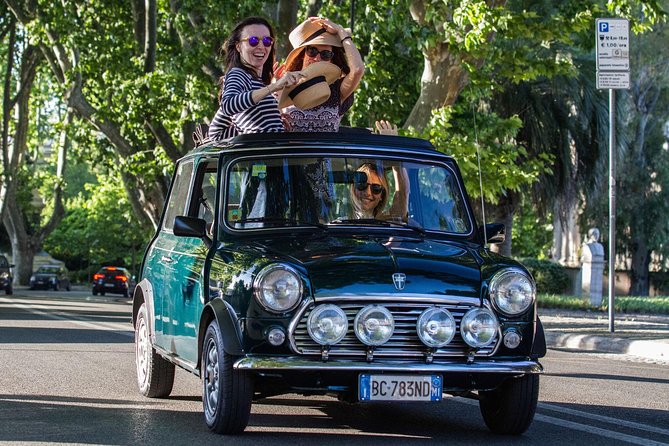
One car, two moods, Rome all day. This Mini Cooper Classic Cabrio ride mixes quick landmark time with hilltop photo stops and a local aperitif break. You also get the small-group feel, so you are not stuck watching someone else do the photos.
I love how it pairs iconic sights with easy transportation. You get a vintage cabrio experience, plus built-in breaks for snacks, water, and even alcoholic beverages, which makes a short 3 hours feel more complete. I also like the guide energy, with Luca (and often Fabio) bringing Rome to life in a way that feels personal, not scripted.
One possible drawback: the stops are brief, often around 5 to 10 minutes each. If you want long, slow time inside major churches or to linger for selfies at every fountain, you may feel a bit rushed.
In This Review
- Key highlights you will feel right away
- Why this Mini Cooper Cabrio plan works for Rome in 3 hours
- Pickup, timing, and the practical rhythm of the loop
- Piazza Navona to Piazza di Spagna, quick stops with big photo payoff
- Pantheon, St. Peter’s Basilica, and Castel Sant’Angelo, the faith and empire mix
- Aperitif breaks and hilltop views from Gianicolo and Aventine
- Trastevere at night, Largo Argentina, and the turning points in Roman time
- Foro Romano and Palatine Hill, big ground in tight time
- Final ancient stops, Caio Cestio, arenas, baths, and the Old Market
- Should you book this Mini Cooper Rome day and night tour?
- FAQ
- How long is the Rome Day and Night in Mini Cooper Classic Cabrio tour?
- How much does the tour cost?
- Is pickup included?
- Do I get a mobile ticket?
- What food and drinks are included?
- Is this tour private?
- What language is the tour in?
- Are admissions included at the stops?
- What is the cancellation policy?
Key highlights you will feel right away
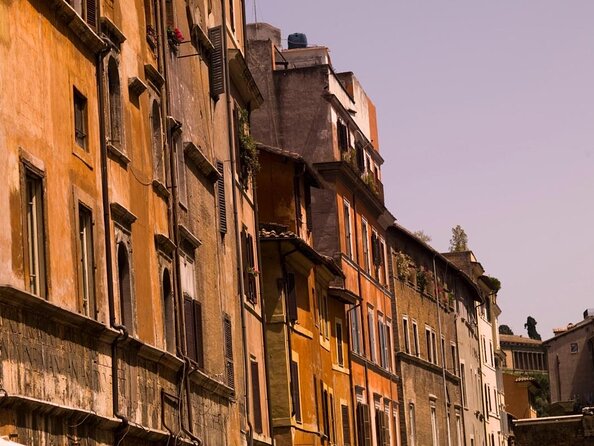
- Classic Mini Cooper Cabrio rides that make traffic and distance less of a problem
- Aperitif and food included, plus snacks and bottled water
- Hilltop photography from Aventine and Gianicolo style viewpoints
- Big landmarks in limited time, with stops at places like the Pantheon and St. Peter’s
- Private small-group setup so your pace stays yours
- A guide-led Rome loop powered by local passion, often with Luca and Fabio
Why this Mini Cooper Cabrio plan works for Rome in 3 hours
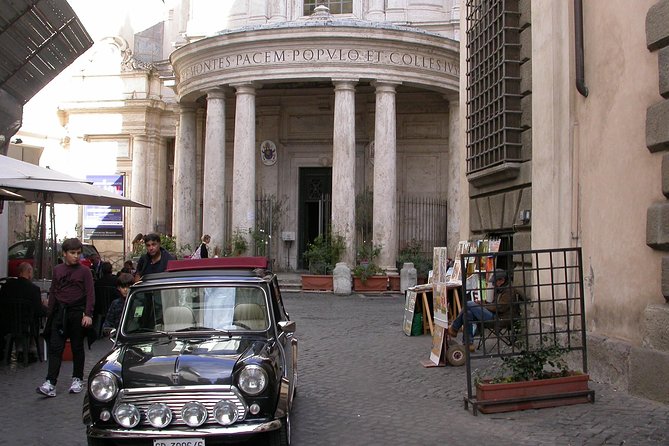
Rome can be overwhelming fast. This tour solves that by putting you in a Mini Cooper Classic Cabrio and letting you cover real distance without turning the whole day into a long walk. You still get to step out for photos and short looks, so the city feels close, not like a distant bus tour.
The “day and night” idea also matters. You are not just seeing Rome as daytime stone. You are moving through the city in a way that helps you catch the atmosphere shifting, then end up in areas that feel made for evening.
Value check: at $209.70 per person for about 3 hours, you are paying for transportation plus guided storytelling plus included food and drinks. A lot of Rome walking tours are cheaper, but they rarely include the ride, and rarely include both a true aperitif moment and alcohol. Here, you are buying time, comfort, and a guided route that hits many must-sees.
I also like that the tour is framed as an intimate experience. The private setup means you are traveling with just your group, not squeezed into a large crowd. In Rome, that makes a difference when you want the car to reposition you quickly, then step out without chaos.
Other rides in a vintage Fiat:
- Rome Afternoon Sightseeing Vespa Sidecar Tour with Gourmet Gelato
★ 5.0 · 692 reviews - Rome: Photoshoot Service with Vintage Fiat 500
★ 5.0 · 611 reviews - Vespa Sidecar Tour In Rome with Pickup, Drop-off, Gelato included
★ 5.0 · 472 reviews - Rome: Fiat 500 Vintage Photography Service in Rome
★ 4.9 · 308 reviews
Pickup, timing, and the practical rhythm of the loop
This runs as a timed experience, about 3 hours. Booking patterns show people grab spots fairly far ahead on average, about 51 days, so if you have a tight schedule, plan early.
Pickup is offered, which is a big deal in Rome. You spend less time guessing bus routes, less time hauling bags across streets, and more time actually seeing sights. You also get a mobile ticket, which keeps you from scrambling for paper reservations in a city that already asks you to keep track of too much.
The operating window listed is Monday through Friday. You have morning hours from 9:30 AM to 12:30 PM, plus an afternoon slot from 3:00 PM to 6:00 PM. That helps if you are pairing this with museums or dinner plans, because you can shape the rest of your day around a single, predictable block.
One more practical note: the tour says it is near public transportation. So even if pickup does not work exactly as you imagined, you are not locked into a far-off meeting point.
Piazza Navona to Piazza di Spagna, quick stops with big photo payoff
You start at Piazza Navona, where Rome shows off its dramatic Baroque side. This square is famous for the Fontane del Bernini and the chiesa del Borromini, and even with short time, you can get that instant Rome feeling. It is a good first stop because the setting is already photogenic and easy to orient yourself.
Next you head to the Trevi Fountain area. The tour points to the construction by Nicola Salvi from 1732 to 1762, which is the kind of detail that makes the fountain feel less like a postcard and more like a real project with a timeline. Trevi is also one of the hardest places in Rome for crowds, so the brief stop is both a feature and a tradeoff. You will see it, but you likely will not get a long, quiet moment.
Then comes Piazza di Spagna with the Fontana della Barcaccia by Bernini. This is a strong “photo and reset” stop. You are in the classic Rome zone where people watch, fountains glow, and the stairs are always busy. If you want the best photos, you will want to move with your guide’s timing instead of waiting for the perfect empty background.
What you gain here is momentum. You jump between top-name landmarks without losing half your time to slow travel. What you might miss is the slow soak. If you are the type who likes reading every plaque and staying at a single view until the light changes, you may find the pace fast.
Pantheon, St. Peter’s Basilica, and Castel Sant’Angelo, the faith and empire mix
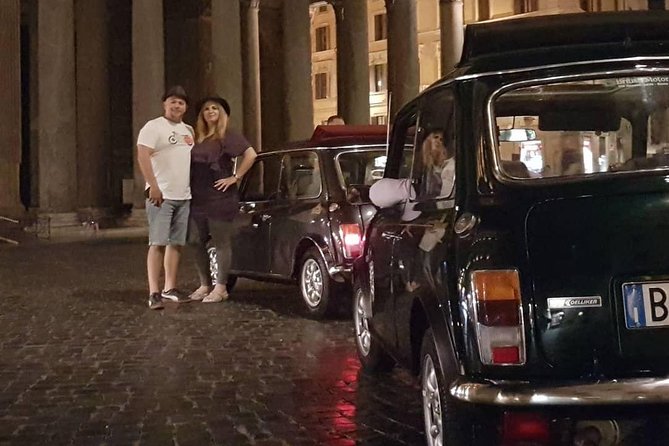
The Pantheon is one of the best places in Rome for a quick guided stop. This tour frames it as a “Tempio Pagano,” which helps you remember you are looking at a building that predates Christianity by centuries. Even if you only have a short window, your guide’s context makes the space feel bigger than just impressive.
From there you move to St. Peter’s Basilica. This stop is brief, and that matters because the basilica is a place where many people want a full walk-through. The upside is that you can still confirm you are in the right place and get key photos. The downside is that a 10-minute stop can feel tight if you want to linger over multiple chapels or seating levels.
Then you head to Castel Sant’Angelo, described as the Tomba di Adriano. That link to Hadrian is exactly what helps you look at it correctly. It is not just a castle on a hill. It has deep imperial roots, and it keeps pulling your eyes toward the river side views.
My practical advice for stops like these: pick your top goal for each site. If your goal is photos and a quick look, this format works well. If your goal is deep interior time, you might want to treat this tour as a first-contact primer, then return later for a longer visit.
Aperitif breaks and hilltop views from Gianicolo and Aventine
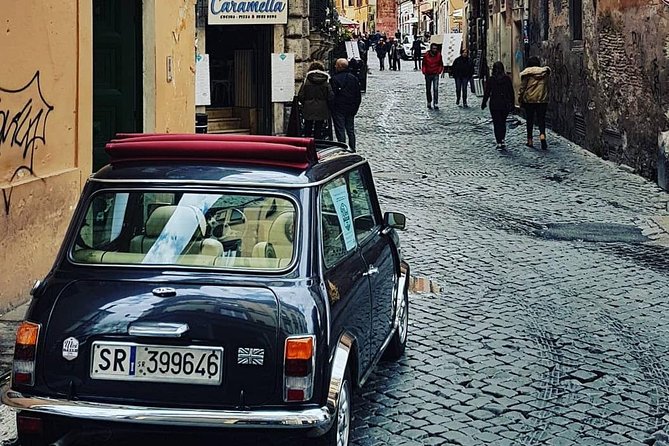
Rome is not just streets and monuments. It is also viewpoints. This tour leans into that by sending you to Colle del Gianicolo, described as one of the best views of the city. A hilltop stop is a smart mid-tour move because it gives your legs a break and lets you reset your attention. You get a skyline moment without committing to a long hike.
Then you reach Fontana dell’Acqua Paola, another place built for both function and scenery. The tour calls it another beautiful viewpoint of Rome, and that is what it tends to be in real life too. Even a short stop can refresh your sense of where you are in the city.
This is also where the included food matters. The experience includes snacks, bottled water, and alcoholic beverages, plus an aperitif and food at a local spot. This is not just a checkbox. In Rome, when you are bouncing between landmarks, a planned break helps you actually enjoy what you see instead of rushing from one tired photo to the next.
And then you finish the viewpoint story at Aventine Hill, referenced through Turo Aventi and paired with the famous photo spot: the Secret Key Hole, plus Sant’ Anselmo Church and the Orange Park style viewpoint. If you love photography, this is usually the kind of stop people remember. It is iconic for a reason, and the short guided timing helps you reach the spot without turning it into a long scavenger hunt.
One caution: viewpoint stops are weather-sensitive. If wind is strong or it is chilly, wear a layer. You will be outside longer than you think, even when the time is listed as short.
More of Rome once the piazzas fill:
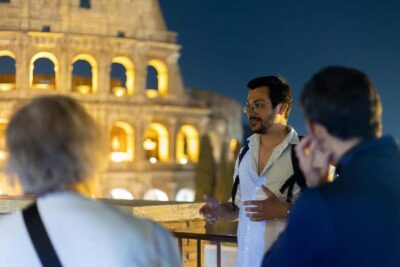
Trastevere at night, Largo Argentina, and the turning points in Roman time
After the hills, you shift into the feel of evening with a stop in Trastevere. The tour describes it as the best and biggest night life area, about 1,000 years old. That age detail is a reminder that this is not a modern nightlife zone. It is a neighborhood with roots, narrow lanes, and a city-soaked vibe.
Trastevere is a smart choice in a day and night tour. The lighting changes quickly, and the energy around you feels different than the heavy monument zones. Your stop is short, so think of it as a taste. You can take a couple photos and get a sense of whether you want to come back later for dinner.
Then comes Area Sacra di Largo Argentina, described as the exact place where Julius Caesar was killed. This stop is especially meaningful because it moves you from fountains and viewpoints into political history, the part of Rome that feels dramatic even when you are just standing in a courtyard. Again, time is brief, but the context makes the scene stick.
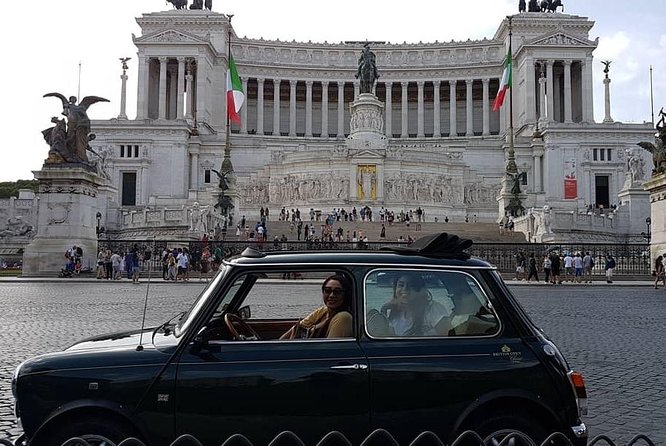
The next stop ties this past into later Italian identity: the Complex of the Victorian Ala Brasini, also connected to Altare della Patria. This is a different visual style than ancient ruins. Even in a short window, it helps you see how Rome keeps reusing its central stage for new eras.
If you like Rome as a timeline, this sequence is a good fit. You are stepping through eras quickly, but in a way that still makes sense.
Foro Romano and Palatine Hill, big ground in tight time
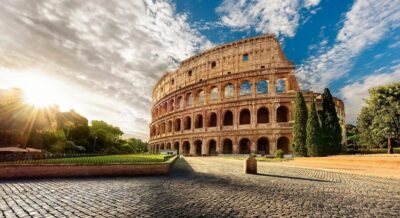
After Largo Argentina and the central monument area, you head to Foro Romano, described as the cultural and political center of old Rome. This is a stop where your guide’s framing really matters. Without context, it can look like scattered stones. With context, you start to see the shape of power.
Then you add Palatine Hill, one of Rome’s seven hills. Even with a brief time window, it is a strong pairing. The Forum gives you the public center, and Palatine gives you the elevated elite feel. Together they help you understand why Rome’s topography is part of the story.
Here is the main tradeoff with this format: 10 minutes can scratch the surface. You can get oriented, take a few key photos, and understand what you are looking at. But if you want to read every section and walk every edge slowly, you will probably want a separate longer visit.
So I recommend thinking of this segment as a “you are here and here is why it matters” moment. Then later, when you return to Rome, you can pick a specific area and spend more time where you are most curious.
Final ancient stops, Caio Cestio, arenas, baths, and the Old Market
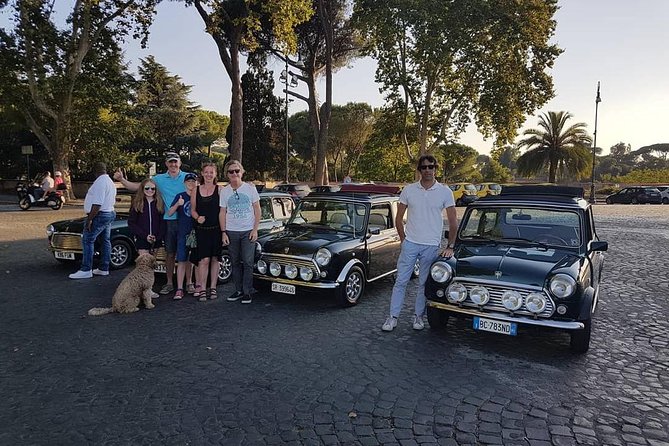
The last stretch keeps pulling you into ancient Rome. The tour includes Turo Aventi again in the sense of Aventine area, plus the Orange Park viewpoint and Secret Key Hole timing already mentioned. Then you get additional quick stops such as the Piramide, Tomba di Caio Caestio (12 A.D.).
After that, the route lists several more ancient landmarks as shorter stops: Antica Arena, Antiche terme Romane, and Old Market. The names suggest a mix of ancient structures and historic market area, but the exact pacing is still short, which is why I treat these as “see it once, note it for later” stops.
There is also a stop described as the oldest in the world, but without a specific site named, I would treat it as a brief photo and orientation moment. If that phrase is a big draw for you, plan to research what your guide points out during the ride so you know what you are seeing in plain terms.
This last phase is where the value of the Mini ride becomes clear. Rome’s best ancient moments are scattered. Getting between them efficiently means you see more than you would in a strictly walking plan.
Should you book this Mini Cooper Rome day and night tour?
Book it if you want a fast, guided hit of major Rome sights without dealing with the full friction of moving around the city on foot. I especially think it works well for first-time visitors who want to get bearings fast and for couples or small groups who prefer comfort, photos, and storytelling over long museum pacing.
Skip it or pair it with extra time if you want deep interior experiences at St. Peter’s Basilica or long, slow exploring at the Forum and Palatine Hill. This tour is built for multiple stops, not for hanging out in one place.
One last value angle: the included aperitif and food, plus snacks, bottled water, and alcoholic beverages, makes a 3-hour city tour feel more like a real evening plan than a rushed sightseeing errand. If you like your Rome with a soundtrack of guide talk and a classic car ride, this is an easy yes.
FAQ
How long is the Rome Day and Night in Mini Cooper Classic Cabrio tour?
It is listed as approximately 3 hours.
How much does the tour cost?
The price is $209.70 per person.
Is pickup included?
Pickup is offered.
Do I get a mobile ticket?
Yes, the tour offers a mobile ticket.
What food and drinks are included?
Snacks and bottled water are included. The experience also includes alcoholic beverages, and there is an aperitif and food at a local spot.
Is this tour private?
Yes, it is described as a private tour or activity, and only your group will participate.
What language is the tour in?
The tour is offered in English.
Are admissions included at the stops?
The stop list shows admission tickets as free for each listed location.
What is the cancellation policy?
This experience is non-refundable and cannot be changed for any reason. If you cancel or request an amendment, the amount you paid is not refunded.
Latest additions from Rome
- Guided Tour Vatican Museums & Sistine Chapel★ 4.1 · 30 reviews
- Exclusive Rome by Night Vespa Tour★ 5.0 · 30 reviews
- Transfer Rome to Airports★ 4.5 · 30 reviews
- Vatican: St.Peter’s Basilica & Dome – Reserved Entry & Tour★ 4.1 · 30 reviews
- Rome street art tour: off the beaten path with a local guide★ 5.0 · 30 reviews
- Tivoli, Hadrians Villa and Villa d’Este, a charming day trip from Rome★ 4.5 · 30 reviews
- Inspirational Cooking on the Roman Chef’s Panoramic Terrace★ 5.0 · 30 reviews
- Rome Food Tasting with Wine Pairing Italian Authentic Flavors★ 5.0 · 31 reviews
Vintage Car and Fiat 500 Tours, compared.
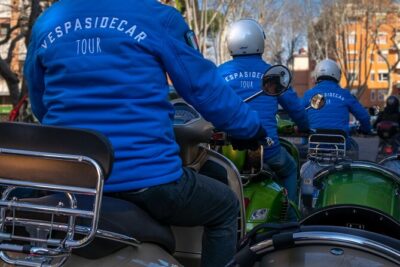
Rome Afternoon Sightseeing Vespa Sidecar Tour with Gourmet Gelato
Read our review →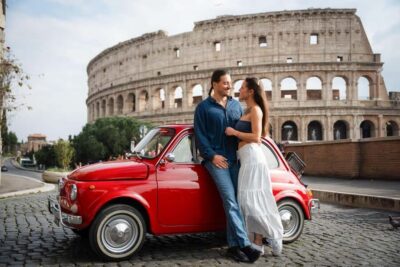
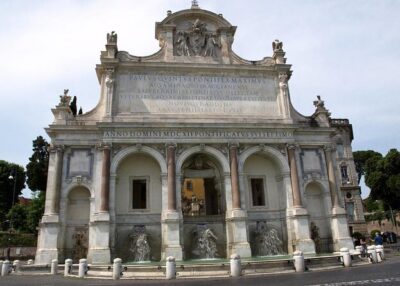
Vespa Sidecar Tour In Rome with Pickup, Drop-off, Gelato included
Read our review →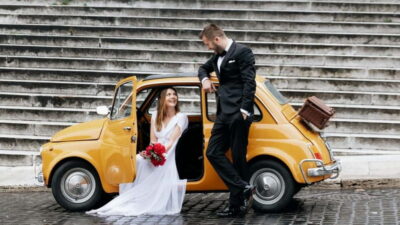
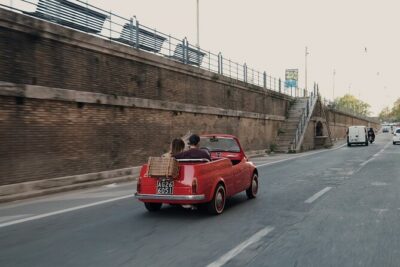
Vintage Fiat 500 Cabriolet: Rome’s Highlight Semi Private Tour
Read our review →
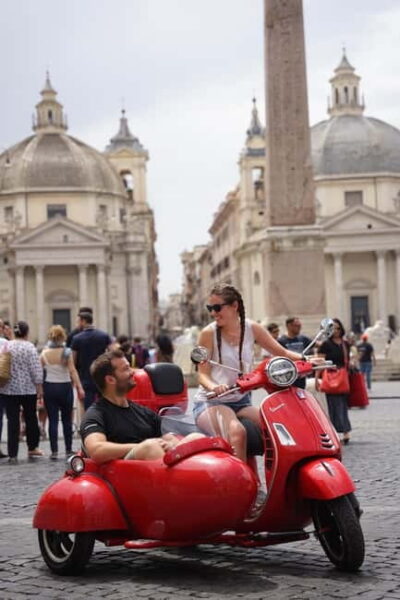
Rome Vespa Sidecar Tour: 90-Minute Panoramic Experience
Read our review →
Vespa Sidecar Tour at Day/Night with Pickup
Read our review →Browse the lists this tour appears in