
Reviewed · ROME
The Marvels of Rome: A Journey through Time and Landmarks
Rome can feel like one huge blur. This 2 hour walk turns it into a clear route of major landmarks and the streets between them. I like that it focuses on Piazza del Popolo, Spanish Steps, Trevi, the Pantheon, and Piazza Navona instead of trying to cram in everything. I also appreciate the licensed English-speaking guide plus live narration in English, Spanish, or French, so you can follow the story without guessing.
The only real drawback is simple: this walk is not recommended for limited mobility, and you will be doing several short strolls on foot. If you need step-free routes or lots of breaks, plan something else or check with the provider before you commit.
In This Review
- Key things I’d plan around
- Starting in Piazza del Popolo, then reading Rome like a map
- Piazza del Popolo, Spanish Steps, and the art of small transitions
- Trevi Fountain: the coin toss, plus the why behind it
- The Pantheon, where Roman engineering still does the talking
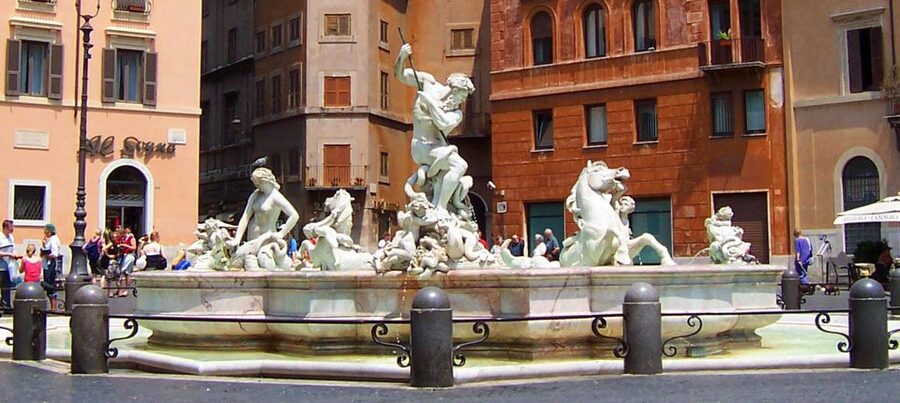
- Piazza Navona: Bernini fountains, cafes, and street life
- Price and timing: $35 that buys you focus
- Guides matter: patient pacing and real interpretation
- Who should book this Rome landmarks loop
- Should you book The Marvels of Rome tour?
- FAQ
- Where does the tour start?
- How long is the tour?
- How much does it cost?
- Is hotel pickup included?
- What languages are available for the live guide?
- What should I bring?
- What is not allowed during the tour?
- Is the tour suitable for people with limited mobility?
- What is the cancellation policy?
Key things I’d plan around
- A short, focused 2 hour route that hits the big names without feeling like a marathon.
- Two viewpoints of Rome’s “layering”: monumental facades and everyday square life, side by side.
- A clear order of stops that helps you understand where one landmark sits in the city.
- Coin-toss moment at Trevi plus guided context for what the tradition symbolizes.
- Guides who slow down for questions, including support praised by guests with disabilities.
- A no-stress guide start point at Piazza del Popolo, right by Santa Maria del Popolo.
Starting in Piazza del Popolo, then reading Rome like a map
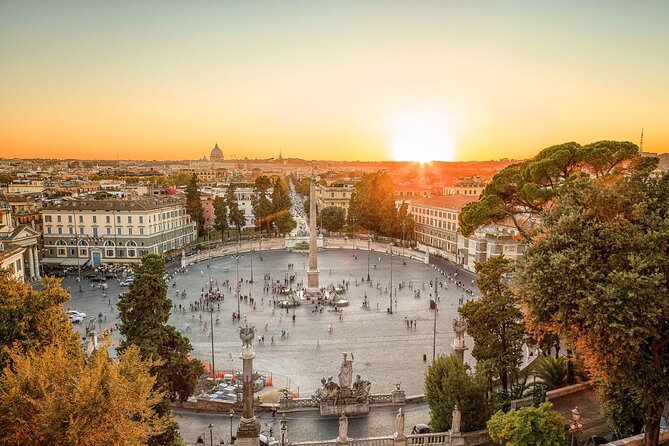
Most Rome itineraries start with a ticket line. This one starts with a square, and that changes how the city feels right away. You begin at Basilica Parrocchiale Santa Maria del Popolo in Piazza del Popolo, with your guide waiting in front of the church and holding a sign. It’s an easy meeting point if you arrive a few minutes early to locate the group.
Why I like this start: Piazza del Popolo is a kind of orientation point. You get that moment where streets start making sense. From here, you’re not just walking toward famous sights, you’re also learning how Roman squares connect. The guide sets the tone fast, explaining what you are seeing and why it matters, so the rest of the route lands better.
Practical tip: wear shoes you can trust for uneven pavement. Even with short walks between stops, Rome keeps you honest with cobblestones.
Not settled yet? These cover similar ground in Rome:
- Vatican Museums, Sistine Chapel & St. Peter’s Basilica Tour
★ 4.3 · 73,970 reviews - Vatican Museums, Sistine Chapel & St Peter’s Basilica Guided Tour
★ 4.5 · 39,149 reviews - Rome: Colosseum, Palatine Hill and Roman Forum Guided Tour
★ 4.8 · 32,814 reviews - Rome: Guided Tour of Colosseum, Roman Forum & Palatine Hill
★ 4.7 · 27,897 reviews
Piazza del Popolo, Spanish Steps, and the art of small transitions
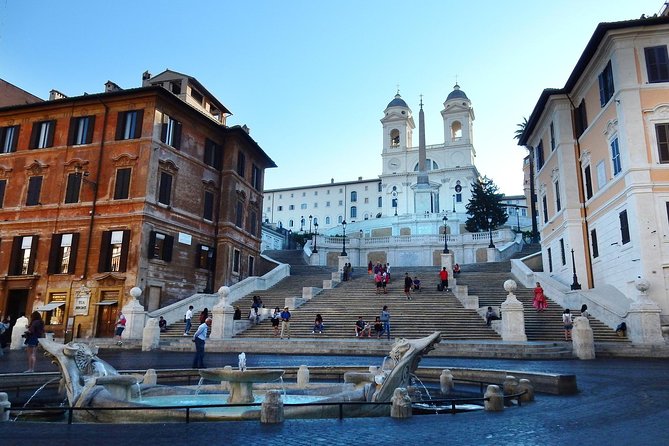
After Piazza del Popolo, the route moves toward Piazza di Spagna and the Spanish Steps area. This is a smart transition. You go from one landmark square into another famous public space that people actually use, not just photograph. The guide helps you connect the dots: how major buildings shape the feel of the neighborhood, and how crowds form around the most visible edges.
At this stop, pay attention to angles. On a guided walk, you have a chance to look up and look across, not only forward. That matters because the Spanish Steps area is all about rhythm, elevation changes, and how architecture guides movement. You can appreciate the famous views more when you understand what you’re looking at, instead of just chasing the next postcard.
If you want photos, bring a water bottle and plan for quick stops rather than long standing. This tour is designed to keep momentum, so you’ll get viewpoints, but you won’t linger for half an hour at every corner.
Trevi Fountain: the coin toss, plus the why behind it
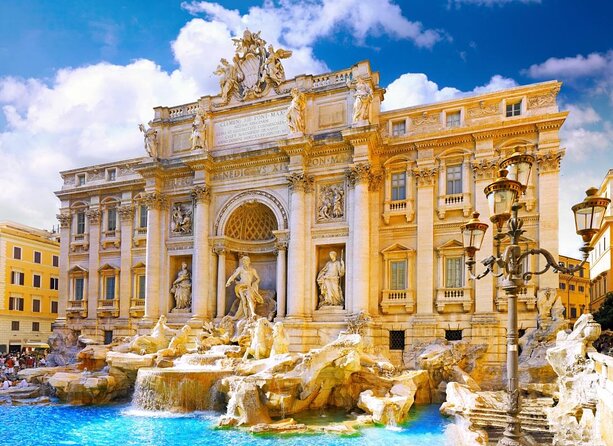
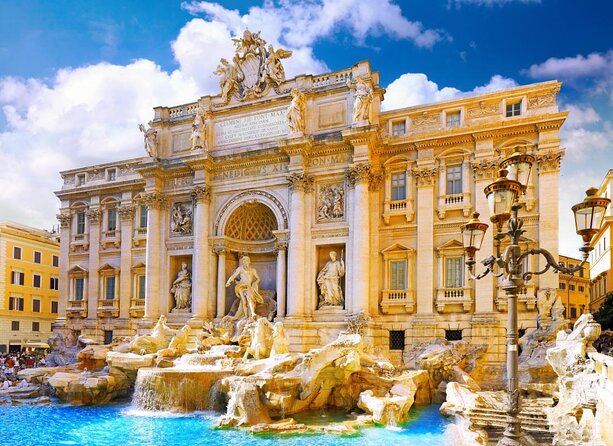
Then you hit the Trevi Fountain area, and yes, you’ll be in position to do the classic coin toss. The guide doesn’t just point it out. You get context for the fountain as a major Baroque work and a social magnet in the middle of Rome.
Here’s what you can do with this stop that often gets missed on casual visits. Before you toss the coin, look around. The guide’s job is to help you notice the sculptural details and the grand composition, so the fountain becomes more than a single moment. You’ll also likely hear how the tradition became part of visitor behavior, which turns the ritual into something you understand, not just something you copy.
Small practical note: Trevi can be crowded. Since this is a guided walk, you’ll spend a set time there, so you’ll want to be ready when you arrive. If you’re sensitive to crowds, go with a calm mindset and focus on details when you can.
Also, remember the tour rules: no large bags and no sleeveless shirts. So keep it simple, bring water, and avoid anything that makes you feel underdressed or stuck at the edge of the group.
The Pantheon, where Roman engineering still does the talking
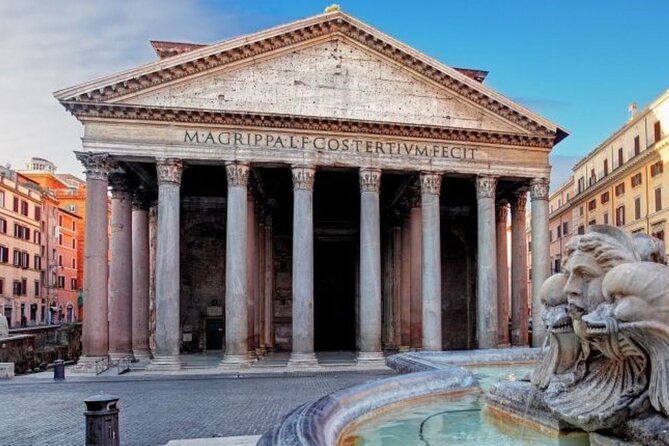
Next comes the Pantheon, and this is where a guide earns their pay. The Pantheon is famous for good reason, but it can also be a “seen it, checked it off” moment if you show up without context.
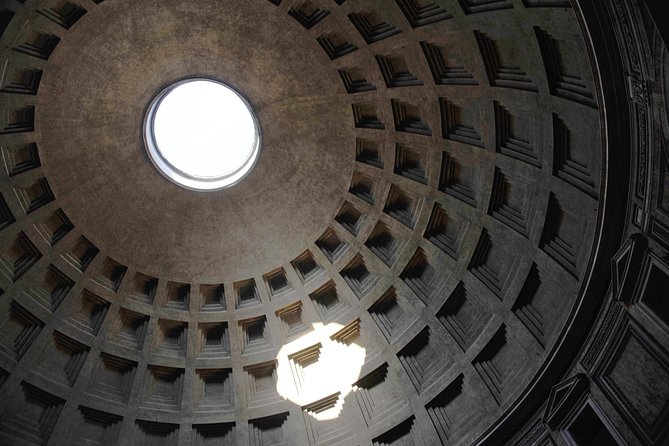
In a guided format, you get the basics of why it looks the way it does and what you’re really looking at. The tour includes a short guided look and then enough time to take it in without rushing. You are basically learning how Roman builders solved big structural problems long before modern tools, and how they made a space feel open and monumental.
What makes this stop especially valuable on a short tour is that it changes your mental picture of Rome. Instead of thinking of ancient Rome as only ruins and columns, you start thinking of it as design, engineering, and deliberate space. That shift is what makes the later stop at Piazza Navona click, because you begin seeing how later Rome built its own statements by responding to older ones.
Practical tip: keep your water handy, but don’t expect to drink constantly. The best use of your time here is to look slowly, then look again from a different angle.
Piazza Navona: Bernini fountains, cafes, and street life
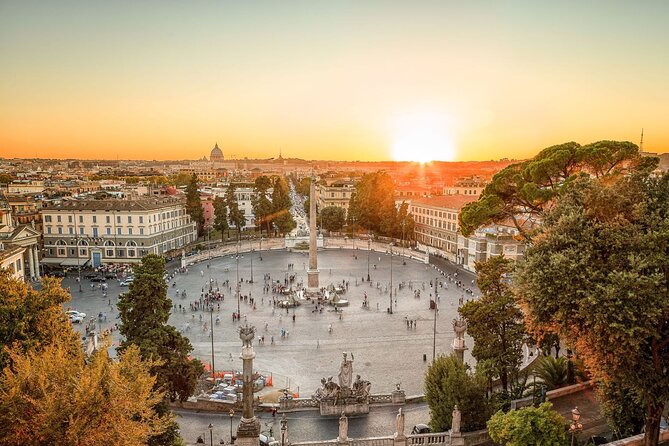
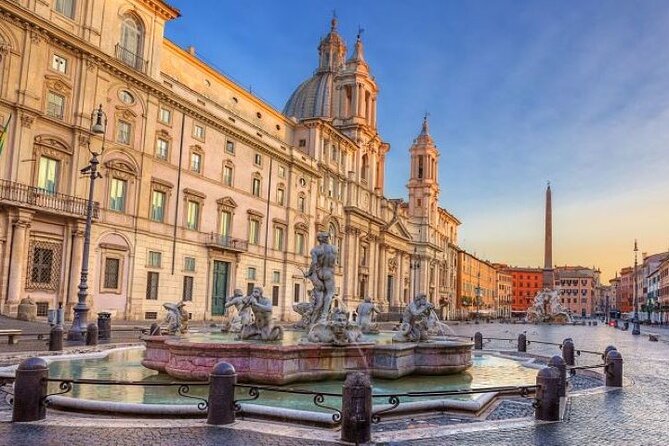
Your walk ends at Piazza Navona, with time around the Bernini fountains and the lively mix of cafes and performers. This is a great finish because it feels like Rome in the present tense. Before this, you’ve been anchored to landmark structures. Here, you see how those landmarks sit inside daily life.
The guide gives you a clear introduction to what you are seeing so you can appreciate the fountains as more than decoration. You’ll understand what makes these fountains important to the square’s identity, and you’ll have time to observe the human scale: people sitting, standing, and walking around the water feature and the edges of the plaza.
If you like street scenes, this stop is the reason the tour works. You get a guided structure for the major monuments, then you finish somewhere you can relax a bit and let Rome feel like Rome.
Tip for your photos: don’t aim only at the water. Look for how people frame the fountains. Piazza Navona is where the city’s energy becomes part of your picture.
Another shape for the same afternoon in Rome:
Price and timing: $35 that buys you focus
At $35 per person for 2 hours, the value comes from focus. You’re paying for someone to handle the “what am I looking at, and why does it matter?” part. Rome rewards that kind of guidance because the city is visually busy. Without help, it’s easy to wander between landmarks and come away with only surface impressions.
The tour also keeps you in a workable time window. Two hours is short enough to fit into a sightseeing day without burning your energy. It’s long enough to connect the stops and understand the route, instead of treating each square as a disconnected stop.
What you should know: there’s no hotel pickup and drop-off. That is normal for city-center walks, but it does mean you should plan to get yourself to Piazza del Popolo on time. Build in a few minutes for locating the guide, especially if you arrive during peak foot traffic.
Also, because it’s a walking route, you’ll want to be comfortable with the pace. The time allocations between stops are tight but reasonable for most visitors with average mobility.
Guides matter: patient pacing and real interpretation
The biggest positive signal in the guide experience is how consistently guests praise the guide’s attitude and clarity. I’d take this seriously because the route is only 2 hours long. That short window means the guide style has a big effect on whether the tour feels like learning or like a rushed checklist.
You might be guided by Celia, who was praised as amable, considerada y paciente. That kind of patient pace is especially helpful if you have questions or you need a moment to catch up. Another name that appears is Estefani, praised for being exceptionally knowledgeable and for using a small book to show before-and-after differences, which helps you see changes instead of only hearing dates. Sarah also shows up in the feedback as excellent, with a guide described as perfect.
Language support matters too. The tour offers a live guide in Spanish, French, and English, and the experience format is built around having narration live with you. That usually makes explanations feel more usable, because you’re looking at the exact place being discussed.
If you prefer your Rome sightseeing to come with guidance you can follow in real time, that’s where this tour shines.
Who should book this Rome landmarks loop
This is a strong match if you want a structured walk of top squares and monuments, without spending half your day figuring out where to start and what to do next. It’s also a good fit if you like learning that connects architecture, public space, and city movement.
I’d also say it works well for people who have been to Rome before and want more detail than what they normally notice. Several guides are praised for turning familiar views into fresh information, which is exactly what you want when you don’t want repetition.
Who should rethink it: this tour is not recommended for people with limited mobility. If walking is a challenge, plan a different option that offers more accessible routing, because this one is designed around short walks between sites.
Should you book The Marvels of Rome tour?
Book it if you want a 2 hour, walkable route that hits major Rome landmarks in a way that teaches you what you’re looking at. It’s good value at $35, especially because you get a licensed English-speaking guide and live narration in English, Spanish, or French. You’ll leave with a clearer sense of how Piazza del Popolo, Spanish Steps, Trevi, the Pantheon, and Piazza Navona relate to each other.
Skip it if you need step-free access or you can’t comfortably handle walking between central squares. Also skip if you want long independent time at a single site. This tour is designed to keep moving, so it’s not for people who want to sink hours into one location.
If your goal is to see the classics and understand them fast, this one is a solid yes.
FAQ
Where does the tour start?
You meet at Piazza del Popolo, in front of the church Santa Maria del Popolo. Your guide is waiting holding a sign with the company name.
How long is the tour?
The tour lasts 2 hours.
How much does it cost?
The price is $35 per person.
Is hotel pickup included?
No, hotel pickup and drop-off are not included.
What languages are available for the live guide?
The live tour guide is available in Spanish, French, and English.
What should I bring?
Bring comfortable shoes and water.
What is not allowed during the tour?
You cannot bring luggage or large bags, and sleeveless shirts are not allowed.
Is the tour suitable for people with limited mobility?
The tour is not recommended for people with limited mobility.
What is the cancellation policy?
You can cancel up to 24 hours in advance for a full refund.
Latest additions from Rome
- Rome: Angels and Demons Guided Walking Tour★ 5.0 · 7 reviews
- Rome in a Nutshell Private Driving Tour★ 5.0 · 7 reviews
- Rome: Pasta and Tiramisu Class at a Local’s Home★ 4.8 · 7 reviews
- Vatican Guided Tour Experience in St. Peter’s with Holy Door★ 3.9 · 7 reviews
- Colosseum 1 Hour Tour★ 4.5 · 7 reviews
- Rome Vatican St Peter’s Basilica & Dome Private Tour & Breakfast★ 5.0 · 7 reviews
- Private transfer from Rome to Positano or Sorrento plus 2 hrs stop in Pompeii★ 5.0 · 7 reviews
- Gladiator school for adult★ 4.5 · 7 reviews