Reviewed · TOURS
Street Art Tour of Rome
Rome has a second face, painted on walls. I love the way the tour links Garbatella murals to the neighborhood’s modern life, and I love the strong payoff of Tor Marancia street art at the Museo Condominiale. One catch: it depends on good weather and you should plan for lots of walking.
This is a focused, neighborhood-first street art tour, not a quick hit of the usual photo stops. You’ll follow a guided route in English, with a mobile ticket and a group size capped at 25, so you can actually ask questions and keep the pace comfortable. If you bring a phone for photos, you will enjoy how the guide points out details you might otherwise miss.
Good shoes matter, and so does water planning, since bottled water is not included. You can refill at drinking fountains, and that small habit is one of the easiest ways to keep the walk pleasant. If your guide is Lisa, you will probably appreciate her professional, kind approach, including help getting a taxi if needed.
In This Review
- Key things to know before you go
- Why Garbatella and Tor Marancia are the real street art side of Rome
- Price and value: what $38.41 really buys
- Meeting at Via Giacinto Pullino and how the tour flows
- Stop 1: Quartiere Garbatella murals and neighborhood context
- Stop 2: Museo Condominiale di Tor Marancia and the murals you remember
- What you will actually see: styles, artists, and how to look
- Guide style in English, small-group pace, and why it matters
- Walking logistics: shoes, water, and timing that fits Rome
- Who this tour is best for, and who should skip it
- Should you book this Street Art Tour of Rome?
- FAQ
- How long is the Street Art Tour of Rome?
- Where does the tour start?
- What does it cost?
- Is the tour offered in English, and do I need to pay for admission?
- Are bottled water and drinks included?
- How large is the group?
- Do I need good weather for the tour?
- Is there free cancellation?
- What else should I know about location and access for animals?
Key things to know before you go
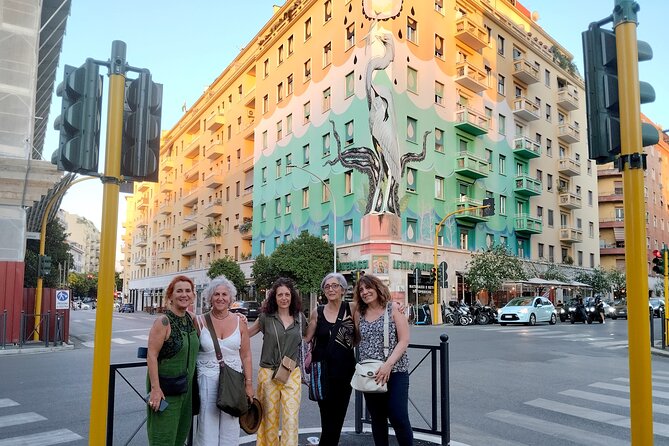
- Two neighborhoods, two street art styles across Garbatella and Tor Marancia
- Murals with local context, including contemporary neighborhood history
- Small group size (max 25), which makes Q and A realistic
- Free admission to the stops, so you pay for the guide, not entrances
- English tour and mobile ticket, easy to handle on the move
- Weather matters, since the tour requires good conditions
Why Garbatella and Tor Marancia are the real street art side of Rome
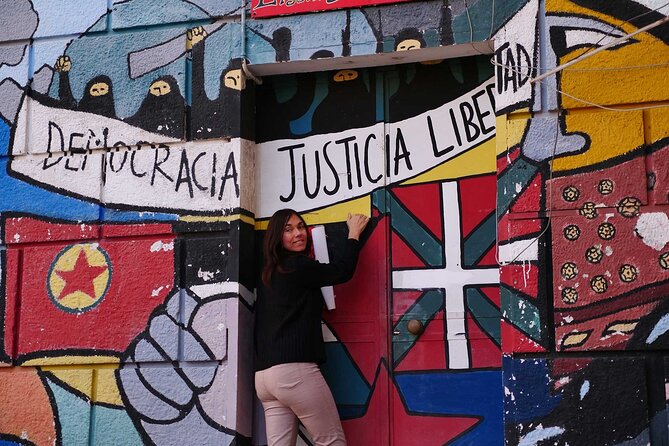
Rome has its postcard layer, then its everyday layer. This tour taps that second layer by focusing on two specific neighborhoods: Garbatella and Tor Marancia. Instead of treating street art as random decoration, the guide ties each mural to what’s happening in the area now, plus how the neighborhood got shaped over time.
That matters, because street art works best when you understand what surrounds it. In these neighborhoods, murals are not separate from daily life. They are on walls you pass every day, in spaces that feel human in scale, where the architecture and the local story help explain why certain artists and styles end up there.
I also like that the tour covers both known artists and up-and-comers. You get the sense that Rome’s street art scene is alive and changing, not frozen in a single era. That makes the walk feel current, not like a museum label taped to a wall.
Not settled yet? These cover similar ground in Rome:
- Vatican Museums, Sistine Chapel & St. Peter’s Basilica Tour
★ 4.3 · 73,970 reviews - Vatican Museums, Sistine Chapel & St Peter’s Basilica Guided Tour
★ 4.5 · 39,149 reviews - Rome: Colosseum, Palatine Hill and Roman Forum Guided Tour
★ 4.8 · 32,814 reviews - Rome: Guided Tour of Colosseum, Roman Forum & Palatine Hill
★ 4.7 · 27,897 reviews
Price and value: what $38.41 really buys
At $38.41 per person for about 2 hours 45 minutes, the price looks reasonable for a guided neighborhood experience in central Rome. The key value point here is that you are paying for interpretation and access to local context, not for paid entry fees.
Here’s what you are getting for your money:
- A walking tour with an expert local guide
- Stops where admission is ticket-free
- Enough time to slow down and actually look, not just move from point A to point B
When a tour includes free entries, you can think of your spending as guide time. With a small cap of 25 people, that guide time stretches further, since it’s easier to hear explanations and ask questions without feeling like you are shouting over a crowd.
One more value angle: this is a street art tour, but it is also an urban history tour in disguise. You walk through real neighborhoods, and the guide connects murals to contemporary life. If you enjoy learning the why behind what you see, this format usually feels like a win.
Meeting at Via Giacinto Pullino and how the tour flows
The tour starts at Via Giacinto Pullino, 103, 00154 Roma RM, Italy, and it ends back at the same meeting point. That round-trip structure is practical. You do not have to figure out a second location at the end of a long walk.
It runs for about 2 hours 45 minutes. The schedule splits into two main stops:
- A long first neighborhood in Garbatella
- A second stop concentrated around the street art highlight in Tor Marancia
You’ll also want to keep your expectations realistic. This is a walking experience, and the quality comes from lingering at the walls with the guide speaking. Bring your best looking-for-details mindset, and it will feel like time well used.
Transportation-wise, the meeting area is near public transit, which helps if you want to combine this with other Rome plans before or after.
Stop 1: Quartiere Garbatella murals and neighborhood context
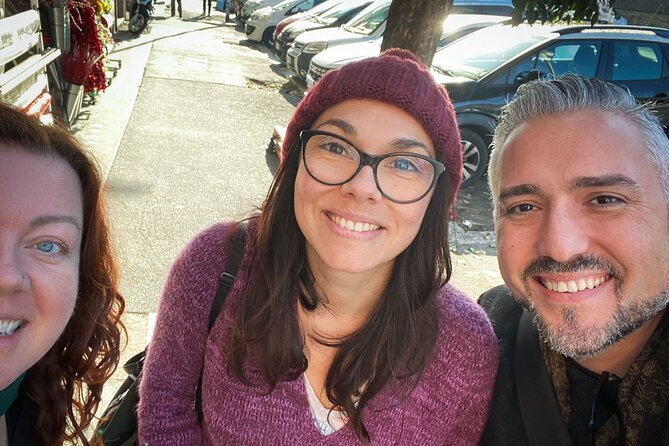
The first stop takes about 1 hour 30 minutes in Quartiere Garbatella. This is where the tour sets up your street art lens for the rest of the day.
You will admire and photograph street art and the surrounding architecture, and you’ll learn the stories behind the murals. That’s the important part: street art changes fast, but the buildings and streets around it tell you why certain themes land here. The guide also frames the murals with contemporary neighborhood history, so the art starts to feel like part of the area’s current identity, not a random gallery wall.
What I particularly like about a longer first stop is momentum. Once you understand the kinds of messages and styles the guide is talking about, Tor Marancia becomes more than a “second location.” You start recognizing patterns, seeing how style can shift by neighborhood, and noticing how artists respond to place.
A small practical tip: if you are photographing, plan to take your wider shots first, then go back for close-ups. The guide’s explanations make the close-up moments more meaningful, especially when you catch small visual details that are easy to overlook.
Stop 2: Museo Condominiale di Tor Marancia and the murals you remember
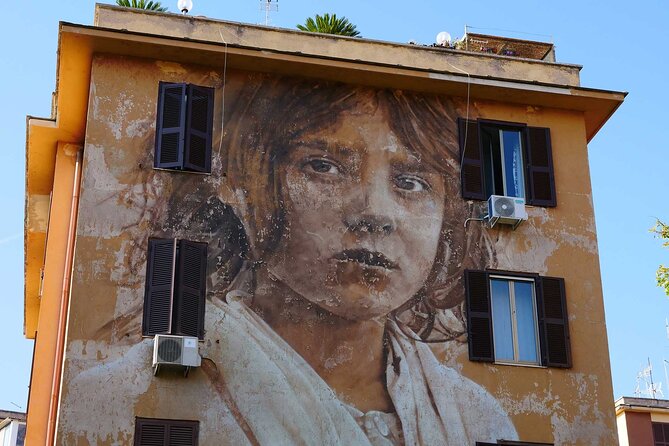
The second stop lasts about 1 hour and centers on the Museo Condominiale di Tor Marancia. If Garbatella is the foundation, this stop is the payoff.
This is described as a highlight of Rome’s street art scene, and the focus is on the murals of the Tor Marancia neighborhood. Since the tour is guided, you are not just moving around for photos. You’re learning how to read the murals: what makes the styles different, how the artwork connects to the community around it, and where the conversation is headed with both well-known names and newer voices.
One reason this stop can hit harder for visitors is the setting. The phrase Museo Condominiale points to a place connected to residential space, which tends to make street art feel more grounded. You can see it as something that lives among daily routines, not something separated into a special exhibit zone.
If you like street art for its storytelling, this is the time to slow down. The best moments often happen when you stop chasing the perfect angle and start listening to the explanation.
Another shape for the same afternoon in Rome:
What you will actually see: styles, artists, and how to look
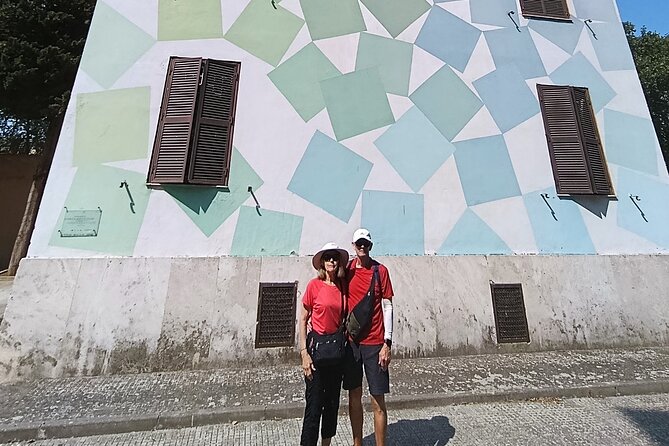
Street art tours can turn into photo hunts if the guide does not coach your attention. Here, the guide does the opposite: explanations and context help you look better.
Over the course of the two neighborhoods, you can expect:
- Murals tied to contemporary Rome neighborhood history
- Mentions of both established artists and up-and-comers
- A focus on how styles can differ from one area to another
For your own viewing, I recommend this approach. Don’t just zoom in on the loud parts. Look for the supporting details. Colors, lettering styles, and recurring themes often hold the clue to what the artist is responding to in that neighborhood.
Also, take a moment to step back. If you only photograph from very close, you miss the way murals interact with the street and the buildings. Rome’s urban texture helps a lot, and the tour structure encourages you to see it.
Guide style in English, small-group pace, and why it matters
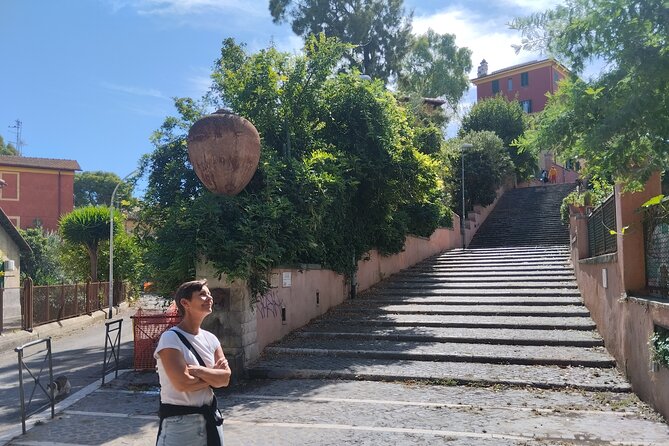
The tour is offered in English, and you’re joined by a walking guide who is described as local and expert. The small-group cap of 25 travelers (or fewer) is not a random detail. It changes the entire experience. When the group stays small, you get a calmer pace, better listening, and more natural interaction with questions.
The guide experience also shows up in practical ways. In one account, a guide named Lisa was praised for her professional, kind approach, including calling a taxi and staying until it arrived. That kind of responsiveness matters because Rome can be unpredictable, and it’s reassuring to know the guide is not just passing out facts.
English explanations help too. Street art has slang, cultural references, and layered meaning. If you’re not fluent in Italian, having a guide translate the context into clear English can turn a mural from pretty to meaningful.
Walking logistics: shoes, water, and timing that fits Rome
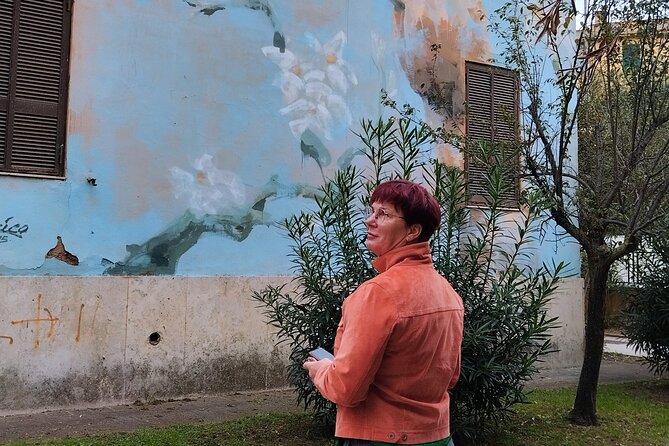
This tour runs for almost three hours, and it is built around two concentrated stops. That makes it a good plan block for a morning or early afternoon, when you still have energy for walking and looking.
Bottled water is not included, but you can refill your bottle at drinking fountains. That’s worth planning for. If you start the walk with an empty bottle, you might feel rushed later. If you start with water and refill as needed, you stay comfortable and less distracted while you take photos.
Good weather is required. If it’s rainy or unpleasant, the tour can be canceled and you’ll be offered a different date or a full refund. So check conditions before you commit your day.
For your own comfort, wear shoes that can handle uneven streets and occasional steps between viewpoints. This is not a sit-down museum hour. It’s a neighborhood walk, and your feet are part of the experience.
Who this tour is best for, and who should skip it
This street art tour is a strong fit if you:
- Like contemporary art and want the story behind it
- Enjoy neighborhood wandering without the crush of the main sites
- Want a guided way to understand what you’re seeing at each mural
- Prefer smaller groups and clearer explanations
It can be less ideal if you:
- Want only major “top sights” in a short time
- Get uncomfortable with longer walking segments
- Are traveling in weather that often derails outdoor plans
If you love Rome for its everyday side, this is the kind of experience that turns the city into something you understand, not just something you pass through.
Should you book this Street Art Tour of Rome?
Yes, if you want a guided look at Rome that most visitors skip. The two-neighborhood structure is smart, Garbatella gives you the framework, and Tor Marancia gives you the memorable mural focus. The guide-led explanations in English make a real difference, especially when you care about the meaning behind the images.
Book it if you can plan around good weather and you are happy to walk for nearly three hours. If that sounds manageable, the value is strong: you pay a fair per-person price for expert guiding, and the mural stops themselves are ticket-free.
Skip or reconsider if outdoor walking is hard for you, or if you need a schedule that only includes indoor, weather-proof options.
If you’re choosing one “off the radar” activity in Rome, this is an excellent candidate, especially for people who like art with context and neighborhoods with character.
FAQ
How long is the Street Art Tour of Rome?
The tour lasts about 2 hours 45 minutes.
Where does the tour start?
The meeting point is Via Giacinto Pullino, 103, 00154 Roma RM, Italy.
What does it cost?
It costs $38.41 per person.
Is the tour offered in English, and do I need to pay for admission?
Yes, it is offered in English. Admission for the stops is ticket free.
Are bottled water and drinks included?
No. Bottled water is not included, but you can refill your bottle at drinking fountains.
How large is the group?
This activity has a maximum of 25 travelers.
Do I need good weather for the tour?
Yes. The experience requires good weather. If canceled due to poor weather, you will be offered a different date or a full refund.
Is there free cancellation?
Yes, you can cancel for a full refund up to 24 hours in advance.
What else should I know about location and access for animals?
The meeting area is near public transportation, and service animals are allowed. Confirmation is received at time of booking.
Latest additions from Rome
- Vatican City: Museums & Sistine Chapel Tour with St. Peter’s★ 3.1 · 8 reviews
- Rome: Angels and Demons Private Tour with Transfers★ 5.0 · 8 reviews
- Vatican City: St. Peter’s Basilica and Papal Tombs Guided Tour★ 4.0 · 8 reviews
- Colosseum, Palatine and Forum tour with virtual guide★ 5.0 · 8 reviews
- Sistine Chapel @ its best! First time slot Vatican Museums access★ 5.0 · 8 reviews
- Private Vatican In Depth 5-Hour Tour – Skip The Line★ 4.5 · 8 reviews
- Vespa Rental in Rome★ 4.0 · 8 reviews
- VIP Yacht Escape from Rome to Naples Island Gems Ischia & Procida★ 5.0 · 8 reviews
Tours, compared.
Vatican Museums, Sistine Chapel & St. Peter’s Basilica Tour
Read our review →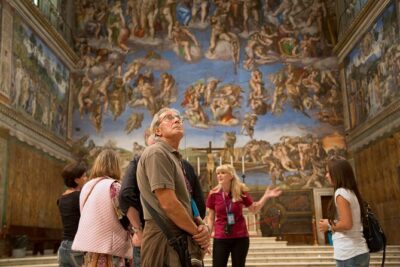
Vatican Museums, Sistine Chapel & St Peter’s Basilica Guided Tour
Read our review →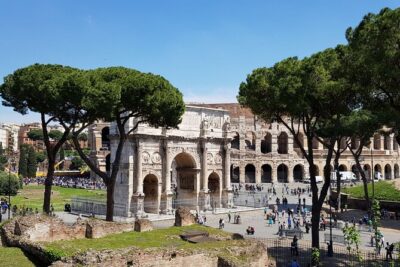
Colosseum, Palatine Hill and Roman Forum Guided Tour
Read our review →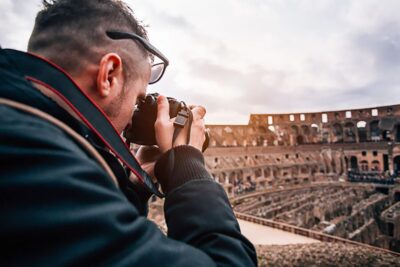
Guided Tour of Colosseum, Roman Forum & Palatine Hill
Read our review →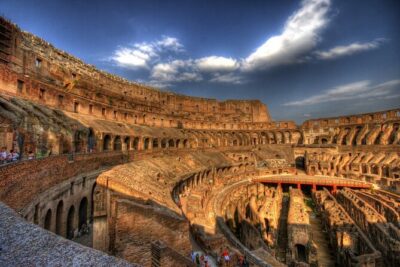
Colosseum, Roman Forum and Palatine Hill Guided Tour
Read our review →
Colosseum Arena Floor, Palatine & Forum Guided Tour
Read our review →
Vatican Museums, Sistine Chapel and Basilica Tour
Read our review →