
Reviewed · SMALL-GROUP TOURS IN ROME
Small-Group Tour at Underground Temples of St. Clement’s Basilica
Rome has a hidden staircase. This small-group tour leads you from St. Clement’s golden mosaic down 14 meters into an early Christian underground church, then continues to one of the city’s best-preserved Mithraic temples. You also have an optional upgrade to Santo Stefano Rotondo al Celio, a circular church famous for striking frescoes of martyrs.
I love the way the guide stitches pagan and early Christian layers into one clear story, and I love that you get headsets so you can hear every detail even in tight spaces. If you get a guide like Francesca, Ernesto, Tom, or Daniele V, the explanations tend to be energetic and focused on what you’re looking at.
One consideration: the underground portion involves a lot of steps and close corridors, and the site is not recommended if you’re claustrophobic. Also, photography and filming inside the basilicas are not allowed, so go in ready to use your eyes, not your camera.
In This Review
- Key Things to Know Before You Go
- St. Clement’s Underground: One Ticket, Multiple Eras
- Small-Group Comfort, Headsets, and the Phone Rule
- Stop 1 at San Clemente: Golden Mosaic, 14-Meter Descent, and Frescoes
- Mithraic Temple Beneath the Church: Pagan Rome in Plain Sight
- Above Ground Time at St. Clement’s: What You See Matters More Than Speed
- Optional Upgrade: Santo Stefano Rotondo’s Circular Interior and Martyr Frescoes
- Luggage Deposit and Practical Timing for a Smooth Two Hours
- Price Value: What $70.81 Buys in Real Sightseeing Time
- Who This Tour Fits Best (And Who Should Skip It)
- Dress Code and Site Rules You’ll Need to Follow
- Should You Book This Underground Temples Tour?
- FAQ
- How long is the Underground Temples of St. Clement’s Basilica tour?
- How much does the tour cost?
- Is this tour in English?
- What is included in the ticket price?
- What are the church dress requirements?
- Is photography allowed?
- Is the Santo Stefano Rotondo upgrade suitable for children?
Key Things to Know Before You Go
- 14-meter descent at St. Clement’s for early Christian frescoes and the church built over St. Clement’s home
- Mithraic temple on the same route, with a story about a cult that thrived before Christianity
- Headsets included so you hear the guide clearly in the underground
- Strict church rules like quiet phones (silence mode) and no photos inside
- Optional Santo Stefano Rotondo add-on for frescoes in a circular basilica layout
- Max 16 people keeps the pace manageable and the guide’s attention more personal
St. Clement’s Underground: One Ticket, Multiple Eras
This tour is about scale, and not the usual Colosseum kind. At St. Clement’s, Rome keeps stacking time on top of time, literally. You start with a 12th-century basilica above ground, then go down into levels tied to the early Christian era and even further to a Mithraic space.
What makes it feel special is how quickly the layers become understandable. You are not just looking at old walls, you’re getting a guided explanation of how pagan worship and early Christianity occupied the same urban ground over centuries. That helps you connect the site to the larger story of Rome, without turning it into a lecture.
You’ll also appreciate that the pacing is tight in a good way. The total experience is about 2 hours, and the main stop at St. Clement’s is about 1 hour. The result is a “see it, learn it, then keep going” rhythm that works well if you have limited time in Rome.
More Small-Group Tours in Rome
- Skip-the-Line Vatican, Sistine Chapel & St. Peter’s | Small Group
★ 5.0 · 7,060 reviews - Rome: Colosseum Underground Small Group Guided Tour
★ 4.7 · 4,844 reviews - Rome: Skip the Line Vatican, Sistine Chapel, St Peter Small Group
★ 5.0 · 3,847 reviews - Rome on a Golf Cart Semi-Private Tour Max 6 with Private Option
★ 5.0 · 2,502 reviews
Small-Group Comfort, Headsets, and the Phone Rule
This is a small group, capped at 16 travelers, which matters in a place where movement can get awkward. In underground areas, crowds and narrow passages can turn sightseeing into a shuffle. Here, the group size helps the guide keep everyone oriented.
Headsets are included, so you’re not relying on guessing what your guide said over footsteps and echo. That’s a real comfort in subterranean spaces, where sound carries in unpredictable ways.
Plan for one non-negotiable: your phone must be on silence before you enter the churches. It’s also worth remembering that photography and filming are not allowed inside the basilicas. Bring your curiosity, and leave the camera cravings at the door.
If you want to reduce waste, the tour recommends you bring your own headphones. Personally, I like that kind of sensible detail. It’s one small way to avoid extra plastic while still getting clear audio.
Stop 1 at San Clemente: Golden Mosaic, 14-Meter Descent, and Frescoes
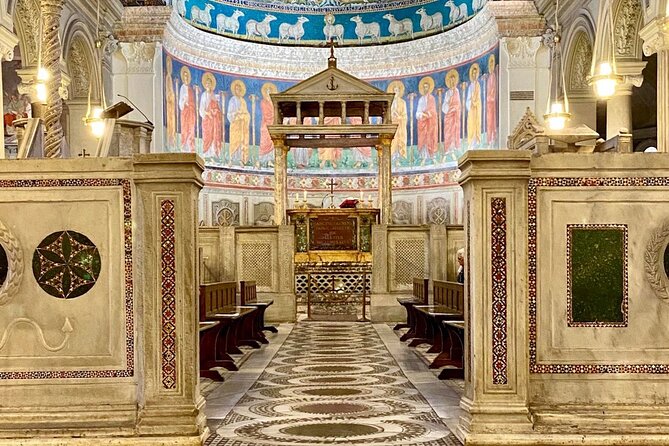
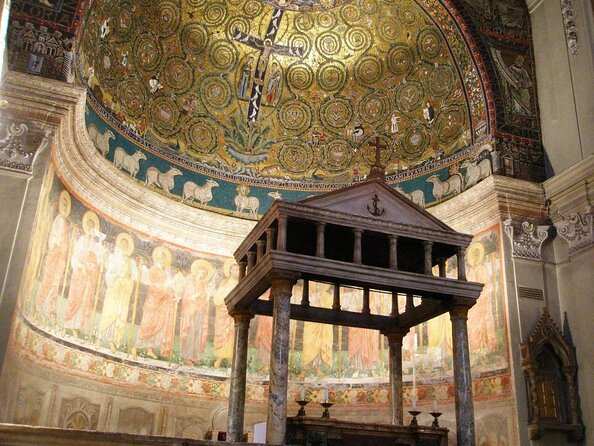
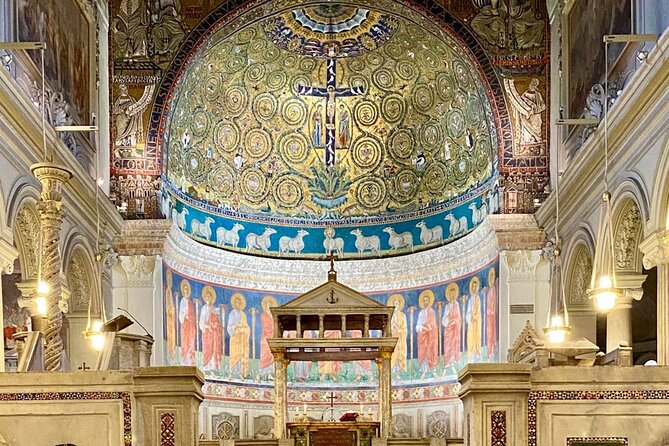
Your first stop is Basilica of San Clemente, a site built on layers that go far beyond a typical church visit. You begin above ground at the 12th-century basilica, where your guide highlights the golden mosaic in the apse. The point isn’t just that it’s pretty, it’s that it signals how Christian art and ideas were shaped for worship.
Then comes the signature moment: you descend about 14 meters beneath the basilica. Down there, you reach a 4th-century underground church that was built directly on top of St. Clement’s home, tied to his role as the third pope of Rome. That home connection is a key part of why the place feels so human, not just historical.
This lower church has early Christian frescoes that tell stories of martyrs and the struggles first Christians faced. As you move through the layers, the guide helps you read what you’re seeing as part of real life back then, not only as religious symbolism.
One practical note: the underground areas can be tight, and the route includes lots of stairs. Comfortable shoes are not optional. You’ll do better if you expect a “walk and climb” tour, not a sit-and-stare one.
Mithraic Temple Beneath the Church: Pagan Rome in Plain Sight
After the early Christian part, the tour continues downward again to uncover a well-preserved Mithraic temple. That shift is the reason this tour stands out in my book, because it refuses to treat Rome as only one story.
Mithraism flourished before Christianity gained dominance. Here, you’ll see evidence of that earlier religious world, and your guide explains the cult’s rituals and beliefs. You might not know Mithras from your Roman holiday reading list, but you’ll leave with a clearer understanding of how this cult functioned and what people were seeking spiritually.
There’s also a specific atmosphere detail that the tour leans into. The underground river adds an eerie, haunting feel to the space. Even if you’re not a horror-movie fan, that sensory touch helps the explanation land.
For history lovers, this is often the “wait, what?” moment of the day. You realize you’re standing in a spot where different faiths once operated in the same city footprint, centuries apart.
Above Ground Time at St. Clement’s: What You See Matters More Than Speed
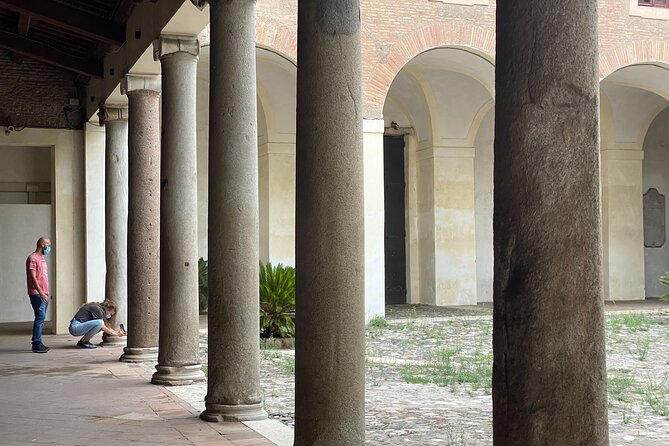
The underground part is the headline, but don’t rush the above-ground basilica time. The golden mosaic in the apse sets the visual tone for the Christian layer of the site. Above ground, you can also take a moment to absorb the basilica’s layout before you compare it to what’s underneath.
That contrast is useful. If you only focus on what’s underground, you can miss how the upper church frames the story. The mosaic and the architecture give you something to reference, so when you go down, it feels like you’re traveling through a timeline you can actually map.
Also remember the photography rule. You will not be able to take pictures inside. This is where I’d suggest you slow down just a little with your eyes. Look for the details your guide points out, because you won’t have your phone to “catch up” later.
Another shape for the same afternoon in Rome:
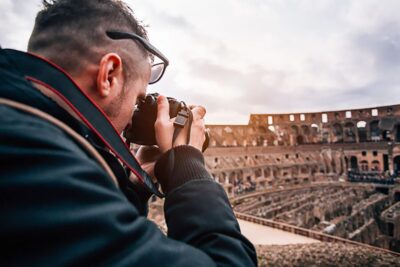
Optional Upgrade: Santo Stefano Rotondo’s Circular Interior and Martyr Frescoes
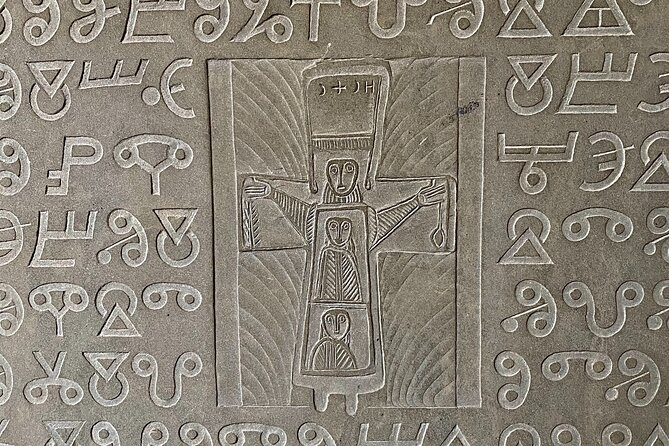
If you choose the upgrade, your second stop is Basilica di Santo Stefano Rotondo al Celio. This add-on typically takes about 45 minutes, and the admission ticket is free for this option.
Santo Stefano Rotondo is known for its circular design, which makes it feel different the moment you enter. Instead of comparing it to St. Clement’s layers, you’re shifting your focus to another kind of religious storytelling: frescoes.
Inside, you’ll see frescoes depicting early Christian martyrs, with dramatic scenes of sacrifice and endurance. Your guide shares the stories behind the artworks, and that narrative context is what turns painted figures into something you can understand.
Important for planning: the frescoes include graphic martyrdom scenes, so it may not be appropriate for children. If you’re traveling with kids, think about how they handle intense religious imagery before you add this portion.
One more logistical wrinkle: if you book the upgrade, the itinerary may vary depending on schedules. You may start at St. Clement’s and then go to Santo Stefano Rotondo, or the order may flip. Because the ending location can vary, keep your next appointment flexible.
Luggage Deposit and Practical Timing for a Smooth Two Hours
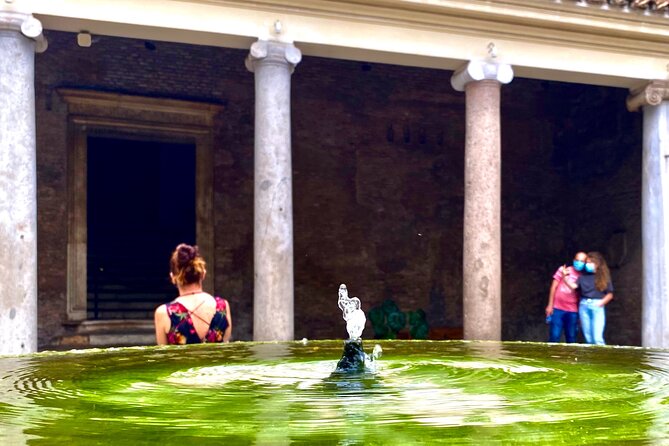
This tour includes a luggage deposit in the office for the duration of the tour. That’s handy if you’re walking in from a hotel, you’re returning from another site, or you’ve got day bags you’d rather not carry through steps and stairs.
There is no hotel pick-up or drop-off. The meeting point is Piazza di San Clemente, 00184 Roma, and the tour ends in a different location. Since you’ll be moving after the final stop, it’s smart to plan your next activity with some breathing room for getting back to your plan.
Also note the tour depends on conditions. It’s subject to weather conditions and/or liturgic-calendar events. If it’s canceled, you’ll be offered an alternative date or a full refund.
As a general Rome strategy, I treat this as a morning-or-afternoon anchor rather than a “maybe” slot. Underground sites still operate, but timing and entry rules can shift around special events.
Price Value: What $70.81 Buys in Real Sightseeing Time
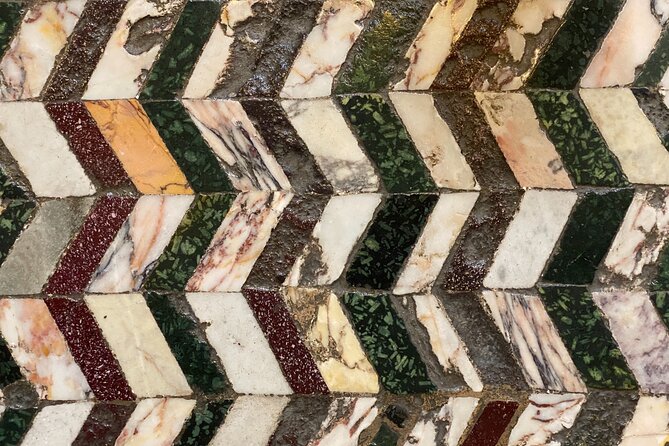
At $70.81 per person, this is not a bargain tour. But it’s also not an overpriced museum ticket with fluff. You’re paying for a guided walkthrough through multiple levels, plus included items that make the experience easier.
Here’s where the value comes from:
- Expert live guide for both the church layer story and the Mithraic context
- Entrance fees to the St. Clement’s basilica area
- Headsets to make sure you can actually follow the narration
- Luggage deposit so you can move comfortably through the site
- A small group limit of 16, which helps keep the pacing realistic
And if you add Santo Stefano Rotondo, the guided visit includes ticket-free admission for that stop. That makes the upgrade feel more like “more time with the same guide talent” than a separate, expensive outing.
One more value point: the tour is in English, and confirmation is received at booking time. If you want clear communication and a smooth entry experience, that helps reduce uncertainty when you’re juggling multiple reservations in Rome.
Who This Tour Fits Best (And Who Should Skip It)
This works best if you like religious history, architecture, and Rome’s habit of layering one era over the next. If you’re the type who enjoys details like how early Christians used art to tell martyr stories, you’ll be in your element.
It’s also great if you want a guided explanation for the Mithraic temple. Mithraism can be confusing when you only have plaques and photos. Here, you get the guided version of what rituals and beliefs meant.
On the other hand, this is not recommended for claustrophobia, because you’ll be going underground and moving through tight corridors and steps. If confined spaces make you uncomfortable, it’s better to choose a different site format.
Families should consider the Santo Stefano fresco content. The scenes of martyrdom are described as graphic, and that may be a poor match depending on a child’s age and sensitivity.
Finally, if you hate rules, this may test your patience a bit. No photos inside, phones on silence, dress code rules, and walking intensity are part of the package.
Dress Code and Site Rules You’ll Need to Follow
To enter the churches, you’ll need an appropriate dress code: knees and shoulders must be covered. It’s one of those Rome rules that can ruin a visit if you only remember it at the entrance, so check your outfit before you leave.
You’ll also want to follow the site rules:
- No photography or filming inside the basilicas
- Phone on silence before visiting
- Pets are not allowed inside the churches
It’s a lot to remember, but it’s also standard for this kind of sacred site. The easiest way to handle it is to treat the tour like a guided church visit first, sightseeing second.
Should You Book This Underground Temples Tour?
Book it if you want one of the clearest ways to understand how Rome’s religious world changed over time. You get multiple layers in a compact window, plus a guide who can explain why these spaces mattered to people who lived there.
I’d also book it if you like having your time organized. At about 2 hours and with headsets included, it’s a practical way to see a famous Rome site without spending half a day hunting for context on your own.
Skip or reconsider if you’re claustrophobic, or if you need a low-step, low-corridor plan. Underground history is cool, but only if you can handle the physical side of it.
And if you’re deciding on the upgrade, consider whether your group is comfortable with graphic martyrdom frescoes. If that imagery is a no-go for kids, keep the focus on St. Clement’s and save Santo Stefano Rotondo for another day when it fits your comfort level.
FAQ
How long is the Underground Temples of St. Clement’s Basilica tour?
The tour lasts about 2 hours. The St. Clement’s basilica portion is about 1 hour, and the optional Santo Stefano Rotondo portion is about 45 minutes.
How much does the tour cost?
The price is $70.81 per person.
Is this tour in English?
Yes, the tour is offered in English.
What is included in the ticket price?
Included items are an expert live guide, entrance fees to Basilica di San Clemente, a luggage deposit, and headsets. The guided visit to Santo Stefano Rotondo is included only if you select the option during purchase.
What are the church dress requirements?
You need knees and shoulders covered to enter the churches.
Is photography allowed?
No. Photography and filming inside the basilica’s is not allowed.
Is the Santo Stefano Rotondo upgrade suitable for children?
The frescoes at Basilica di Santo Stefano Rotondo al Celio depict graphic scenes of martyrdom, and the tour notes it may not be appropriate for children.
Latest additions from Rome
- Rome: Testaccio Market Food Tour with Street Food & Wine★ 5.0 · 8 reviews
- Exclusive Pasta & Tiramisu Class with Wine near by Colosseum★ 5.0 · 8 reviews
- Private Professional Photoshoot in Rome★ 5.0 · 8 reviews
- Loreto “Shrine of the Holy House of the Virgin Mary” Private Tour from Rome★ 5.0 · 8 reviews
- Rome Day to discover Florence and Pisa Hotel Pickup★ 4.5 · 8 reviews
- Rome: Christmas Nativities and Angels Tour★ 3.1 · 8 reviews
- Guided Tour of Vatican Museums and Sistine Chapel★ 5.0 · 8 reviews
- Rome: Cooking Class of fresh Pasta and Tiramisu Cake★ 5.0 · 8 reviews
Small-Group Tours in Rome, compared.
Skip-the-Line Vatican, Sistine Chapel & St. Peter’s | Small Group
Read our review →
Colosseum Underground Small Group Guided Tour
Read our review →
Skip the Line Vatican, Sistine Chapel, St Peter Small Group
Read our review →
Rome on a Golf Cart Semi-Private Tour Max 6 with Private Option
Read our review →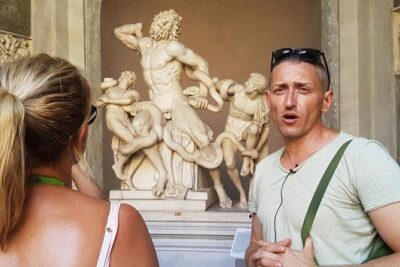
Complete Early Morning Vatican Tour | Small Group
Read our review →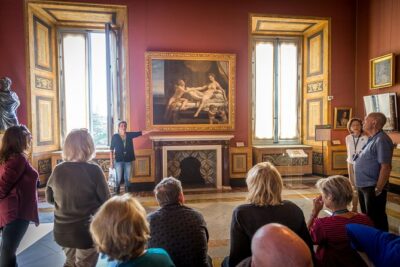
Borghese Gallery & Gardens Small Group Guided Tour
Read our review →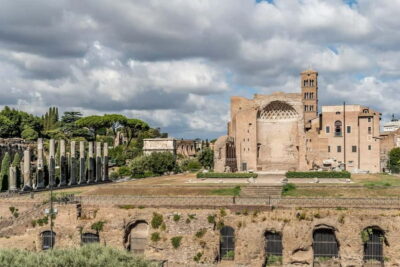
Colosseum & Forum Small Group Tour with Palatine Hill
Read our review →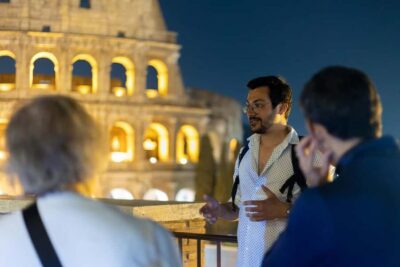
Rome by Night: E-bike Small Group Tour -Food & Wine (Option)
Read our review →Browse the lists this tour appears in