
Reviewed · PANTHEON TICKETS AND GUIDED TOURS
Rome: Treasure Hunt for Kids and Families Trevi and Pantheon
Clues turn Rome into a game. I love how this hunt connects iconic stops like the Pantheon and Trevi Fountain with kid-friendly quizzes, and I also like that the guide keeps the adults in on the fun with smart, quick commentary. One drawback to note up front: you are walking through the historic center for the full session, so it needs solid, comfortable shoes.
The format is simple and effective. Your local guide turns the day into a mission, with clues and trivia prompts that push kids to look closely at carvings, columns, inscriptions, and the little architectural details most people miss.
I also appreciate the social payoff at the end, the winner’s prize makes everyone care. Guides I’ve seen at work in this style, like Bruno, Tomas, Maria, Alessandra, and Francesco, tend to keep energy up even when kids are distracted or running low.
In This Review
- Key Things I’d Plan For
- The Best Part: A Game That Improves How You See Rome
- Meeting at Piazza Mignanelli, Then Getting Oriented Fast
- Pantheon Stop: Why This Landmark Works So Well for Families
- Trevi Fountain Clues and the Streets Around It
- Piazza Navona and Spanish Steps: Better Than Landmark Hopping
- How the Guide Keeps Everyone Participating
- Photo Time and Optional Breaks That Make It Feel Human
- Duration and Walking Pace: The Practical Reality
- Price and Value: What $105 Buys You in Real Terms
- Who This Tour Fits Best (And Who Might Skip It)
- Should You Book This Rome Treasure Hunt?
- FAQ
- How long is the Rome Treasure Hunt for Kids and Families?
- How much does the tour cost?
- Where is the meeting point?
- Is the tour guided by a live person?
- What languages are available?
- What monuments and areas will we see?
- What is included in the price?
- Is free cancellation available?
- Can I reserve now and pay later?
- Is the tour suitable for wheelchair users or limited mobility?
Key Things I’d Plan For
- Treasure-hunt structure: quizzes and trivia keep the group moving and thinking, not just staring
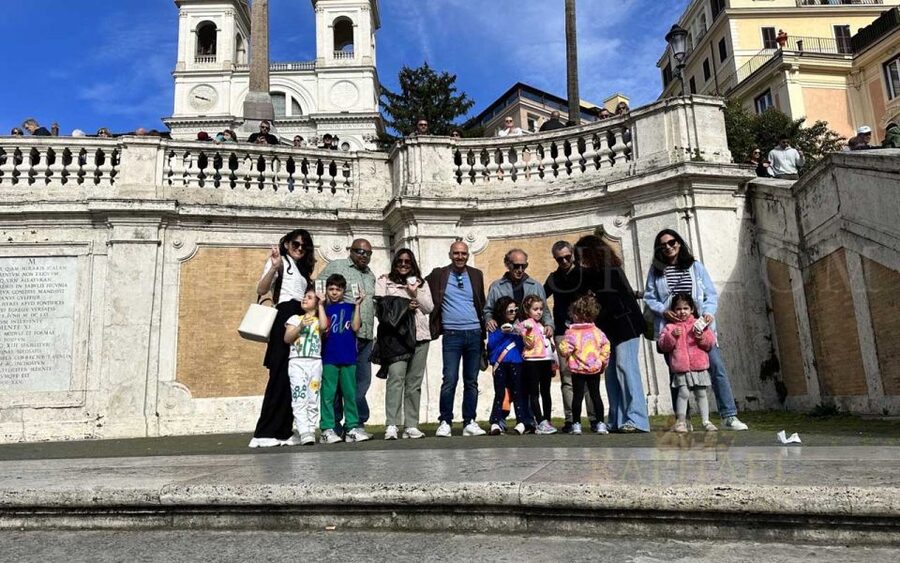
- Big Rome sites on foot: Pantheon, Trevi Fountain, Spanish Steps, plus scenic stops like Piazza Navona
- Family-first guidance: activities are designed to hold kids attention while still giving adults real facts
- Close-up looking: you learn to notice details, not just landmarks, like the honey-bee carving in a column
- A prize at the end: it adds motivation, and it helps quieter kids participate
The Best Part: A Game That Improves How You See Rome
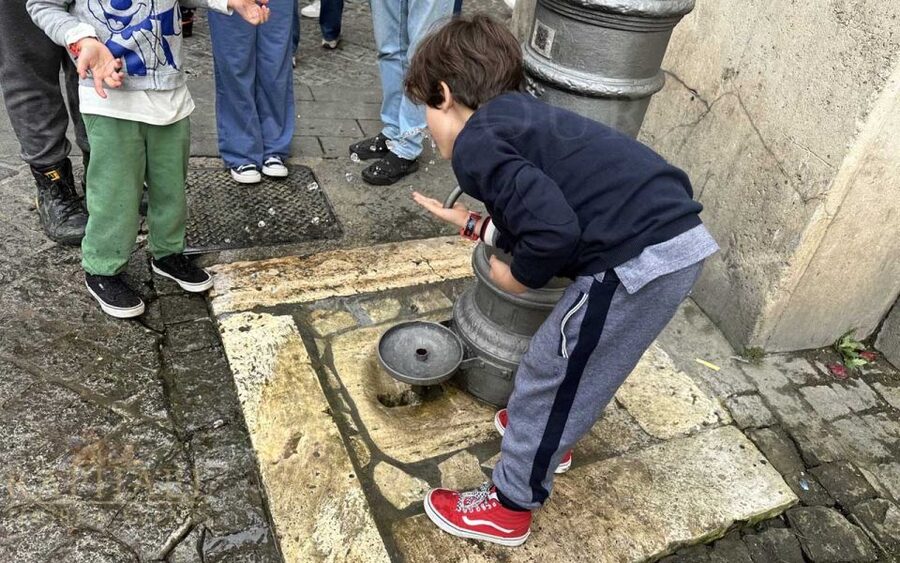
Rome can be overwhelming for families. The city hits you with crowds, huge buildings, and constant motion. This experience fixes that by changing the mental task from sightseeing to problem-solving.
You do not just walk from point A to point B. You stop, look, and answer clue prompts. That small shift matters. When kids hunt for clues, they slow down naturally. Adults benefit too, because the guide steers your attention toward specifics you would otherwise skim past.
The tour also has a built-in rhythm. You get a sequence of short challenges, then the guide explains what you are seeing in clear, practical language. It is the kind of pacing that helps everyone recharge without losing momentum.
More Family Tours in Rome
- Colosseum and Roman Forum Tour for Kids and Families
★ 5.0 · 446 reviews - Rome: Moonlight Guided Walking Tour – Free for Kids
★ 4.8 · 288 reviews - Rome: 2-in-1 Family-Friendly Pasta & Tiramisu Cooking Class
★ 4.9 · 249 reviews - Colosseum Gladiator Tour for Kids and Families
★ 4.1 · 226 reviews
Meeting at Piazza Mignanelli, Then Getting Oriented Fast
You meet your guide by the Column of the Immaculate Conception in Piazza Mignanelli. That location is a good starting point for families because it sits right in the thick of central Rome. You are not fighting for transport plans or spending your first hour simply trying to figure out where everything is.
From there, you are walking through the historic center, which is where this tour earns its keep. A lot of Rome experiences fail because you spend too long staring at directions, maps, and crowd flow. Here, the guide handles the logistics of the story, so your group can focus on the sights.
One practical tip: keep a little snack and water ready for kids. Even with a 2-hour duration, family pacing can change fast. When energy drops, the guide’s activity design helps, but a quick snack still makes the day smoother.
Pantheon Stop: Why This Landmark Works So Well for Families
The Pantheon is one of those Rome sites that can feel either magical or stressful, depending on how you approach it. It is spectacular, but it is also a big draw, which means crowds and waiting can be part of the experience.
This is exactly why a guided treasure hunt around the Pantheon hits differently. Kids are not simply told to look up at the dome. They are asked to find clues and pay attention to specific details, which gives the Pantheon a purpose beyond photos.
In at least one run, the guide handled skip-the-line entry for the Pantheon, which is a real quality-of-life upgrade on busy days. Even when you are not avoiding lines completely, the guided approach tends to reduce dead time because you are always working on the next clue.
What I like about how the Pantheon fits the game:
- It rewards looking closely, which the hunt encourages
- The guide can explain the meaning behind what you see in short chunks
- The building itself becomes the classroom
If your kids love puzzles, this is the anchor moment. One guide highlighted small carvings for discovery, like the honey-bees detail on a column, and that kind of prompt turns a museum-like space into an active scavenger hunt.
Trevi Fountain Clues and the Streets Around It
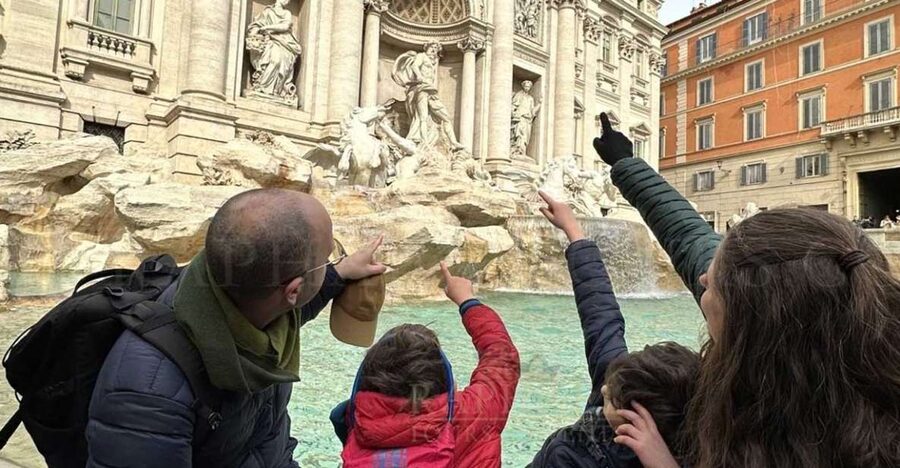
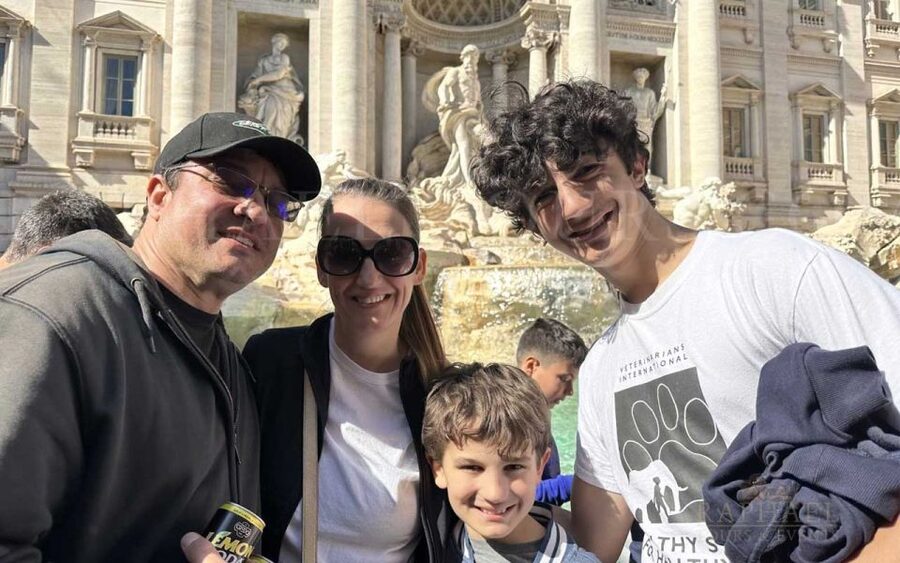
Trevi Fountain is famous for a reason, but fame can blur the details. When you go on your own, you might stand in a crowd, take a quick shot, then move on. Here, Trevi becomes a clue stop, meaning you actually study what is around the fountain and not just the fountain itself.
The tour is designed to keep you engaged while you walk through central streets that connect the big monuments. You are likely to encounter nearby highlights too, because the guide uses the surroundings as part of the storytelling.
A strong feature is that the guide points out context you can understand on the spot. That matters when you are with kids, because it is hard to remember long historical lecture material. Instead, the guide ties facts to visible elements, so the story sticks.
Also, Trevi does not exist alone. Your treasure hunt format helps you notice how Rome’s layout shapes the walk. You get to feel the city as a series of views and turns, not a list of monuments.
Piazza Navona and Spanish Steps: Better Than Landmark Hopping
Two more stops round out the highlights: Spanish Steps and areas around Piazza Navona. Both are visually rewarding, but they can turn into quick photo stops if you do not have a plan.
This tour gives you a reason to slow down. When the guide introduces clues around these areas, you start looking for design details and architectural cues rather than just chasing the most obvious sightline.
That is where the tour can feel like a win for adults. You still get the big iconic moments, but you also learn how to read the city. You notice symmetry, urban layout, and how crowds gather around focal points.
One thing to keep in mind: this is still a walking experience. The center of Rome has lots of small surfaces and turns. You will want to keep your kids moving, but the guide’s prompts usually make that easier than free-roaming.
If you want a day where your children feel like they are winning something, these scenic stops are the glue. They keep the momentum going between the heaviest hit attractions.
More Scavenger Hunts and City Games in Rome
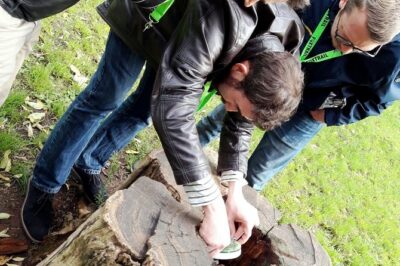

How the Guide Keeps Everyone Participating
The real engine of this experience is the licensed guide and the way they use short, active teaching. Guides like Bruno, Tomas, Maria, Alessandra, Francesco, and Gabriël were described as highly engaging, and that shows up in how the activities are structured.
You are not just listening. You are answering questions, hunting for objects or carvings, and responding to prompts the guide keeps bringing back throughout the walk. Kids stay involved because they have a job. Adults stay involved because the guide ties the visuals to clear explanations.
One detail I especially like from the way these hunts are described is the focus on small observations. When a guide asks for a specific clue, like finding a carving detail in a column, the whole space stops feeling generic. The group becomes a team of observers.
This is also why the day works even when it is not perfect. In one account, a child was sick and the kids were tired, yet everyone was still engaged. That suggests the guide does not rely on perfect conditions. The activities flex to the group.
Photo Time and Optional Breaks That Make It Feel Human
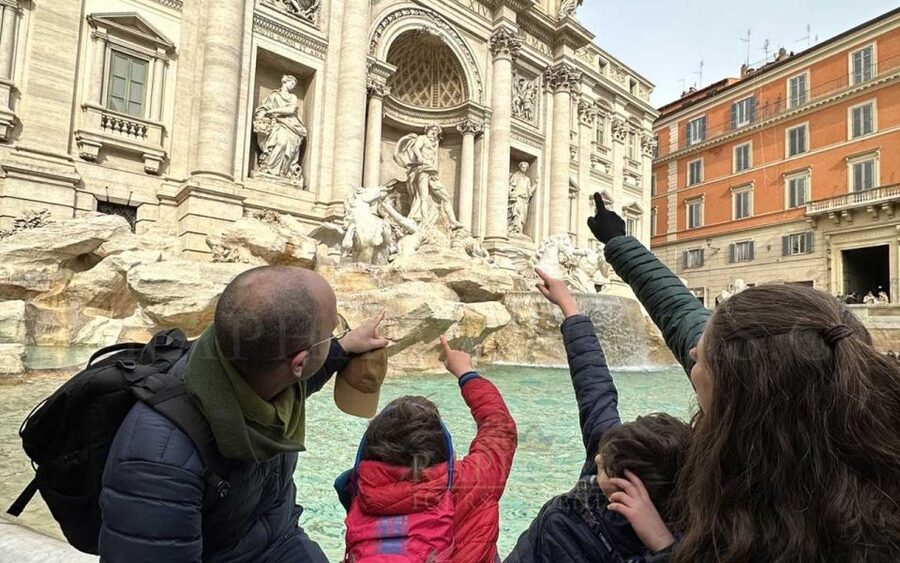
Two hours can sound short until you remember how much Rome is packed into a small area. This tour is built to hit major landmarks while still leaving space for moments that make family sightseeing easier.
You can expect ample time for photos, especially around the big icons like the Pantheon and Trevi Fountain. It is not just a whip-through.
Some guides also build in a pause for a cafe stop when the route and energy allow. For example, in one experience Tomas shared a recommendation for what he called the best cafe in town and the group had time for it. You should not count on this as a guaranteed stop, but it does show that your guide can shape the tour to feel less like a checklist and more like a memorable walk.
For families, that matters. You are not just collecting sights, you are collecting breathing room.
Duration and Walking Pace: The Practical Reality
The tour is listed as 2 hours. In practice, groups may run a bit longer depending on questions, crowd flow, and how the hunt is going. Either way, it is designed as a focused, central Rome experience, not a full-day marathon.
Walking in the historic center means:
- You should plan on steady footwork
- The route includes classic Rome street surfaces and lots of turns
- There is no wheelchair or mobility-first setup
If anyone in your group struggles with walking distances, you will want to weigh this carefully. It is not suitable for people with mobility impairments or wheelchair users.
For most families with kids old enough to participate in a hunt, this duration is a sweet spot. It is long enough to feel like you did something meaningful, but short enough to prevent the day from collapsing into exhaustion.
Price and Value: What $105 Buys You in Real Terms
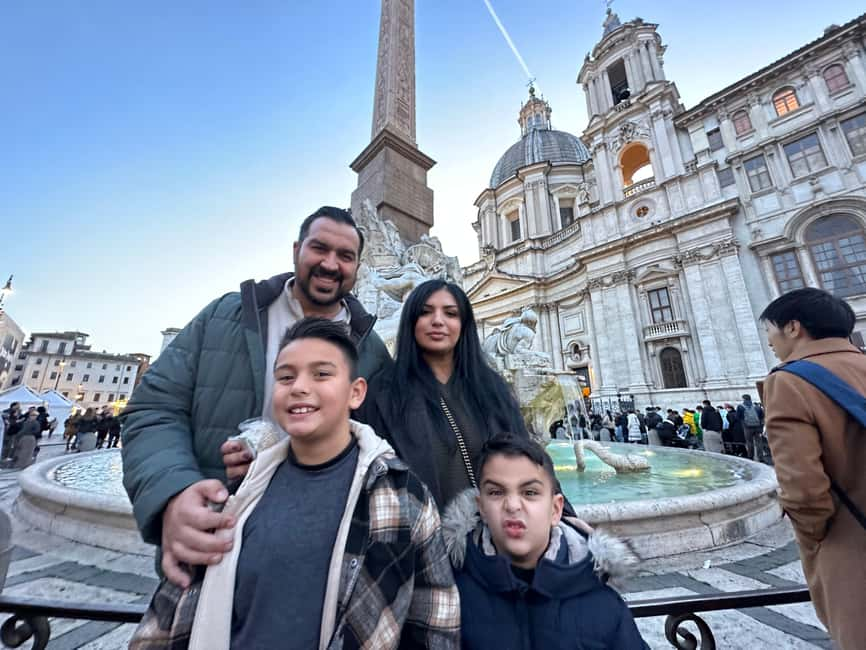
At $105 per person, this is not the cheapest Rome activity option. But it is also not just a “see Rome” walk. You are paying for three things that add up in value:
First, you get a licensed guide. A good guide changes how much you learn, especially with children who need structure to stay engaged.
Second, you get the treasure hunt format, including quizzes and trivia designed for families. That is a built-in attention system. It is why kids keep participating instead of zoning out.
Third, you get a prize for the winner, which sounds small, but it makes the activity competitive in a friendly way. For kids, that translates into effort. For parents, it translates into less negotiation.
So the value math looks like this: you are paying for time, coaching, and engagement, not just for access to famous buildings. If you are the type of family that enjoys interactive activities and wants to learn as you go, this fee tends to feel justified.
If your group prefers quiet, self-paced sightseeing with no structure, then the format might feel like too much. For those travelers, a standard guided walk might be a better fit.
Who This Tour Fits Best (And Who Might Skip It)
This experience is designed for families and kids, with an emphasis on games and learning. It also works for adults who enjoy facts but do not want a lecture.
You should especially consider it if:
- Your kids get restless in long sightseeing sessions
- You like having a plan that keeps everyone motivated
- You want to see major Rome landmarks but also learn the small details
You might skip it if:
- Your group strongly prefers not to walk or not to participate in activities
- Your family wants a slower, unstructured day
- Someone in your group needs wheelchair-friendly accommodations, since it is not suitable for that
One more small note: it is English language, so it is easiest when everyone in your group is comfortable with English. That is standard for many guided experiences in Rome, but it is worth double-checking before you book.
Should You Book This Rome Treasure Hunt?
If your goal is a family-friendly Rome day that feels like an adventure, I think this is a smart booking. The treasure hunt format turns famous monuments into something kids can actively participate in, and it also keeps adults engaged through quick, understandable explanations.
I would book it when you want:
- Pantheon and Trevi Fountain as your anchor sights
- A guided walk that makes kids look closely at real details
- A short, structured experience that fits into a first visit
I would hesitate if your group is not interested in activities or if mobility is a concern. In those cases, a different style of tour will likely feel better.
Bottom line: for families who want Rome with momentum, this tour is a great value use of a couple of hours.
FAQ
How long is the Rome Treasure Hunt for Kids and Families?
The tour lasts 2 hours.
How much does the tour cost?
It costs $105 per person.
Where is the meeting point?
Meet your guide by the Column of the Immaculate Conception in Piazza Mignanelli.
Is the tour guided by a live person?
Yes, it includes a licensed live tour guide.
What languages are available?
The tour is offered in English.
What monuments and areas will we see?
You will explore central Rome and focus on major landmarks such as the Pantheon, Trevi Fountain, Spanish Steps, and areas including Piazza Navona.
What is included in the price?
The tour includes the licensed guide and a prize for the winner.
Is free cancellation available?
Yes. You can cancel up to 24 hours in advance for a full refund.
Can I reserve now and pay later?
Yes, you can reserve now and pay later.
Is the tour suitable for wheelchair users or limited mobility?
No. It is not suitable for people with mobility impairments or wheelchair users.
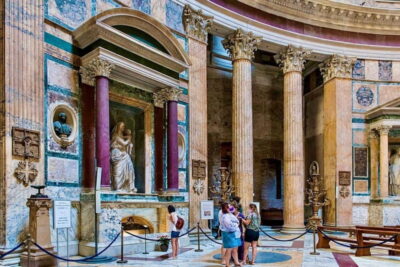
Under the Pantheon Dome
- Rome: Pantheon Priority Entry Ticket & Interactive App
★ 4.1 · 5,114 reviews - Rome: Pantheon Priority Entry Tickets with Interactive App
★ 4.6 · 4,108 reviews - Rome: Pantheon Timeless Marvel Guided Tour with Entry Ticket
★ 4.9 · 4,002 reviews - Castel Sant’Angelo: Ticket with optional Vatican or Pantheon
★ 4.4 · 3,088 reviews
Latest additions from Rome
- Rome: Testaccio Market Food Tour with Street Food & Wine★ 5.0 · 8 reviews
- Exclusive Pasta & Tiramisu Class with Wine near by Colosseum★ 5.0 · 8 reviews
- Private Professional Photoshoot in Rome★ 5.0 · 8 reviews
- Loreto “Shrine of the Holy House of the Virgin Mary” Private Tour from Rome★ 5.0 · 8 reviews
- Rome Day to discover Florence and Pisa Hotel Pickup★ 4.5 · 8 reviews
- Rome: Christmas Nativities and Angels Tour★ 3.1 · 8 reviews
- Guided Tour of Vatican Museums and Sistine Chapel★ 5.0 · 8 reviews
- Rome: Cooking Class of fresh Pasta and Tiramisu Cake★ 5.0 · 8 reviews
Pantheon Tickets and Guided Tours, compared.
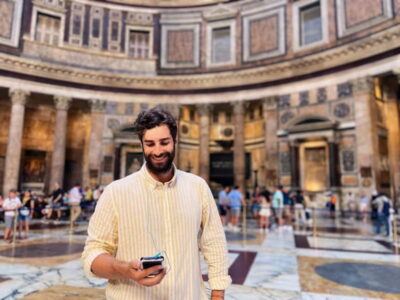
Pantheon Priority Entry Ticket & Interactive App
Read our review →
Pantheon Priority Entry Tickets with Interactive App
Read our review →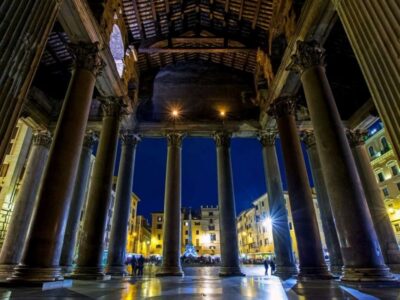
Pantheon Timeless Marvel Guided Tour with Entry Ticket
Read our review →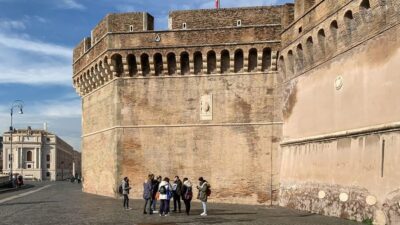
Castel Sant’Angelo: Ticket with optional Vatican or Pantheon
Read our review →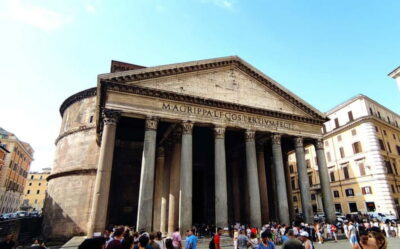
Pantheon Small-Group Guided Tour with Entry Ticket
Read our review →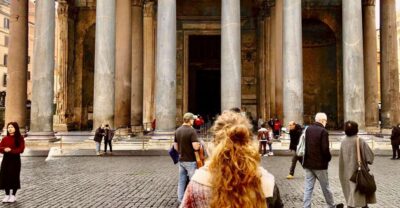
Pantheon Small Group Tour and Skip-the-Line Ticket
Read our review →
Pantheon Entry Ticket With Interactive App + Host
Read our review →Browse the lists this tour appears in