Reviewed · TOURS
Rome: Tour of St. Clement’s Basilica Underground Temples
Rome hides its most dramatic stories underground. One 1-hour guided visit turns San Clemente into a time machine, from pagan cult spaces to early Christian art, all stacked beneath the church you see today. You’ll love the chance to explore a well-preserved Mithraic temple and an underground river, plus the early Christian frescoes tied to the basilica’s 4th-century layer.
The second thing I really like is the way your guide points out what matters in the light and the details, starting at the golden mosaic above ground. One possible drawback: the underground spaces are not for everyone, since this tour is not wheelchair accessible and may feel tight for people with claustrophobia.
In This Review
- Key Points to Know Before You Go
- San Clemente Above Ground, the Mosaic That Sets the Tone
- The 12th-Century Basilica, Built Over Earlier Worlds
- 14 Meters Down: Mithraic Temple, Rites, and an Underground River
- The Underground Church: Early Christian Frescoes and Martyr Stories
- The Golden Apse Mosaic, Symbolism You Can Actually Spot
- Santo Stefano Rotondo Add-On: Circular Shape and Martyrdom Frescoes
- Timing, Group Style, and How to Make the Most of 1 to 2 Hours
- The Guide Makes the Difference, and You Can Track the Best Ones
- Tickets, What’s Included, and What You’ll Need to Plan
- Who This Tour Is For (and Who Should Skip It)
- Should You Book This Underground St. Clement Experience?
- FAQ
- How long is the tour?
- What is the starting price?
- What does the tour include for San Clemente?
- Is Santo Stefano Rotondo included?
- What languages are offered for the guide?
- Are headsets provided?
- Is the tour wheelchair accessible?
- Is it suitable for claustrophobia?
- Are photos or videos allowed?
- What should I bring and wear?
Key Points to Know Before You Go
- 14-meter descent into San Clemente, where multiple eras are literally built on top of each other
- Mithraic temple and underground river, giving you a rare look at pre-Christian worship spaces
- 4th-century Christian frescoes connected to early martyrs and persecution stories
- Golden mosaic in the apse, with symbolism you’ll understand more once a guide explains it
- Optional add-on to Santo Stefano Rotondo for circular architecture and martyrdom frescoes
- Expect headsets and a guide who keeps the story clear in multiple languages
San Clemente Above Ground, the Mosaic That Sets the Tone
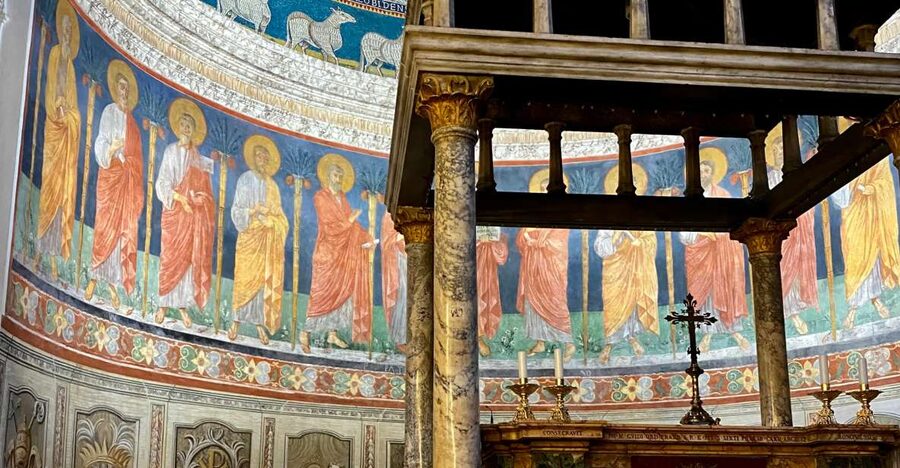
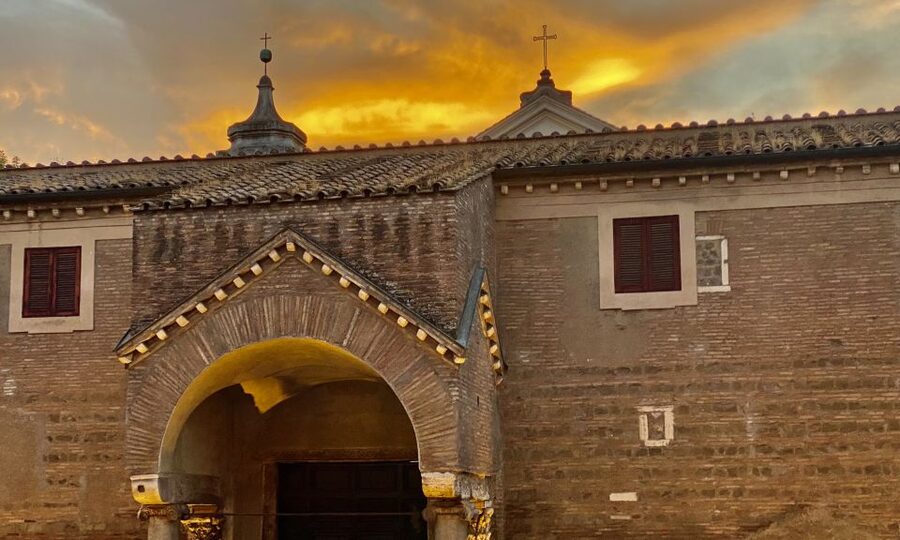
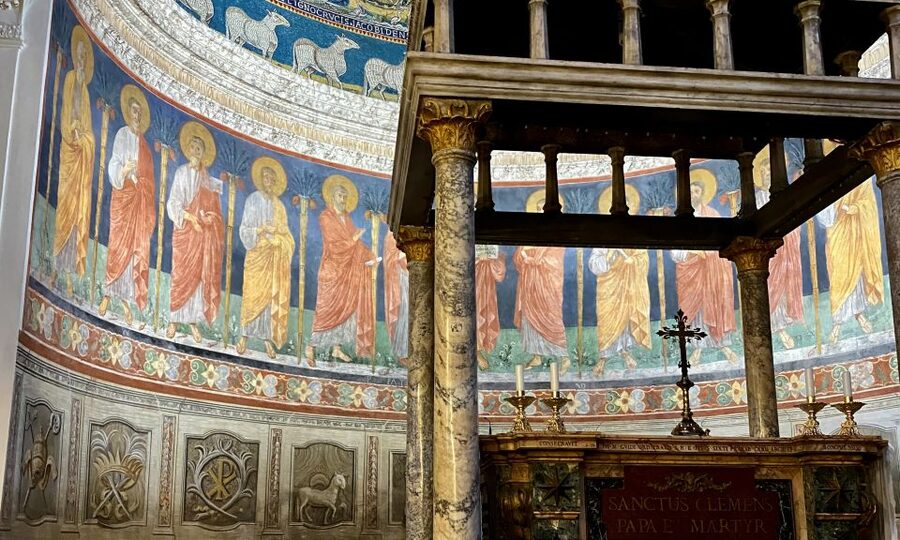
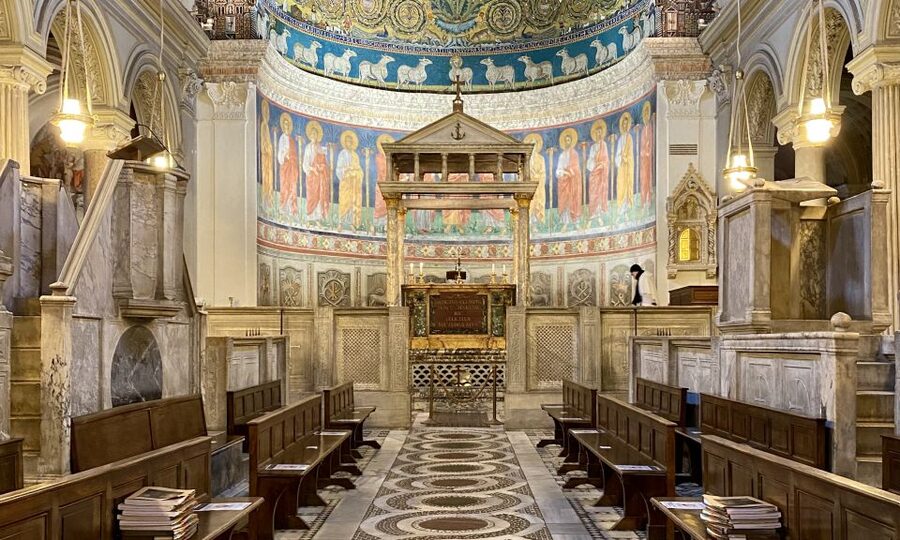
You start at the Basilica of San Clemente, where the main reason to come early is simple. Before you go underground, you get the visual anchor: the golden mosaic in the apse. It’s not just decoration. In this church, art is part of how people explained meaning, power, and belief to ordinary visitors, which matters once you step into the layers beneath your feet.
This is also where your guide helps you read the site like a map. Instead of treating the underground like a random archaeological basement, you see how the present basilica sits on older places and older ideas. Even if you only catch fragments of the story at first, the guide’s job is to keep everything connected, from pagan rites to early Christian identity.
One practical note: this is a guided experience with headsets included, so you can stay focused even when the room is echoey or the group slows down near key points.
Not settled yet? These cover similar ground in Rome:
- Vatican Museums, Sistine Chapel & St. Peter’s Basilica Tour
★ 4.3 · 73,970 reviews - Vatican Museums, Sistine Chapel & St Peter’s Basilica Guided Tour
★ 4.5 · 39,149 reviews - Rome: Colosseum, Palatine Hill and Roman Forum Guided Tour
★ 4.8 · 32,814 reviews - Rome: Guided Tour of Colosseum, Roman Forum & Palatine Hill
★ 4.7 · 27,897 reviews
The 12th-Century Basilica, Built Over Earlier Worlds
San Clemente is famous because it is literally stacked. You’re standing in a 12th-century church, but you’re about to walk down into older floors and earlier religious spaces. The tour is designed so you understand the “vertical Rome” concept: each era reused what came before, changed it, or built directly on top of it.
You’ll hear the connection to St. Clement, described here as the third pope of Rome. The underground church you visit sits on the site tied to his house, and that historical layering is the whole point of this tour.
If you’ve done other big Roman sights, you might be used to one main chapter at a time. This one works differently. It moves you from the big picture, where mosaics and architecture announce status, to the smaller, more human details of what people believed and how they lived.
14 Meters Down: Mithraic Temple, Rites, and an Underground River
The star moment for many people is the descent, 14 meters below the basilica. The change in air, sound, and lighting is part of why the site hits so hard. It’s not just “old stuff.” It’s a setting made for secrecy and ritual.
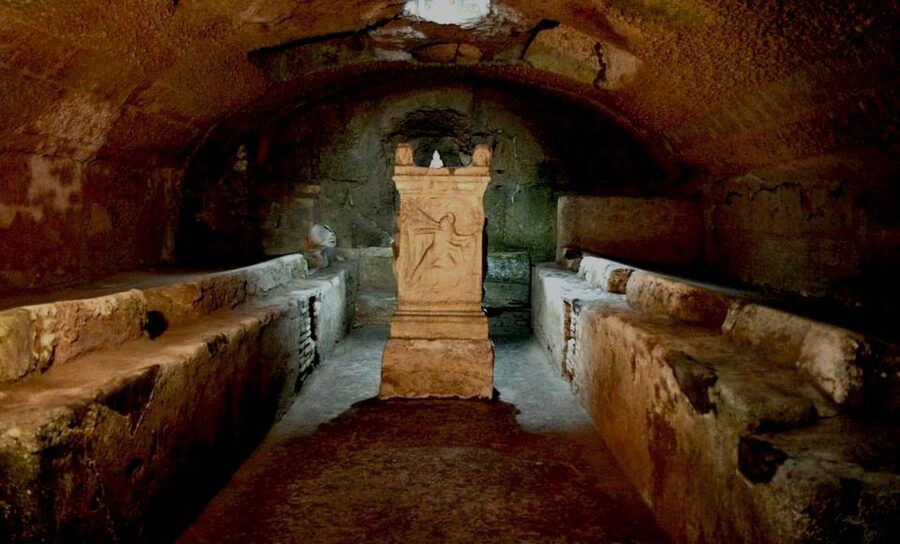
Here’s what makes this section special: you get to see one of Rome’s best-preserved Mithraic temples. That matters because Mithraic sites are not common to visit, and they’re often discussed in theory rather than witnessed as a space you can stand in.
Then the tour adds another layer of atmosphere: an underground river. Water underground changes how a room feels. It’s movement where you don’t expect it, plus a reminder that these early sites were shaped by real geography, not just architecture.
What I like most about this part is that your guide doesn’t treat Mithraism like a trivia fact. You get a clear look at Roman pagan cult life before Christianity rose to dominance, including the idea that these beliefs used hidden rituals and symbolic spaces. Even if you are not a religion-history person, the tour makes the logic readable: people built for what they believed, and worship shaped the layout.
The Underground Church: Early Christian Frescoes and Martyr Stories
After the Mithraic stop, the tour shifts into early Christianity. You’ll explore the 4th-century underground church, built directly on the site connected with St. Clement. This is where the emotional tone changes from ritual mystery to persecution-era testimony.
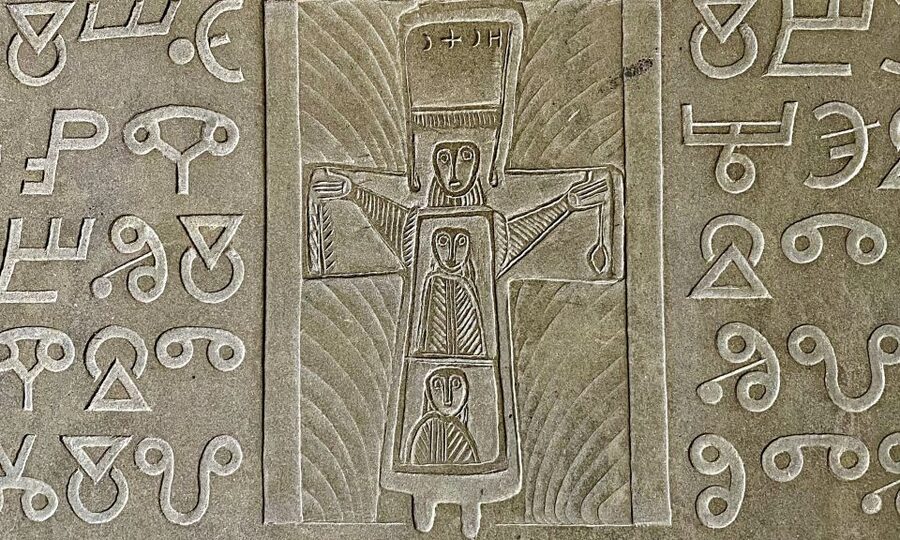
You’ll see some of the earliest Christian frescoes here, including scenes depicting the lives and martyrdoms of early Christians. The story is not presented as myth at a distance. Your guide frames it as part of a real historical moment, when Christians faced persecution and had to protect their communities and beliefs.
This section is exactly why a guided tour matters. Without a guide, frescoes can look like religious art you admire and move on from. With a guide, you understand the narrative purpose, the symbolism, and why these images were worth preserving underneath the later church.
The Golden Apse Mosaic, Symbolism You Can Actually Spot
Back on the surface level, the golden mosaic becomes more meaningful. After you’ve seen underground worship spaces and early Christian images, that apse mosaic stops being a background detail.
The tour points you to hidden symbolism and spiritual significance. That doesn’t mean every single detail is instantly obvious on your first look. It means your guide gives you a framework for what to pay attention to, so you leave with more than a memory of gold.
I also appreciate that the tour uses the mosaic as a bridge. It connects the “visible church” you can photograph from a normal viewing angle with the “invisible church” you experience underground. Even though photography is not allowed inside, the guide’s explanation helps your brain store what matters anyway.
Another shape for the same afternoon in Rome:
Santo Stefano Rotondo Add-On: Circular Shape and Martyrdom Frescoes
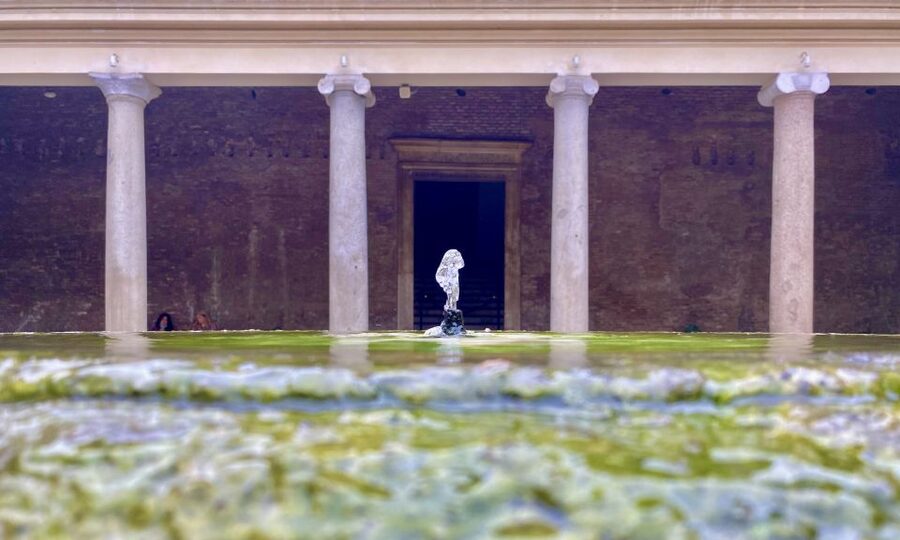
If you choose the extended option, you’ll add 45 minutes at Santo Stefano Rotondo. This is not just a bonus stop. It’s a matching chapter, because the frescoes here also focus on martyrdom.
Santo Stefano Rotondo is known for its circular architecture. Walking into that kind of space changes how you take in the art. It feels more enclosed and more ceremonial, which fits the subject matter of the paintings.
One important consideration: the frescoes here depict graphic scenes of martyrdom. If you’re traveling with kids, this is likely not the right choice. Even for adults, it’s good to know the content is intense.
Also keep in mind logistics that affect your day. The extended option can occasionally be unavailable due to special events or liturgical celebrations, and your itinerary may run in either order depending on scheduling.
Timing, Group Style, and How to Make the Most of 1 to 2 Hours
This experience is built for short attention spans and busy schedules. The core guided portion is about 1 hour, and the optional Santo Stefano Rotondo visit adds another 45 minutes. It’s a practical length, because the underground portion is physically demanding in the way older staircases and enclosed corridors can be.
You also get headsets, which is a big deal in underground spaces where voices carry oddly. It helps you stay present instead of trying to lip-read from two people back.
Group style seems to vary. You might end up in a larger group, or you might be in a small one. Either way, the site moves at a careful pace. This isn’t a race-through attraction. The guide’s interpretation is the real product, and you’ll want time to follow the story.
The Guide Makes the Difference, and You Can Track the Best Ones
The most repeated praise in this kind of tour is usually the guide. Here, that pattern is strong. Many guides attached to this experience bring a mix of energy and clarity, and a sense of humor that keeps heavy content from turning grim.
You might see names like Francesca, Lorenzo, Tom, Anestis, Tara, Sam, Daniel, Mario, and Paul. In particular, Paul is described as an archeologist and professor connected to the site’s discovery work, which signals a very academic approach. Others get praised for excellent English and for answering questions, not just reciting facts.
If you care about being able to ask what things mean, this is one of the better-style tours to pick. Your guide is present for the whole narrative arc, from mosaic symbolism to what Mithraic spaces were for, to why early Christian art used martyr stories as visible reminders of belief.
Tickets, What’s Included, and What You’ll Need to Plan
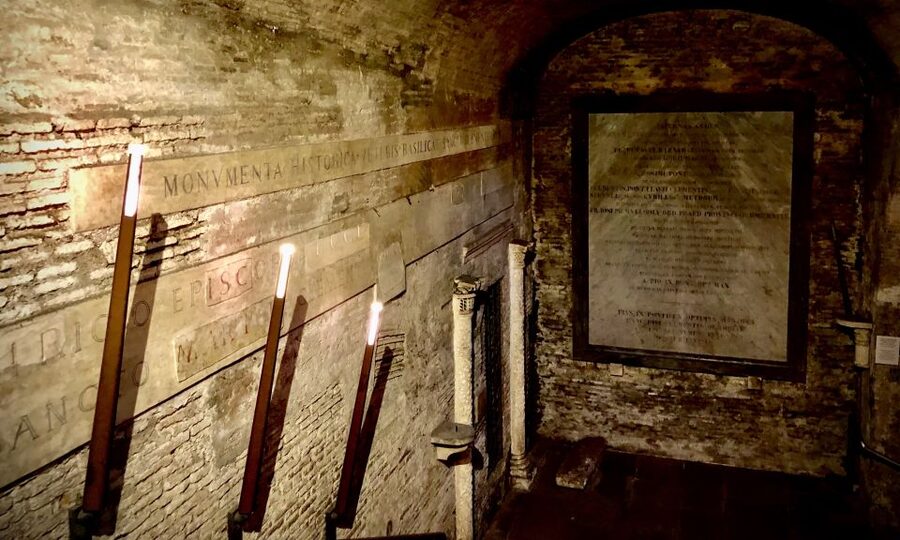
The price is $70 per person, and it’s a strong value when you look at what’s bundled. You get an expert live guide, entrance fees to San Clemente, and headsets. If you select the Santo Stefano Rotondo extension, that guided visit is included too.
Not included is straightforward: food and drinks, and there is no pickup or drop-off listed.
What you should plan around is what you’re allowed to do on site. No pets, no weapons or sharp objects, and you should avoid shorts, short skirts, and sleeveless shirts. Also, video recording is not allowed, and photography is not allowed inside.
Bring comfortable shoes. That’s not a generic suggestion. It matters because you’ll be moving on old surfaces and negotiating stairs and compact passageways.
Who This Tour Is For (and Who Should Skip It)
This tour is ideal if you like Roman history that you can touch. You’ll get pagan worship architecture, early Christianity under persecution, and art that was meant to communicate meaning, not just decorate a wall.
It also suits people who prefer guided interpretation over reading everything alone. Even if you enjoy self-guided museums, this one works best with a guide explaining the layers and symbolism while you’re physically inside the spaces.
Skip it or think twice if you:
- Need wheelchair access. This tour is not accessible to wheelchair users.
- Have claustrophobia. The underground layout may be difficult.
- Want a kid-friendly experience. Santo Stefano Rotondo frescoes show graphic martyrdom scenes, and that extension is likely not appropriate for children.
If you fall into the right bucket, you’ll walk away with a clear sense of how Rome’s religious and artistic identity changed over time, right where those changes were built.
Should You Book This Underground St. Clement Experience?
I think you should book it if you want a focused, high-impact Roman history stop that packs multiple eras into one visit. The Mithraic temple, the underground river, and the 4th-century frescoes give you variety without bouncing between far-apart locations. The guide quality is a major selling point, and the headsets help you actually follow the story.
I would not book it if underground spaces make you uncomfortable, or if you need wheelchair accessibility. And if you’re debating the Santo Stefano Rotondo add-on, decide based on the comfort level of your group with graphic martyrdom art.
FAQ
How long is the tour?
The guided tour of San Clemente is about 1 hour. If you add Santo Stefano Rotondo, the total visit becomes about 1 to 2 hours depending on the option selected.
What is the starting price?
The price is $70 per person.
What does the tour include for San Clemente?
You get an expert live guide, entrance fees to the Basilica of San Clemente, and headsets to hear the guide clearly.
Is Santo Stefano Rotondo included?
Santo Stefano Rotondo is included only if you select the extension option. The guided visit is about 45 minutes.
What languages are offered for the guide?
Live tour guides are available in Spanish, French, German, English, Italian, and Portuguese.
Are headsets provided?
Yes. Headsets are included to help you hear the guide clearly.
Is the tour wheelchair accessible?
No. The tour is not accessible to wheelchair users due to the architectural structures inside and under the basilica.
Is it suitable for claustrophobia?
It may not be suitable for individuals with claustrophobia because of the underground spaces within the Basilica of San Clemente.
Are photos or videos allowed?
No. Video recording is not allowed, and photography inside is not allowed.
What should I bring and wear?
Wear comfortable shoes. Avoid shorts, short skirts, and sleeveless shirts. Pets are not allowed.
Latest additions from Rome
- Guided Tour Vatican Museums & Sistine Chapel★ 4.1 · 30 reviews
- Exclusive Rome by Night Vespa Tour★ 5.0 · 30 reviews
- Transfer Rome to Airports★ 4.5 · 30 reviews
- Vatican: St.Peter’s Basilica & Dome – Reserved Entry & Tour★ 4.1 · 30 reviews
- Rome street art tour: off the beaten path with a local guide★ 5.0 · 30 reviews
- Tivoli, Hadrians Villa and Villa d’Este, a charming day trip from Rome★ 4.5 · 30 reviews
- Rome Food Tasting with Wine Pairing Italian Authentic Flavors★ 5.0 · 31 reviews
- Inspirational Cooking on the Roman Chef’s Panoramic Terrace★ 5.0 · 30 reviews
Tours, compared.
Vatican Museums, Sistine Chapel & St. Peter’s Basilica Tour
Read our review →
Vatican Museums, Sistine Chapel & St Peter’s Basilica Guided Tour
Read our review →
Colosseum, Palatine Hill and Roman Forum Guided Tour
Read our review →
Guided Tour of Colosseum, Roman Forum & Palatine Hill
Read our review →
Colosseum, Roman Forum and Palatine Hill Guided Tour
Read our review →
Colosseum Arena Floor, Palatine & Forum Guided Tour
Read our review →
Vatican Museums, Sistine Chapel and Basilica Tour
Read our review →