
Reviewed · WALKING TOURS IN ROME
Rome: The Women Who Shaped Rome – Small Group Walking Tour
Rome changes when women hold the mic. This small-group walking tour gives you a sharply different way to read central Rome, I love how the guide links queens, artists, courtesans, and Vatican powerbrokers into one storyline, and I also like the practical payoff of major sights like the Mausoleum of Augustus, Piazza Navona, and Piazza Farnese. One thing to consider, it is story-heavy and each outdoor stop is brief, so if you want long museum-style time, plan a second activity later.
You meet in Piazza del Popolo in front of Santa Maria del Popolo, next to Porta del Popolo, and you walk at a calm pace with a short cafe break along the way. Reviews mention guides like Arielle and Ivana bringing humor and making the stops feel alive, which matters because this kind of tour lives or dies by storytelling.
In This Review
- Key things to know before you go
- Entering Piazza del Popolo, where the tour starts and the tone clicks
- The women-thread: queens, artists, courtesans, and powerbrokers
- Mausoleo di Augusto: a brief stop that teaches how empire really worked
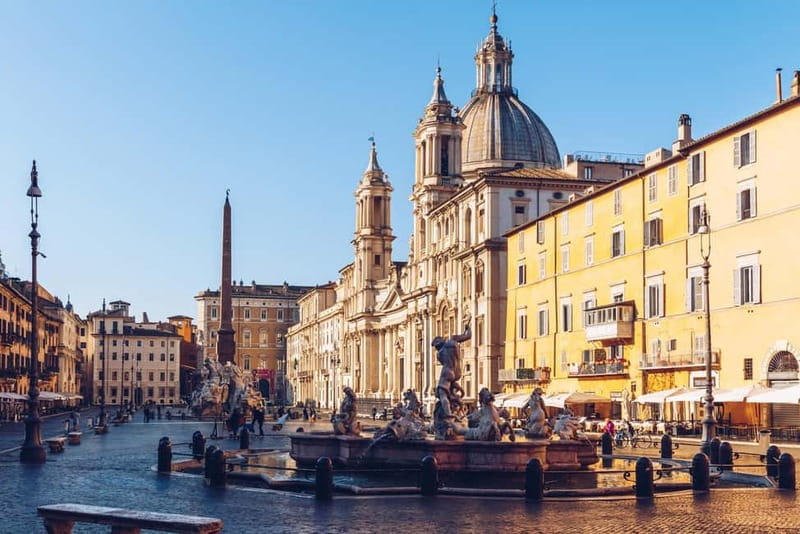
- Piazza Navona: where art, politics, and public life meet
- The final act at Piazza Farnese: from scandal to legacy
- Pace, comfort, and what to bring for a smooth 2.5-hour walk
- Small group size and the value of a women-focused lens
- Who this tour suits best, and who might want another plan
- Quick FAQ
- FAQ
- How long is the Rome: The Women Who Shaped Rome tour?
- Where do I meet for the tour?
- What are some of the main sights on the route?
- How big is the group?
- Is the tour wheelchair accessible?
- Is food included?
- What language is the guide?
- What should I bring?
- Does it run in bad weather?
- Should you book the Women Who Shaped Rome walking tour?
Key things to know before you go
- Max 15 people means you can actually hear the guide and stay close enough to follow details.
- 2.5 hours is a sweet spot for first-time Rome orientation without eating your whole day.
- Mausoleo di Augusto plus big squares give you both context and classic photo locations.
- Women’s power, not just trivia: the stories span empire, Renaissance courts, and Vatican politics.
- Rain or shine: it is an outdoor walk, so dress for weather and bring water.
Entering Piazza del Popolo, where the tour starts and the tone clicks
This tour launches in Piazza del Popolo, right in the thick of Rome’s visual drama. You’ll find the guide waiting in front of Basilica Parrocchiale Santa Maria del Popolo, next to the gate (Porta del Popolo), holding a sign that says Women of Rome Tour.
What I like about this start is that it helps you get your bearings fast. Before you start hearing about court intrigue and imperial strategy, you get a quick orientation in one of the city’s most recognizable spaces. It is also a smart setup for families or multi-generational groups, because the opening moments keep everyone together and focused.
One practical heads-up: arrive about 10 minutes early. Late arrivals can miss the moment the group leaves, and the tour cannot guarantee waiting.
More Small-Group Tours in Rome
- Skip-the-Line Vatican, Sistine Chapel & St. Peter’s | Small Group
★ 5.0 · 7,060 reviews - Rome: Colosseum Underground Small Group Guided Tour
★ 4.7 · 4,844 reviews - Rome: Skip the Line Vatican, Sistine Chapel, St Peter Small Group
★ 5.0 · 3,847 reviews - Rome on a Golf Cart Semi-Private Tour Max 6 with Private Option
★ 5.0 · 2,502 reviews
The women-thread: queens, artists, courtesans, and powerbrokers
The main idea is simple and clever: instead of presenting women as footnotes, the guide treats them like active players in Rome’s story. The tour’s strongest moments come from how the guide builds a thread between very different eras, and shows the same underlying theme, power has many doors.
Here are the headline characters you’ll hear about, woven through the walk:
Queen Christina of Sweden (1655)
Christina rode into Rome in 1655 and shocked the world by rejecting traditional roles. You also learn how she became a patron of the arts and intellectuals, effectively shifting Rome into a cultural magnet. The story lands with her burial in St. Peter’s Basilica, one of the rare honors given to a woman in that setting.
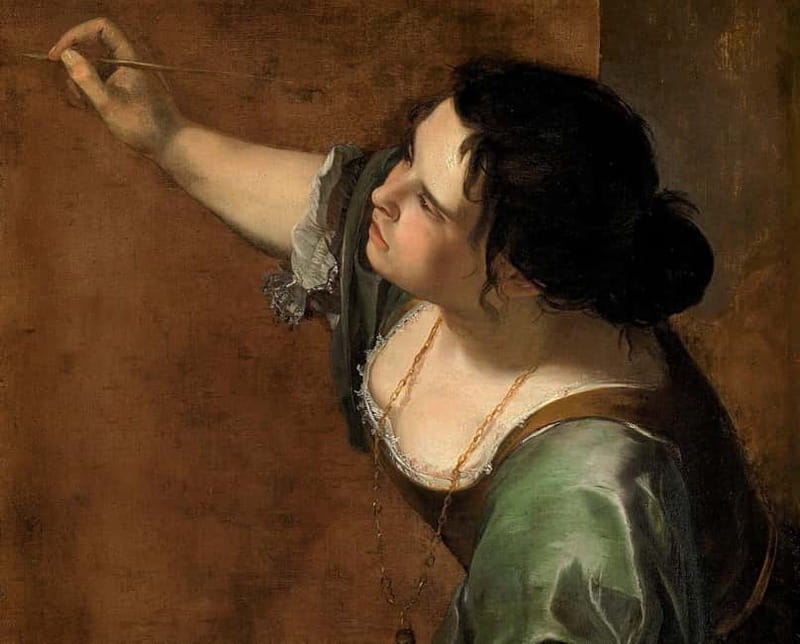
Artemisia Gentileschi, a baroque master with a backstory
You stop at the birthplace of Artemisia Gentileschi, and that detail matters. Artemisia was the first woman admitted to Rome’s Accademia di San Luca, and the tour connects that milestone to why her art hit harder than many critics expected. You also hear how she survived a public rape trial and used her painting to reclaim her narrative, with a focus on powerful female heroines.
Livia Drusilla and Agrippina the Younger, ruling from the inside
These two are the empire power duo. Livia, Augustus’s wife, is presented as a master of influence from the shadows. Agrippina, mother of Emperor Nero, is described as the closest any woman came to ruling Rome outright. You’ll get the core takeaway, power often works through proximity, advice, and access.
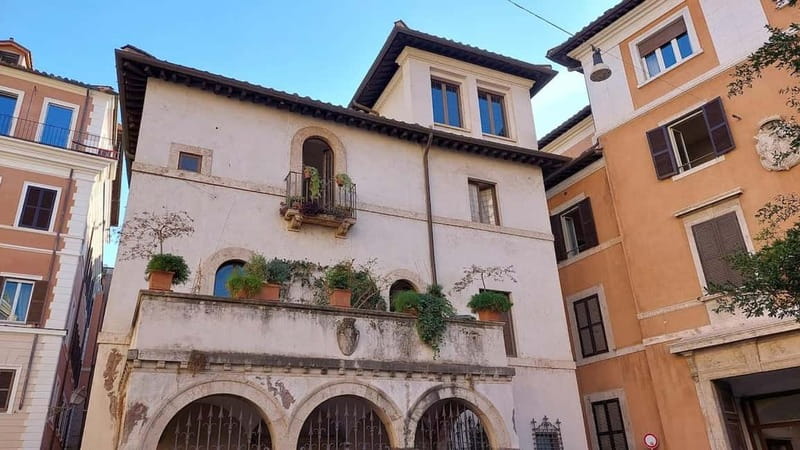
Casa di Fiammetta and the influence of courtesans
Casa di Fiammetta enters the conversation for a reason: it reframes courtesans as educated, connected powerbrokers rather than one-note stereotypes. The tour’s version of Fiammetta is clear, she is not portrayed just as a mistress, but as independent and influential in a society where marriage was often the default path for women.
Donna Olimpia Maidalchini, the Vatican’s effective power
Then comes one of the biggest “wait, really?” stories of the walk. Donna Olimpia Maidalchini is discussed as the trusted advisor to Pope Innocent X, with enemies branding her La Papessa. You’ll hear about her control over church finances and policies, and how she outplayed men in the Vatican power system.
Lucrezia Borgia, scandal versus survival
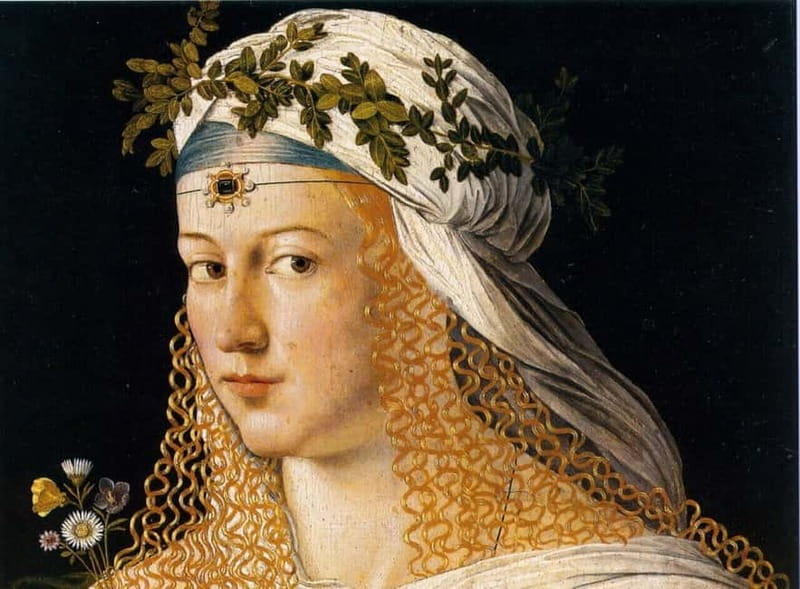
The tour challenges the lazy version of Lucrezia Borgia as only poison and drama. It brings up her role as Duchess of Ferrara and reframes her as a survivor, diplomat, and ruler in her own right, including her work as a patron of the arts.
Giulia Farnese, turning influence into family power
Finally, you end with Giulia Farnese, tied to Pope Alexander VI. This is a story about using influence to secure wealth, titles, and power for her family, helping pave the way for her brother to become Pope Paul III, and reinforcing the Farnese dynasty as a long-term force.
Even if you know some of these names, you’ll likely appreciate the tour’s angle. It gives you a new lens for the same old streets and monuments.
Mausoleo di Augusto: a brief stop that teaches how empire really worked
One of the standout locations on the route is the Mausoleo di Augusto stop, with about 20 minutes for guided storytelling there.
Why this matters for this specific tour is that Augustan Rome is the backdrop for Livia and Agrippina. You’re not just hearing about women in the abstract. You’re hearing about women whose strategies played alongside structures built to project stability, legitimacy, and control.
A shorter guided session can actually be an advantage here. At this stage of the walk, you want enough time to absorb the narrative link, then move on while your context is still fresh. If you want to take long photos or do independent reading on inscriptions, keep your expectations realistic. This is not a slow archaeology seminar. It is a story-guided walk with meaningful moments.
Piazza Navona: where art, politics, and public life meet
After a quick cafe break, the route heads toward Piazza Navona, one of the city’s great public stages. The guide turns the square into more than architecture by linking the conversation to how women navigated visibility, patronage, and influence.
What you can watch for while you’re here:
- How the guide talks about cultural power, not only political titles.
- How the stories connect to Rome’s love of pageantry and public display.
- The way the walking pace stays steady, so the group keeps its rhythm.
A common reason this stop works well is that it is easy for newcomers to orient themselves. You can look around, notice the scale, and then listen. When you combine a recognizable square with pointed storytelling, the tour feels instantly more memorable.
The final act at Piazza Farnese: from scandal to legacy
The walk ends in Piazza Farnese, which is a strong finish. It is a plaza that feels made for thinking about the long game, money, art, titles, and reputation all compounding over time.
This ending matters because many of the women in the stories are framed as people who redirected outcomes. Giulia Farnese is a direct example, turning influence into durable family power. Donna Olimpia Maidalchini is another, showing how advisors could shape decisions behind the scenes.
Also, finishing at a major square gives you an easy reset. You can pause for a drink, grab gelato, or connect to the rest of your day without needing to find your way back to the starting point.
More Walking Tours in Rome
Pace, comfort, and what to bring for a smooth 2.5-hour walk
This is a moderate walking tour. You should wear comfortable shoes and plan on mostly outdoor time. The tour runs rain or shine, so bring sunscreen if the forecast looks sunny and dress in layers if it is cooler.
You’ll also get a local café break, timed for a quick reset rather than a long meal. That is a good approach, because it keeps the tour’s energy from draining out while still giving your feet a breather.
Bring:
- Comfortable shoes
- Camera
- Sunscreen
- Water
One small consideration: because each stop is guided for a relatively short window, you might not catch everything if you wander off to take photos too early. Stay close to the guide, especially in the squares.
Small group size and the value of a women-focused lens
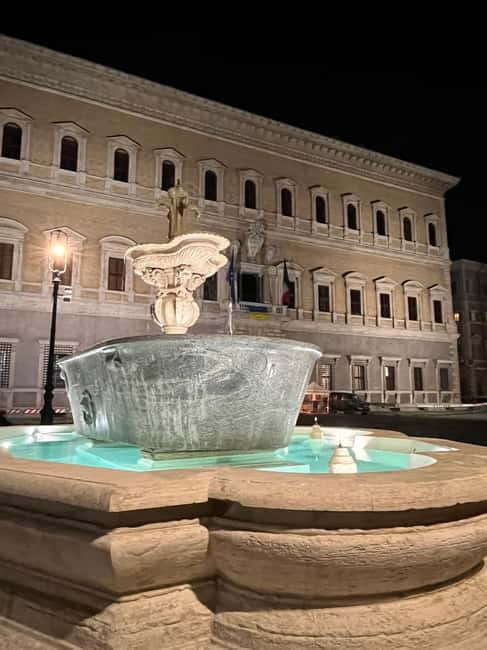
At $29 per person, the value is less about doing a low-cost shopping walk and more about getting a human guide plus prime central Rome stops in about 2.5 hours.
Here’s how I’d judge the price if you’re deciding between options:
- You get expert storytelling, not just an audio route.
- You cover multiple iconic places, including Mausoleo di Augusto, Piazza Navona, and Piazza Farnese.
- You stay in a group capped at 15, which usually improves how much you actually hear.
The reviews point to a big reason this feels worth it, the guides like Arielle and Ivana are described as engaging, with humor and the kind of tone that makes hard stories easier to follow. That is not a minor detail. In a tour like this, the guide’s pacing and delivery shape whether it feels flat or vivid.
Who this tour suits best, and who might want another plan
This is a great fit if you like:
- Story-driven walking tours with a clear theme
- Seeing major sights without turning the day into a museum sprint
- Learning how power works through relationships, patronage, and influence
It might not be the best match if you want:
- Deep time inside multiple buildings
- A long, unhurried focus on art history details
- A tour that feels purely chronological without bouncing between eras
If you’re traveling with parents, teenagers, or a mixed group, this tour’s structure helps. It moves through familiar central Rome landmarks while keeping the content tightly focused on women’s roles.
Quick FAQ
FAQ
How long is the Rome: The Women Who Shaped Rome tour?
It lasts 2.5 hours.
Where do I meet for the tour?
You meet in Piazza del Popolo, in front of the church of Santa Maria del Popolo next to the gate (Porta del Popolo), and the guide holds a sign that says Women of Rome Tour.
What are some of the main sights on the route?
You’ll see the Mausoleum of Augustus, Piazza Navona, and Piazza Farnese, plus you spend time around Piazza del Popolo.
How big is the group?
The group is small, with a maximum of 15 people.
Is the tour wheelchair accessible?
Yes, it is wheelchair accessible.
Is food included?
No. Food and drink are not included, but a rest stop can be made at a local café.
What language is the guide?
The tour is guided in English.
What should I bring?
Bring comfortable shoes, a camera, sunscreen, and water.
Does it run in bad weather?
Yes, it runs rain or shine.
Should you book the Women Who Shaped Rome walking tour?
If you want a smart, compact Rome walk that uses women’s lives to make the city click, I’d book it. The combination of small-group size, major central sights, and a guide-led storytelling approach makes it a strong value for a half-day slot.
Book it especially if you’re the kind of traveler who likes asking, who had power here, and how did it actually work. You’ll leave with a different mental map of Rome, not just a set of photos.
Just remember the tradeoff. This is 2.5 hours with brief stops, so go in expecting stories and viewpoints, then choose your longer deep-dive activity afterward if you want more.
Latest additions from Rome
- Rome: Testaccio Market Food Tour with Street Food & Wine★ 5.0 · 8 reviews
- Exclusive Pasta & Tiramisu Class with Wine near by Colosseum★ 5.0 · 8 reviews
- Private Professional Photoshoot in Rome★ 5.0 · 8 reviews
- Loreto “Shrine of the Holy House of the Virgin Mary” Private Tour from Rome★ 5.0 · 8 reviews
- Rome Day to discover Florence and Pisa Hotel Pickup★ 4.5 · 8 reviews
- Rome: Christmas Nativities and Angels Tour★ 3.1 · 8 reviews
- Guided Tour of Vatican Museums and Sistine Chapel★ 5.0 · 8 reviews
- Skip the Line Entry Ticket Vatican Museum and Sistine Chapel★ 4.5 · 8 reviews
Walking Tours in Rome, compared.

Guided Food Walking Tour with Wine in Trastevere
Read our review →
Trastevere & Campo de Fiori Street Food Walking Tour
Read our review →
Paranormal Night Walking Tour & Secret Backstreets
Read our review →
Trastevere Street Food Walking Tour with Local Expert
Read our review →
Guided City Center Evening Sightseeing Walking Tour
Read our review →
Small-Group City Highlights Moonlight Walking Tour
Read our review →
Best of Rome Walking Tour including Trevi Fountain
Read our review →Browse the lists this tour appears in