
Reviewed · FOOD TOURS IN ROME
Rome: Street Food, Local Market and Hidden Gems Tour
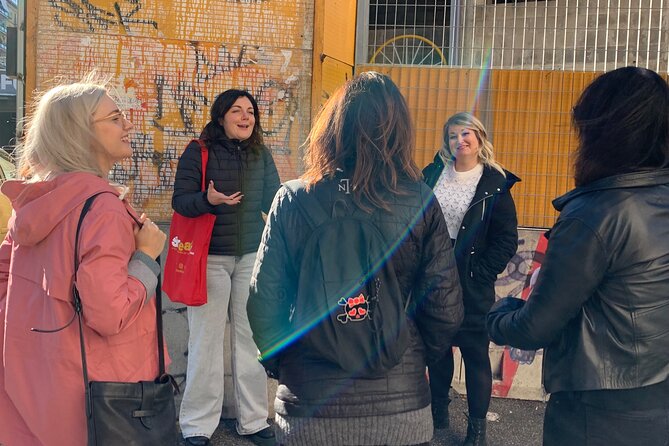
Rome tastes better when you walk Testaccio. This small-group street food and market tour is built around real local spots in Testaccio, with lots of time for questions and bites rather than a rushed photo run. I love getting oriented fast with guide Giulia, and I like how the route mixes food culture with the neighborhood’s layered story.
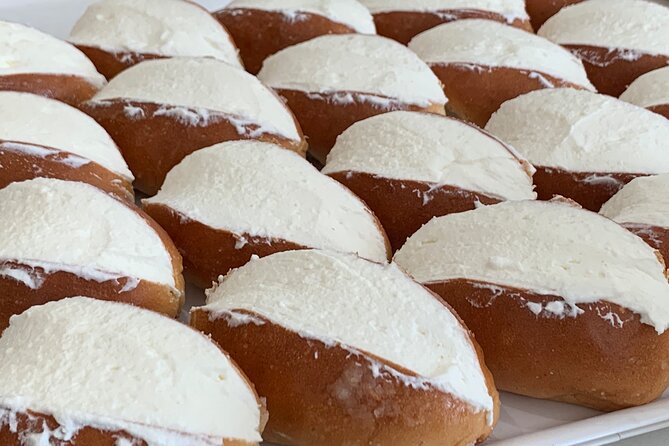
The food flow is smart and practical. You start with a Roman breakfast with maritozzo, then work your way through market street bites like supplì, cheese, and old-school dishes, and you finish with a sit-down pasta lunch at a century-old trattoria plus seasonal dessert and three wines. One consideration: the tastings add up, so if you prefer very light eating or you want to skip wine, plan to pace yourself.
In This Review
- Key things you will like about this tour
- Why Testaccio makes sense for a food tour
- Piazza Flavio Biondo to Stazione Trastevere: start easy, meet your group
- Ponte Testaccio and Roman urban development: food stories start with the city
- Mattatoio: when a former slaughterhouse becomes a cultural anchor
- Testaccio district walk: ancient and modern in the same neighborhood
- Mercato di Testaccio: the market walk and the street food payoff
- Monte Testaccio: short visit, strong payoff
- Rome War Cemetery: a brief WWII stop that changes the mood
- The meal plan: breakfast, lunch, dessert, and three wines
- Group size and guide attention: why it feels personal
- Price and value: is $119.48 fair for this much food?
- Logistics that actually help you plan your day
- Who should book this tour
- Should you book the Rome Street Food, Local Market and Hidden Gems Tour?
- FAQ
- How long is the Rome Street Food, Local Market and Hidden Gems Tour?
- How much does the tour cost?
- Where do I meet the guide, and what time does the tour start?
- What language is the tour offered in?
- Is there a small group limit?
- What food and drinks are included?
- Is the tour suitable for vegetarians and pescatarians?
- What happens if the weather is bad or I need to cancel?
Key things you will like about this tour
- Small group focus with a maximum of 10 people, so you get real attention from the guide
- Testaccio market food benches where you sample classic Roman street food and wine
- A full meal rhythm, not just snacks, with breakfast, tastings, pasta lunch, and dessert
- History walking without museum time, from Testaccio to Monte Testaccio
- A respectful WWII stop at the Rome War Cemetery, kept short and meaningful
Why Testaccio makes sense for a food tour
If you only hit the big-name tourist areas for food, you miss how Romans actually eat day to day. Testaccio is one of the places where food culture is tied to neighborhood life, and that is exactly what this tour is designed for.
I like that the day is not only about tasting. You also learn the why, the how, and the context behind what you’re eating. You’re walking through the district while your guide connects Roman urban development, local traditions, and what changed over time. That makes each bite feel more intentional, not random.
More Food Tours in Rome
- Winner 2025 Rome Twilight Trastevere Food Tour by Eating Europe
★ 5.0 · 5,157 reviews - Rome: Street Food Tour with Local Guide
★ 4.8 · 4,077 reviews - Rome Food Tour: Unlimited Tastings with Fine Wine & Barolo
★ 5.0 · 3,365 reviews - Rome Food Tour: Campo de’ Fiori, Ghetto, Trastevere Winner 2024
★ 5.0 · 3,205 reviews
Piazza Flavio Biondo to Stazione Trastevere: start easy, meet your group
You meet at Piazza Flavio Biondo 7 at 10:30 am. The vibe here is simple: you show up, meet your local guide, and get to know the other people on the tour. Because the group is limited, you are not fighting for space or explanations.
This first stop matters. It sets the pace for the rest of the morning, and it helps you understand how your guide will handle the day, including what you can expect to taste and how much walking is coming. You also get a quick foundation for where you are headed next, so later stops land better.
Practical tip: wear comfortable shoes. This is a walking tour with several stops clustered in Rome, but you will still want good footing.
Ponte Testaccio and Roman urban development: food stories start with the city
Crossing Ponte Testaccio is one of those short transitions that turns into a useful lesson. You’re not stuck in one spot for long, yet your guide uses the walk to talk about Roman urban development and how the city’s layout and growth influenced neighborhood life.
Why this matters for a food tour: food traditions rarely exist in a vacuum. Markets form in certain places. Streets and bridges affect how people move. Even if you are mainly there to eat, understanding the city’s shape makes the neighborhood feel less like a set of stops and more like a real place.
Drawback to consider: this is a walking-and-learning segment, so if you want nonstop tasting right away, you might have to wait a bit. The payoff comes shortly after.
Mattatoio: when a former slaughterhouse becomes a cultural anchor
Next you move to Mattatoio, a spot that used to be central to Rome’s slaughterhouse history and now functions as a cultural center for exhibitions and academic studies. The shift is part of what makes the neighborhood so interesting: old industrial spaces can become places for public life.
This stop adds texture to the tour. It keeps the experience from becoming purely food-focused, and it gives you a sense of how Rome reuses space. That, in turn, helps you understand why Testaccio feels like it has layers instead of being stuck in one era.
You should expect a short visit. This is not a long museum day. It is enough time to understand the theme and then move on while the morning still has momentum.
Testaccio district walk: ancient and modern in the same neighborhood
When you reach Testaccio, your guide leads you through the district, connecting history to what you can see today. This is where you start spotting the interplay between old and new, including interesting points with both ancient and more modern presence.
I like this segment because it gives the tour a sense of place. You stop thinking of the route as a checklist of tastings. Instead, you are learning how locals might experience the neighborhood beyond a single meal.
Possible consideration: if you prefer strictly food stops and you do not care much about city history, this part may feel slightly more “tourish.” The good news is it stays moving and is still tied to the food culture you are learning.
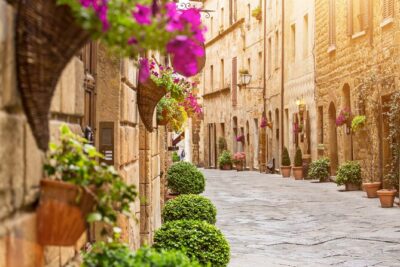
More Roman trattorie, enoteche and counters:
Mercato di Testaccio: the market walk and the street food payoff
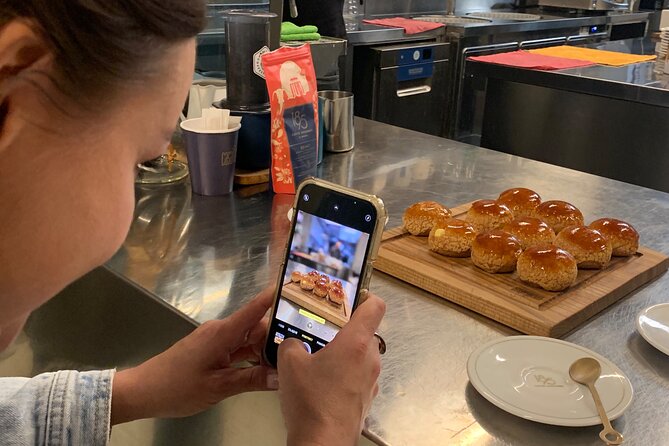
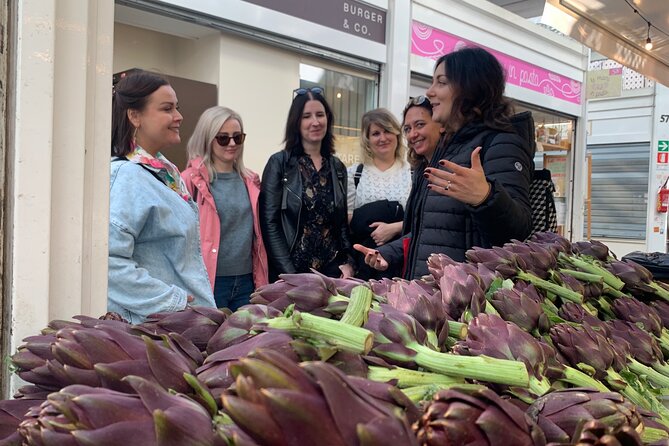
This is the heart of the experience. At Mercato di Testaccio, you walk around the food benches with your guide and discuss local cuisine while you sample several classic street foods and wine.
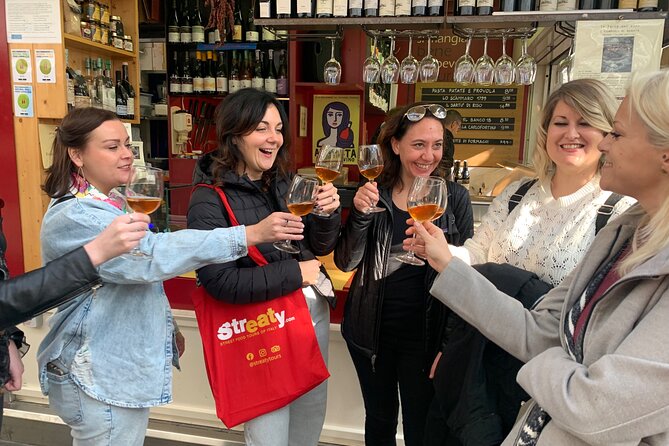
This is where the tour earns its popularity. You get multiple tastings rather than a single token sample, so you can compare flavors and textures. The included tastings you should expect include items like supplì, country cheese, and other old-school Roman dishes. You also get wine as part of the food rhythm, not as an afterthought.
Here is how to make the most of this portion:
- Pace yourself between tastings so you can actually notice differences.
- Ask your guide what to look for next at each stand, since the market is full of temptations.
- If you are vegetarian or pescatarian, tell your guide early so they can steer you toward the best matching options.
From the reviews, the market portion is the part people get most excited about, and once you are standing among the food benches, that makes total sense.
Monte Testaccio: short visit, strong payoff
After the market, you head toward Monte Testaccio, where your guide helps you discover the area’s special character. This is often described as a place with secretive details, and your route here focuses on the quieter “hidden” feeling of the spot rather than a long sightseeing marathon.
This stop works well right after the market. Your appetite is satisfied, but you still need something visual and interesting to keep the day from becoming only eating.
Practical tip: bring water when you can. You have multiple food components, and the walk can add up even if it does not feel huge segment by segment.
Rome War Cemetery: a brief WWII stop that changes the mood
You end up at the Rome War Cemetery for a short moment of reflection. Your guide explains the disembark of the Allies in WWII, and the stop is brief.
I appreciate this because it gives the tour emotional balance. Food tours can sometimes feel like bubbles, but this adds a real-world historical anchor. It is also short enough that it does not derail your overall schedule.
If you are sensitive to war-related content, you can still keep this in perspective. It is not graphic or long. It is a respectful information stop.
The meal plan: breakfast, lunch, dessert, and three wines
One reason this tour feels like good value is that it gives you a full eating plan, not just “samples.” Your day includes:
- Traditional Roman breakfast with maritozzo
- Street food tastings at the market, including items such as supplì and cheese-based bites
- Sit-down pasta lunch at a century-old trattoria
- Seasonal dessert
- 3 wines
This setup matters. If you have ever done half-day food tours that are basically appetizers, you know how you can end up hungry afterward. Here, the lunch is built in, and the dessert finishes the meal loop.
What makes this practical for you:
- You don’t have to plan where to eat in the middle of a busy day.
- You get guided tasting choices, which reduces decision fatigue.
- The wine is included, so you can enjoy local pairing without having to hunt for it.
If you do not drink wine, you can still enjoy the food and the social rhythm, but you should know the tour is designed with wine included.
Group size and guide attention: why it feels personal
With a maximum of 10 travelers, this tour stays conversational. You are not just following a rope line. You can ask questions about food, neighborhoods, and what you are seeing as you go.
The standout from the experience in a very consistent way is the guide quality. Giulia is mentioned for being friendly and informative, and that matters because street food is not always self-explanatory. When you understand what you are tasting, you taste more.
If you want a tour that feels like a small shared outing, not a crowded bus ride on foot, this is built for that.
Price and value: is $119.48 fair for this much food?
At $119.48 per person, this tour is not the cheapest option in Rome. But it is also not an overpriced “label tour,” because what you get is substantial.
You are paying for:
- A local guided walking experience
- Market tastings (multiple items)
- A sit-down pasta lunch at a century-old trattoria
- Seasonal dessert
- Three wines
- A Roman breakfast with maritozzo
In other words, you are buying a guided day where food costs and guide time are bundled. If you tried to replicate this on your own, you would still spend on lunch, wine, dessert, and several snacks, plus you would spend time figuring out where to go and what to order.
For me, the value is strongest if you:
- want guidance to pick classic Roman dishes
- like learning while you eat
- prefer not spending your limited Rome time on menu guessing
Logistics that actually help you plan your day
The tour uses a mobile ticket, and it runs around 3 hours 30 minutes (approx.). It starts at 10:30 am and ends near the Metro station of Piramide, just a few steps away.
Two planning notes:
- It needs good weather, and if it is canceled for poor conditions, you are offered a different date or a full refund.
- If you want to keep the rest of your day flexible, you finish near public transportation, which helps you transition to other plans.
Also, the tour is in English, and it is suitable for vegetarians and pescatarians. That is a big deal on food tours, where options can sometimes be limited.
Who should book this tour
I think this tour is best for you if you want:
- a Rome food experience rooted in a real neighborhood, not only famous landmarks
- a small group day with strong guide interaction
- a plan that includes breakfast, street tastings, and a full lunch, so you are not hungry afterward
It is also a good match if you enjoy food history and want light context that makes the dishes feel connected to place.
If you only want the shortest possible food time, or if you strongly dislike walking, you might find the pacing a bit active. But if you enjoy a morning that stays moving, it fits well.
Should you book the Rome Street Food, Local Market and Hidden Gems Tour?
Yes, if your goal is to eat like a local in Testaccio and understand what you are tasting while you do it. This tour is strong in three ways: the small-group attention, the market tastings, and the full meal structure that includes breakfast, pasta lunch, dessert, and wine.
I would book it if you are the type of traveler who likes your food with context, and you want a guide like Giulia to translate the neighborhood and menu into something you can actually enjoy.
If you’re trying to keep it extremely light on food and you do not care about wine, you may want to think twice about the amount included. Otherwise, it is a smart, value-heavy way to spend half a day in Rome.
FAQ
How long is the Rome Street Food, Local Market and Hidden Gems Tour?
The tour lasts about 3 hours 30 minutes.
How much does the tour cost?
The price is $119.48 per person.
Where do I meet the guide, and what time does the tour start?
You meet at Piazza Flavio Biondo, 7, 00152 Roma RM, Italy, and the start time is 10:30 am.
What language is the tour offered in?
The tour is offered in English.
Is there a small group limit?
Yes, the tour has a maximum of 10 travelers.
What food and drinks are included?
Included items are a traditional Roman breakfast with maritozzo, street food tastings at the market (such as supplì and country cheese, plus other classic dishes), a sit-down pasta lunch at a century-old trattoria, seasonal dessert, and 3 wines.
Is the tour suitable for vegetarians and pescatarians?
Yes, it is suitable for vegetarians and pescatarians.
What happens if the weather is bad or I need to cancel?
The tour requires good weather. If it is canceled due to poor weather, you will be offered a different date or a full refund. You can cancel for a full refund up to 24 hours in advance.
More Markets in Rome
- Rome: Colosseum, Roman Forum & Trajan’s Market Exterior Tour
★ 4.3 · 2,038 reviews - Roman Food Tour with Visit to the Trionfale Food Market
★ 5.0 · 471 reviews - Authentic Roman Cooking Class & Market Experience
★ 5.0 · 363 reviews - Trevi Fountain, Pantheon, and Campo Dei Fiori Market Food and Wine Tour
★ 5.0 · 320 reviews
What Rome Puts on the Plate
- Rome Street Food Tour with Local Guide
★ 5.0 · 2,361 reviews - Rome: Gourmet Food Tour with Dinner & Barolo Wine
★ 4.9 · 2,347 reviews - Rome: Award Winning Trastevere Group Food Tour with Wine
★ 5.0 · 2,273 reviews - Rome: Trastevere Street Food Walking Tour with Local Expert
★ 4.8 · 1,784 reviews
Latest additions from Rome
- Guided Tour Vatican Museums & Sistine Chapel★ 4.1 · 30 reviews
- Exclusive Rome by Night Vespa Tour★ 5.0 · 30 reviews
- Transfer Rome to Airports★ 4.5 · 30 reviews
- Vatican: St.Peter’s Basilica & Dome – Reserved Entry & Tour★ 4.1 · 30 reviews
- Tivoli, Hadrians Villa and Villa d’Este, a charming day trip from Rome★ 4.5 · 30 reviews
- Rome street art tour: off the beaten path with a local guide★ 5.0 · 30 reviews
- Rome Food Tasting with Wine Pairing Italian Authentic Flavors★ 5.0 · 31 reviews
- Inspirational Cooking on the Roman Chef’s Panoramic Terrace★ 5.0 · 30 reviews
Food Tours in Rome, compared.
Winner 2025 Rome Twilight Trastevere Food Tour by Eating Europe
Read our review →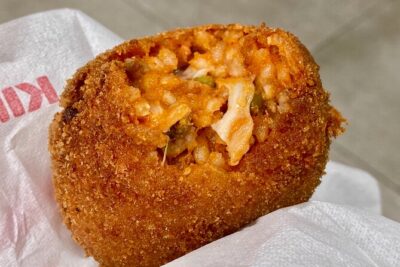
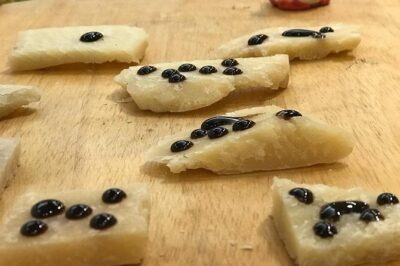
Rome Food Tour: Unlimited Tastings with Fine Wine & Barolo
Read our review →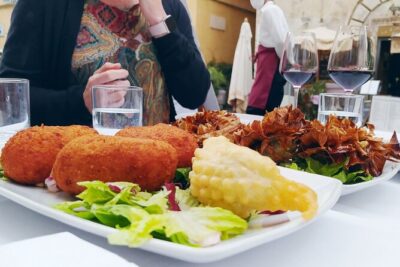
Rome Food Tour: Campo de’ Fiori, Ghetto, Trastevere Winner 2024
Read our review →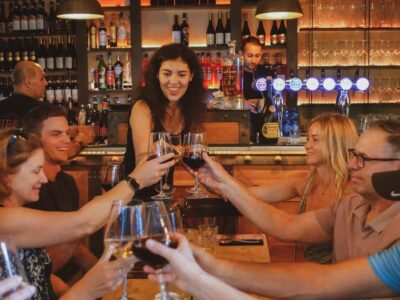
Guided Food Walking Tour with Wine in Trastevere
Read our review →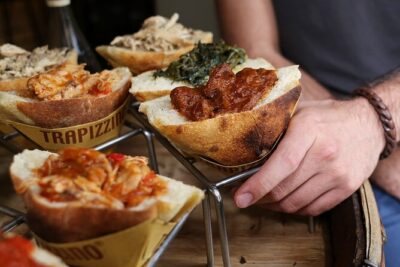
Trastevere Food tour with Free-Flowing Fine Wine
Read our review →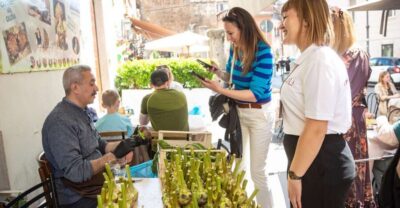
Trastevere & Campo de Fiori Street Food Walking Tour
Read our review →Browse the lists this tour appears in