
Reviewed · WALKING TOURS IN ROME
Rome: Guided Walking Tour in English
Rome hits you fast, in the best way. This 2.5-hour English walking tour turns the biggest sights into a clear story, starting in Old Town and ending with a view of the Colosseum. You get a local guide to explain what you are seeing now, and how those places grew out of what Rome used to be.
I like that the route is built around stops you can actually picture and revisit later, like Piazza Navona and the Pantheon. I also love the practical finish: your guide doesn’t just point at buildings, they share where to eat, including carbonara, amatriciana, cacio e pepe, plus advice for coffee and gelato.
One thing to consider is pace. At 2.5 hours, you cannot linger the way you might like, and this is a pay-as-you-wish style tour, so decide in advance how you feel about tipping.
In This Review
- Key Things I’d Prioritize on This Walk
- Meeting Piazza di Santa Chiara, then Getting Oriented
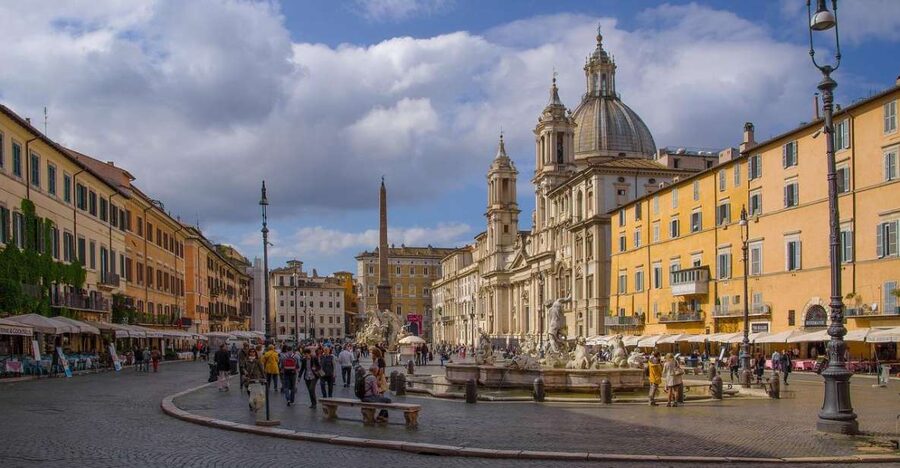
- Piazza Navona: A Square That Keeps Changing Jobs
- Pantheon: Temple Turned Church, with a Name-Drop You’ll Remember
- Trevi Fountain: The Coin Ritual as a Quick Cultural Moment
- Piazza Venezia and the Altar of the Fatherland: Italy’s Unification Story in Stone
- Foro Romano: Remnants That Explain Government, not Just Ruins
- Colosseum Finish: An Ending View That Hits Like a Movie Scene
- The Food Part, Carbonara to Cacio e Pepe
- Price and Value: $31 for a Guided Icon Loop
- Who This Tour Fits Best (and Who Should Skip It)
- Should You Book This Rome Walking Tour?
- FAQ
- How much does the Rome walking tour cost?
- How long is the tour?
- Where does the tour meet?
- When should I arrive at the meeting point?
- Is the tour guided in English?
- What’s included in the tour price?
- Is transportation included?
- Is the tour wheelchair accessible?
- What is the pay arrangement for this tour?
- Can I get a full refund if I cancel?
Key Things I’d Prioritize on This Walk
- English guide for iconic sites, so you spend less time guessing what matters
- Piazza Navona to the Colosseum route, a logical line through Old Town highlights
- Pantheon context you can actually use, including who is buried there
- Trevi Fountain coin ritual time, explained so you know what to do
- Food recommendations built into the experience, not just sightseeing
- Short duration, great for first-time orientation, less ideal for deep lingering
Meeting Piazza di Santa Chiara, then Getting Oriented
A good Rome day starts with a plan, and this one starts at Piazza di Santa Chiara. You should arrive about 10 minutes early so the group can start on time and you do not feel rushed.
This is a walking tour, so comfort matters. Wear shoes you trust for uneven sidewalks, and plan to move through several major landmarks without breaks that turn into long detours. At 2.5 hours, you are getting the best overview version of Rome, not a slow museum crawl.
One more note before you go: this is described as a general pay-as-you-wish tour. What that means in practice is you reserve a spot and your payment covers a reservation fee and the guide’s payment, so you should think about what you want to do for extra rewarding based on your experience and comfort level.
More Walking Tours in Rome
- Rome: Guided Food Walking Tour with Wine in Trastevere
★ 4.9 · 3,105 reviews - Rome: Trastevere & Campo de Fiori Street Food Walking Tour
★ 4.9 · 2,768 reviews - Rome: Paranormal Night Walking Tour & Secret Backstreets
★ 4.9 · 1,921 reviews - Rome: Trastevere Street Food Walking Tour with Local Expert
★ 4.8 · 1,784 reviews
Piazza Navona: A Square That Keeps Changing Jobs
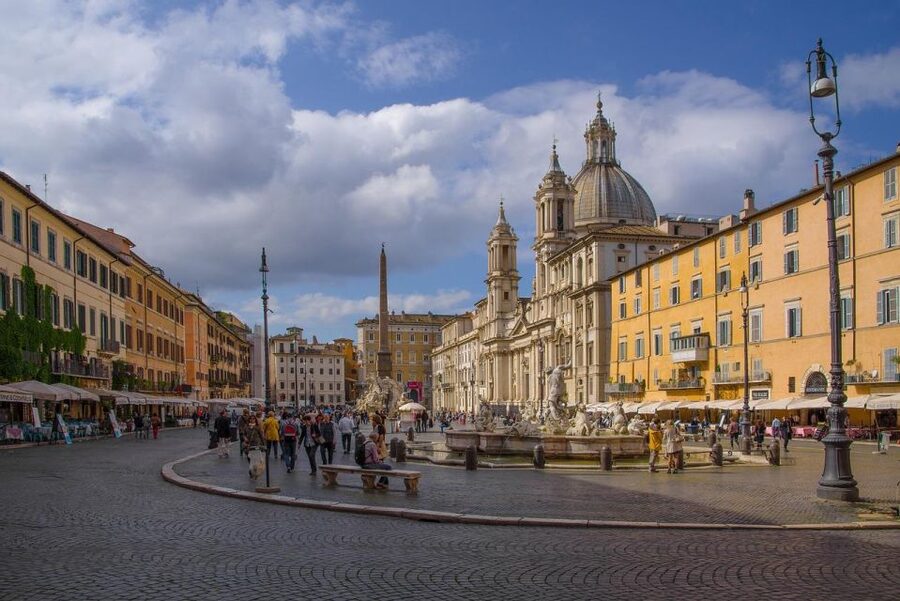
Your first big scene is Piazza Navona, where the guide connects today’s lively square to an earlier Roman purpose. It was once the site of ancient Roman games, so you are not just looking at a pretty public space, you are watching Rome reuse the same geography for centuries.
What I like here is how the tour trains your eye. Once you hear the place described as a former arena, you start noticing how squares like this act as stages for daily life, not just sightseeing. For photos, go for angles that show the open space, then circles back to detail shots once the guide points out what to notice.
The drawback is simple: because this is a key square, it can make you want to linger. With a tight time window, try to treat Piazza Navona as your warmup, not your final stop.
Pantheon: Temple Turned Church, with a Name-Drop You’ll Remember
Next up is the Pantheon, one of Rome’s most recognizable structures, described here as a temple turned into a church. That one-liner matters because it explains why the building feels both ancient and still used, not frozen in time.
The tour also includes a specific point that helps it stick: influential Italian personalities are buried there, including King Vittorio Emanuele II and King Umberto I. When you know that, the space stops being only architectural, and becomes more personal and political at the same time.
A practical way to enjoy the Pantheon stop is to slow down for just a minute or two where the guide tells you to look, then scan outward. You want to balance attention to the structure with awareness that you are in a working religious site. If you come in expecting only a building, you leave understanding why it still matters.
Trevi Fountain: The Coin Ritual as a Quick Cultural Moment
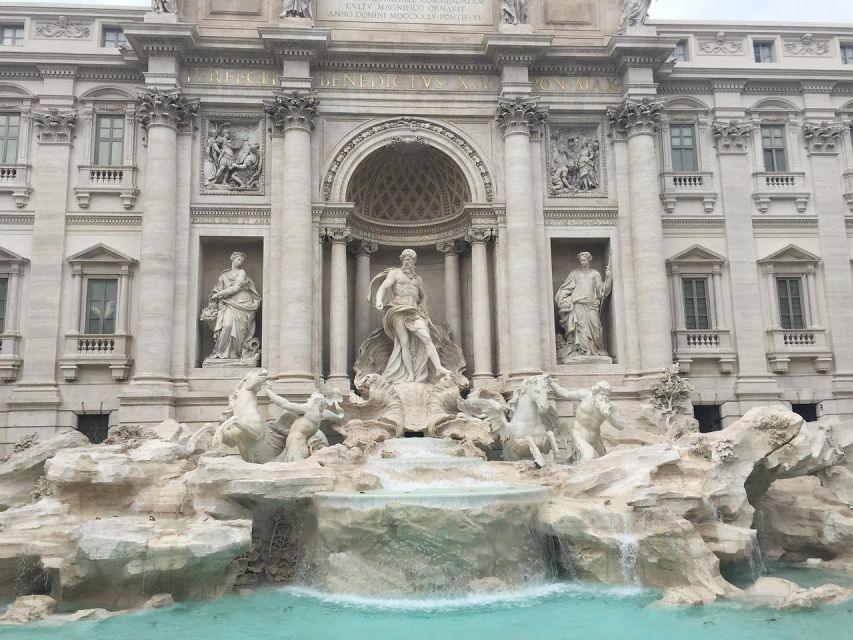
Then you move to the iconic Trevi Fountain, where the guide leads you through the famous ritual of throwing a coin into the water. That part is playful, but the value is in being guided, so you know what the moment is, why people do it, and how to participate without turning it into a chaotic scramble.
For you, this is the easiest stop to “do wrong” if you arrive distracted. I suggest you let the guide frame it first, then take your turn. You can still enjoy the photos, but aim to experience the tradition first, then capture the fountain after.
One consideration: this is a very famous spot, so you will want to keep your expectations realistic. The tour gives you time for the ritual, but it is not a long hangout, so come in ready to enjoy it fast and move on.
Piazza Venezia and the Altar of the Fatherland: Italy’s Unification Story in Stone
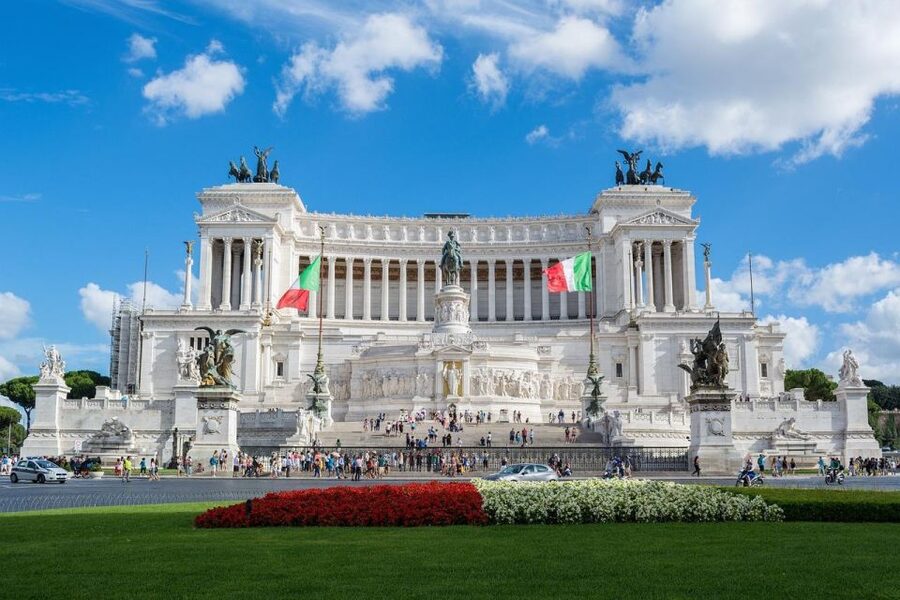
From Trevi, the route continues to Piazza Venezia, anchored by the imposing Altar of the Fatherland. The tour frames it as a magnificent testament to Italy’s unification, which gives you a clear lens while you look.
This is one of those stops that can feel like “just a monument” unless someone explains the why. With the guide’s context, you start noticing how monuments work as national messages, not just grand architecture. Even if you are not a political-history person, the framing helps you understand what you are looking at.
If you like your walks structured, you will appreciate that this stop shifts the story from ancient Rome to Italy as a modern nation. Rome is not one era, and this tour makes that transition without turning it into a lecture.
A few more Rome options worth a look
Foro Romano: Remnants That Explain Government, not Just Ruins
Now the tour heads into the Foro Romano, where you see remnants of temples and government buildings. That is a powerful combination because it tells you this was not only a place for worship, it was also where public life happened and decisions got made.
What I find helpful is how the guide makes ruins readable. Instead of treating the area like a pile of stones, you start recognizing it as the skeleton of everyday power. When you can picture temples and administrative buildings in the same space, the Forum becomes far more meaningful.
With a short tour, you will not cover every corner of the ancient site. Think of this stop as a strong orientation, so later, if you return on your own, you know what to look for and why.
Colosseum Finish: An Ending View That Hits Like a Movie Scene
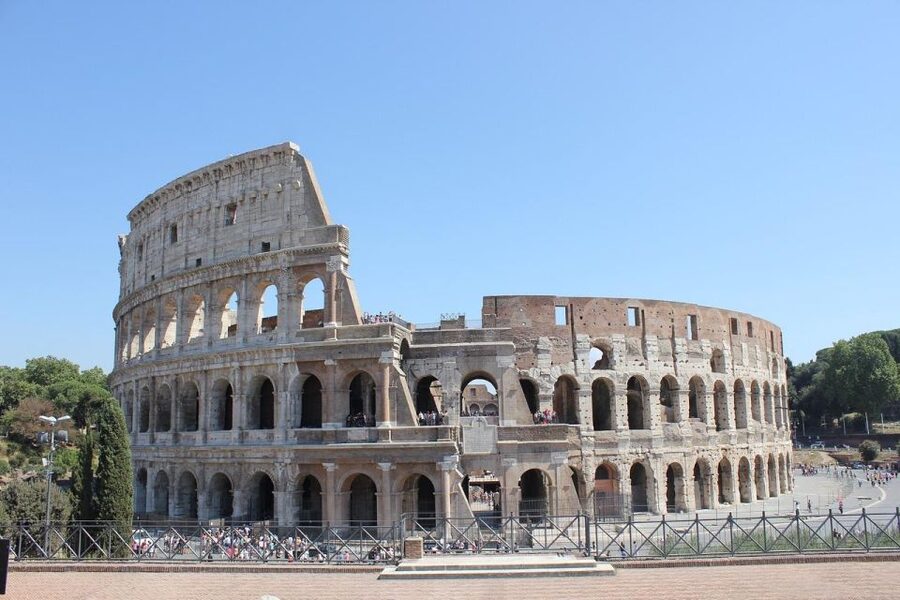
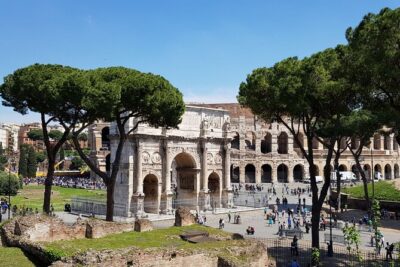
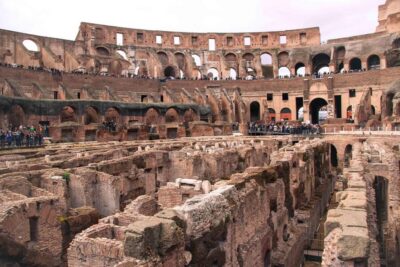
The tour ends with the view of the Colosseum, described here as the largest ancient amphitheatre ever built. You learn how it hosted epic gladiatorial contests and spectacles, and it is presented as a symbol of Roman engineering and power of entertainment.
This finish works because it ties the day into one big image. Earlier stops were about squares, temples, monuments, and governance. Then you end at a place designed for mass spectacle, so the final note feels like the payoff to everything you just learned.
A practical tip for your end point: be ready to look outward as well as at the structure. A “view of the Colosseum” means you might not get the same experience as if you were inside, so let the guide show you the best way to see it from where you are standing.
The Food Part, Carbonara to Cacio e Pepe
Rome can be exhausting if you plan only with buildings in mind. The tour includes something smarter: your guide reveals secret places to eat, including options like carbonara, amatriciana, and cacio e pepe, plus advice on where to get the best Italian coffee and gelato afterwards.
I love this because it solves a real problem. Many first-time visitors know the words on a menu but not which spots actually fit their day. A guide who lives in the area can point you toward places that match what you want, not just places with the longest line.
What to do with this info is simple. If you want a smooth night, start thinking about your dinner taste right after the tour. Ask the guide for a recommendation that fits your timing and your preferences, then plan your route so you are not scrambling afterward.
Price and Value: $31 for a Guided Icon Loop
At $31 per person for 2.5 hours, this tour sits in the “high-impact overview” category. You are paying for an English-speaking guide plus a walking format that links multiple major landmarks without you having to piece the story together.
Transportation is not included, so factor in whatever you normally use to reach the start point. Still, once you are in the Old Town zone, walking between sights is part of the value. This tour is designed to give you momentum and context, which can be worth more than paying for a single-site admission.
The pay-as-you-wish style element can change how you feel about value. Since your payment covers reservation and guide payment, it helps to treat the extra rewarding part as your personal decision, based on how the tour felt for you.
And the ratings support that this approach generally lands well, with a 4.7 average across 20 reviews. The strongest signals from the feedback include high praise for guide knowledge and a very positive experience with the guide named Kim.
Who This Tour Fits Best (and Who Should Skip It)
This tour is ideal if you are in Rome for a first taste and want the major hits in a clean order. If you like learning while walking, you will appreciate the way stops are tied together by story, not by random geography.
It is also a good match if you want practical help after the sights. The food recommendations, including carbonara, amatriciana, cacio e pepe, and suggestions for coffee and gelato, make the tour useful beyond the 2.5 hours.
I would be a little cautious if you hate paying attention to pacing. One piece of feedback points to frustration when a tour felt boring or when not everything described felt included. Another comment even wished the tour were a bit longer. If you tend to need more time at each landmark, choose expectations accordingly.
Should You Book This Rome Walking Tour?
I think you should book it if you want an organized Rome intro with an English guide, a strong route through the biggest icons, and built-in food ideas. It is a compact time investment that helps you make sense of what you see, especially if you want to return later with a better understanding of the city.
Skip it or adjust expectations if you want long, slow stops at every site or if you strongly prefer not to think about rewarding on pay-as-you-wish style tours. In Rome, comfort with pace and small budgeting decisions makes the difference between a tour that feels helpful and one that feels like time pressure.
If you like walking, want context at each stop, and plan to eat well afterward, this one is a solid pick.
FAQ
How much does the Rome walking tour cost?
The price is $31 per person.
How long is the tour?
The tour duration is 2.5 hours.
Where does the tour meet?
Meet your Walkative! guide at Piazza di Santa Chiara.
When should I arrive at the meeting point?
Please arrive about 10 minutes before the activity starts.
Is the tour guided in English?
Yes, the guide is an English-speaking live tour guide.
What’s included in the tour price?
The included items are an English-speaking guide and the walking tour.
Is transportation included?
No, transportation is not included.
Is the tour wheelchair accessible?
Yes, the tour is wheelchair accessible.
What is the pay arrangement for this tour?
This is a general pay as you wish tour. Your amount covers the reservation fee and the guide’s payment.
Can I get a full refund if I cancel?
Yes. You can cancel up to 24 hours in advance for a full refund.
Latest additions from Rome
- Private Professional Photoshoot in Rome★ 5.0 · 8 reviews
- Rome: Testaccio Market Food Tour with Street Food & Wine★ 5.0 · 8 reviews
- Exclusive Pasta & Tiramisu Class with Wine near by Colosseum★ 5.0 · 8 reviews
- Loreto “Shrine of the Holy House of the Virgin Mary” Private Tour from Rome★ 5.0 · 8 reviews
- Rome Day to discover Florence and Pisa Hotel Pickup★ 4.5 · 8 reviews
- Rome: Christmas Nativities and Angels Tour★ 3.1 · 8 reviews
- Guided Tour of Vatican Museums and Sistine Chapel★ 5.0 · 8 reviews
- Rome: Cooking Class of fresh Pasta and Tiramisu Cake★ 5.0 · 8 reviews
Walking Tours in Rome, compared.

Guided Food Walking Tour with Wine in Trastevere
Read our review →
Trastevere & Campo de Fiori Street Food Walking Tour
Read our review →
Paranormal Night Walking Tour & Secret Backstreets
Read our review →
Trastevere Street Food Walking Tour with Local Expert
Read our review →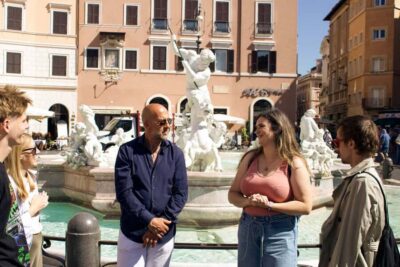
Guided City Center Evening Sightseeing Walking Tour
Read our review →
Small-Group City Highlights Moonlight Walking Tour
Read our review →
Best of Rome Walking Tour including Trevi Fountain
Read our review →Browse the lists this tour appears in