
Reviewed · WALKING TOURS IN ROME
Rome: Eternal City Walking Tour with Local Guide
Rome is best when you slow down. This 2.5-hour walk turns famous landmarks into human stories, with energetic guide storytelling and practical food recommendations that help you eat like a local. The only real drawback is simple: you’re on your feet for a lot of cobblestones.
I like how the route feels planned, not random. You’ll start at Piazza di San Marco, then work through big power symbols and quieter city corners, ending at the Pantheon. If you hate crowds, pick a calmer time of day and expect stop-and-go pacing.
In This Review
- Key Highlights I’d Prioritize
- Why This 2.5-Hour Rome Walk Works So Well
- Piazza di San Marco to Piazza Venezia: Street-Level Rome in Motion
- Altar of the Fatherland: Monument Energy and What It Means
- Trajan’s Column and Market: Empire Stories Written in Stone
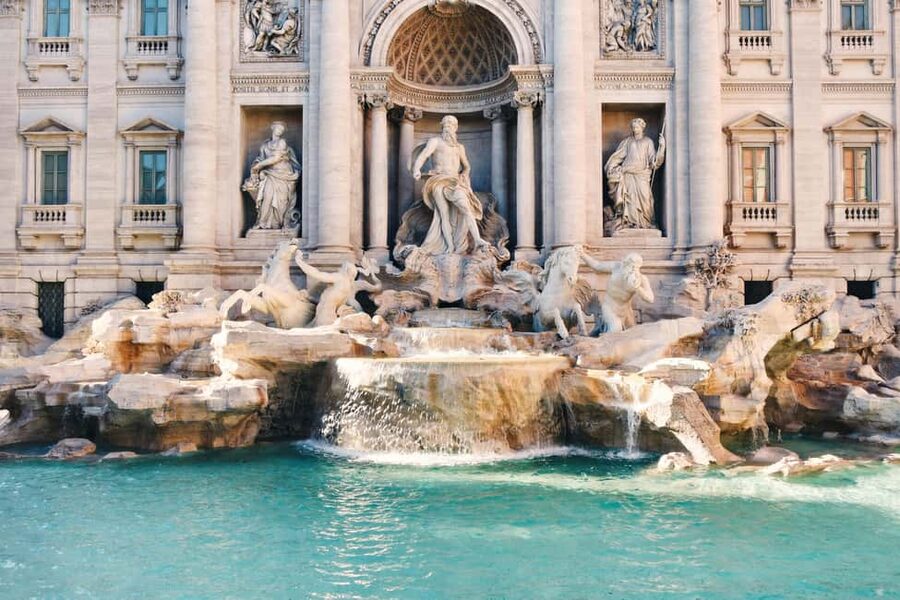
- Galleria Colonna to Trevi Fountain: Coin Tossing Meets City Flow
- Sant’Ignazio di Loyola: A Different Kind of Pause Before the Finale
- Pantheon Finish: What to Notice Before You Wrap Up
- The Pizza and Gelato Tips That Actually Matter
- Value and What You Really Pay For
- Who This Tour Fits Best
- Should You Book This Rome Eternal City Walk?
- FAQ
- Where does the tour start and end?
- How long is the walking tour?
- How much does it cost?
- Is the tour guided in English?
- What are the main stops you’ll see?
- What’s included in the ticket price?
- Are meals or drinks included?
- Do I need to bring anything?
- What if my plans change?
Key Highlights I’d Prioritize
- A guide who keeps the room awake, with energy and attention for the whole group
- Rome’s fountains and Egyptian obelisks explained at street level, not from a brochure
- A route that moves from monuments to everyday life, so you get more than just photos
- Trajan-linked stops that show how Rome kept records and shaped public space
- Real break moments built in, including time at Trevi Fountain and Sant’Ignazio di Loyola
- Pizza and gelato tips included, so your walk turns into a better day overall
Why This 2.5-Hour Rome Walk Works So Well
This tour is short enough to stay fun, not tiring. Two and a half hours is the sweet spot for first-time visitors who want context without feeling trapped in a long lesson. You’re not just looking at buildings, you’re following a story line about how Rome was built layer by layer, family by family.
What I like most is the balance of big themes and street details. You’ll hear about emperors and popes, then connect that to artists, dreamers, and ordinary Romans. That mix helps you understand why Rome looks the way it does today, instead of memorizing dates you won’t remember.
One more smart touch: the tour explicitly tackles street-level questions. You’ll hear answers to things like how many fountains Rome has, why people toss coins into one of them, and what’s going on with those Egyptian obelisks. That turns iconic sights into something you can actually think about while you’re standing there.
More Walking Tours in Rome
- Rome: Guided Food Walking Tour with Wine in Trastevere
★ 4.9 · 3,105 reviews - Rome: Trastevere & Campo de Fiori Street Food Walking Tour
★ 4.9 · 2,768 reviews - Rome: Paranormal Night Walking Tour & Secret Backstreets
★ 4.9 · 1,921 reviews - Rome: Trastevere Street Food Walking Tour with Local Expert
★ 4.8 · 1,784 reviews
Piazza di San Marco to Piazza Venezia: Street-Level Rome in Motion
You begin at Piazza di San Marco and you get an immediate “walk into the city” feel. The first stretch is a short guided lead-in with scenic views along the way, around ten minutes of orientation. It’s the kind of start that helps you get your bearings fast, so the first real landmark does not feel like you’re dropped into the deep end.
Then you reach Piazza Venezia for a focused guided segment and a short walk. This is a good place to learn how Rome’s story repeats itself. You’ll connect the city’s eras through power, art, belief, and conflict. Even if you know only the famous names, the guide’s approach makes the city feel more organized.
If you’re the type who likes to photograph, you’ll get quick rhythm here. Expect a short guided time and a movement gap, so you can reposition without feeling rushed.
Altar of the Fatherland: Monument Energy and What It Means
Next comes a guided visit area at the Altar of the Fatherland. You’ll spend about five minutes here, which is exactly right for this kind of stop. It’s long enough for explanation and key observations, but not long enough to slow the whole tour down.
This stop matters because it helps you understand Rome’s layers. You’re not only moving through ancient Rome, you’re seeing how later generations used major public spaces to project identity and meaning. When the guide connects that idea to earlier emperors and later popes, you start noticing how Rome talks across centuries.
Practical note: monuments like this can feel exposed in certain weather. If it’s bright out, bring sunglasses and be ready for glare when you’re trying to frame photos.
Trajan’s Column and Market: Empire Stories Written in Stone
Then you hit one of the most story-friendly photo stops: Trajan’s Column. You’ll pause for photos while the guide adds context, roughly a ten-minute segment. Columns are Rome’s way of compressing history into something you can stand in front of. You don’t just see a tall structure, you learn what it’s doing and why it earned that attention.
A short pass brings you to Trajan’s Market. It’s listed as guided and a bit of a “pass by” moment, around five minutes. Even in a brief stop, this works because it shifts your focus from a single dramatic symbol to a space designed for daily public use.
This part of the walk is great for history lovers. But it’s also good for casual tourists because the guide uses the “why” behind the structures. You end up understanding how public spaces reflected Rome’s hopes, rivalries, and passions, not just what they were called.
Galleria Colonna to Trevi Fountain: Coin Tossing Meets City Flow
Next you get Galleria Colonna for photos, a visit, and a little free time, about ten minutes. This break in the middle is useful. You can stretch your legs, check your photos, and reset your attention before the biggest crowd magnet on the route.
From there, the tour moves to Trevi Fountain with a planned break time and a fifteen-minute window that includes free time. Trevi is one of those places where you can easily lose time. The built-in structure helps you see it without turning your whole day into a line-waiting exercise.
The guide focuses on the “why” behind fountain traditions. You’ll get the explanation you came for, including the coin tossing part. That’s the difference between staring at the spectacle and actually understanding what the spectacle means to the culture.
If you go in hotter months, treat Trevi as your water and rest moment. Bring a reusable bottle, take small sips, and don’t wait until you feel drained to slow down.
A few more Rome options worth a look
Sant’Ignazio di Loyola: A Different Kind of Pause Before the Finale
After Trevi, you’ll walk to Church of Sant’Ignazio di Loyola for a photo stop, a visit, and another chunk of free time, about fifteen minutes. This is a nice change of pace after the open-air fountain area. Churches in Rome can feel both quiet and powerful, and the guide’s storytelling helps you notice details beyond the first glance.
What I like here is that it gives you a breather without cutting out the history thread. You’re still in the Rome narrative. The guide ties the city’s faith world back to the broader story, including hopes and passions that shaped what you see.
If you’re sensitive to church interiors requiring quiet, use this as your moment to lower your volume and slow your movement. You’ll appreciate the atmosphere more.
Pantheon Finish: What to Notice Before You Wrap Up
You end at the Pantheon after a guided segment and a long photo stop time, about twenty minutes. This finale is smart. The Pantheon is one of the most rewarding sights in the city because it looks impressive from the outside and then becomes even more interesting when you’re standing closer.
For the last stretch, focus on two things. First, listen to the guide’s last context points, especially how the city’s themes connect across eras. Second, give yourself time to look up and around. The Pantheon is a sight where small details make the experience richer, and the tour gives you enough time to do that.
Also, ending here is convenient for continuing on your own. You’ll leave with the strongest landmark in your memory, plus a clearer sense of how Rome got layered into what you see now.
The Pizza and Gelato Tips That Actually Matter
This tour includes recommendations for local food, and that’s a bigger deal than it sounds. Rome has tons of options, and first-timers often end up eating in the most obvious spots near major monuments. A good guide helps you cut through that confusion.
You’ll get suggestions for the best pizza in town, plus a special mention of basil-flavored gelato, since that is something you might not order on your own even if you’re curious. The best part is that these tips happen during the walk, so you can use them right away instead of trying to remember them later.
If you want to make the most of it, decide your meal plan before the tour ends. You’ll finish at the Pantheon, which puts you close to lots of places to walk into for dinner or dessert.
One caution: recommendations are not the same as included tastings. Meals and drinks are not part of the tour, so budget your food separately and use the guide as your shortcut.
Value and What You Really Pay For
At $11 per person for a 2.5-hour English live guide walk, the value is the point. You’re paying for guided interpretation and time walking a smart, story-driven route. Even if you know the famous names already, the guide’s job is to connect the dots and help you notice what you would otherwise ignore.
Your money also buys practical guidance that improves your whole trip day. You get history and culture explanations, plus the food tips. That combination matters. A tour that only names sights can feel like a checklist. This one aims for meaning.
It also includes visits to historical sites along the way. Transportation is not included, so you need to plan how you’ll reach Piazza di San Marco and how you’ll handle getting back after the tour. If you’re comfortable navigating on foot, that’s easy. If not, factor in a bit of extra planning.
Who This Tour Fits Best
This is a strong fit if you’re:
- a first-time visitor who wants main sights plus context
- a history fan who likes emperors, popes, and big ideas explained in human terms
- a casual tourist who still wants the route to feel intentional
It’s also good if you travel with mixed interests. One person can love the monuments, while someone else loves the fountain tradition and the food recommendations. The guide’s storytelling style, including the kind of energy people describe as fun and engaging, helps keep the whole group moving together.
Should You Book This Rome Eternal City Walk?
I think you should book it if you want a short, guided walk that makes Rome feel understandable fast. For the price, you get an English guide, a focused route from Piazza di San Marco to the Pantheon, and the kind of insider city questions you can’t get from looking at landmarks alone.
You might skip it if you hate walking or you struggle with uneven sidewalks. This is a walking tour, and comfortable shoes are non-negotiable. Also, if you only want off-the-beaten-path neighborhoods, this route is built around well-known center highlights, so keep expectations aligned.
If your goal is to start your trip with confidence, this is a solid way to do it. You’ll finish with stronger context, better photo timing, and clearer ideas about where to eat pizza and try that basil gelato.
FAQ
Where does the tour start and end?
The tour starts in Piazza di San Marco and finishes at the Pantheon.
How long is the walking tour?
The duration is 2.5 hours.
How much does it cost?
The price is $11 per person.
Is the tour guided in English?
Yes. The tour has a live guide in English.
What are the main stops you’ll see?
You’ll visit or stop at Piazza Venezia, the Altar of the Fatherland, Trajan’s Column, Trajan’s Market, Galleria Colonna, Trevi Fountain, Church of Sant’Ignazio di Loyola, and the Pantheon.
What’s included in the ticket price?
Included are a guided walking tour, visits to historical sites, information about Rome’s history and culture, and recommendations for local food.
Are meals or drinks included?
No. Meals and drinks are not included. The tour includes food recommendations, not tastings.
Do I need to bring anything?
Wear comfortable shoes and bring a reusable water bottle. You should also be ready for changing weather.
What if my plans change?
The tour offers free cancellation up to 24 hours in advance for a full refund.
Latest additions from Rome
- Exclusive Pasta & Tiramisu Class with Wine near by Colosseum★ 5.0 · 8 reviews
- Private Professional Photoshoot in Rome★ 5.0 · 8 reviews
- Rome: Testaccio Market Food Tour with Street Food & Wine★ 5.0 · 8 reviews
- Loreto “Shrine of the Holy House of the Virgin Mary” Private Tour from Rome★ 5.0 · 8 reviews
- Rome Day to discover Florence and Pisa Hotel Pickup★ 4.5 · 8 reviews
- Rome: Christmas Nativities and Angels Tour★ 3.1 · 8 reviews
- Guided Tour of Vatican Museums and Sistine Chapel★ 5.0 · 8 reviews
- Rome: Cooking Class of fresh Pasta and Tiramisu Cake★ 5.0 · 8 reviews
Walking Tours in Rome, compared.

Guided Food Walking Tour with Wine in Trastevere
Read our review →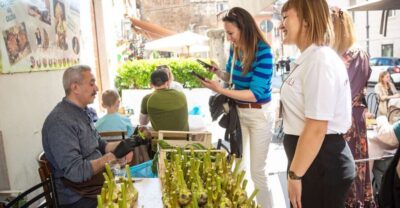
Trastevere & Campo de Fiori Street Food Walking Tour
Read our review →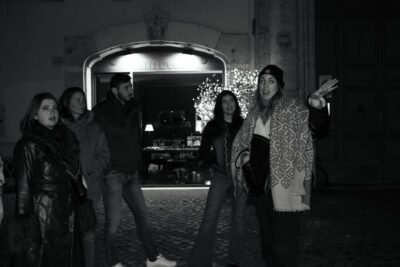
Paranormal Night Walking Tour & Secret Backstreets
Read our review →
Trastevere Street Food Walking Tour with Local Expert
Read our review →
Guided City Center Evening Sightseeing Walking Tour
Read our review →
Small-Group City Highlights Moonlight Walking Tour
Read our review →
Best of Rome Walking Tour including Trevi Fountain
Read our review →Browse the lists this tour appears in