
Reviewed · CAPUCHIN CRYPT TOURS
Rome: Capuchin Crypt to Pantheon Tour
Bones meet marble on this Rome walk. You get Capuchin Crypt entry, Pantheon tickets, and a local guide who turns Roman sites into a chain of stories, from divine claims to human lives. I like the structure because it is tight and focused, not a random sprint from landmark to landmark. The one catch is pace and access, the crypt experience can run with its own rules, so the guide’s ability to add extras inside may feel limited.
I also like how the route threads together two very different Rome moods. You start in one of the city’s most unusual spaces, then walk to the Trevi Fountain coin moment, and finish at an ancient monument that has changed roles over centuries. If you are expecting lots of free time for wandering and photos, plan for a guided highlight reel instead.
In This Review
- Key highlights to look for
- Why This 2-Hour Capuchin Crypt to Pantheon Plan Works
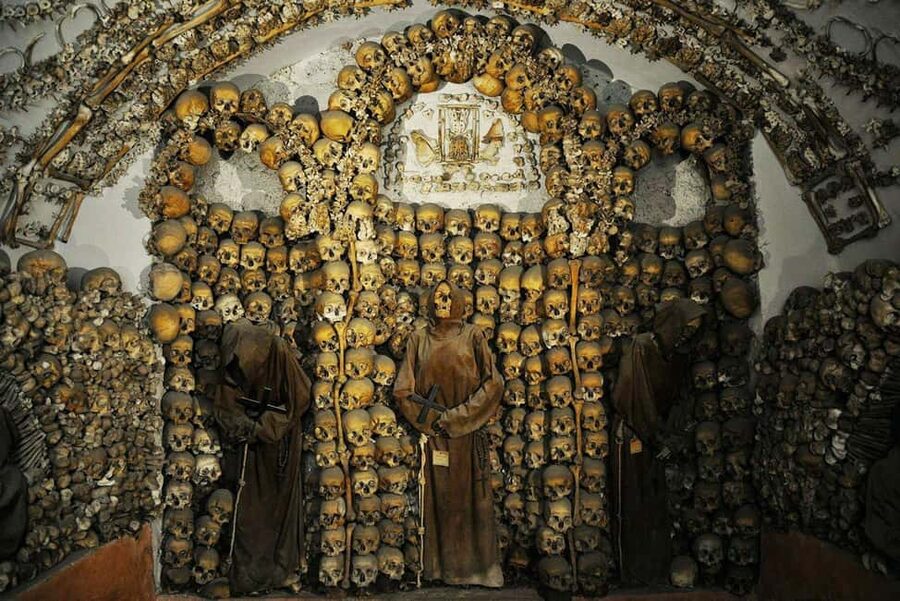
- Capuchin Crypt: Bones, Symbols, and a Guided Start
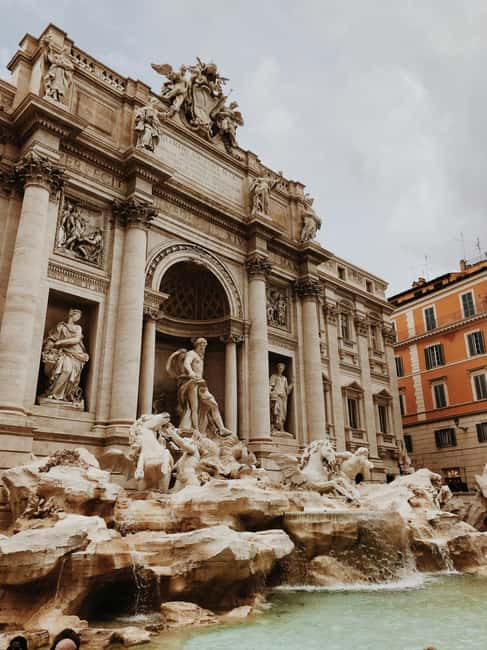
- Trevi Fountain Coin Moment Without the Detour
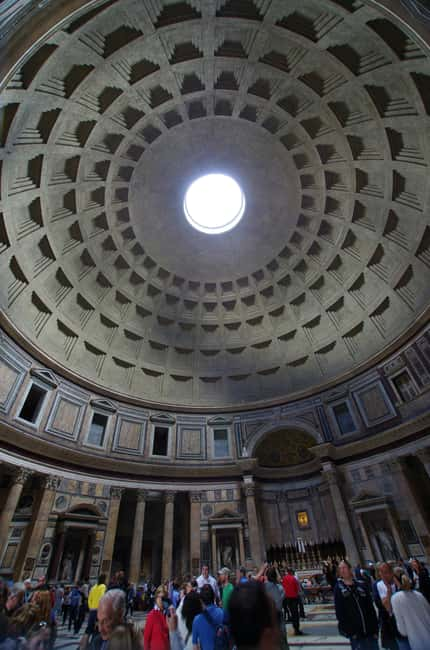
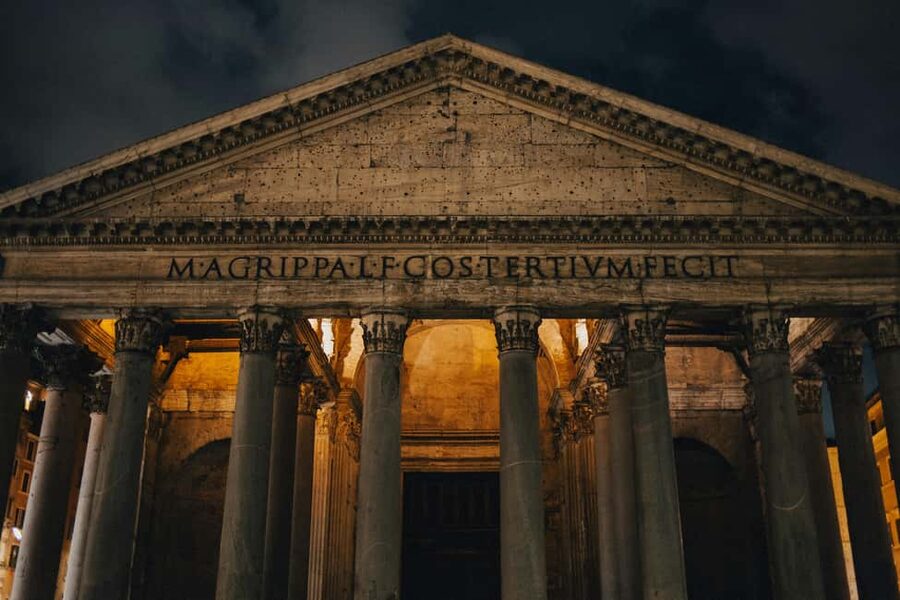
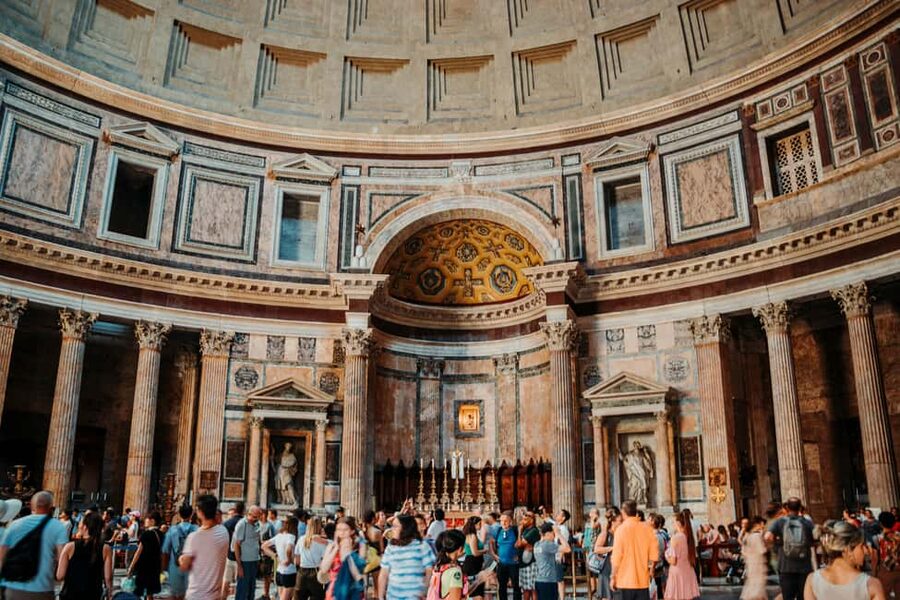
- Pantheon: From Pagan Temple to Church and Mausoleum
- What You Learn From the Guide Along the Way
- Tickets, Skip-the-Line, and Timing Reality
- Price of $82: What You Get for Your Money
- What to Wear and Bring (Dress Code Matters)
- Who Should Book This Tour, and Who Might Feel Frustrated
- Should You Book the Capuchin Crypt to Pantheon Tour?
- FAQ
- How long is the Rome Capuchin Crypt to Pantheon tour?
- What is included in the $82 per person price?
- Does the tour include skip the ticket line?
- What languages are available for the live guide?
- Is hotel pickup and drop-off included?
- What should I wear or bring for the tour?
- Is the tour suitable for wheelchair users or people with mobility impairments?
Key highlights to look for
- Capuchin Crypt tickets with a guide-led focus on the bones-and-art angle
- Pantheon entry included, with the site explained as pagan temple, later church and mausoleum
- Trevi Fountain stop where you get the coin legend and context before the crowd pressure
- Live English, Spanish, French guides who connect the stops into a story
- Skip the ticket line, which helps a lot when you have only 2 hours
Why This 2-Hour Capuchin Crypt to Pantheon Plan Works
This tour is built for people who want Rome’s big emotional swings without using up half a day. In 2 hours, you cover three headline stops plus the walking between them, with a guide doing the heavy lifting on explanation and timing. That is the real value here, someone makes the sites make sense in one continuous thread.
You start at the Capuchin Crypt, a place that feels more like a chapter than a monument. Then you pivot to Trevi Fountain, the Roman postcard that comes with a coin legend. Finally, you end at the Pantheon, where the architecture is famous and the cultural layers are even more interesting. If you like your Rome with context, this format is a smart use of limited time.
The only reason this plan might not fit is if you need slow pacing, step-by-step photo stops, or lots of lingering. The route is short. You will see a lot, but it stays on a schedule.
Other visits to the Capuchin crypt:
- Rome: Capuchin Crypts and Catacombs Tour with Transfers
★ 4.6 · 6,456 reviews - Rome: Catacombs and Capuchin Crypt Guided Tour with Transfer
★ 4.6 · 1,606 reviews - Rome: Capuchin Crypts Guided Tour with Audio Guide Option
★ 4.6 · 1,462 reviews - Catacombs Tour with Transfer – Optional Capuchin Crypt or Trevi
★ 4.5 · 694 reviews
Capuchin Crypt: Bones, Symbols, and a Guided Start
The Capuchin Crypt sets the tone fast. Bones and religious art sit side by side, and the effect is equal parts eerie and oddly organized. This stop works best when you treat it as a story about how Romans (and the Capuchins in particular) made meaning from death rather than a simple shock attraction.
What I like about starting here is psychology. You get Rome’s darkest mood out of the way at the beginning, when you still have energy. By the time you reach Trevi, the tone has shifted and the coin legend lands differently, like a reminder that Rome also sells hope and superstition side by side.
The guide matters at this stop because the crypt is not self-explanatory. You get explanations that connect the macabre display to broader religious and cultural ideas. One note from real-world experience: the crypt can have rules about what visitors can use inside, so if you were counting on a guide-run audio or extra media during the crypt segment, you may find limitations.
If you go, wear comfortable shoes and keep your expectations realistic. It is a structured visit, and the guide is there to keep the meaning clear while you walk through.
Trevi Fountain Coin Moment Without the Detour
Trevi Fountain is the stop that most people think they already know. The reality is different once you have context. With this tour, Trevi is not just a photo mission. It is a pause in the story, with the coin legend explained and the setting framed.
That matters because Trevi is also a timing challenge. It is popular, which means you will likely feel the crowd rhythm around you. Having a guide manage the flow helps you avoid the most common trap: standing too long, moving too late, and then feeling rushed at the next stop.
I also appreciate that Trevi is included as a visit within a short walk. You do not have to plan it separately or spend your valuable 2 hours debating logistics. Instead, you get a clear moment to toss the coin, take in the look, and move on with the tour’s narrative momentum.
One practical tip: keep your phone ready but do not treat it like a production. The best photos come when you step with the group and catch a few angles while you are moving, not when you stop dead and block others.
Pantheon: From Pagan Temple to Church and Mausoleum
Finishing at the Pantheon is a smart close. It is the kind of site where the building grabs you immediately, but the meaning stays interesting once the guide explains what changed over time.
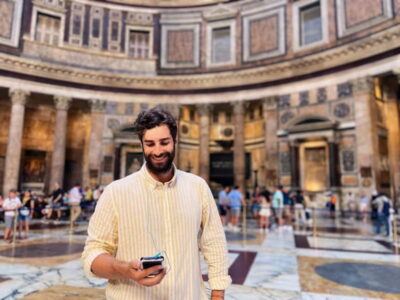
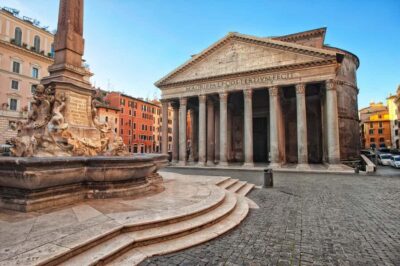
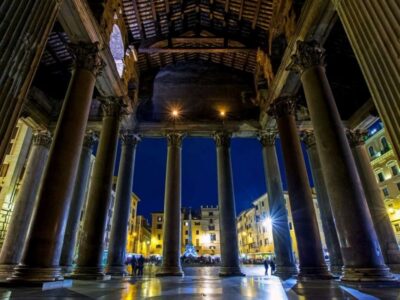
You start to learn this in the way the tour frames it. The Pantheon is ancient, dating back to 25-27 B.C., and it was originally dedicated to the gods of pagan Rome. Later, it became a church, and it also took on a mausoleum role. That sequence gives you a way to see Rome as a place that keeps reusing its own grandeur, not just building new.
This ending also helps you emotionally. After the crypt and Trevi, the Pantheon can feel like Rome turning seriousness into permanence. The guide’s stories about what was divine and what was mortal make the place feel less like a static ruin and more like a living record of changing beliefs.
A heads-up: the Pantheon segment depends on how your guide handles time. If your guide’s pacing runs quick, you may wish you had a bit more breathing room in the most photo-friendly spots. Still, the guided context here is a big win, because the “why” is what turns the Pantheon from impressive to memorable.
What You Learn From the Guide Along the Way
The tour’s core ingredient is the guide. The format is simple: one knowledgeable local guide with a live explanation in English, Spanish, or French, and the stops connected by legends and history. In real practice, that is what makes it feel like a single experience instead of three separate tickets.
I like how the narration spans from the divine to the mortal. That framing helps you understand why Rome can feel contradictory. One street gives you bones and symbolism, another gives you fountain folklore, and then you land at a monument that shifted religions while keeping its power.
The guide names you might hear in the wild include Fabiana, Sarah, and Estefania. And across those examples, the common thread is clear: the best guides keep explaining while also staying friendly and responsive to questions. When the communication clicks, you end up feeling like you are walking with someone who knows how Rome’s stories connect.
One caution based on past language experiences: not every guide delivers every language equally. If French is your comfort language and you are sensitive to clarity, consider choosing English or Spanish if that is available and easier for you to follow in real time.
Also, be ready for legends. You will hear plenty of stories, some historical, some cultural, and that mix is part of Rome’s appeal. If you only want facts without folklore, you might feel a little teased by the myths, but for most people, the legends are the point.
More ways under the Pantheon dome:
Tickets, Skip-the-Line, and Timing Reality
This tour includes entrance to the Capuchin Crypt and the Pantheon, plus a Trevi Fountain visit. You also get a skip-the-ticket-line promise, which matters because these sites are popular and delays can erase your time.
Here is the practical expectation: skip-the-line helps you move faster once you arrive, but it does not eliminate waiting entirely. You still need a bit of group coordination and you still need to walk. Think of it as buying back minutes for the story part of the tour, not a magic spell that ends all queues.
Duration is 2 hours, so your guide will manage pacing tightly. The walking component is real, and the tour is not designed for extended sidetrips or extra museum time. If you want to roam freely after, this is a good primer tour, but plan your longer exploration for later.
Another timing note: the crypt experience can have its own internal rules. If you are hoping for specific guide-led extras while inside, you might find the crypt environment limits some add-ons. The good news is the crypt entry itself is included, so even if the delivery style changes slightly, you still get the core visit.
Price of $82: What You Get for Your Money
At $82 per person for a 2-hour guided walk, this is not a budget-only option. But it also is not priced like a luxury private driver situation. The math is simple: you are paying for three included items and an expert guide.
Included elements:
- Expert guide
- Entrance to the Capuchin Crypt
- Entrance to the Pantheon
- Trevi Fountain visit
So you are not paying extra for key entries during the tour. That can make a big difference in Rome, where buying tickets on your own can eat time and energy. The skip-the-line element helps protect your schedule, which is a real value when you are only out for a short window.
Where the value gets stronger is if you want context. Without a guide, it is easy to treat the crypt as a gimmick and the Pantheon as just a famous building. With a good guide, you get the through-line: why these sites look the way they do, and what people once believed there.
Not included:
- Food and drinks
- Hotel pickup and drop-off
That keeps the price focused on the guide and entrances. Just budget for a snack after if you are doing this mid-day.
If you are a solo visitor, this tour is often the kind of experience that earns its keep because you get a framework for your sightseeing. If you already know every detail about Roman religion and church conversions, you might feel the guide added less than expected, but for most people, the storytelling fills gaps fast.
What to Wear and Bring (Dress Code Matters)
This tour is practical, but it does come with site-specific constraints. Bring comfortable shoes. You will be walking, and you will want something you can move in for the full route.
Keep in mind what is not allowed:
- Luggage or large bags
- Short skirts
- Sleeveless shirts
So if you are traveling with a bigger day bag, plan to pack light for this outing. If you have been in Rome already, you know that dress rules can pop up unexpectedly at religious sites. Treat this as a forewarning: cover up enough to avoid stress.
Also think about comfort over fashion. It is easy to underestimate how much standing and walking two hours can feel like once you add crowds and the pace of a guided group.
Who Should Book This Tour, and Who Might Feel Frustrated
This tour suits you if you want a focused, guided route that strings together the Capuchin Crypt, Trevi Fountain, and the Pantheon. It also fits well if you like legends and stories, not just architecture. The tour’s style is built around a guide explaining what you are seeing and why it matters.
It also works nicely for people who are time-limited. If you are doing Rome in a fast sprint, this gives you three anchor stops with tickets and context in a single go.
It may not fit if:
- You use a wheelchair or have mobility impairments
- You prefer long independent time at each site
- You need low-walking sightseeing with lots of resting
If mobility is a concern, you will likely find the route too demanding. The tour is a walking experience first, not a seated or slow-moving one.
If you care about language clarity, choose the guide language that you understand best. English, Spanish, and French are offered, but language comfort can vary by guide.
Should You Book the Capuchin Crypt to Pantheon Tour?
I’d recommend booking this tour if you want high value from a short time window and you like your Rome guided with stories. For $82, you get key entrances handled for you, plus a live guide who connects the sites into one narrative arc. The pace is part of the deal. You will see a lot, but you cannot treat it like an all-day hang.
Skip it if you know you need extra time inside each stop, or if you cannot do a walking route. And if you are extremely sensitive to language clarity, pick the language option you are most confident in.
If you do book, come ready to walk and dress appropriately. Then let the guide do what you actually came for: turn a crypt of bones, a coin toss at Trevi, and a layered Pantheon into a single, understandable Rome story you can carry with you long after you leave.
FAQ
How long is the Rome Capuchin Crypt to Pantheon tour?
It runs for 2 hours.
What is included in the $82 per person price?
The price includes an expert guide, entrance to the Capuchin Crypt, entrance to the Pantheon, and a visit to Trevi Fountain.
Does the tour include skip the ticket line?
Yes. The tour includes skip the ticket line.
What languages are available for the live guide?
The tour offers a live guide in English, Spanish, and French.
Is hotel pickup and drop-off included?
No. Hotel pickup and drop-off are not included.
What should I wear or bring for the tour?
Wear comfortable walking shoes. Avoid short skirts and sleeveless shirts, and do not bring luggage or large bags.
Is the tour suitable for wheelchair users or people with mobility impairments?
No. The tour is not suitable for wheelchair users or people with mobility impairments.
Latest additions from Rome
- Private Professional Photoshoot in Rome★ 5.0 · 8 reviews
- Rome: Testaccio Market Food Tour with Street Food & Wine★ 5.0 · 8 reviews
- Exclusive Pasta & Tiramisu Class with Wine near by Colosseum★ 5.0 · 8 reviews
- Loreto “Shrine of the Holy House of the Virgin Mary” Private Tour from Rome★ 5.0 · 8 reviews
- Rome Day to discover Florence and Pisa Hotel Pickup★ 4.5 · 8 reviews
- Rome: Christmas Nativities and Angels Tour★ 3.1 · 8 reviews
- Guided Tour of Vatican Museums and Sistine Chapel★ 5.0 · 8 reviews
- Rome: Cooking Class of fresh Pasta and Tiramisu Cake★ 5.0 · 8 reviews
Capuchin Crypt Tours, compared.
Capuchin Crypts and Catacombs Tour with Transfers
Read our review →
Catacombs and Capuchin Crypt Guided Tour with Transfer
Read our review →
Capuchin Crypts Guided Tour with Audio Guide Option
Read our review →
Catacombs Tour with Transfer – Optional Capuchin Crypt or Trevi
Read our review →
Rome Catacombs & Capuchin Crypts VIP Group Tour with Transfers
Read our review →
Guided Catacombs Tour & Capuchin Crypt (Audio Guide)
Read our review →
Crypts & Catacombs After Hours Tour with Bone Chapel
Read our review →Browse the lists this tour appears in