
Reviewed · ROME PHOTOSHOOT SESSIONS
Rome by Day, Beauty and History Unique Photo Tour and Workshop
Rome rewards good timing, and this tour helps you see it. You get a hands-on photo workshop for iPhone and Android shooters, plus Giulio D’Ercole guides a small group to Rome’s most famous stone scenes. I really like how the instruction focuses on visual storytelling (not just clicking a shutter), and I also like the pace, because you’re not stuck sprinting for tourist checkmarks. One thing to consider: it’s a dress-code day if you plan to enter churches or selected museums, and Rome can be strict about shoulders and knees.
This is not a “stand here, take a picture, move on” outing. It’s built around short stops where you practice framing, exposure basics, and composition, then immediately test what you learned. If you’re traveling with someone who does not want to shoot, you can still join and enjoy the walk with the group.
In This Review
- Key highlights you’ll feel fast
- Smartphone-Friendly Rome Photo Workshop, No DSLR Required
- Giulio D’Ercole and the Small-Group Advantage
- The 4-Hour Rhythm: Workshop Tips, Then Real Rome Practice
- Stop-by-Stop: St. Peter’s Square to Piazza Navona
- St. Peter’s Square (about 20 minutes)
- Castel Sant’Angelo (about 15 minutes)
- Piazza Navona (about 20 minutes)
- Piazza Navona to Pantheon: Baroque Corners and Photo Focus
- Pantheon square and exterior views (about 20 minutes)
- Chiesa di Sant’Ignazio di Loyola (about 15 minutes)
- Campidoglio and the Roman Forum Edge: Views Plus Texture
- Complex of the Victorian Ala Brasini (about 20 minutes)
- Piazza del Campidoglio (about 20 minutes)
- Mercati di Traiano – Museo dei Fori Imperiali (about 20 minutes)
- Teatro di Marcello (about 10 minutes)
- Antico Quartiere Ebraico and Campo de’ Fiori: Narrow Streets, Real Life
- Antico Quartiere Ebraico (about 20 minutes)
- Campo de’ Fiori (about 20 minutes)
- Dress Code, Churches, and Selected Museum Rules
- Price and Value: What $215.69 Buys You in Rome
- Who This Photo Tour Fits Best
- Should You Book Rome by Day, Beauty and History Unique Photo Tour and Workshop?
- FAQ
- Do I need a DSLR for this Rome photo tour?
- How long is the tour?
- What are the main photo stops during the walk?
- Is the tour suitable for non-photographing partners or family members?
- What’s included in the price?
- Are souvenir photos included?
- Can I rent camera gear if I don’t have a camera?
- Where does the tour start and end?
- What should I wear if I want to enter churches?
- What happens if the weather is bad?
Key highlights you’ll feel fast
- Smartphone welcome for iPhone and Android, no DSLR required
- Small group max 4 means you get real attention while shooting
- Guided visual storytelling with practical tips on settings and composition
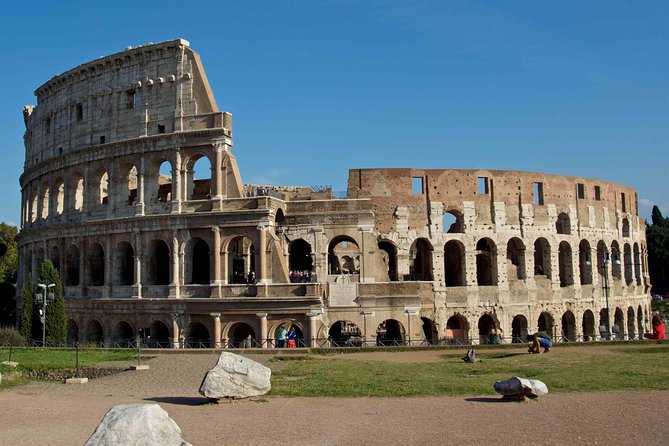
- Iconic Rome route from St. Peter’s Square to the Colosseum area
- Non-photographing guests can join, so nobody feels stuck
- Admission covered at key stops while many viewpoints remain free
Smartphone-Friendly Rome Photo Workshop, No DSLR Required
Rome is full of perfect subjects, but getting “wow” photos usually comes down to basics. This tour is designed for people who shoot with a smartphone, and that matters more than you might think. Instead of treating phones like a compromise, Giulio’s approach helps you use what your camera already does well, then fix the common issues like blown highlights, flat framing, and boring repetition.
You’ll also learn how to think in pictures. That means not just documenting monuments, but building a visual story that shows scale, movement, and texture. Giulio’s style is hands-on and friendly, and multiple reviews highlight how he adjusts to your skill level, from total beginner to people who already know their way around a camera.
A small consideration: you’ll spend real time looking up close at details, which can be slower than “normal sightseeing.” If you like fast, never-stop touring, this might feel more like focused practice than a casual stroll.
Other photographers working the Roman light:
- Rome: Explore the City by Vespa with an Optional Photoshoot
★ 5.0 · 1,103 reviews - Rome Vespa Scooter Tour with Professional Photographer
★ 5.0 · 857 reviews - Rome: Vespa Ride with Pictures and Sweet Tastings
★ 5.0 · 723 reviews - Rome: Photoshoot Service with Vintage Fiat 500
★ 5.0 · 611 reviews
Giulio D’Ercole and the Small-Group Advantage
The tour runs with a maximum of 4 travelers, and that’s a big deal for photography coaching. In a crowd, you end up waiting your turn and copying what someone else captured. Here, you can ask a question while you’re still at the spot, and Giulio can correct what matters for your shot.
In the reviews, people consistently praise Giulio for being patient and adjusting instruction to the group. If you’re new, you’ll get clear steps to improve your results. If you already know exposure or composition basics, you’ll still get useful refinements. Either way, you’re not stuck guessing how to set up your photo.
Also, English is available, and the tour may run with multi-lingual guidance depending on the group (English, French, Italian, and basic Spanish). That helps if you want explanations that are actually understandable, not just “tour commentary” over your shoulder.
The 4-Hour Rhythm: Workshop Tips, Then Real Rome Practice
The magic of this kind of photo tour is the loop: learn a concept, apply it immediately, then do it again. The schedule is built that way. You’ll move through Rome’s most photogenic corners, and at several stops you get a specific shooting window that forces you to slow down and try different angles.
The instruction centers on practical photography skills like exposure, camera settings, and composition. Even if you never touch a manual mode, exposure thinking still helps your smartphone photos. You’ll also work on visual storytelling, which is what turns a random collection of images into a coherent Rome photo set.
You should expect a “teach and shoot” vibe rather than passive narration. The stops are timed in short bursts, so you can experiment without feeling like you missed the moment while the group moved on.
Stop-by-Stop: St. Peter’s Square to Piazza Navona
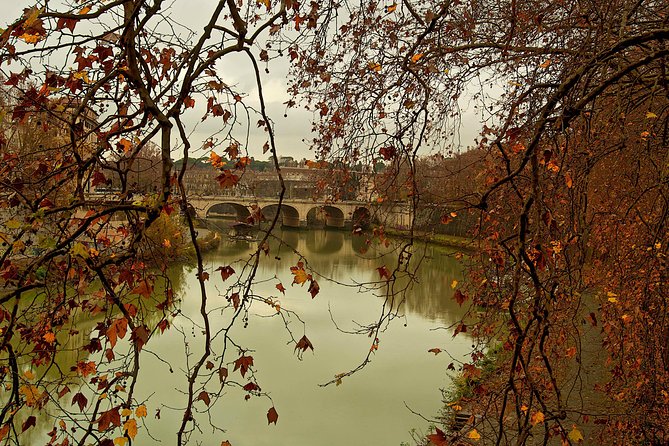
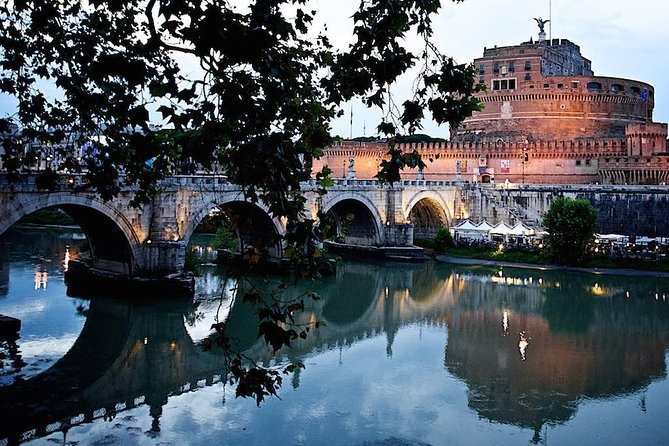
Your day opens at Ponte Sant’Angelo. This is a great starting point because Rome’s river views naturally teach you framing and leading lines before you even reach the big-ticket monuments. You’ll then walk into the iconic sights with the workshop mindset switched on.
St. Peter’s Square (about 20 minutes)
You’ll focus on multiple photo angles of the square, including the columned porticos, fountains, sculptures, the Swiss guards, and the basilica facade. The key value here is variety. You’re not just chasing one “postcard view.” You’ll practice how to balance tall architecture with human scale.
Drawback to plan for: St. Peter’s is busy. Your best shots often come from patient positioning and smart timing, not luck. The short time window means you’ll want to be ready to try a few options quickly.
Other Roman benches to work at for a morning:


Castel Sant’Angelo (about 15 minutes)
Next is Castel Sant’Angelo and the Bridge of Angels. You’ll photograph the fortress and also aim for river-shore perspectives. This stop is useful because it teaches composition with layers: foreground water or railing, mid-level bridge structure, and then the fortress behind.
The downside is that you’ll likely feel the pull of classic shots. Giulio’s job is to help you keep moving past that first instinct, but you still have to be willing to experiment for a few minutes.
Piazza Navona (about 20 minutes)
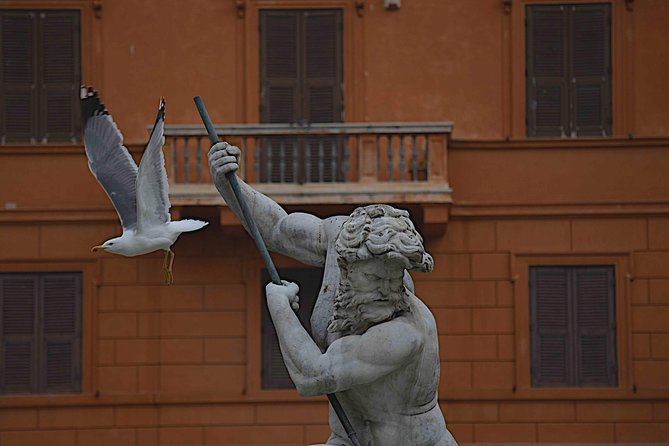
Piazza Navona is made for photos: fountains, churches, and people. The “people” part matters for storytelling. You’ll have time to incorporate motion and scale, not just architecture.
A practical note: if you want cleaner frames, shoot a little earlier in the window and be willing to step aside for a clearer line. The tour gives you limited minutes here, so your choices should be deliberate.
Piazza Navona to Pantheon: Baroque Corners and Photo Focus
Rome’s best photos often happen in the spaces between the obvious landmarks. This tour nudges you there with a mix of grand, then detailed.
Pantheon square and exterior views (about 20 minutes)
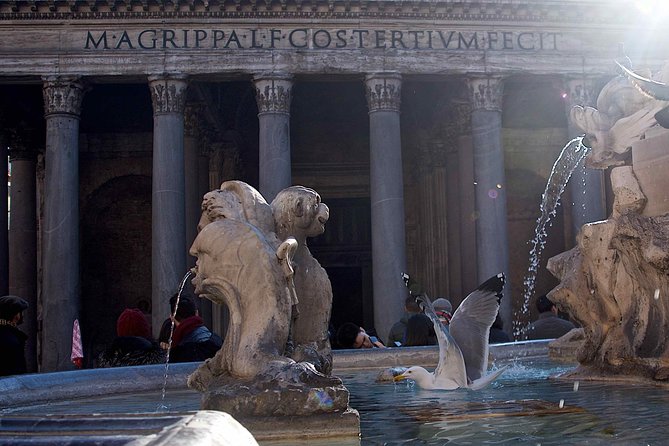
At the Pantheon, you’ll work on shots of the square and fountain, plus people, and then the Pantheon from the outside. This stop is all about balance. The building is massive and symmetrical, which can be great for composition, but it also tempts you into boring centered framing.
Giulio’s coaching helps you vary your angle and think about how your viewer’s eye moves across the scene, not just how “pretty” the monument looks in one frame.
Chiesa di Sant’Ignazio di Loyola (about 15 minutes)
This church stop is a nice change of pace. You’ll point your camera at sculptures, frescos, and baroque art. Instead of photographing only from far away, this helps you practice close-detail framing and texture.
One consideration: places of worship often enforce dress rules. The tour notes that shoulders and knees must be covered, and sleeveless tops and shorts usually do not work. If you show up too casual, you could get refused entry.
Campidoglio and the Roman Forum Edge: Views Plus Texture
This section of the walk is where Rome shifts from “big monument” to “city layers.” You’ll still get classic viewpoints, but you’ll also photograph ruins and facades that explain how Rome grew.
Complex of the Victorian Ala Brasini (about 20 minutes)
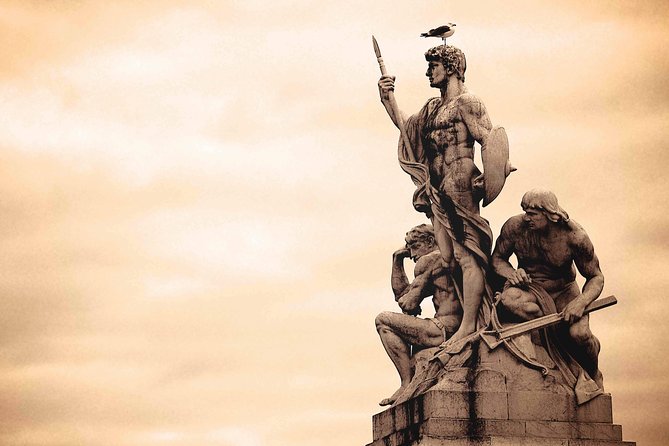
You’ll capture the monument, different sculptures, and the Rome skyline view. Even though the stop includes a view, you’re still working like a photographer, not a tourist. The goal is to show how the structure sits in the city.
Tip for making this stop count: try a couple of compositions, one where the building is dominant, and one where the skyline adds scale.
Piazza del Campidoglio (about 20 minutes)
At Piazza del Campidoglio, you’ll photograph Michelangelo’s square, the Marco Aurelio statue, building facades, and the viewpoint over Rome. This is a strong spot for learning “picture hierarchy.” Your images need a clear subject, and in Campidoglio that subject can be the statue, the curved square geometry, or the view beyond it.
If you’re chasing pure symmetry, take time to correct perspective. Steps and camera height can turn a perfect-looking frame into a stretched one.
Mercati di Traiano – Museo dei Fori Imperiali (about 20 minutes)
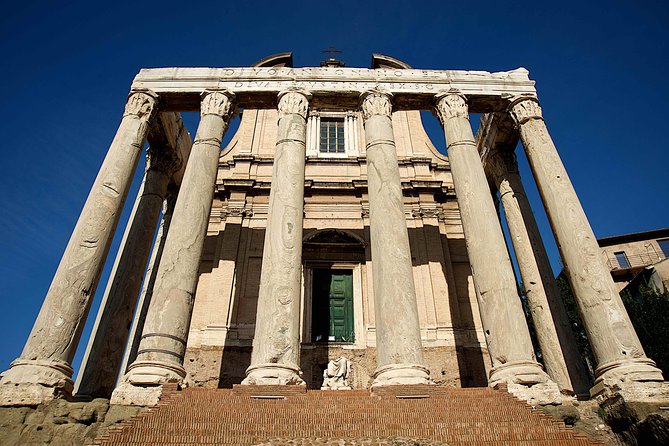
Here you get ancient ruins and Roman forums, plus Trajan markets and column, and a view that helps you understand the terrain. This is valuable because it turns ruins from “old stones” into a readable scene.
If you want to avoid disappointment, come with flexible expectations. Ruins photography can be tricky due to uneven surfaces, crowded areas, and lighting changes. The tour’s short window means your best results come from choosing angles that emphasize shapes and depth.
Teatro di Marcello (about 10 minutes)
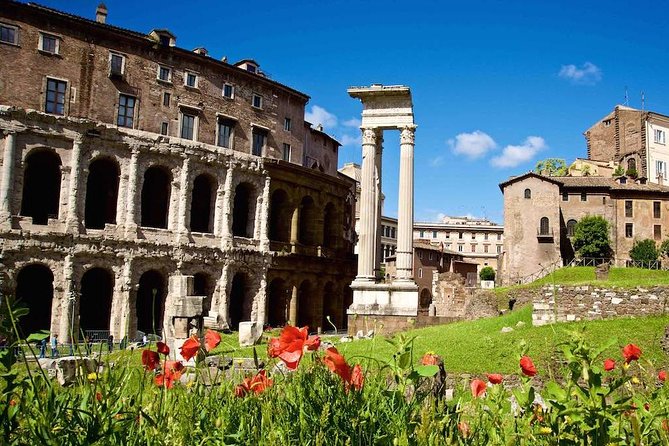
This is a quick stop: ancient ruins of the theater. Ten minutes sounds short, but it’s enough for one or two strong compositions if you know what you’re looking for. Think texture, arches, and how the seating structure frames the space.
Antico Quartiere Ebraico and Campo de’ Fiori: Narrow Streets, Real Life
Not every great Rome photo is a grand building. The last stretch of the tour leans into atmosphere: alleys, corners, markets, and everyday color.
Antico Quartiere Ebraico (about 20 minutes)
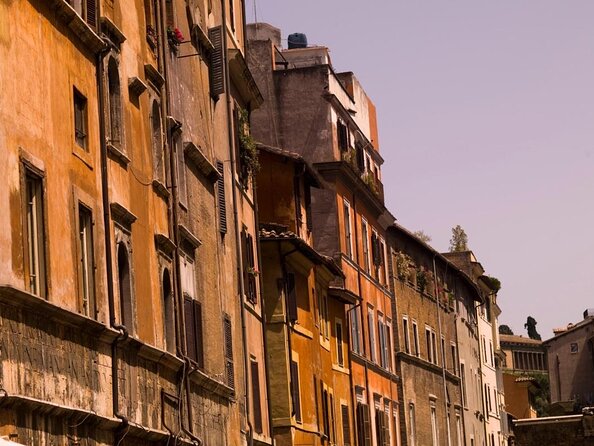
You’ll shoot characteristic corners, small alleys, and typical shops. This stop teaches a different skill set than monumental Rome. Narrow streets mean you need to work quickly with framing, and you also need to watch for perspective distortion from close distances.
Bring patience for people-watching. In these streets, your best shot often includes someone moving through the frame, but it still needs composition discipline.
Campo de’ Fiori (about 20 minutes)
At Campo de’ Fiori, you’ll photograph a typical Roman market plus alleys. The value here is variety in one area: architecture edges, market life, and side streets that can become a “second photo story” after the main square image.
Practical advice for market photography: if you find a spot you like, try two or three shot options fast, then reposition. Standing still for too long can make your final images all look like the same moment.
Dress Code, Churches, and Selected Museum Rules
If you plan to photograph inside churches or selected museums, the tour is clear about dress rules. Casual is fine for most outdoor time, but for places of worship you need shoulders and knees covered. That usually means no shorts and no sleeveless tops for both men and women.
This is one of the biggest “prevention, not cure” issues. Rome can refuse entry if you miss the requirement. If you’re the kind of traveler who packs light, keep a light layer that covers your arms and legs so you can comply quickly.
Price and Value: What $215.69 Buys You in Rome
At $215.69 per person for roughly 4 hours, the value mainly comes from two things: expert guidance and a tight shooting schedule. Many sightseeing tours give you a guide plus time. This one gives you time plus a workshop focused on your photos.
You’re also not paying for admissions at the timed stops where tickets are listed as included or free. That helps the math, because major sights can add up fast even when you’re only doing a couple of entries.
There’s also a practical value in the small group size. With up to 4 people, you’re more likely to get direct coaching rather than generic advice. That coaching can make your phone photos dramatically better by the end of the walk.
Not included: souvenir photos for purchase. Also, if you have no camera, there’s a rental option for Nikon gear plus tripods for 50 euros per kit, payable in cash. If that matters to you, plan to bring the right payment method.
Who This Photo Tour Fits Best
This is best for travelers who want real photography improvement without hauling heavy gear. If you’re traveling with a smartphone only, you’ll feel like this was built for you, not marketed at you.
It also fits people who want history and architecture, but in a way that supports photography. The stops are structured so you learn what you’re looking at while you shoot. And because Giulio can accommodate non-photographing spouses, partners, or children coming as guests, it can work as a shared experience even when everyone has different interests.
If you already have a very specific plan to enter a bunch of paid museums like the Colosseum or Borghese Museum, note that availability for those extras cannot always be checked without booking. This tour keeps the focus on the included stops and the walk-based workshop.
Should You Book Rome by Day, Beauty and History Unique Photo Tour and Workshop?
I’d book it if you want your Rome photos to look like you meant them. The mix of a guided route, short practice windows, and coaching on exposure, settings, and composition is a strong recipe for better smartphone results.
I’d skip it if you mainly want a long, relaxed sightseeing day with no photography pressure. This tour asks you to pay attention and try things, even when you’re standing in front of the big sights.
If you do book, go in with one mindset: you are there to practice. Your best frames will come from trying a few variations, not from waiting for the perfect single shot.
FAQ
Do I need a DSLR for this Rome photo tour?
No. iPhone and Android smartphone photographers are welcome, and the tour is built for helping you improve your results with your phone.
How long is the tour?
The duration is about 4 hours.
What are the main photo stops during the walk?
You’ll shoot places like St. Peter’s Square, Castel Sant’Angelo, Piazza Navona, the Pantheon area, Chiesa di Sant’Ignazio di Loyola, Piazza del Campidoglio, Mercati di Traiano – Museo dei Fori Imperiali, Teatro di Marcello, and the Antico Quartiere Ebraico and Campo de’ Fiori.
Is the tour suitable for non-photographing partners or family members?
Yes. Arrangements can be considered for non photographing spouses, partners, and children who come as guests.
What’s included in the price?
Included items are a professional photographer guide, and admissions at selected stops. Admission tickets are listed as included or free for the stops in the itinerary.
Are souvenir photos included?
No. Souvenir photos are available to purchase, but they are not included.
Can I rent camera gear if I don’t have a camera?
Yes. Customers with no cameras can rent Nikon gear plus tripods for 50 euros per kit, payable in cash.
Where does the tour start and end?
The start is St. Angelo Bridge (Ponte Sant’Angelo). The end is the Colosseum area at Piazza del Colosseo (near the subway stop, Line A).
What should I wear if I want to enter churches?
A dress code is required for places of worship and selected museums. Knees and shoulders must be covered, and shorts or sleeveless tops usually are not allowed.
What happens if the weather is bad?
This experience requires good weather. If it’s canceled due to poor weather, you’ll be offered a different date or a full refund.
More Historical Tours in Rome
- Rome: Forbidden History Walking Tour & Pub Crawl with Drinks
★ 4.9 · 688 reviews - Rome: Guided Bar Crawl with Drinks & Dark History
★ 4.9 · 444 reviews - Rome: Vespa Photo Tour with Historic City Highlights
★ 5.0 · 395 reviews - Twilight Treasures: An Evening Tour Through Rome’s Rich History
★ 4.5 · 263 reviews
Latest additions from Rome
- Guided Tour Vatican Museums & Sistine Chapel★ 4.1 · 30 reviews
- Exclusive Rome by Night Vespa Tour★ 5.0 · 30 reviews
- Transfer Rome to Airports★ 4.5 · 30 reviews
- Vatican: St.Peter’s Basilica & Dome – Reserved Entry & Tour★ 4.1 · 30 reviews
- Rome street art tour: off the beaten path with a local guide★ 5.0 · 30 reviews
- Tivoli, Hadrians Villa and Villa d’Este, a charming day trip from Rome★ 4.5 · 30 reviews
- Rome Food Tasting with Wine Pairing Italian Authentic Flavors★ 5.0 · 31 reviews
- Inspirational Cooking on the Roman Chef’s Panoramic Terrace★ 5.0 · 30 reviews
Rome Photoshoot Sessions, compared.
Explore the City by Vespa with an Optional Photoshoot
Read our review →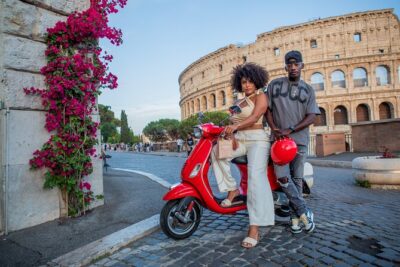
Rome Vespa Scooter Tour with Professional Photographer
Read our review →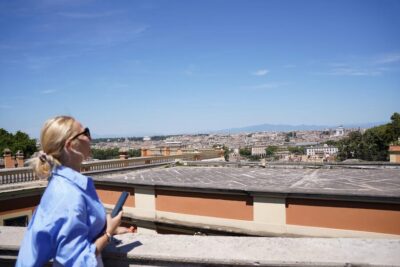
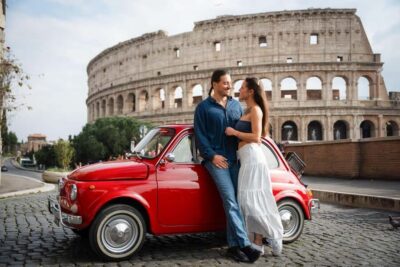
Pro Photoshoot include free transport with VESPA
Read our review →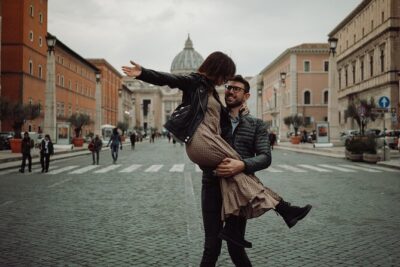
Browse the lists this tour appears in