
Reviewed · BORGHESE GALLERY TICKETS
Rome: Borghese Gallery Guided Tour with Tickets
If you love Baroque art, this is a smart pick. You get skip-the-line access plus an art historian guide that turns a tight timed visit into clear, emotional viewing. The Borghese Gallery is small enough to feel personal, but famous enough that you want expert context to catch what matters.
I especially like how the tour focuses on the big hitters, Bernini’s charged marble and Caravaggio’s high-drama scenes, without turning it into a rushed checklist. I also love the practical setup: reserved entry tickets, an express security check, and radios so you can actually hear the guide while you’re staring at the art.
The main consideration is time. The visit is about two hours total, so if you want slow, solo wandering in every room, you may wish the tour lasted longer.
In This Review
- Key points to know before you go
- Why Borghese feels different from Rome’s big-name museums
- Arrival basics at the Borghese Villa, and what to do with your bag
- First stop: ground floor sculptures and the “Bernini effect”
- Inside the gallery rooms: Caravaggio’s light, shadow, and pressure
- The second sculpture circuit and the overlooked “Roman base layer”
- The guide factor: why names like Henry, Irene, Gaga matter
- Price and value: what $57 buys in the real world
- Timing, pacing, and the one tradeoff to accept
- Who should book this Borghese Gallery guided tour
- Should you book this tour or plan it on your own?
- FAQ
- FAQ
- What’s the duration of the Borghese Gallery guided tour?
- Does this experience include skip-the-line entry?
- What’s included besides the guide?
- Where do I meet the guide?
- What languages are available for the live guide?
- What do I need to bring?
- What items are not allowed inside?
- Is it wheelchair accessible?
Key points to know before you go
- Skip-the-line priority entry helps you start seeing art sooner, not waiting outside.
- Headsets and radios make the guide’s explanations easier to follow indoors.
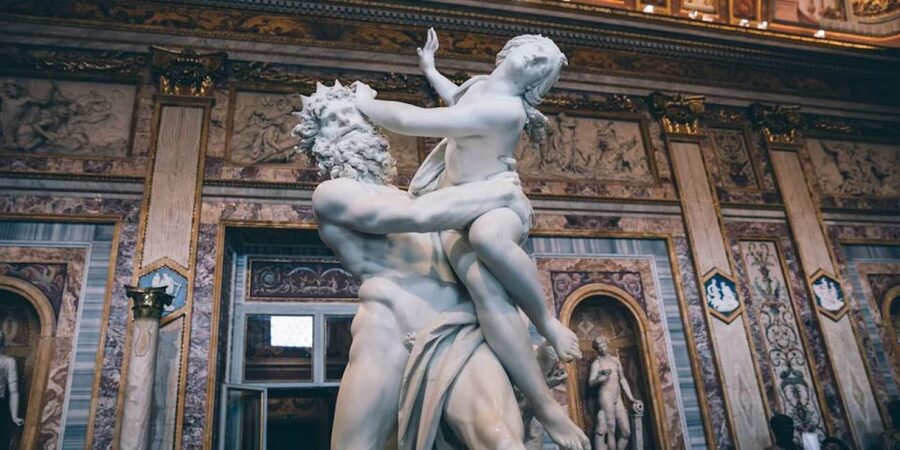
- Bernini and Caravaggio are treated like the main event, not side stops.
- Small group or private options keep the experience feeling more human than assembly-line.
- Meeting points vary, with options at Fontana dei mascheroni and Piazzale del Museo Borghese.
- Not wheelchair suitable, and you cannot bring strollers, large luggage, or pets.
Why Borghese feels different from Rome’s big-name museums
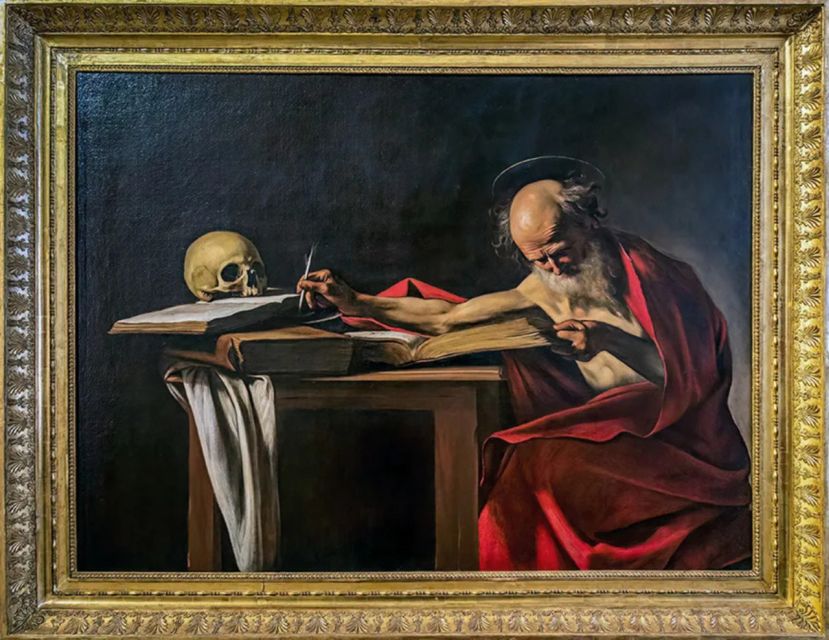
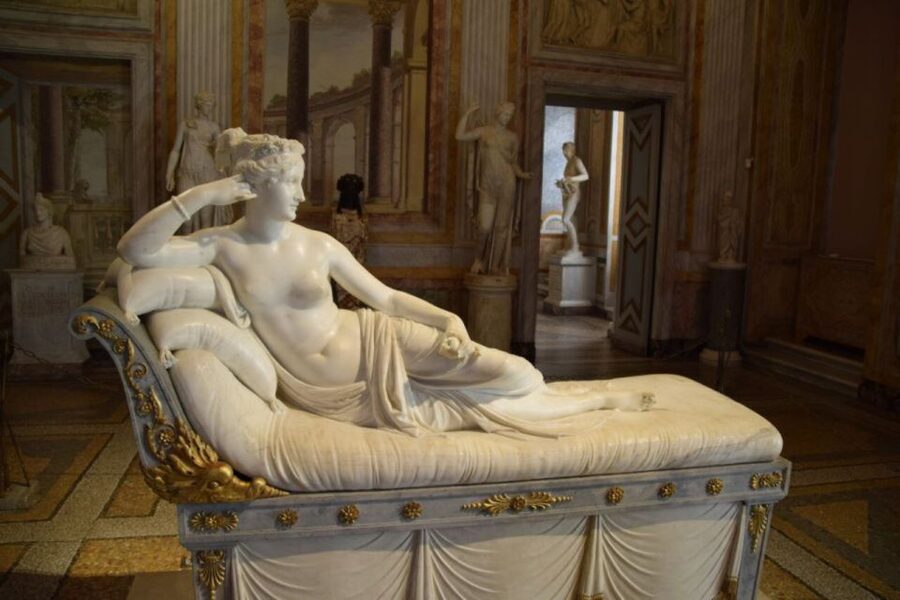
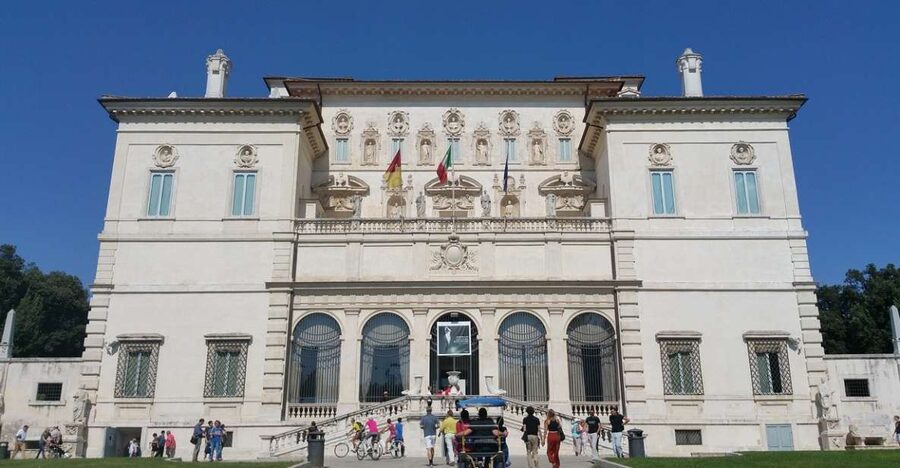
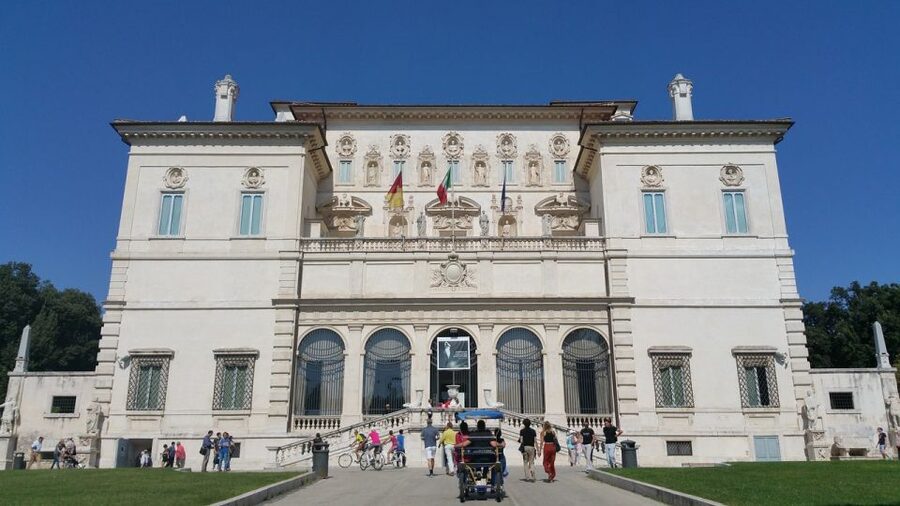
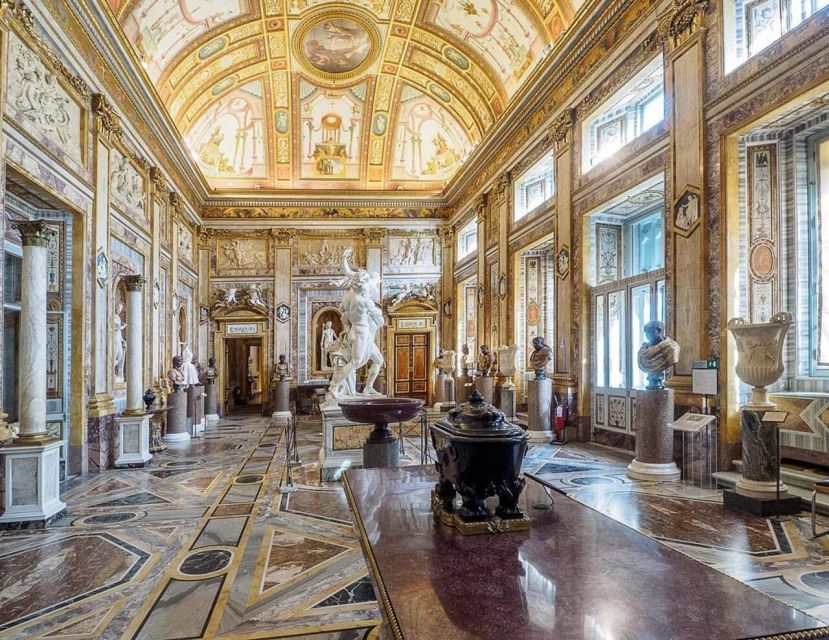
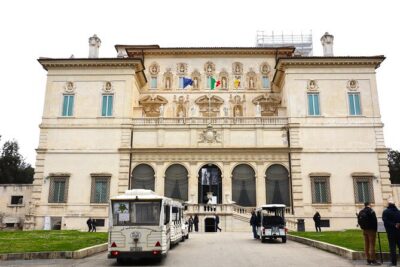
Rome has plenty of grand museums, but the Galleria Borghese works on a different scale. This collection is housed in a 17th-century villa, and the rooms feel designed for close looking. That matters, because Borghese rewards attention to surfaces, angles, and lighting. Up close, Bernini’s marble looks almost alive, not like “a sculpture in a case.”
What I like best is that you do not just see famous works. You get the why behind them: how the collection was shaped by Cardinal Scipione Borghese and how that family story links to what you’re seeing on the walls and in the sculpture galleries. When the guide connects the political ambition, patronage, and taste, the art starts behaving like a living system instead of a list of masterpieces.
Other Borghese slots worth booking early:
- Rome: Borghese Gallery Skip-the-Line Ticket & Audioguide
★ 4.3 · 4,318 reviews - Rome: Borghese Gallery Ticket + Audioguide or Guided Tour
★ 4.6 · 3,219 reviews - Rome: Borghese Gallery Guided Tour with Skip-the-Line Entry
★ 4.8 · 2,649 reviews - Rome: Borghese Gallery Skip-the-Line Tickets with Audioguide
★ 4.6 · 2,562 reviews
Arrival basics at the Borghese Villa, and what to do with your bag
Your tour starts outdoors near the villa, then you move into the gallery with reserved entry. There are two starting location options: Fontana dei mascheroni or Piazzale del Museo Borghese, and the exact meeting point can depend on what you booked. Plan to arrive a little early so the group doesn’t have to wait once you’re at the gate.
Security is part of the reality here. You get express security check access, which helps you get moving faster. Still, the museum is strict about what you carry inside. You can bring small bags and purses, but if you show up with something larger, you can use the free cloakroom at the entrance to store it safely.
A practical tip: if you’re traveling with a daypack, keep essentials minimal. The less you carry, the smoother your entry will be, especially when you’re trying to stay focused on the guide’s first room.
First stop: ground floor sculptures and the “Bernini effect”
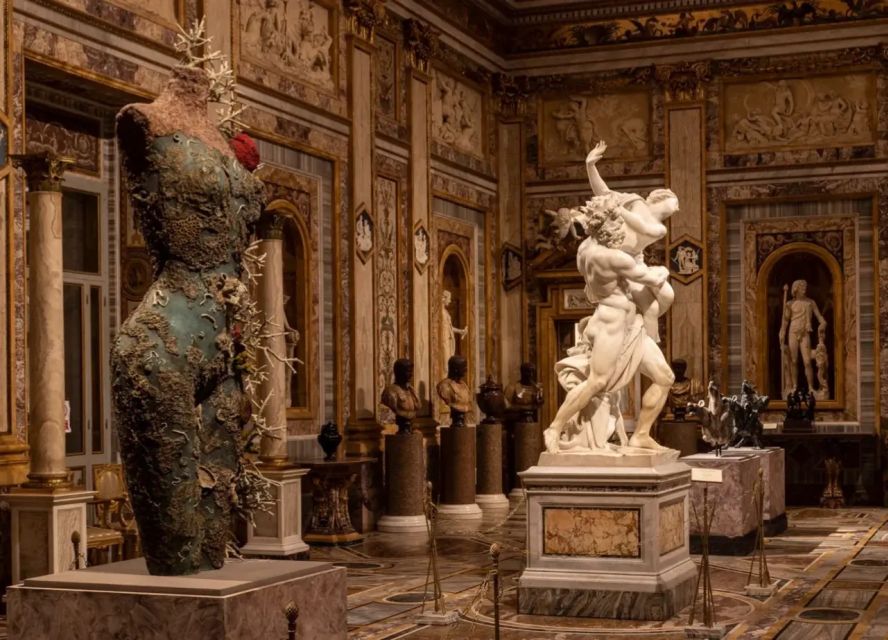
The tour begins with a circuit through the sculpture rooms on the ground floor. This is the part where many people quickly realize the Borghese collection is not just famous, it’s theatrical. You see sculptures that were made to be viewed from specific angles, where gesture and facial expression do a lot of the storytelling.
Bernini is the anchor here, and the guide typically builds a framework before you reach the headline pieces. Expect to spend real time on works tied to his signature style, including Apollo and Daphne. When you’re watching these sculptures in the context the guide provides, you start noticing things you might miss at a distance, like how motion is carved into still stone and how emotion is staged across the figure’s body.
One more thing I value: your guide is not simply pointing. Many guides on this tour are art historians who talk about how and why the works were made, and you’ll often get technical and restoration context too. That kind of explanation matters for Borghese because so many visitors are stunned by what they see, but they do not always know what to look for next.
Inside the gallery rooms: Caravaggio’s light, shadow, and pressure
Then you move into the main Borghese Gallery rooms, where the visit often shifts from “marvel” to “how can a painting feel that intense?” This is where Caravaggio takes over.
The experience centers on a room devoted to Caravaggio highlights, including David with the Head of Goliath and Boy with a Basket of Fruit. Those paintings are famous, but the power usually hits hardest when you understand Caravaggio’s approach to contrast. He uses light like a spotlight, and shadow like a narrative tool. When the guide explains what you’re looking at, you start seeing how the scene was constructed to control your attention.
Also, Caravaggio is not a one-note artist. The guide helps you connect his drama to the broader Renaissance and Baroque world around him, so the gallery starts feeling like one conversation rather than separate masterpieces with no links.
You’ll also encounter Raphael’s serene grace in the collection, along with works by artists like Titian and Canova. Even if you think you only care about one name, it’s worth seeing the range. The guide tends to connect them by theme, style, and period, so the paintings and sculptures stop competing and start complementing each other.
The second sculpture circuit and the overlooked “Roman base layer”
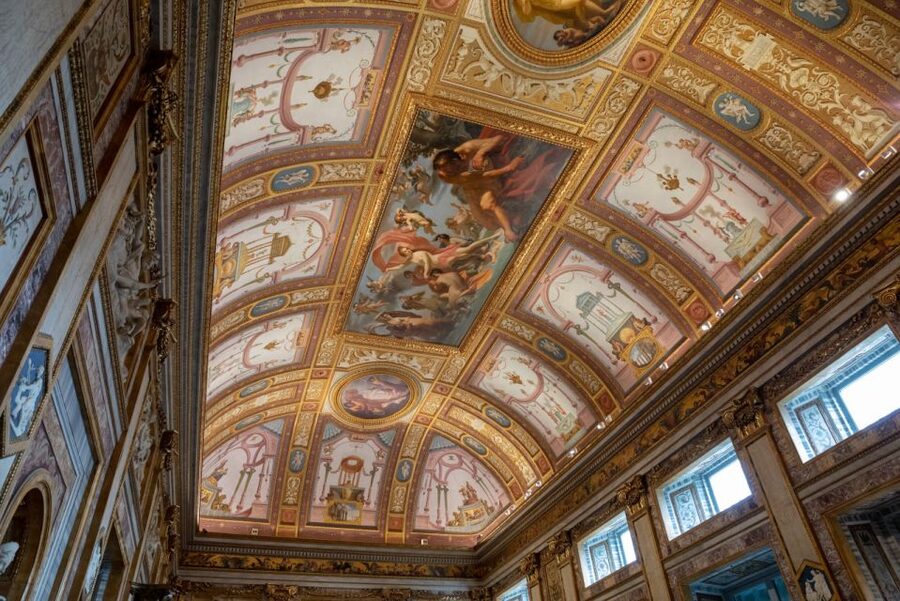
After the main gallery time, the tour returns to the ground floor for additional sculpture viewing. This is a smart structure because it gives you a chance to reset your eyes. Caravaggio can be intense, and Bernini can be fast. Coming back to the sculpture spaces helps your brain keep switching modes without losing context.
This part of the visit also helps you spot elements that many visitors skip on their own. You’ll see Roman floor mosaics and other Roman touches in the villa environment, along with detailed hand-painted frescoes. Those details are not random decoration. In a house like this, art works as atmosphere.
When you’re watching mosaics and frescoes after hearing explanations about patron taste and restoration history, the villa starts to feel like one curated world. It’s not just a gallery of objects, it’s a designed environment where different art forms support each other.
Other Roman collections with a shorter wait:
The guide factor: why names like Henry, Irene, Gaga matter
A Borghese tour lives or dies by the guide. The strongest feedback you’ll see on this experience is consistent: art historian storytelling, passion, pacing that feels intentional, and guides who make room for questions.
I noticed recurring praise for guides such as Henry, Enri, Gaga, Irene, Federica, Victoria, Frederico, Ursus, and Alesia. The common thread in these accounts is not just that the guide knows facts, it’s that they know how to translate art into something you can experience in real time.
Here’s what that looks like in practice:
- The guide explains what you’re seeing before you reach it, so you have a “lens” ready when you look.
- They connect style choices to history, so Baroque drama feels understandable, not random.
- They often point out visual structures, like how figures are composed or how light affects what you think you’re seeing.
If you do just one thing to get more value, ask your guide a question while you’re standing in front of a work. These tours work best when you treat it like a conversation, not a lecture.
Price and value: what $57 buys in the real world
At about $57 per person for roughly two hours, this tour is priced like a serious “priority experience,” not a budget museum ticket. The value is in what’s included: skip-the-line entry, a reserved entry ticket, headsets and radios, and a live art historian guide.
Here’s how I think about the money:
- If you go on your own, you’re paying for time. Lines, security, and figuring out what matters can drain your visit before you even start looking closely.
- On this tour, you pay to protect your attention. You spend your energy on artwork, not logistics.
- The radios are a big deal in indoor galleries. When you can clearly hear the guide, the explanations actually land while you’re looking.
So for most people, the cost makes sense because you’re not just buying entry. You’re buying interpretation plus time saved.
Timing, pacing, and the one tradeoff to accept
A theme that comes up is pacing. Some guests found the commentary a bit rushed, and the reason is obvious: there are many high-demand works, and the tour has a set length.
This does not mean the tour is chaotic. It means you should manage your expectations. You’ll get strong coverage of the core highlights, but you won’t have hours and hours to linger in one room.
If you want more control over your pace, pick an earlier time slot if you plan to explore beyond the guided route. The Borghese environment offers more than the guided portion, and an early start gives you a better chance to build in extra viewing time on your own after the tour ends.
Who should book this Borghese Gallery guided tour
This is a great fit if:
- You care about Bernini and Caravaggio and want real context for what makes them powerful.
- You like guided explanations but do not want a huge group vibe.
- You want priority entry so your Rome day does not get eaten by lines and security.
It may be a poor fit if:
- You need wheelchair access. This experience is listed as not suitable for wheelchair users.
- You want a slow museum day with lots of independent wandering. The tour is timed, and you’ll be moving through rooms with a schedule.
Should you book this tour or plan it on your own?
I’d book it if you want your Borghese visit to feel focused and meaningful. The combination of priority entry, headsets, and an art historian guide is what turns a difficult-to-navigate museum into a story you can follow room by room.
If you’re the type who already knows exactly what you want and you’re happy reading labels for hours, you can plan it independently. But if you want maximum impact in limited time, this is one of the smarter ways to spend your day at Villa Borghese.
FAQ
FAQ
What’s the duration of the Borghese Gallery guided tour?
The tour runs for about 2 hours.
Does this experience include skip-the-line entry?
Yes. You get skip-the-line entry and priority access through an express security check.
What’s included besides the guide?
You’ll have an art historian guide, skip-the-line tickets to the Borghese Gallery, and headsets and radios so you can hear clearly.
Where do I meet the guide?
The meeting point may vary depending on the option booked, with two possible starting locations listed: Fontana dei mascheroni or Piazzale del Museo Borghese.
What languages are available for the live guide?
The live tour guide is available in English, Japanese, French, German, Portuguese, and Russian.
What do I need to bring?
Bring a passport or ID card.
What items are not allowed inside?
Pets, weapons or sharp objects, baby strollers, and luggage or large bags are not allowed. Alcohol and drugs are also not allowed.
Is it wheelchair accessible?
No. This tour is not suitable for wheelchair users.
Latest additions from Rome
- Guided Tour Vatican Museums & Sistine Chapel★ 4.1 · 30 reviews
- Exclusive Rome by Night Vespa Tour★ 5.0 · 30 reviews
- Transfer Rome to Airports★ 4.5 · 30 reviews
- Vatican: St.Peter’s Basilica & Dome – Reserved Entry & Tour★ 4.1 · 30 reviews
- Rome street art tour: off the beaten path with a local guide★ 5.0 · 30 reviews
- Tivoli, Hadrians Villa and Villa d’Este, a charming day trip from Rome★ 4.5 · 30 reviews
- Rome Food Tasting with Wine Pairing Italian Authentic Flavors★ 5.0 · 31 reviews
- Inspirational Cooking on the Roman Chef’s Panoramic Terrace★ 5.0 · 30 reviews
Borghese Gallery Tickets, compared.
Borghese Gallery Skip-the-Line Ticket & Audioguide
Read our review →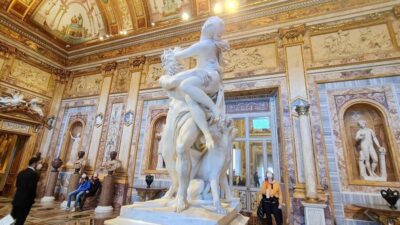
Borghese Gallery Ticket + Audioguide or Guided Tour
Read our review →
Borghese Gallery Guided Tour with Skip-the-Line Entry
Read our review →
Borghese Gallery Skip-the-Line Tickets with Audioguide
Read our review →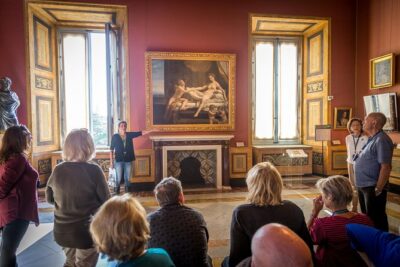
Borghese Gallery & Gardens Small Group Guided Tour
Read our review →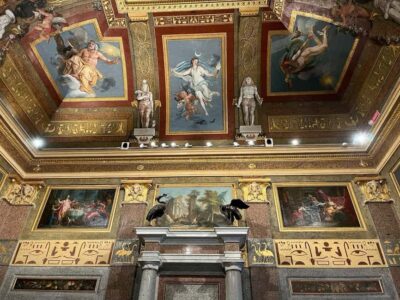
Borghese Gallery Skip the line ticket and Audioguide
Read our review →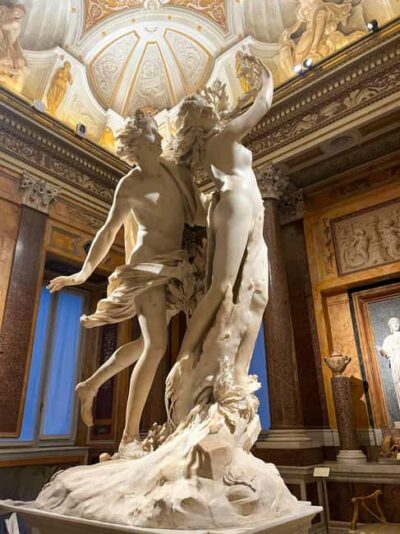
Borghese Gallery Guided Tour with Priority Tickets
Read our review →
Borghese Gallery Fast Track Access or Guided Tour
Read our review →Browse the lists this tour appears in