
Reviewed · MAJOR BASILICAS OF ROME TOURS
Basilicas, the Scala Santa, and Relics of Christ
A few steps can change your whole mood. This 2 to 2.5 hour pilgrimage-style walk brings you face to face with major Christian relic sites, with a special stop at the Scala Sancta and a gut-check moment at wood from the manger in Santa Maria Maggiore. If you like faith that’s tied to place, art, and history you can actually stand inside, this tour keeps the meaning front and center.
My two favorites are how the guide connects what you see to the events people remember, and how the group moves with an orderly pace so you can look, listen, and take in the atmosphere without rushing. One potential drawback is the schedule depends on a minimum group size, so the tour can be canceled if there are not enough people booked.
In This Review
- Key things to notice on this relic pilgrimage
- Why relics feel different when the places do the talking
- The route: how you fit major sites into 2 to 2.5 hours
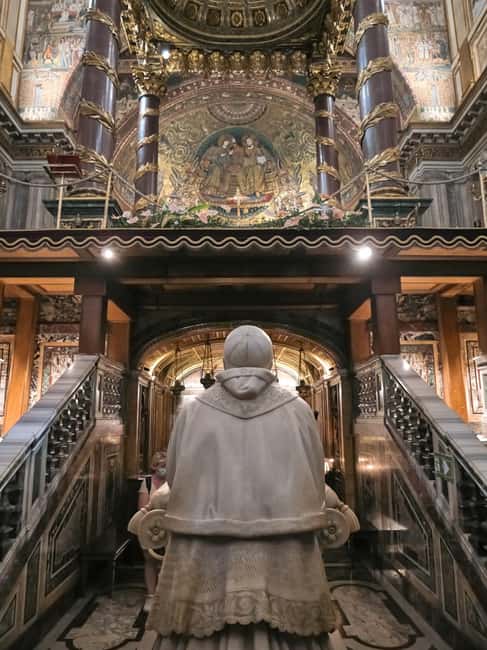
- Santa Maria Maggiore and the wood from the manger
- St. John Lateran, Rome’s cathedral, and unity in action
- Basilica of the Holy Cross in Jerusalem: Passion relics and prayer time
- Scala Sancta: the Holy Staircase and the power of ritual
- Santa Prassede: a quieter stop that keeps the theme coherent
- What makes the guides and headsets a real upgrade
- Value check: why $65 can feel fair here, or not
- Practical tips for a smooth, respectful visit
- Who this tour is best for (and who should rethink it)
- Should you book Basilicas, the Scala Santa, and Relics of Christ?
- FAQ
- How long is the tour?
- What is the price per person?
- What languages are available for the live guide?
- What is included in the tour price?
- Are food and drinks included?
- Is there an entrance fee included for paid sites?
- What should I wear or bring to the churches?
- Is the tour guaranteed to run every day?
Key things to notice on this relic pilgrimage
- Scala Sancta ritual time: you see and climb the Holy Staircase, tied to the story of Jesus before Pilate
- Big-name Roman churches, tightly packed: Santa Maria Maggiore, St. John Lateran, Holy Cross in Jerusalem, and more
- Passion relic focus: expect relic themes like the True Cross fragments and the mood of Christ’s suffering
- A guide who handles the details well: English and Portuguese narration, plus radio headphones for clarity
- Time for prayer and silence: this is not just sightseeing, it’s built for reflection
Why relics feel different when the places do the talking
A relic tour can go two ways. It can turn into a quick check-the-box list, or it can feel like you’re entering a chain of devotion that shaped Rome for centuries. This experience aims for the second option, linking the sacred objects to the churches that hold them and the Christian story those churches reinforce.
What I like is that the tour doesn’t treat relics like museum trivia. It frames them as a living part of prayer and memory, then gives you enough structure to actually understand what you’re looking at. You’ll also get a clear rhythm because the pace is planned and you’ll have radio headphones to hear the guide without strain.
The vibe is also quietly respectful. You get an explicit chance for prayer and silence, which is rare on a short city walking tour. If that matters to you, you’ll feel it right away.
Other trails between the great basilicas:
- Santa Maria Maggiore: Pope Francis Entry Ticket, Audio Guide
★ 3.9 · 688 reviews - Cloister of St John in Lateran Basilica Ticket
★ 3.9 · 399 reviews - Rome: Santa Maria Maggiore Upper Areas Skip-the-Line Ticket
★ 3.8 · 223 reviews - Pope Francis Tomb and Papal Basilicas Tour
★ 4.5 · 165 reviews
The route: how you fit major sites into 2 to 2.5 hours
The whole thing is built to be compact. You move through several key churches, with guided time carved out at major stops and shorter visits where you still get meaningful context.
In practice, here’s what the pacing tends to feel like:
- You start at Santa Maria Maggiore area and get your “big picture” setting fast.
- Then you cycle through the core Roman Christian landmarks: Lateran, Holy Cross in Jerusalem, and the Scala Sancta.
- You finish with a quieter add-on at Santa Prassede, keeping the spiritual theme consistent.
Because the stops are close enough to walk, the tour stays focused. But you should still come prepared for active time on your feet. Comfortable shoes are not optional here.
Santa Maria Maggiore and the wood from the manger
This is the emotional on-ramp of the tour. Santa Maria Maggiore is one of Rome’s major Marian and Christian sites, and the tour starts where you can connect Christmas to the idea of relics as carriers of memory. The highlight is the wood from the manger preserved there, which brings the nativity story into the present in a tangible way.
Even if you’re not traveling as a “religious history” specialist, this stop works because it’s easy to grasp. The guide explains how the relic is tied to the mystery of Jesus’ birth, so you’re not just being told what exists. You’re learning why people believed these objects mattered, and how that belief shaped devotion in Rome.
One thing I appreciate is that you get a real guided visit, not just a quick look and move on. That matters when a site is meaningful, because context is what turns a photo opportunity into an experience.
Practical note: Santa Maria Maggiore is a church environment. The tour follows the proper attire expectations for entering churches, so dress accordingly and be ready to respect dress rules.
St. John Lateran, Rome’s cathedral, and unity in action
Next comes the Archbasilica of St. John Lateran, described as the cathedral of Rome and a kind of spiritual center. The tour frames it as more than architecture. You’re visiting a symbol of Catholic unity, the place where the story of the city’s Christian identity feels especially direct.
What makes this stop valuable is the way it sets the framework for everything that follows. When you understand Lateran as a “mother church” idea, the rest of the relic sites make more sense as part of a connected tradition, not random separate locations.
Also, you get a guided visit with a solid chunk of time. That helps because Lateran’s importance is not obvious at a glance for first-time visitors. With guidance, you start noticing what you would otherwise miss.
This is a good moment to steady your pace, listen closely, and get your mental map in place. If you came to Rome chasing “must see churches,” this is where the tour shifts gears into “why these places matter.”
Basilica of the Holy Cross in Jerusalem: Passion relics and prayer time
If Santa Maria Maggiore is about birth, Holy Cross in Jerusalem is about the Passion. Here you’ll visit a basilica designed for recollection and prayer, with relics tied to events around the crucifixion.
The big ticket themes include fragments of the True Cross, and the tour also highlights instruments and symbols associated with Christ’s suffering, including a focus on the column of the Flagellation. Some guided explanations also connect the story to other relic-related details tied to the crucifixion tradition, which can make this stop feel intense and personal.
This is where the tour’s “pilgrimage” style becomes most noticeable. You don’t just walk in and out. There’s time for reflection, including a chance for prayer and silence, so the experience can land in your body, not only your brain.
I’d treat this stop like your “listen and slow down” segment. Keep your phone out of your hand unless the guide invites a specific moment. You’ll get more out of it, and the mood stays respectful.
Another shape for the same afternoon in Rome:
Scala Sancta: the Holy Staircase and the power of ritual
Then you reach the part people remember most: Scala Sancta, the Holy Staircase. This is the stop that turns a walking tour into a ritual moment.
Tradition says these steps were climbed by Jesus before his trial. You get to see and climb the sacred steps, tied directly to the story of Pontius Pilate and the judgment sequence. The tour is short here, guided for about fifteen minutes, but it’s deliberately structured. That short time is intentional because this kind of experience needs focus, not a wandering pace.
In my view, what makes Scala Sancta work is that it’s not just about knowing the story. It’s about doing something physical that mirrors devotion. Even if you don’t approach it from the same faith background as the tour framing, you can still recognize the human logic of ritual and memory.
Guides matter a lot at Scala Sancta. In one booking, the guide Juliana was praised for leading the group through the 28 steps and explaining what the tradition connects to, including relic themes associated with the Passion. Another booking highlighted Marco for precise explanations and a clear order, which is exactly the kind of guidance you want for a site like this.
Tip for your body: wear shoes that you can move carefully in, because stair moments reward steady footing.
Santa Prassede: a quieter stop that keeps the theme coherent
After the emotional peak, the tour continues with a visit to Santa Prassede. The time here is shorter, and the guide keeps the focus on Christian devotion and the meaning behind what you’re seeing.
I like this stop because it avoids the “run and gun” feeling. You’re not just sprinting between famous landmarks. Instead, you get one more church visit that extends the relic and prayer theme without turning into another major spectacle.
Since the tour duration is limited, Santa Prassede works best if you treat it as a palate cleanser. Let your mind settle a bit after Scala Sancta, then absorb this last church visit with less pressure to “extract facts” and more room to reflect.
What makes the guides and headsets a real upgrade
This isn’t a free audio guide situation. You get a specialized tour guide and radio headphones, which is a big deal when you’re standing in active church spaces where sound carries and groups can get spread out.
Language options are English and Portuguese. That matters because the relics and the symbolism can be nuance-heavy. When someone explains the “why,” you understand more than you would from a sign on the wall.
Two guide names stood out in feedback: Juliana and Marco. Both were praised for being accommodating and friendly, and for explanations that felt clear and well organized. That lines up with what you want on a tour like this, where the facts matter, but the meaning matters more.
Also, tips for the guide are not included, so plan to handle that separately if you think the guide earned it.
Value check: why $65 can feel fair here, or not
At about $65 per person for roughly 2 to 2.5 hours, this tour is priced for focused guidance, not a long day of transit and multiple neighborhoods. You’re paying for someone to connect relics, churches, and Christian story in a way that saves you from piecing it together on your own.
The included items are meaningful:
- walking tour structure
- specialized guide
- radio headphones
What’s not included is food and drinks, and entrance to any prepaid places. So if you plan to snack during the tour window, budget for that separately.
Here’s the balanced take: if you want to see a few churches quickly, self-guided can be cheaper. But if you want the relics explained in a way that supports reflection and makes the sites feel connected, this price starts to look reasonable. You also avoid the stress of timing different churches yourself within a short Rome schedule.
Practical tips for a smooth, respectful visit
Keep your preparation simple, because this tour is about sacred spaces and careful attention.
- Bring comfortable shoes, since you’ll walk and move through several church interiors.
- Dress for church rules, since proper attire is required in these settings.
- Assume you will move at a guided pace, so don’t plan tight connections right after the tour ends.
One more reality check: the tour requires a minimum of 4 people. If that threshold isn’t met, the tour can be canceled up to 24 hours before it starts. If you’re visiting Rome during a busy travel window, this is less likely to be an issue, but it’s worth having a Plan B.
No pets are allowed, so that’s not a tour for bringing a furry companion.
Who this tour is best for (and who should rethink it)
This is ideal if you’re a Christian traveler who wants relic-focused context, or if you’re a history-minded visitor who likes to understand how faith shapes Rome’s identity. The itinerary leans spiritual, with time for prayer and silence and a focus on Passion and nativity themes.
It’s also a good fit if you want “church highlights with meaning,” not just architecture shopping. The guide’s job is to connect the art, faith, and history so the stops don’t feel disconnected.
You might rethink it if you’re looking for a long, flexible sightseeing day with lots of free time. This is structured, and the visits are time-boxed. If you want to linger for photos and quiet scanning at your own pace, plan extra independent time before or after.
Should you book Basilicas, the Scala Santa, and Relics of Christ?
I’d book it if any of these are true:
- You want a focused religious sites walk with real guiding, not generic explanations.
- You care about relics and want the tradition explained in plain, guided terms.
- You like the idea of a pilgrimage style tour, including a chance for prayer and silence.
- You prefer a small group setup and appreciate radio headphones for clear audio.
I’d hesitate if:
- You’re extremely sensitive to the risk of last-minute cancellation due to minimum group size.
- You need lots of free time in each church and don’t want time-boxed guided visits.
Overall, this is one of those tours where the value is not just “what you see,” but how you’re guided to see it with meaning. If you want Rome with a faith thread running through it, this one does the job.
FAQ
How long is the tour?
The duration is about 2 to 2.5 hours.
What is the price per person?
The price is listed as $65 per person.
What languages are available for the live guide?
The live tour guide is available in English and Portuguese.
What is included in the tour price?
Included: walking tour, specialized tour guide, and radio headphones.
Are food and drinks included?
No. Food and drinks are not included.
Is there an entrance fee included for paid sites?
Entrance to prepaid places is not included.
What should I wear or bring to the churches?
Bring comfortable shoes and comfortable clothes. Proper attire for entering churches is required.
Is the tour guaranteed to run every day?
The tour requires a minimum of 4 people. If that number isn’t reached, the tour can be canceled 24 hours before it starts.
Latest additions from Rome
- Guided Tour Vatican Museums & Sistine Chapel★ 4.1 · 30 reviews
- Exclusive Rome by Night Vespa Tour★ 5.0 · 30 reviews
- Transfer Rome to Airports★ 4.5 · 30 reviews
- Vatican: St.Peter’s Basilica & Dome – Reserved Entry & Tour★ 4.1 · 30 reviews
- Rome street art tour: off the beaten path with a local guide★ 5.0 · 30 reviews
- Tivoli, Hadrians Villa and Villa d’Este, a charming day trip from Rome★ 4.5 · 30 reviews
- Rome Food Tasting with Wine Pairing Italian Authentic Flavors★ 5.0 · 31 reviews
- Inspirational Cooking on the Roman Chef’s Panoramic Terrace★ 5.0 · 30 reviews
Major Basilicas of Rome Tours, compared.
Santa Maria Maggiore: Pope Francis Entry Ticket, Audio Guide
Read our review →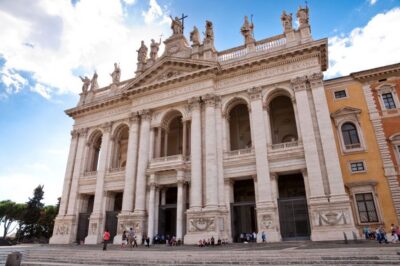
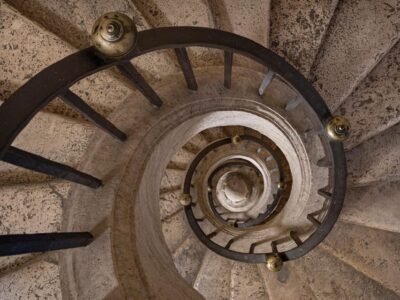
Santa Maria Maggiore Upper Areas Skip-the-Line Ticket
Read our review →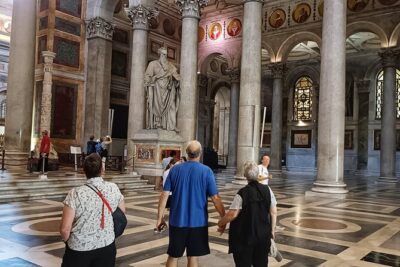
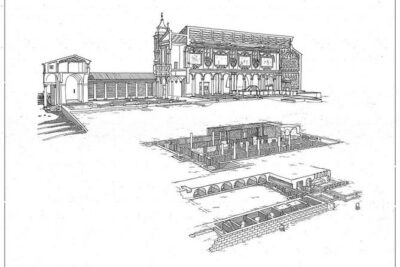
San Clemente Underground & Basilica Small Group Tour
Read our review →
San Clemente Underground and Basilica Guided Tour
Read our review →
Basilica of St John Lateran & Holy Steps 1-Hour Tour
Read our review →
Rome Catacombs Night Tour with Santa Maria Maggiore After Hours
Read our review →Browse the lists this tour appears in