
Reviewed · VATICAN MUSEUMS AND SISTINE CHAPEL TOURS
Vatican Museums and the Sistine Chapel Skip-the-Line Tour
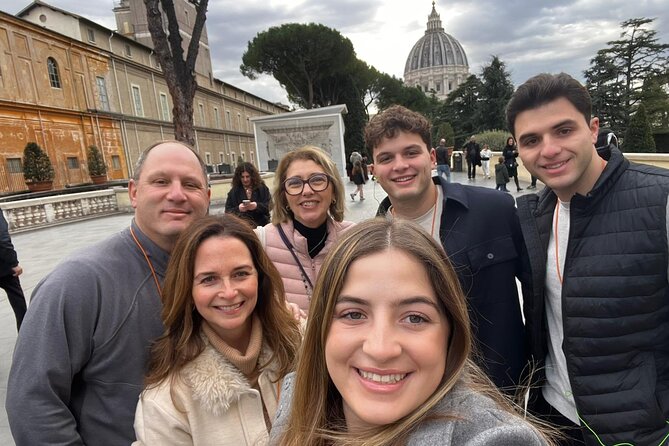
A few minutes saved in the Vatican equals hours gained. This skip-the-line Vatican Museums and Sistine Chapel tour turns the maze into a guided walk through the most famous art, from Raphael and Michelangelo to the Gallery of Maps. I especially like the fast-track entry and the fact that you get headsets for clearer explanations, even in a loud crowd. The only real drawback to plan for is that the experience is timed, so if you stop to stare a lot, you may feel slightly rushed in the biggest moments.
What makes this one work is simple: you do not spend your morning stuck in the slowest line in Rome. You start at the agreed meeting point, check in, and then move into the museums with a guide who keeps the flow moving while still leaving you enough time to look. And if you are lucky with your guide, you get that rare combo, strong stories plus a pace that helps you actually understand what you are seeing.
In This Review
- Key points to know before you go
- Why skip-the-line matters more than you think
- Meeting point, timing, and what to wear
- Fast-track entry into Vatican Museums
- Gallery of Maps: the surprise stop that pays off
- Museo Pio Clementino: classical sculpture, guided to the good parts
- Sistine Chapel: timing, silence, and how to not panic
- Heading toward St. Peter’s Basilica, if access allows
- Price and value: what you are really paying for
- Guides, pacing, and what to look for
- Logistics that actually affect your day
- Who should book this tour
- Should you book it? My practical take
- FAQ
- How long is the Vatican Museums and Sistine Chapel tour?
- Where does the tour start and when should I arrive?
- Does the tour include entry to both the Vatican Museums and the Sistine Chapel?
- Is St. Peter’s Basilica included at the end?
- What are the dress code and ID requirements?
- Is this tour accessible for people with disabilities?
Key points to know before you go
- Priority entry cuts the line stress, even if the Vatican looks calm from the outside.
- Small group size (max 20) makes it easier to stay together in crowded halls.
- Headsets included help a lot when you are standing shoulder to shoulder with strangers.
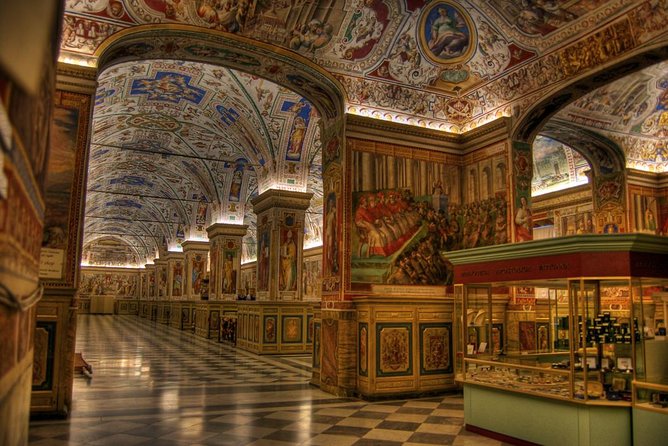
- You get the Gallery of Maps stop, a standout that often gets skipped on self-paced visits.
- You finish at the Sistine Chapel and then may continue toward St. Peter’s Basilica if access is open.
Why skip-the-line matters more than you think
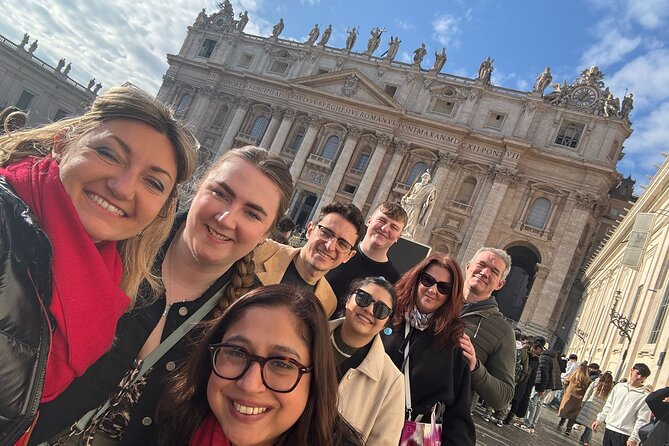
The Vatican Museums are not a quick “pop in and out” stop. They are big, busy, and packed with highlights that reward focus. Without a timed entry, you can easily burn your energy before you even reach the art. That is why I like this format: you get priority entrance so your time goes to masterpieces instead of waiting.
The other smart part is the guided highlights approach. The Vatican has tens of thousands of objects on display, and it can feel like you are walking through an encyclopedia. A guide helps you sort the signals from the noise. You learn what to notice in each room, and you avoid wandering for 45 minutes only to realize you missed the ceiling you came for.
Other routes through the Vatican Museums:
- Skip the Line: Vatican & Sistine Chapel Ticket with Audio Guide
★ 4.0 · 3,271 reviews - Vatican, Sistine Chapel & St. Peter’s Skip-the-Line Tour
★ 4.0 · 1,140 reviews - Vatican Museums & Sistine Chapel Guided Tour
★ 4.5 · 763 reviews - Rome: Sistine Chapel & St. Peter’s Basilica with Dome Climb
★ 4.4 · 559 reviews
Meeting point, timing, and what to wear
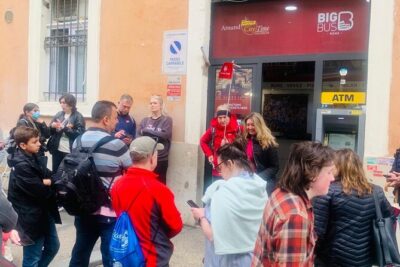
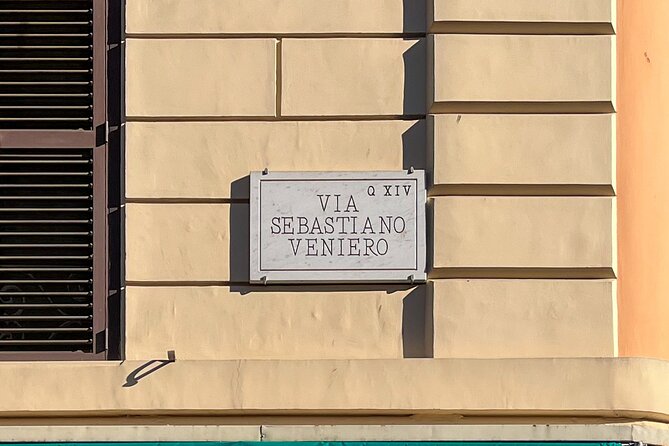
Your meeting point is Via Sebastiano Veniero, 15 (00192 Roma RM, Italy). Plan to arrive 15 minutes early, then check in at the front desk once you are inside. This matters because the group needs to be assembled before you move.
Dress code is not optional. You need knees and shoulders covered. Rome has lots of “it is hot” solutions, but the Vatican is strict, so pack a light layer if you expect to be warm. Also bring a valid ID, since it is required.
Finally, the tour calls for moderate physical fitness. Even if you are not racing, you should expect a lot of walking. Some review notes mention stairs being involved, and even with help, the museum layout is still a lot for anyone with limited mobility.
Fast-track entry into Vatican Museums
Once you check in, you enter the Vatican Museums with your pre-booked ticket. The tour is designed around saving time at the busiest choke points, and you get a choice of entrance times so you can line it up with your day.
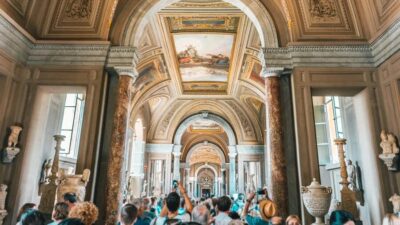
Inside, you spend about an hour on guided highlights. This is where a good guide makes the difference. You are not just looking at names and dates, you are learning what makes particular works important and how the Vatican’s art collection grew over time. You also cover Roman sculpture and Christian art, plus major Renaissance masterpieces by artists like Raphael and Michelangelo.
Here is the practical value: you do not need to know art history to enjoy this. The guide points your eyes toward details that would be easy to miss. And because you get headsets, you can follow along without craning your neck or losing the thread every time someone blocks your view.
Gallery of Maps: the surprise stop that pays off
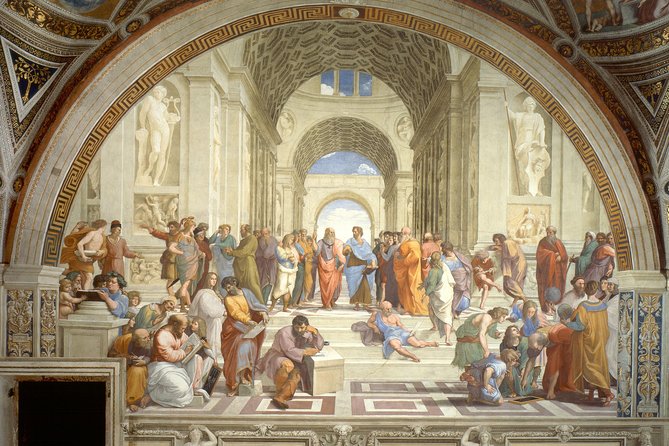
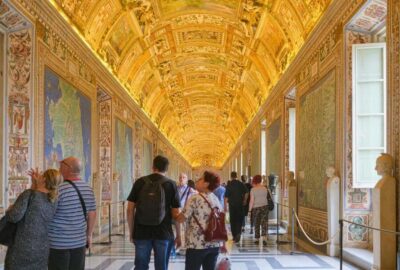
One of the best uses of a guided Vatican tour is the “people usually skip it” moments. This one includes the Gallery of Maps, where you see a commissioned series of painted topographical maps of Italy, created in 1580 under Pope Gregory XIII. The maps are based on drawings by Ignazio Danti, and the room itself is the kind of dramatic space you understand better once someone explains the idea behind it.
Even if maps are not your hobby, this stop helps you see the Vatican in a broader way. It is not only religious art. It is also politics, geography, and how power liked to portray itself. When you move through later rooms with that context, you tend to notice what the church wanted people to feel.
If you hate being herded, you might still appreciate this. The Gallery of Maps is visual and self-rewarding, so you can listen for the story and still spend time looking.
Museo Pio Clementino: classical sculpture, guided to the good parts
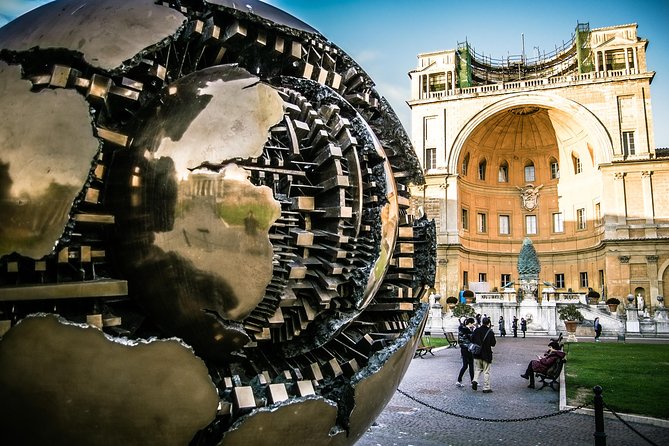
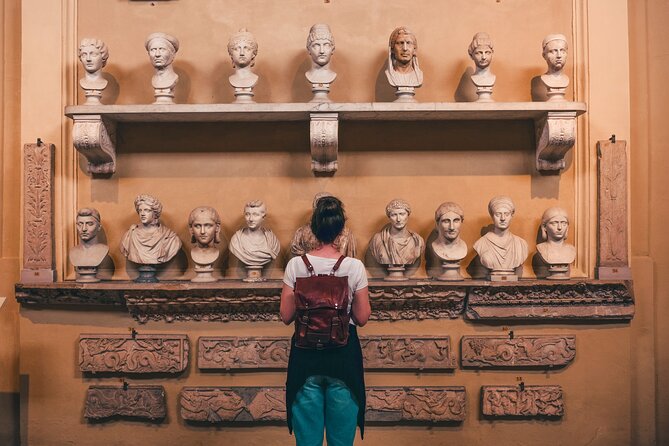
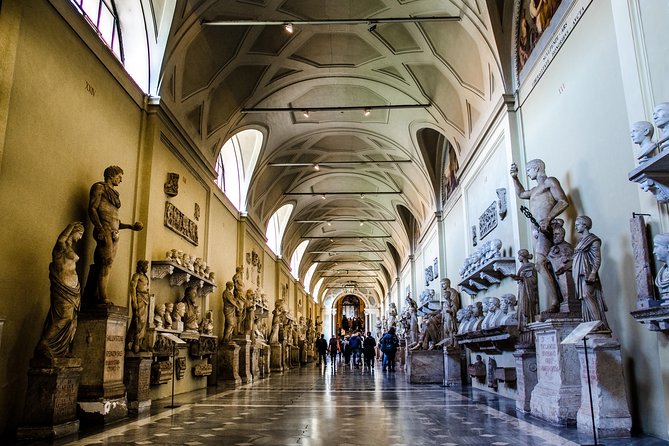
After the Maps room, you move into the Museo Pio Clementino. This museum is known for Greek and Roman sculpture, including works from major collections built up over centuries. The space came together over time, starting with Clement XIV in the late 1700s and expanding under Pius VI.
What I like about including this museum in a highlights tour is that it gives you a break from purely Renaissance painting and fresco storytelling. Sculpture changes how you see. You start noticing form, posture, and the skill of carving, especially when the guide points out what to look for.
This stop is short, about 15 minutes. That is not enough to become a sculpture scholar, but it is enough to get oriented and appreciate the scale and craftsmanship.
Other Roman collections with a shorter wait:
Sistine Chapel: timing, silence, and how to not panic
Now comes the moment everyone plans around. The Sistine Chapel is where the art is loud even when people are whispering. You focus on the frescoes that decorate the ceiling and on The Last Judgment. Michelangelo’s work is the headline, but the surrounding paintings matter too.
One important expectation: the Sistine Chapel is time-sensitive inside. The tour format keeps you moving, and that is great for getting everyone through without chaos. It can also be a downside if you want long, slow contemplation. Some people like this pace. Others felt they were pushed along too fast to take everything in.
So my advice is to prepare your priorities. Decide before you arrive what you want most:
- If you care about the ceiling, commit to it as your main viewing target.
- If you care about The Last Judgment, know it is intense and you will want a clear moment to look.
Also, you are in a crowded, rule-based space. The best strategy is to listen to your guide outside and then use that information as your “map” once you are inside.
Heading toward St. Peter’s Basilica, if access allows
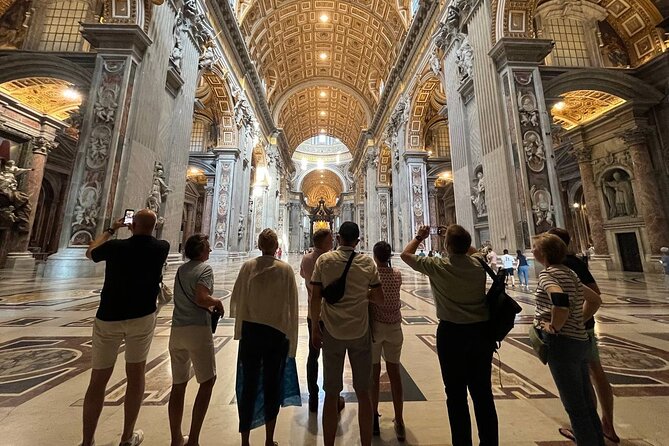
At the end of the tour, the guide may lead you toward St. Peter’s Basilica, if the passage is open. The route you hear about is the Scala Reggia passage from the museums to the basilica, and access is tied to day-of conditions. The tour also mentions a “priority access” style entry to St. Peter’s, subject to availability.
This is the part you should not treat as guaranteed. There are notes about possible last-minute closure of access during the Jubilee and that access can change. It also mentions that some tour options do not include St. Peter’s Basilica access, particularly the English Evening Group Tour option.
Even so, when it works, finishing at St. Peter’s is a practical win. You skip another major waiting line, and your Vatican day ends with the big payoff in the basilica.
One more heads-up that affects planning: there are exclusions related to Wednesday morning tours due to the Pope’s audience and access around St. Peter’s Square. If you are traveling around that schedule, it is smart to double-check which day and time you are booking.
Price and value: what you are really paying for
At $84.47 per person for roughly 2 to 3 hours, the price looks steep only if you imagine it as “just a ticket with a guide.” What makes it worth the money is that you are buying three things that are hard to do alone:
First, you are buying time. The skip-the-line part matters because the Vatican lines can eat your morning. Second, you are buying a structured path through the museums so you are not wasting energy on random wandering. Third, you are buying headsets, which is a small item with a big payoff in comfort.
This is also a good deal style-wise because the group size is capped at 20. A bigger group would make the experience feel more like a crowd march. A smaller group tends to keep you together, helps with photo stops, and makes it easier for the guide to manage pacing.
If you have never been to the Vatican, I think you will feel the value immediately. If you have been before and you just want certain rooms, you might want a shorter, more targeted option. But for most first-timers, this balance is the sweet spot.
Guides, pacing, and what to look for
One of the strongest signals from people is that the guide matters a lot. Names like Rita, Berna, Berta, Roberto, Francesca, Marcelo, and Maura show up as standout guides in different ways.
Two patterns show why these tours feel great when they go well:
- Guides tend to explain meaning and context, not just list artworks.
- Good guides keep a steady flow while still making room for questions, photos, and accessibility needs when possible.
That said, pacing is also where some tours fall short. A “highly packed highlights” route can feel rushed if your brain wants to linger on details. If you hate being moved along, choose your viewing style carefully. Listen closely outside the Sistine Chapel so you know what you are hunting inside, and then spend your energy on what you really care about.
Logistics that actually affect your day
Here are the bits that can make or break your experience, based on what the tour setup suggests:
- Arrive on time. The meeting point is specific, and you check in at the front desk. Late arrivals can ripple into everything else.
- Bring a plan for crowds. You are walking through narrow spaces with lots of people. Wearing comfortable shoes is non-negotiable.
- Use your headsets right. If the device feels off, adjust it early. The whole point is to keep the guide’s voice clear while you walk.
- Expect walking and stairs. Even with shortcuts when possible, the Vatican is not flat and not light walking.
One more note worth reading: the Vatican Museums regulations say people with disabilities cannot be accommodated on this tour. That is important, so if mobility or assistive needs are a concern, you should look for a different option.
Who should book this tour
This tour is a good fit if:
- You want the top highlights without spending your day navigating a giant museum map.
- You like learning what you are seeing and want a guide to help you make sense of Raphael, Michelangelo, and the Vatican’s collection.
- You want a smooth path that might end with St. Peter’s Basilica access, if conditions allow.
It may not be the best fit if:
- You need a slow, open-ended pace in each room.
- You have significant mobility limitations and are counting on elevator access or fully step-free movement.
- You want a self-guided experience with total freedom to linger.
If you are not religious and you still want art and stories, a guide can make the visit feel more secular and human, focusing on history and artists rather than ritual.
Should you book it? My practical take
Yes, I think this is worth booking for most first-timers. You pay for convenience, and convenience here is not fluff. It protects your limited sightseeing time in a place where waiting can be brutal.
Book it if you want a confident route, clear commentary, and a good shot at seeing St. Peter’s Basilica at the end when the passage is open. Skip it only if you already know the Vatican well, you want total freedom to linger, or you have mobility needs that do not match the tour’s stated limitations.
If you do book, do two things: dress correctly on arrival, and set a couple of priorities before you reach the Sistine Chapel. You will get more out of your time, and you will enjoy the art instead of chasing it.
FAQ
How long is the Vatican Museums and Sistine Chapel tour?
The tour runs about 2 to 3 hours, with guided time in the Vatican Museums and short stops including the Gallery of Maps and Museo Pio Clementino, then finishing in the Sistine Chapel.
Where does the tour start and when should I arrive?
The meeting point is Via Sebastiano Veniero, 15, 00192 Roma RM, Italy. You should arrive about 15 minutes early and check in with the front desk inside the meeting point.
Does the tour include entry to both the Vatican Museums and the Sistine Chapel?
Yes. The tour includes skip-the-line entrance of the Vatican Museums and the Sistine Chapel, and the admissions for the stops are included.
Is St. Peter’s Basilica included at the end?
It may be. The guide can lead the group to St. Peter’s Basilica if the passage from the Museums to the Basilica is open. Priority access is described as subject to availability, and St. Peter’s Basilica access is excluded from the English Evening Group Tour option.
What are the dress code and ID requirements?
You must cover knees and shoulders. You are also required to carry a valid identity document.
Is this tour accessible for people with disabilities?
The tour notes that Vatican Museums regulations do not allow accommodation for persons with disabilities on this tour.
Latest additions from Vatican City
- Skip-the-Line Entry Tickets: Vatican Museum & Sistine Chapel★ 4.5 · 30 reviews
- Entrance to Vatican Museums and Sistine Chapel★ 3.5 · 32 reviews
- Vatican SKIP THE LINE Tickets★ 3.5 · 34 reviews
- Private Vatican Museums, Sistine Chapel Tour fast track entrance.★ 5.0 · 36 reviews
- Vatican VIP Experience★ 3.5 · 38 reviews
- Vatican and Sistine Chapel SemiPrivate Tour with St.Peter’s Entry★ 4.5 · 39 reviews
- St Peter’s Basilica and Cupola guided tour★ 4.5 · 40 reviews
- Rome: Vatican Museum and Sistine Chapel Reserved Entry★ 4.5 · 41 reviews
Vatican Museums and Sistine Chapel Tours, compared.
Vatican Museums, Sistine Chapel & St. Peter’s Basilica Tour
Read our review →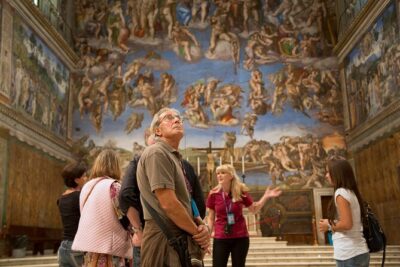
Vatican Museums, Sistine Chapel & St Peter’s Basilica Guided Tour
Read our review →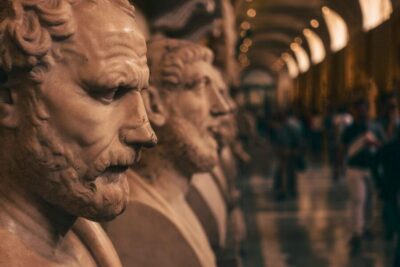
Vatican Museums, Sistine Chapel and Basilica Tour
Read our review →
Vatican Museums & Sistine Chapel Skip-the-Line Entry Ticket
Read our review →
Vatican Museums, Sistine Chapel & Basilica Tour
Read our review →
Skip-the-Line Group Tour of the Vatican, Sistine Chapel & St. Peter’s Basilica
Read our review →
Vatican Museums & Sistine Chapel Skip-The-Line Ticket
Read our review →Browse the lists this tour appears in