Reviewed · PRIVATE TOURS IN ROME
Rome: Private Custom Tour with a Local – Icons & Gems
Rome is the kind of city that needs a smart filter. This private custom walking tour is built around your interests, so you see the obvious stuff and still get time for the streets locals actually talk about. I especially like the custom itinerary planning and the way the host keeps the day moving with real conversations and practical recommendations.
One key consideration: it’s a walking experience, and attraction tickets plus food and drinks are not included, so you’ll want to budget a bit and plan comfortable shoes.
In This Review
- Key highlights worth planning for
- How the custom Rome walk stays personal
- Meeting in central Rome, and why it sets the tone
- From postcard sights to quiet piazzas
- Colosseum and Pantheon time without rushing your brain
- Churches, food talk, and pizza al taglio on your terms
- Hidden routes for people who hate tourist lines
- Markets, artisan areas, and learning the everyday city
- The underground ruins question, and how hosts handle it
- Timing and pace across 2 to 6 hours
- What you’re really paying for: value at $74 per person
- What the best guides do differently
- Who should book this tour, and who might not
- Quick booking checklist before you choose a start time
- Should you book Rome: Private Custom Tour with a Local?
- FAQ
- What is included in the private custom walking tour?
- Are food, drinks, and attraction tickets included?
- How long is the tour, and can I choose a start time?
- Where will the host meet me in Rome?
- What languages does the guide speak?
- Is the tour wheelchair accessible, and what about cancellation?
Key highlights worth planning for
- Questionnaire-based itinerary that targets what you care about most, from ancient sites to food and quieter streets
- Flexible pacing for 2 to 6 hours, so you can slow down for churches or speed up for big landmarks
- Private guide, direct communication, meaning you can ask questions and adjust in real time
- Iconic sights plus lesser-known corners, including piazzas, artisan areas, and lively markets
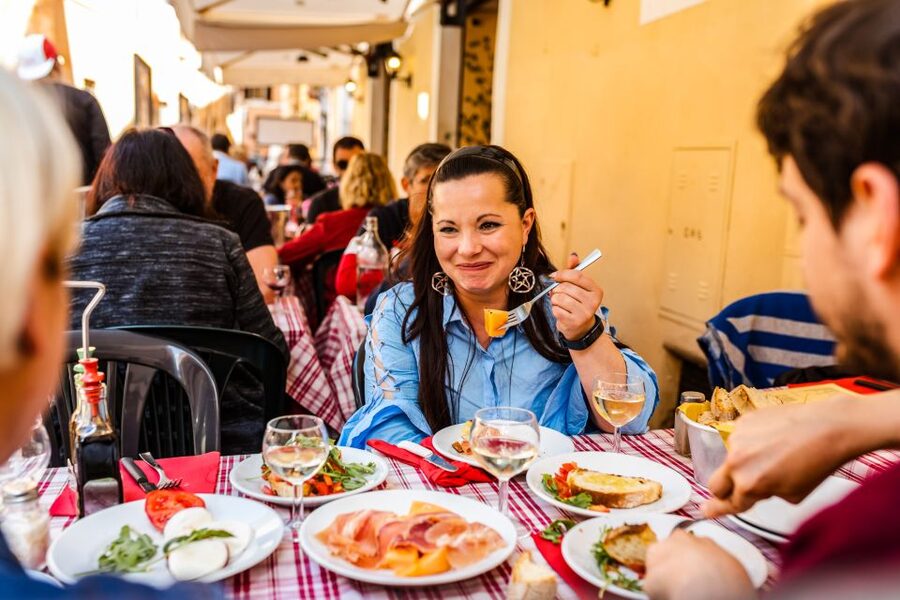
- Food stops that can include pizza al taglio, depending on your tastes and how the day unfolds
- Local expertise with strong communication, including guides like Nadia, Vania, Alex, Andreea, Alessandro, and LuLubella
How the custom Rome walk stays personal
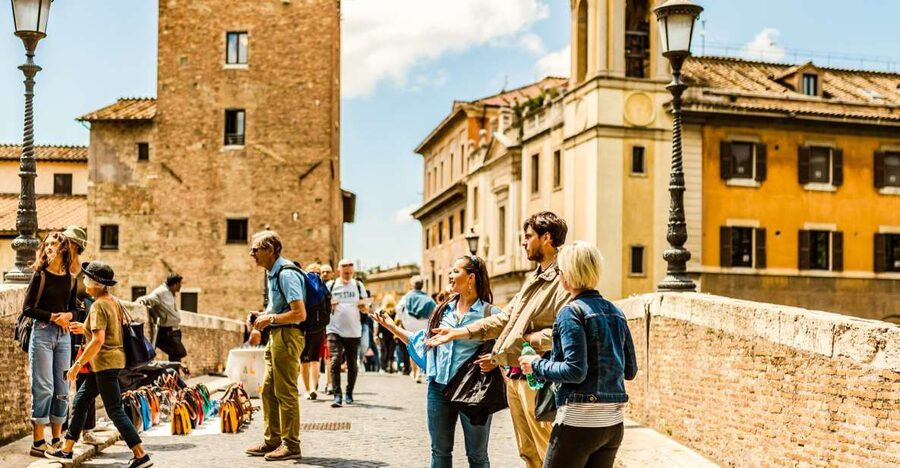
The best part of this tour is the setup. After you book, you fill out a questionnaire about your interests and even your personality style. Then you’re paired with a host who can shape a route that fits how you like to travel, not just a one-size itinerary.
I like that this isn’t just “custom” in name. The host contacts you directly to build the plan, which gives you a chance to request things up front, like more time for churches, more street life, or a focus on specific ancient areas. If you prefer quiet streets, you can ask for that, and you can also request a mix that includes both major highlights and calmer side neighborhoods.
The day is designed to feel flexible. A host can change direction based on what you’re asking in the moment, what the light looks like, or how quickly a group can pass a crowded area. That spontaneity matters in Rome, where even the “perfect route” can get swarmed by busloads.
More Private Tours in Rome
- Rome by Golf Cart Private Tour: Beyond the Landmarks
★ 5.0 · 4,361 reviews - Early Morning Vatican, Sistine, St. Peter’s Semi or Private Tour
★ 5.0 · 3,779 reviews - Rome on a Golf Cart Semi-Private Tour Max 6 with Private Option
★ 5.0 · 2,502 reviews - Rome Private Arrival Transfer: Fiumicino Airport to Hotel in Rome
★ 4.5 · 2,492 reviews
Meeting in central Rome, and why it sets the tone
Pickup is simple and built for convenience. You meet the host at a location of your choice within central Rome, and if you’re staying in central Rome, the host can meet you at your accommodation. That reduces the usual stress of hunting down a guide by your own time, especially if you’re arriving from the airport or switching hotels.
It also helps the tour feel like it starts at your pace. Instead of beginning with logistics, you begin with a conversation. This is where you can quickly clarify what you care about most, what you want to avoid, and how much walking you’re comfortable with during your selected time window.
Because it’s a private group, the start matters more than you’d think. In a shared tour, your pace is locked to other people’s interests. Here, you’re more likely to get a route that reflects your priorities from the first turn.
From postcard sights to quiet piazzas
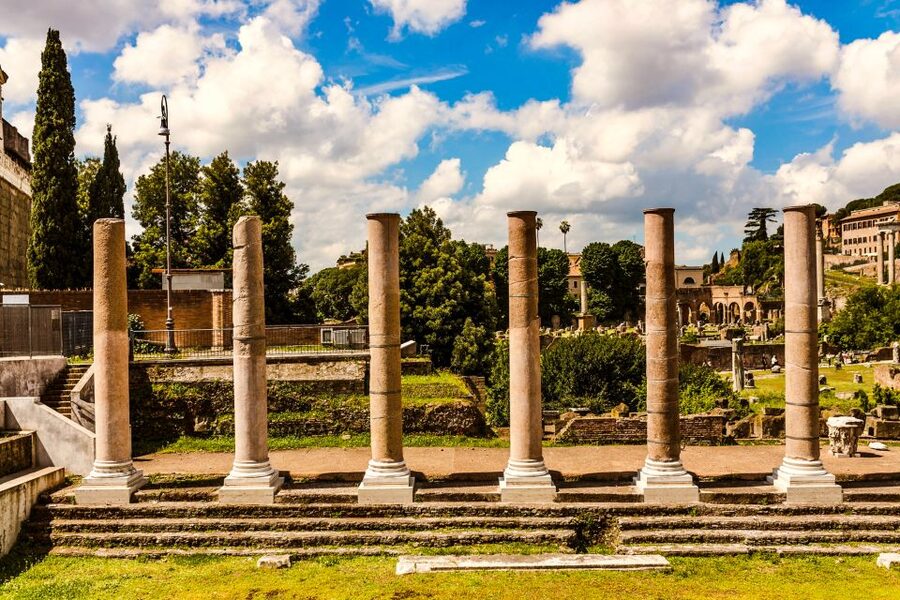
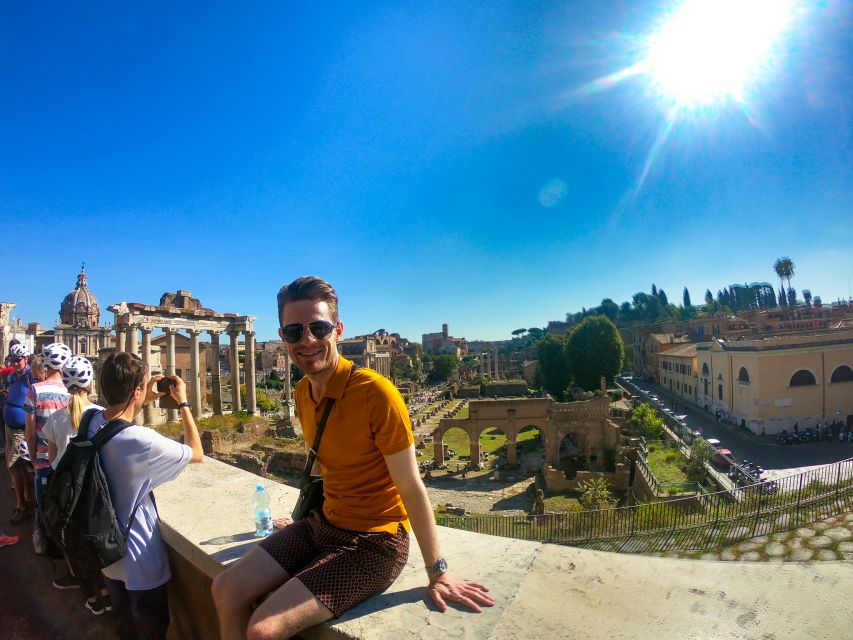
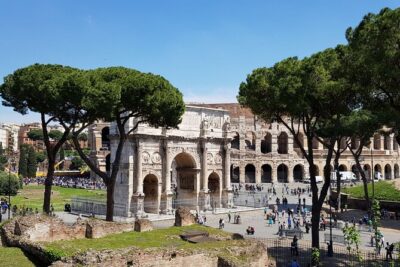
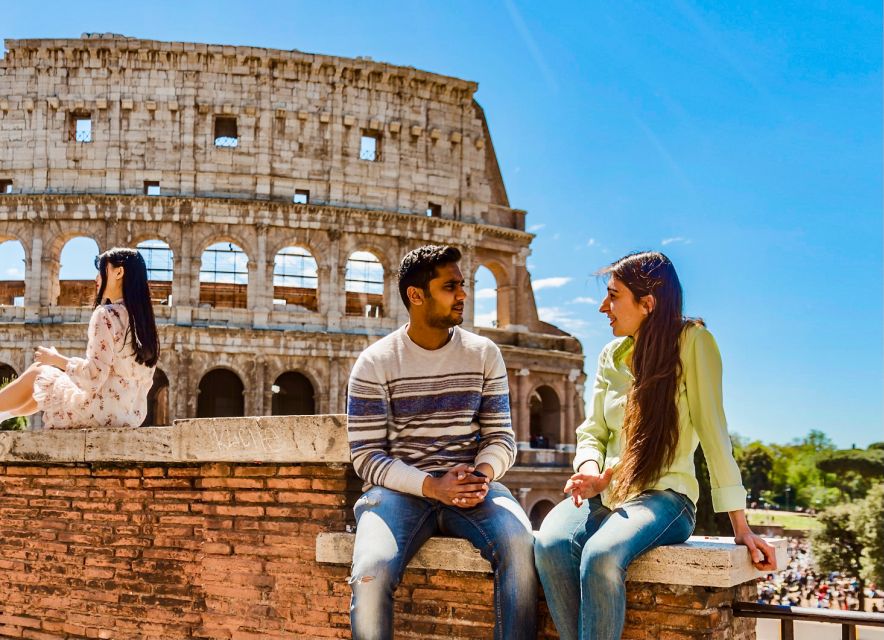
This tour typically moves through a blend of big-name monuments and lesser-visited streets. You’ll pass major icons like the Colosseum and the Pantheon, but the point is not to treat them like checkmarks. The host can slow down for the story you’re actually interested in, then pivot to smaller spaces where you can breathe and look longer.
I think this is the difference between sightseeing and actually understanding a city. When your guide connects the famous landmark to what’s around it, Rome starts to feel like a living layout instead of a pile of ruins. You’ll also get time for tucked-away piazzas and side streets where locals linger, which is often where the photos stop looking like tourist postcards.
The host can also steer you toward artisan workshops and lively markets, depending on what’s on your list. That matters because Rome’s best details are the small ones, like the rhythm of a neighborhood block or the kind of shops that exist because people live there, not because buses pull up.
Colosseum and Pantheon time without rushing your brain

You should expect time around the Colosseum and the Pantheon area, since these are core stops. What varies is how the host times them inside your 2 to 6 hour window. That flexibility is useful because these sites can get crowded fast, and you don’t want a tour day to feel like a timed sprint.
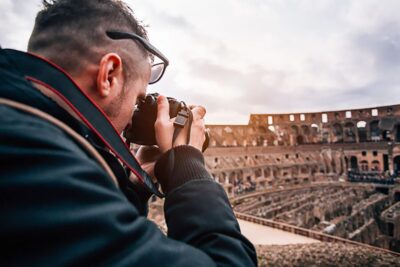
A good host will help you “read” what you’re seeing. The Colosseum isn’t just impressive because it’s large, it’s impressive because it shows how Roman design handled crowds, performance, and engineering. The Pantheon isn’t just a pretty dome, it’s a masterclass in materials and geometry, and the surrounding space helps you understand how people used it over time.
One pattern I like from the tour style is the mix: icon first, then context. Guides such as Alessandro have been praised for helping avoid some of the biggest crowds, which is a real advantage if you’re sensitive to noise and congestion. It’s not about avoiding the sites entirely, it’s about managing the experience so you don’t lose the day to bottlenecks.
Churches, food talk, and pizza al taglio on your terms
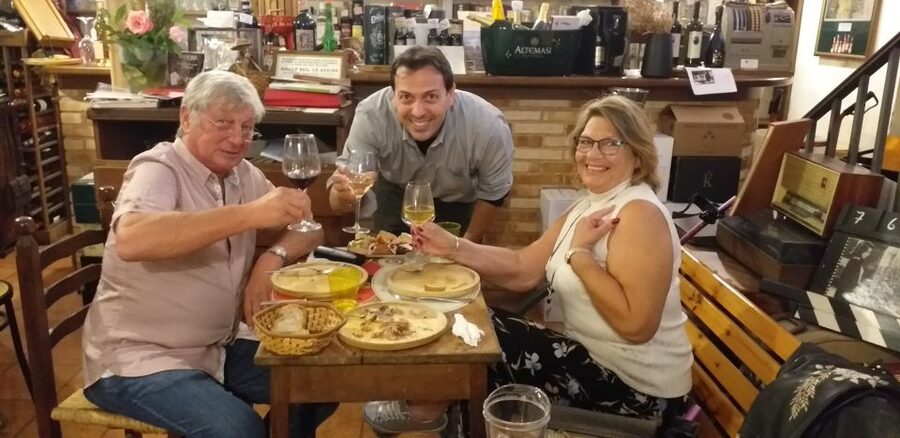
If you like churches and food, this is a strong match. The tour can blend churches, well-known landmarks, and local food choices so the day feels human, not like a lecture. One guide, Vania, was noted for pairing churches with tourist sights and local food delicacies, and that mix is exactly what makes a short walking tour feel worth it.
Food is not included, but that can be a plus. It means your host can recommend what fits your tastes and budget rather than forcing fixed stops. You might want pizza al taglio, and the tour description specifically points to tasting that style of pizza. If that’s your goal, ask early, then decide on the timing during the day so you’re not eating on the run.
I also like that the host doesn’t just hand you restaurant names. They can give practical guidance on what to try and where it makes sense in your route. In Rome, the best meal is often the one that fits your walking plan, not the one that’s far away but “highly rated.”
Also, don’t worry if you have dietary restrictions. The host will tailor the experience, and the private format makes it easier to ask questions directly.
Another shape for the same afternoon in Rome:

Hidden routes for people who hate tourist lines
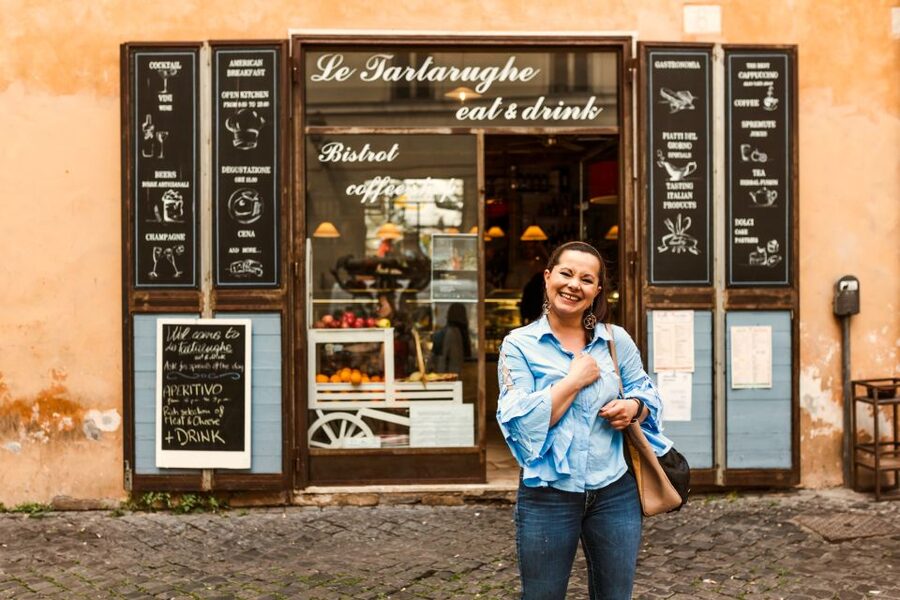
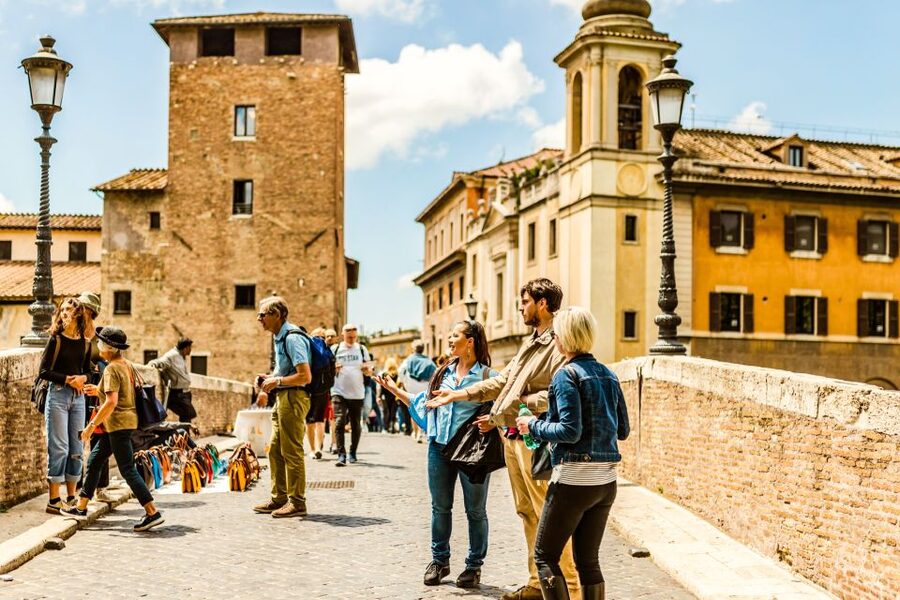
The tour is built for people who want Rome beyond the loudest paths. You’ll walk past major sights, but you should also expect detours into tucked-away piazzas and smaller streets that few visitors see. This is where you can get that “oh, this is what it feels like to live here” moment.
A guide like Nadia was praised for being laid back and giving out-of-the-way places, including spots with fewer crowds. Alex was also noted for a mix of sights and history in a compact 4-hour format, which shows the tour can work even when you have limited time.
In practical terms, this approach helps you avoid the classic Rome trap: spending your entire day threading through a single crowd corridor and then wondering why you still feel like you didn’t connect to the city. When your route includes small side streets, you get variety in architecture, sounds, and pacing.
Markets, artisan areas, and learning the everyday city
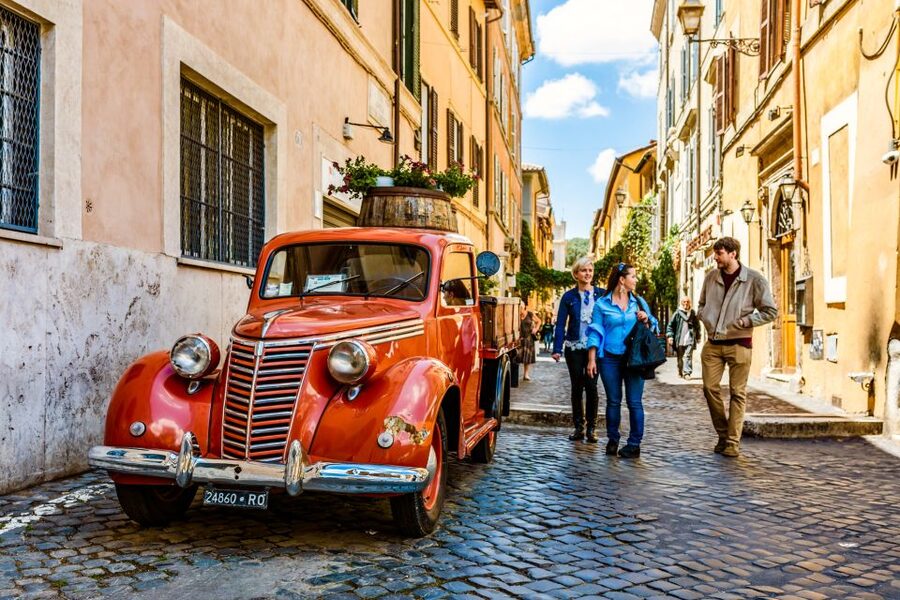
Rome isn’t only big monuments. It’s daily life: shops, local routines, and neighborhoods that don’t revolve around visitor schedules. This tour description points toward artisan workshops and lively markets, and that fits perfectly with the “local host” promise.
Even if you don’t plan to buy much, markets teach you how locals shop and what goods matter. Artisan areas help you notice craftsmanship you’d otherwise ignore, like the type of materials used in small-scale production. These details are the stuff you remember long after the photos.
And because the tour is private, you can control how long you linger. If you want to browse, you can. If you’d rather keep moving, you can. That flexibility is harder to get in group tours where everyone’s tempo is averaged out.
The underground ruins question, and how hosts handle it
If you’re curious about underground ruins, this tour style is designed to respond. The information you provided says your host can adapt if you want underground elements. That means your guide can factor in your interest level and adjust the itinerary based on what’s practical for your time window.
One thing to understand: the tour includes walking and guide guidance, but attraction tickets are not included. So if an underground site requires tickets, you’ll likely handle that separately. The upside is that you’re not locked into one “standard” underground stop. Your host can decide whether it fits your day.
This is also why the pre-tour consultation matters. If underground ruins are your priority, mention it clearly so the host can build around it instead of trying to tack it on at the end.
Timing and pace across 2 to 6 hours
The tour can run from 2 to 6 hours, and that range changes how you experience Rome. In 2 hours, you want an efficient route: a strong intro to the big icons plus a couple of side streets for contrast. In 4 hours, you can usually get a fuller blend of monuments, churches, and a more satisfying food moment.
In 5 to 6 hours, you can slow down. You can take time for smaller piazzas, stop to talk, and adjust around how your feet feel. This is when spontaneous detours really pay off, because you have the buffer to follow the host’s suggestions without feeling like you’re falling behind.
The private format makes the pacing feel more natural. Reviews also highlight hosts who listened closely and tailored the day, like Andreea being easy to communicate with and able to answer questions freely during the tour. That matters because a relaxed pace is not just about walking speed, it’s about how long you get to ask “why” as well as “what.”
What you’re really paying for: value at $74 per person
At $74 per person, you’re paying for a few things that matter in Rome: a dedicated guide, route tailoring, and time saved by avoiding mismatched pacing. Because the tour is private, the value depends on how much you benefit from personalization.
If you’re the type who likes to ask questions and steer the day toward your interests, this pricing can feel fair fast. You’re not paying to sit behind someone else’s plan. You’re paying to have the day shaped around what you care about, whether that’s history, art, church interiors, or local food styles like pizza al taglio.
You do need to budget for what’s not included: food, drinks, and attraction tickets. The tour can also include public transport or taxis between sites, and those costs can add up depending on your route. The walking nature helps keep transport minimal, but you should still expect a little extra spending if your day requires movement between areas.
The good news is that your host can recommend what’s worth paying for separately and what can be enjoyed just by walking and looking. That can help you avoid wasting money on tickets you don’t really need.
What the best guides do differently
The praise for this experience isn’t just about warmth. It’s about communication, listening, and practical tailoring.
LuLubella was noted for friendliness. Nadia was praised for being laid back and knowledgeable in a way that matched what people asked for, including out-of-the-way places. Vania was highlighted for strong communication ahead of time and for tailoring the mix to requests, with churches plus local food delicacies. Alex earned praise for covering a lot in 4 hours and for competence in English. Andreea was praised for having good English and for being open to questions. Alessandro was praised for tailoring and for helping avoid massive crowds.
Even if you don’t care about personalities, this matters. A great host helps you feel like Rome makes sense while you’re walking, not after you get home and read about it later.
Who should book this tour, and who might not
I’d strongly consider this for you if:
- You want a private, personalized walking plan instead of a rigid group schedule
- You care about both iconic sights and smaller streets
- You like food recommendations and want to ask for specific styles like pizza al taglio
- You don’t want the day ruined by crowds and want your route managed smartly
You might hesitate if:
- You’re hoping for tickets and meals to be fully included, because those are not included
- You have limited walking tolerance, since it’s a walking tour (it is wheelchair accessible, but you should still consider your own comfort with sustained walking)
Quick booking checklist before you choose a start time
You’ll get the best results if you show up with a few clear preferences. Think about your top two priorities: for example, ancient sites plus churches, or iconic landmarks plus markets, or food focus plus a quieter route.
Also decide how intense you want the day to be. If you want lots of stops, choose a longer duration. If you want just the essentials with a couple of side streets, choose the shorter option.
Finally, be ready to pay for what isn’t included. If you plan to visit ticketed attractions, set that money aside so the tour can stay smooth.
Should you book Rome: Private Custom Tour with a Local?
If you value personalization, this is one of the better ways to do Rome on foot. For $74 per person, you’re buying time with a host who can adapt on the fly, steer you toward the right mix of icons and smaller streets, and help you avoid the classic “only the loud parts” experience.
Book it if you want Rome to feel personal, not generic. Skip it if you want a fully packaged day with tickets and meals handled for you. Either way, this is the type of tour where your questions shape the route, and that is exactly how Rome becomes memorable.
FAQ
What is included in the private custom walking tour?
You get a private, personalized walking tour led by a passionate local host, plus insider tips and tailored recommendations for the rest of your stay. The host also uses a pre-tour questionnaire to customize the itinerary and you can communicate directly with them for personalized planning.
Are food, drinks, and attraction tickets included?
No. Food, drinks, and tickets to any attractions are not included. Public transport or local taxis may be used between sites, and those costs are not included either.
How long is the tour, and can I choose a start time?
The tour duration is listed as 2 to 6 hours. You can check availability to see starting times, and the itinerary can be adapted to fit your selected time window.
Where will the host meet me in Rome?
Pickup is included in central Rome. You’ll be met at a location of your choice, and after booking the host confirms the meeting spot. If you’re staying in central Rome, the host can also meet you at your accommodation.
What languages does the guide speak?
The tour guide is available in English and Italian.
Is the tour wheelchair accessible, and what about cancellation?
The tour is wheelchair accessible. It also offers free cancellation up to 24 hours in advance for a full refund, and you can reserve now and pay later to keep plans flexible.
Latest additions from Rome
- Rome: Angels and Demons Private Tour with Transfers★ 5.0 · 8 reviews
- Vatican City: St. Peter’s Basilica and Papal Tombs Guided Tour★ 4.0 · 8 reviews
- Vatican City: Museums & Sistine Chapel Tour with St. Peter’s★ 3.1 · 8 reviews
- Colosseum, Palatine and Forum tour with virtual guide★ 5.0 · 8 reviews
- Sistine Chapel @ its best! First time slot Vatican Museums access★ 5.0 · 8 reviews
- Private Vatican In Depth 5-Hour Tour – Skip The Line★ 4.5 · 8 reviews
- Vespa Rental in Rome★ 4.0 · 8 reviews
- VIP Yacht Escape from Rome to Naples Island Gems Ischia & Procida★ 5.0 · 8 reviews
Private Tours in Rome, compared.
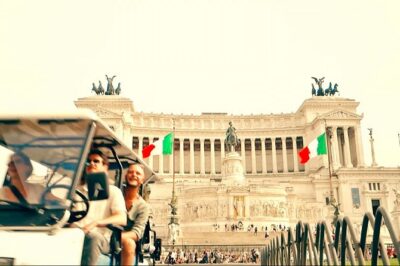
Rome by Golf Cart Private Tour: Beyond the Landmarks
Read our review →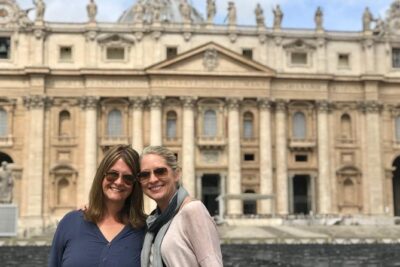
Early Morning Vatican, Sistine, St. Peter’s Semi or Private Tour
Read our review →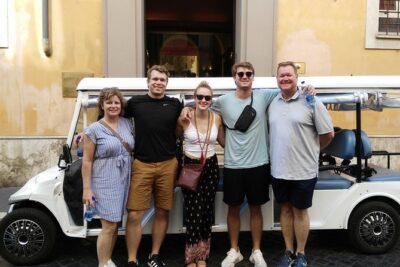
Rome on a Golf Cart Semi-Private Tour Max 6 with Private Option
Read our review →
Rome Private Arrival Transfer: Fiumicino Airport to Hotel in Rome
Read our review →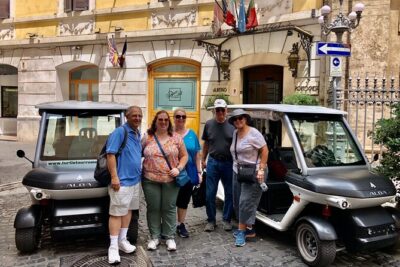
Rome Highlights by Golf Cart Private Tour
Read our review →
Private Vatican Highlights Guided Tour with Sistine Chapel
Read our review →
Private Vatican Museums and St. Peter’s Basilica Early Bird Tour
Read our review →