
Reviewed · PANTHEON TICKETS AND GUIDED TOURS
Rome City, Pantheon, and Trevi Fountain Walking Tour
Rome makes more sense on foot. This 2-hour walk strings together Rome’s big hitters and a few quieter stops, with a max group size of 15 so your guide can actually answer questions. You get to see the city’s timeline too, from ancient viewpoints to Baroque church tricks, without feeling like you’re stuck in a museum line.
What I like most is how the tour gets you oriented fast, then keeps you moving at a human pace. It also pays attention to the details that usually go unnoticed, and guides such as Domenica, Anna, Dan, Sharon, and Sila are often highlighted for clear explanations and a fun tone. One thing to consider: this is a walking tour, and it is not recommended if you have foot injuries, so plan accordingly.
In This Review
- Key points to know before you go
- Why this Rome walk is an easy, high-impact intro
- Small-group energy: up to 15 people, not a herd
- Meeting at Piazza d’Aracoeli and ending at Piazza Navona
- Piazza Venezia and the ancient-to-modern viewpoint story
- Galleria Sciarra: the Art Nouveau pause people often miss
- Trevi Fountain: the story behind the main event
- Sant’Ignazio di Loyola: the Baroque church trick that fools your eye
- The Pantheon: what to expect when you’re not paying for entry
- Piazza Navona wrap-up: fountains, church, and a dinner launchpad
- Value check: $24.20, plus what you must handle yourself
- Who should book this tour, and who should pass
- FAQ
- FAQ
- How long is the Rome City, Pantheon, and Trevi Fountain walking tour?
- What is the maximum group size?
- What is included in the $24.20 price?
- Is Pantheon admission included?
- Where does the tour start and end?
- What ticket format do I use?
- Is the tour recommended if I have foot injuries?
- What is the cancellation policy?
- Should you book this Rome City, Pantheon, and Trevi Fountain Walking Tour?
Key points to know before you go
- Max 15 people for a small-group feel and easier listening.
- Morning or afternoon departures, so you can match it to your arrival day.
- Galleria Sciarra is a great breather, with Art Nouveau frescoes and paintings in a 19th-century passage.
- Trevi Fountain is framed for nighttime lighting, so it’s more than just a photo stop.
- Pantheon entry is not included, so you should expect to handle access separately.
- The tour ends at Piazza Navona, right where dinner spots and bars are plentiful.
Why this Rome walk is an easy, high-impact intro
Rome can feel like a lot on day one. Between crowds, traffic noise, and monuments that all look important, it helps to start with a route that makes the city legible. This walk does that by linking a few central anchors, then adding stops that make Rome feel layered instead of one long list of sights.
You also get a practical mix. The trip includes major landmarks like Trevi Fountain and the Pantheon, but it doesn’t only point at the obvious. Stops such as Galleria Sciarra and the Baroque Chiesa di Sant’Ignazio di Loyola add texture, so your brain has something to hold onto besides just big names.
And because it runs about 2 hours, it fits well whether you’re on your first full day or using your arrival day to get your bearings.
More Walking Tours in Rome
- Rome: Guided Food Walking Tour with Wine in Trastevere
★ 4.9 · 3,105 reviews - Rome: Trastevere & Campo de Fiori Street Food Walking Tour
★ 4.9 · 2,768 reviews - Rome: Paranormal Night Walking Tour & Secret Backstreets
★ 4.9 · 1,921 reviews - Rome: Trastevere Street Food Walking Tour with Local Expert
★ 4.8 · 1,784 reviews
Small-group energy: up to 15 people, not a herd
The 15-traveler cap changes the whole feel. In a smaller group, your guide can slow down when people ask questions, and you’re less likely to spend the whole walk trying to see around shoulders. Even better, you can actually hear the explanation without shouting over a thousand tourists.
From the guide feedback, names such as Anna, Dan, Sharon, and Domenica come up often for their personable delivery. That matters, because Rome’s best stories are never just dates. They’re about design choices, symbols, and why a place looks the way it does now.
This also means the pace tends to be more conversational. Some walking is still involved, but you’re not being rushed through stops like you’re in a conveyor belt. Expect an efficient route with short, focused stops rather than long museum marathons.
Meeting at Piazza d’Aracoeli and ending at Piazza Navona
You start near Piazza d’Aracoeli, at Via di S. Venanzio, 8, 00186 Roma RM, Italy. That puts you close to central Rome, and it’s convenient if you’re already exploring that area on arrival day. The tour ends at Piazza Navona, which is handy because it naturally sets you up for dinner nearby.
You’ll receive confirmation at booking time, and the tour uses a mobile ticket, which is convenient if you don’t want to hunt for printed vouchers. It’s also near public transportation, so you can fit it into your day without a complicated plan.
If you’re the type who hates searching around plazas, do give yourself a few extra minutes to get oriented at the start point. A couple of people have had trouble finding the meeting area, and Rome streets can be a puzzle even when you’re looking right at the map.
Piazza Venezia and the ancient-to-modern viewpoint story
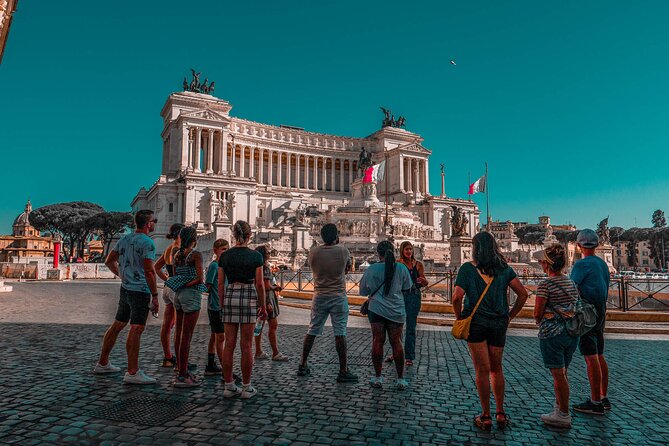
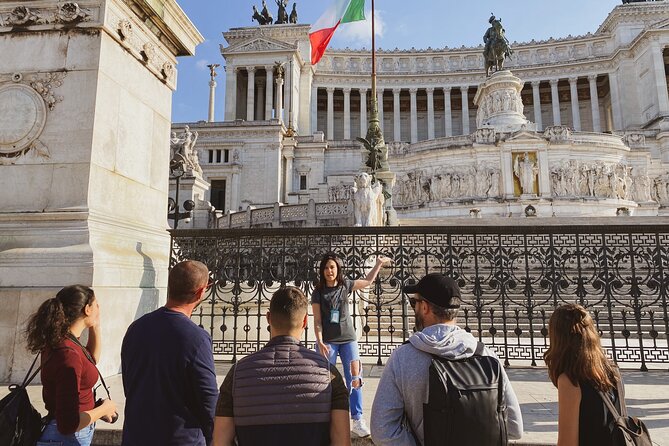
Your first stop sets the stage in a big way. You’ll be in the Piazza Venezia / Ancient City area, and the guide links the setting to the Roman past, then moves forward through later eras. Instead of treating Rome as a pile of ruins, this is presented as one continuous city, with layers from ancient emperors to Renaissance and even Napoleonic times.
This is a smart early stop. Before you get sucked into Trevi and the Pantheon, you need a mental map. And the “what you’re seeing” part helps you understand why certain buildings and sight lines matter.
You’re there for about 20 minutes, and the good part is that it gives you context without dragging. Even if you’ve done a lot of reading, standing in the place usually makes the timeline click faster.
Galleria Sciarra: the Art Nouveau pause people often miss
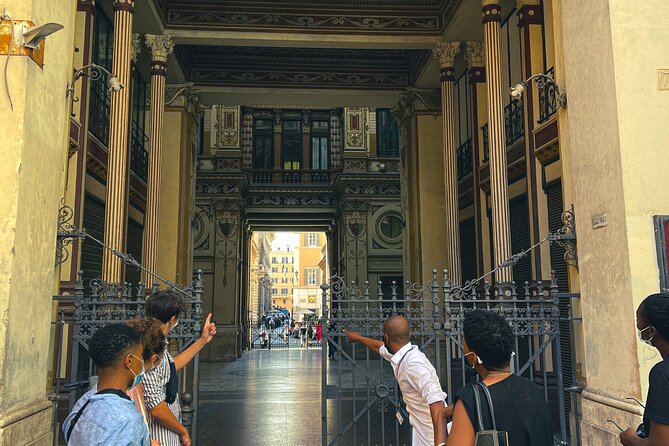
Then you move to a very different mood: Galleria Sciarra, a 19th-century building decorated with Art Nouveau frescoes and paintings. This stop works as a reset for your eyes and your legs. Rome is full of grand squares, but a passage like this reminds you the city is also about texture and craft.
It’s short, about 10 minutes, so don’t expect a long lecture. Instead, think of it as a quick “oh wow” moment that you can only get by following a guide’s route.
If you like details that most people walk right past, this is one of the stops that makes the tour feel worth it. It also gives you a break from the open-air crowds around the major monuments.
More ways under the Pantheon dome:
Trevi Fountain: the story behind the main event
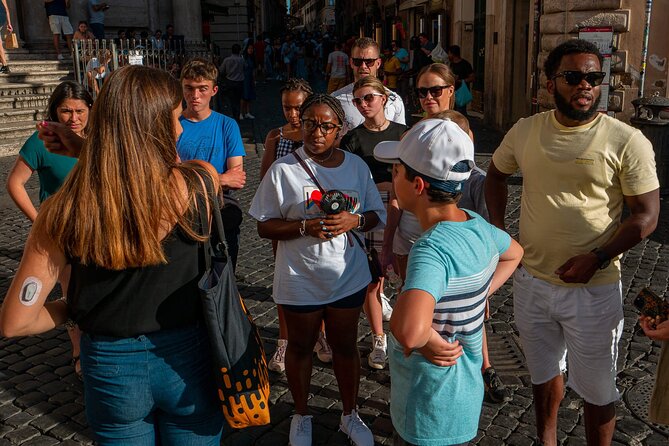
Trevi Fountain is famous for a reason, but the trick is to look beyond the postcard angle. You spend about 20 minutes here, and the guide frames the sculpture with context and explanation, especially when the fountain is lit up.
This is where lighting changes everything. In the evening, you tend to get better photos with less harsh glare, and the fountain becomes part of the street scene instead of just an object at the end of a checklist. With a guide doing the talking, you’re more likely to notice symbolism and design choices rather than just thinking, I’ve seen this on Instagram.
You’ll also want to build in a little patience. Trevi is Trevi, and there will be people. The advantage of a small-group walk is that you can settle into a workable viewing position, then move when the crowd shifts.
Sant’Ignazio di Loyola: the Baroque church trick that fools your eye
Next comes one of Rome’s standout Baroque experiences: Chiesa di Sant’Ignazio di Loyola. You’re there for about 15 minutes, and the headline feature is the artificial dome.
Even if you don’t know the jargon, you can still enjoy the effect. Baroque design often plays with perspective and visual illusions, and Sant’Ignazio is a good example of how architects can make space feel different than it actually is.
This stop tends to be a favorite because it’s interactive in a way. You can look up, compare what you expect to see, then realize the building is manipulating your perception. That’s a satisfying change after outdoor monuments.
The Pantheon: what to expect when you’re not paying for entry
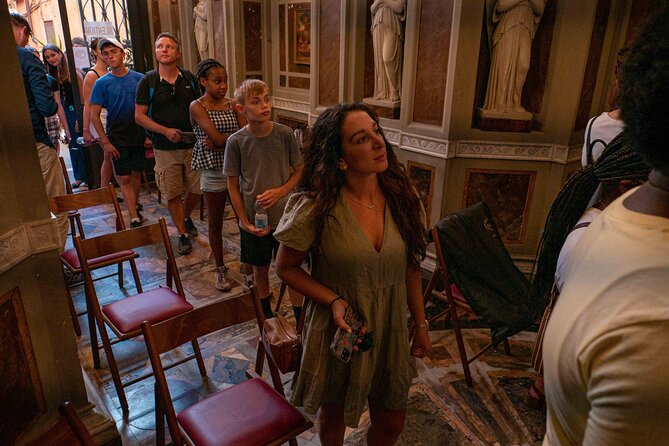
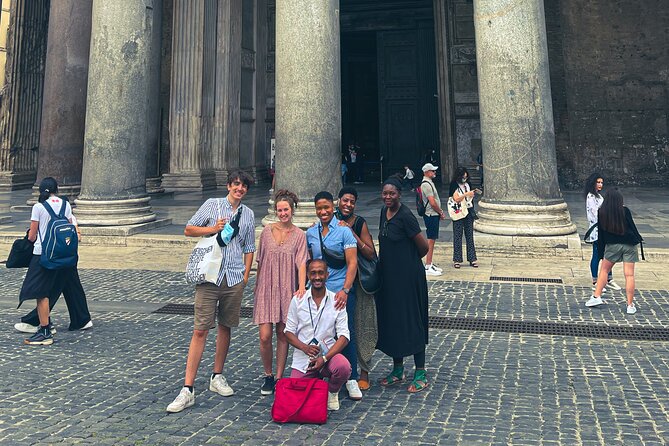
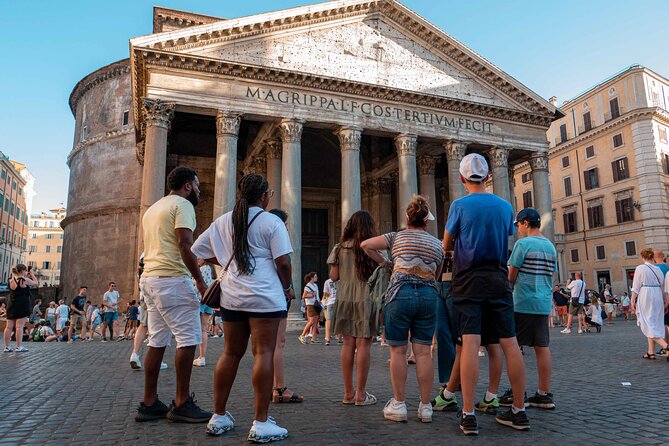
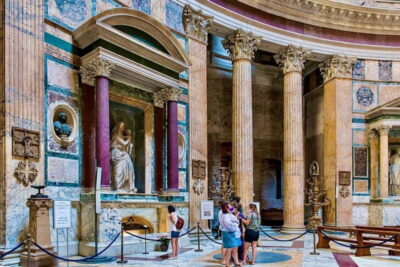
The main ancient structure on this route is the Pantheon, and you’ll spend about 20 minutes there. It’s described as an ancient Roman temple that’s been converted into a church, and the focus is on the architecture and the secrets of how it works.
One important detail: Pantheon access is not included. That means you should be ready to purchase or arrange your entry separately. If you’re arriving during a peak time, plan for a bit of waiting around the entry process. Don’t assume a guide can shortcut the rules here.
Still, a guided stop is a big advantage. The Pantheon can feel “just huge” until someone helps you see what to look for. With the right cues, you’ll understand why people call it one of the best-preserved examples of Roman design and why the space still feels so calculated.
Piazza Navona wrap-up: fountains, church, and a dinner launchpad
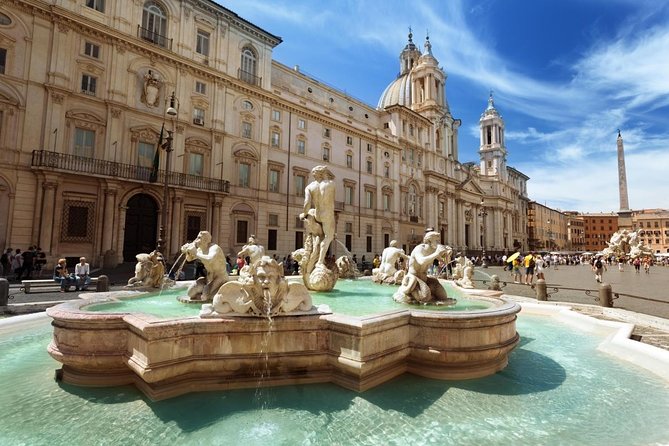
Finally, you land at Piazza Navona, about 15 minutes to take it in. This square is known for three fountains and the Baroque church of Sant’Agnese in Agone. It’s lively in the best way, with street life and plenty of places to sit down.
The tour ends in an area made for food. You’ll get recommendations for local eateries, bars, and even rooftop terrace options nearby, which is handy if you’re trying to make a smart dinner plan instead of wandering hungry.
I like the timing here. After the Pantheon, you’re likely ready to decompress, and Piazza Navona is a natural landing zone. It gives you atmosphere without demanding another long stop.
If you want to keep the evening moving, decide ahead of time what kind of dinner you’re after, casual pasta, a classic trattoria, or something with a view. Then use the guide’s suggestions to speed up the decision.
Value check: $24.20, plus what you must handle yourself
At $24.20 per person for about 2 hours, this is strong value in central Rome. You’re paying for a guided route that hits multiple major landmarks, plus a more unusual interior stop at Galleria Sciarra. You also get short, well-timed explanations at each stop, which helps you get more out of what you’d otherwise see quickly on your own.
The one add-on to remember is that Pantheon access is not included. So your total trip cost depends on what entry fees you pay there. Still, the structure of the tour is set up with several free stops, so the only common ticket you’re likely dealing with separately is Pantheon.
Another value point is the group size. A capped group of 15 can feel like you’re getting personal attention, and that’s where the money goes beyond just “being walked from place to place.”
Who should book this tour, and who should pass
This tour is a great fit if you:
- Want a first-time-friendly overview of central Rome
- Prefer a guided walk with a small group instead of large crowds
- Like architecture and city stories, not just quick sightseeing
- Enjoy ending near a lively dinner zone
It may not be your best match if you:
- Have foot injuries or mobility limits, since it is not recommended
- Need a fully ticketed experience, since Pantheon access is separate
- Hate searching for meeting points, because the start area can take a minute to pinpoint
If you’re coming from places like the Vatican or the Colosseum, this is a useful next step. It shifts you into a different pocket of the city while still staying close to the classics.
FAQ
FAQ
How long is the Rome City, Pantheon, and Trevi Fountain walking tour?
It lasts about 2 hours.
What is the maximum group size?
The tour has a maximum of 15 travelers.
What is included in the $24.20 price?
The price includes a guided walking tour with a local tour guide, plus city highlights and lesser-known stops.
Is Pantheon admission included?
No. Access to the Pantheon is not included.
Where does the tour start and end?
It starts at Piazza d’Aracoeli, Via di S. Venanzio, 8, 00186 Roma RM, Italy, and it ends at Piazza Navona, 00186 Roma RM, Italy.
What ticket format do I use?
You’ll use a mobile ticket.
Is the tour recommended if I have foot injuries?
No, it is not recommended for travelers with foot injuries.
What is the cancellation policy?
You can cancel for a full refund up to 24 hours in advance. If you cancel less than 24 hours before the start time, the amount paid is not refunded.
Should you book this Rome City, Pantheon, and Trevi Fountain Walking Tour?
If you want an efficient, small-group orientation to central Rome, I think it’s a smart booking. You get a tight mix of big monuments and quieter artistry, and the ending at Piazza Navona makes dinner plans easy.
Just be honest about your walking comfort, and remember that you’ll need to handle Pantheon access separately. If those two points are workable for you, this is an easy win for your first or second day in the city.
Latest additions from Rome
- Guided Tour Vatican Museums & Sistine Chapel★ 4.1 · 30 reviews
- Exclusive Rome by Night Vespa Tour★ 5.0 · 30 reviews
- Transfer Rome to Airports★ 4.5 · 30 reviews
- Vatican: St.Peter’s Basilica & Dome – Reserved Entry & Tour★ 4.1 · 30 reviews
- Rome street art tour: off the beaten path with a local guide★ 5.0 · 30 reviews
- Tivoli, Hadrians Villa and Villa d’Este, a charming day trip from Rome★ 4.5 · 30 reviews
- Rome Food Tasting with Wine Pairing Italian Authentic Flavors★ 5.0 · 31 reviews
- Inspirational Cooking on the Roman Chef’s Panoramic Terrace★ 5.0 · 30 reviews
Pantheon Tickets and Guided Tours, compared.
Pantheon Priority Entry Ticket & Interactive App
Read our review →
Pantheon Priority Entry Tickets with Interactive App
Read our review →
Pantheon Timeless Marvel Guided Tour with Entry Ticket
Read our review →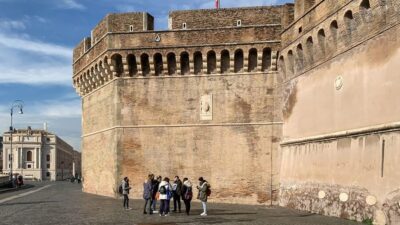
Castel Sant’Angelo: Ticket with optional Vatican or Pantheon
Read our review →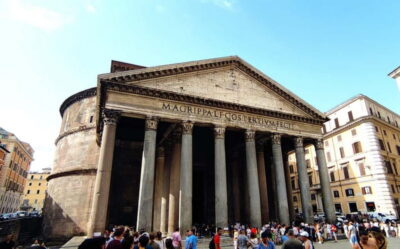
Pantheon Small-Group Guided Tour with Entry Ticket
Read our review →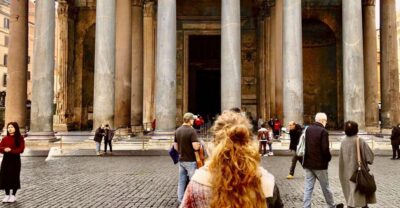
Pantheon Small Group Tour and Skip-the-Line Ticket
Read our review →
Pantheon Entry Ticket With Interactive App + Host
Read our review →Browse the lists this tour appears in